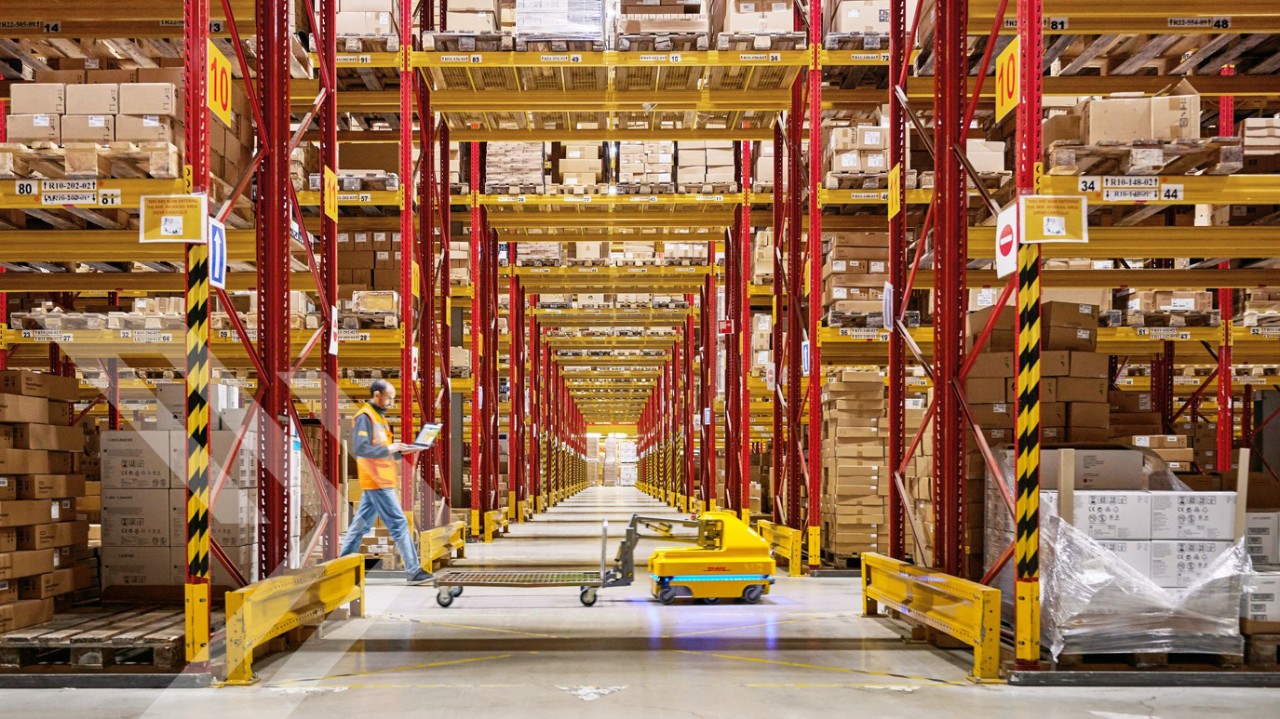
INNOVATION IN LOGISTICS
Unleashing the power of innovation to drive logistics further
At the Forefront of Logistics Innovation
Investing in actionable innovation is critical to staying ahead and adding value in a fast-changing and competitive global market. Through our customer-centric innovation approach to logistics, we pioneer technologies, processes, and solutions positioned to move our industries forward. We optimize supply chains, identify cost efficiencies, and prepare you for future challenges and opportunities collaboratively.
Discover, Connect, Inspire, Create at the DHL Innovation Centers
Through customer-centric logistics innovation, we discover astonishing opportunities and identify the latest trends shaping the future of logistics. We challenge ourselves, our partners and the status quo to achieve outcomes that inspire and improve how we work and live. By connecting and collaborating with customers and stakeholders, DHL provides a fertile space for new ideas and actionable solutions. Together, we create new customer value through tangible innovation addressing the needs of today and tomorrow. Join us and go beyond potential.


Experience Innovation in Logistics
The DHL Innovation Centers are committed to innovation leadership and a customer-centric approach tailored to our customers’ needs and interests. Each Innovation Center offers a wide range of workshops, tours, events and trend insights customized to identify opportunities, solve challenges and shape the future of logistics – all based on the unique needs and business models of our customers.
Learn more by watching our videos, and request a tour.


Innovation Trends and Insights
Discover how DHL is pioneering innovation in the logistics industry and delivering future-forward solutions. We conduct original research and identify the most important social, business, and technology trends shaping the sector to guide the way forward. DHL regularly publishes thought leadership on leading trends to share insights and ignite discussions about collaborative solutions. We are committed to developing strategies for enhancing logistics, enabling ground-breaking technologies, and augmenting the capabilities of our customers. Subscribe to Our Innovation Insights newsletter.


Discover Our Upcoming Innovation Events
Experience the events that are shaping the future of Innovation logistics. We look forward to welcoming you.
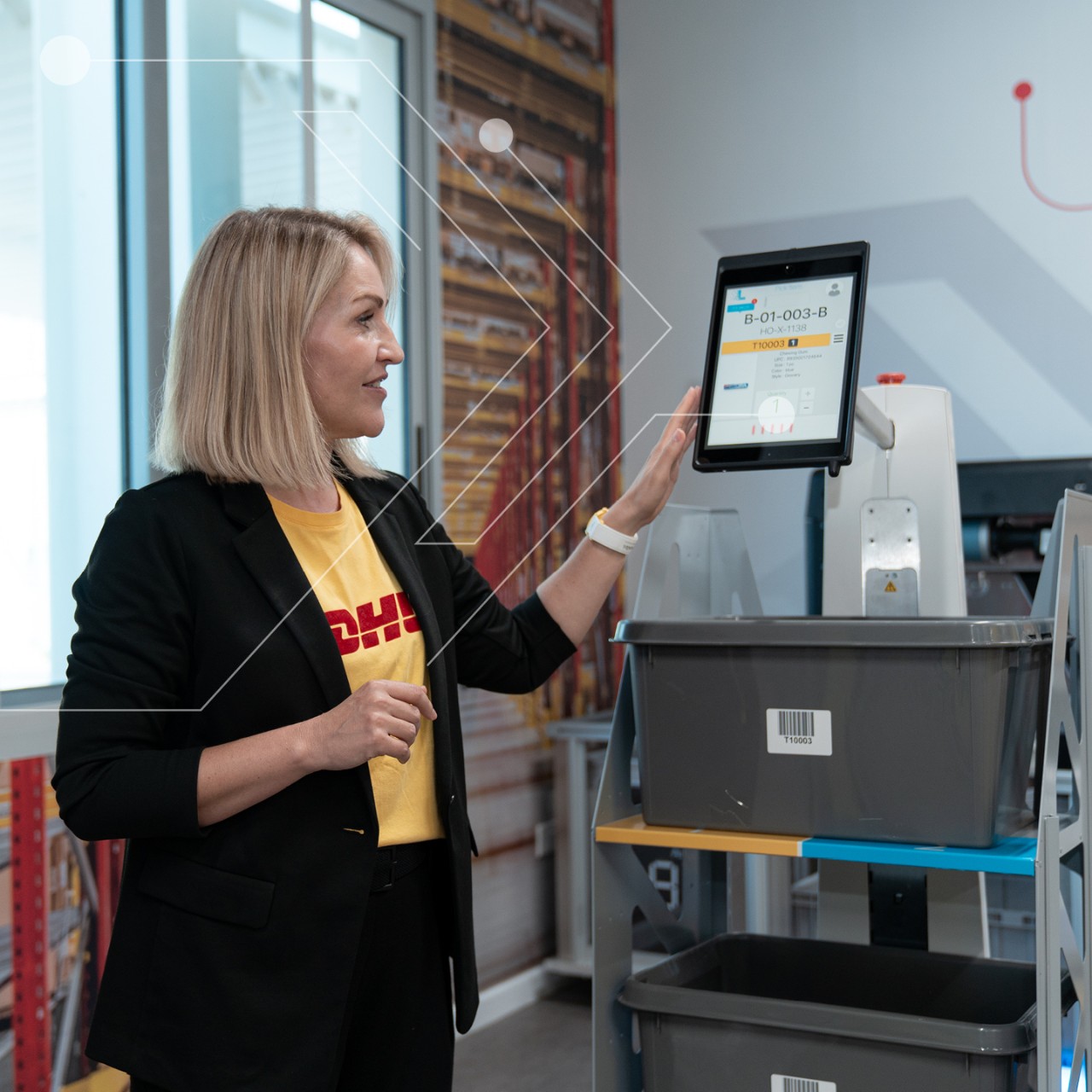
Innovation in Action
We innovate to create actionable, real-world solutions that improve logistics.
Working closely with our customers and logistics sector stakeholders, we focus on trend research, the potential of emerging technologies, and pilot testing programs to build flexible and adaptable supply chains that can quickly respond to changing conditions and ensure operational continuity through innovation.
Supply Chain Innovation
Unleash the future of logistics with innovation. Embrace cutting-edge technologies and visionary solutions that revolutionize supply chains. Experience unparalleled speed, precision and reliability powered by advanced robotics and data analytics. Elevate your business to new heights and unlock untapped potential. Join us on this transformative journey and reimagine your logistics for a smarter tomorrow.