
Why a great Black Friday deal can still lose the sale
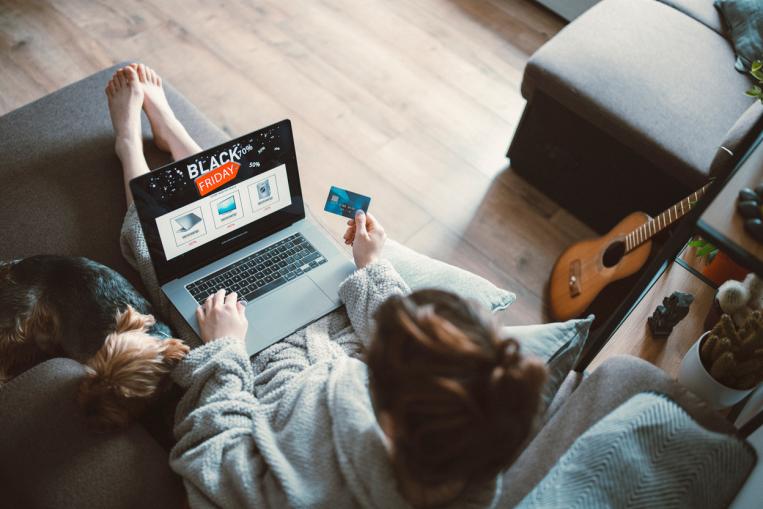
A customer has been eyeing a product for weeks. Black Friday arrives, the price drops, and into the basket it goes. For the retailer, everything seems to be going according to plan. Until checkout. The delivery options don't suit the customer. Returning the product looks like a hassle. And just like that, a promising sale becomes another abandoned basket.
It's a scenario our research helps explain: one in three Black Friday shoppers are most likely to abandon a purchase at the shipping-options stage. A great discount may get someone interested, but the choices available at checkout can determine whether they actually buy.
So, what else does it take to turn a tempting Black Friday offer into a sale?
Our new 2026 Black Friday Trend Report, part of our wider E-Commerce Trends research, draws on insights from 29,000 online shoppers across 29 countries and 5,800 e-commerce businesses across 28 countries. The findings reveal how shoppers discover deals, what motivates them to buy and what can stop them at the final hurdle.
Shoppers are outsourcing the bargain hunt

Picture a shopper typing into their AI chat: "Where can I find this the cheapest?" They're far from alone. Our research shows that 88% of Black Friday shoppers have either used AI to compare prices or plan to.
These shoppers aren't just browsing. Half of AI-assisted shoppers have made a Black Friday purchase, compared with 42% of traditional deal seekers. And 41% expect to buy more in the future, compared with 29% of deal seekers. It seems the shopper with an AI assistant might have an edge over the one juggling 30 browser tabs.
But are businesses ready? Only 38% of e-commerce businesses currently enable browsing or buying through AI. Yet 66% believe shoppers will be willing to let AI make purchasing decisions within five years, compared with just 35% of Black Friday shoppers themselves.
For now, shoppers seem happy to let AI find the bargains, but they're not quite ready to hand over their wallets. For retailers, that means making products discoverable through AI while still convincing the human to click buy.
Gen Z knows what it wants (and it's on sale)

Not everyone approaches Black Friday with the same shopping list. Some want to get their Christmas gifts sorted early. Others have been waiting for an excuse to treat themselves.
Gen Z and Millennials lead Black Friday purchasing, with 47% of each group having bought during the event, compared with 30% of Baby Boomers. Gen Z is also the most trusting of seasonal deals: 91% trust retailers' prices and promotions during key shopping periods. And 41% plan to increase their Black Friday spending over the next five years, compared with just 13% of Baby Boomers.
But their reasons for shopping tell another story. For 36% of Gen Z Black Friday shoppers, the event is a chance to treat themselves, while 36% of Baby Boomers prefer to shop early and spread their costs.
Think of two customers browsing the same sale. One is ticking gifts off a Christmas list; the other is finally buying those headphones they've wanted for months. Both appreciate a discount, but they're buying for different reasons.
For retailers, understanding those motivations can make an offer more relevant than simply advertising another price cut.
When the Black Friday numbers don't quite add up

Here's a surprising mismatch: 84% of e-commerce businesses run Black Friday promotions, yet only 41% of online shoppers actually buy during the event. Still, there's reason for optimism. Among existing Black Friday shoppers, 95% expect to buy the same amount or more in the future, while 64% of e-commerce businesses expect their sales to increase.
And who's buying might be just as surprising as who's not.
Traditional deal seekers are the least likely to make a Black Friday purchase among the shopper profiles we studied. They're more likely to wait for the right deal than buy simply because it's Black Friday.
Black Friday isn't exclusively about new products, either. Eco-friendly businesses and sellers of pre-owned or refurbished goods are among the most active participants, with 87% running promotions.
For retailers, attracting shoppers with different interests and priorities is one opportunity. But getting their attention is only the first step. Even when a customer finds the right product at the right price, there's still one more decision to make: whether to complete the purchase.
Delivery is where the deal is won or lost

The product is in the basket, and the customer is ready to buy. But there's one final hurdle: delivery. Even the best Black Friday offer can lose its appeal when the options at checkout don't meet shoppers' expectations.
And our research shows just how much is at stake.
So, what do shoppers actually want? Home delivery remains the favourite way to receive a parcel, preferred by 72% of Black Friday shoppers. Returns, however, tell a different story, with parcel shops topping the list.
And customers want more flexibility. Some 45% would like more out-of-home locations, including parcel shops and lockers, for deliveries and returns. Businesses recognize their value too: 51% consider these locations essential for securing sales and repeat business.
It's not always about choosing the cheapest logistics provider, either. More than half of e-commerce businesses (56%) would avoid a cheaper logistics provider with poor brand trust.
For retailers, delivery and returns aren't simply what happens after a sale. The choices customers see at checkout can determine whether that sale happens at all.
Published: November 2026
Images: DHL, Getty Images

Why go looking for the latest logistics stories and insights when you can have them delivered right to you?


