Navigation and Content
Life at DHL

What does a future-ready workforce look like?

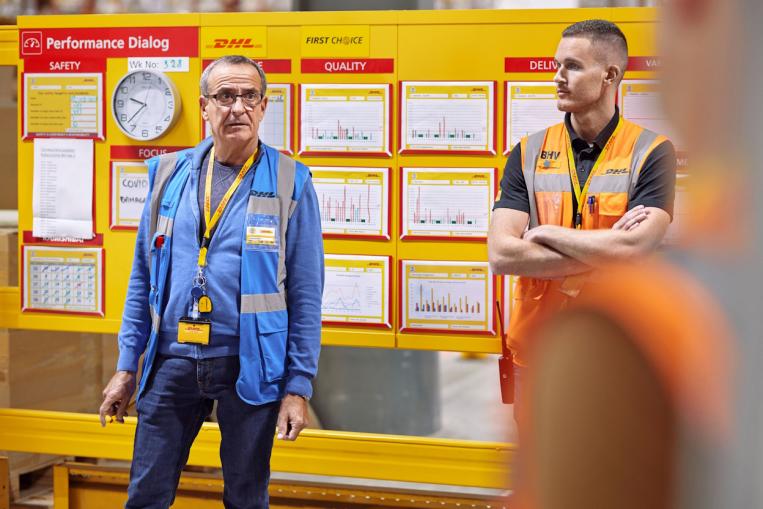
A 20-year-old learning with AI, a 60-year-old sharing hard-earned know-how, teams adapting to new tech – today’s workforce is evolving in real time. And these shifts are redefining how companies like DHL attract, develop, and support their people.

A world where there is no “typical worker”

By 2030, one in six people worldwide will be over 60. At the same time, Gen Z and the emerging Gen Alpha are entering the workforce as the first truly digital-native generations. They grew up with smartphones, global connectivity, and AI tools as second nature. The result is clear: workforces no longer follow a predictable pattern – and employers can’t rely on one-size-fits-all model anymore.

In logistics – a people-powered industry operating around the globe – this transformation is especially visible. We rely on experience, curiosity, judgment, agility, and digital expertise across hundreds of roles. Securing the future of our workforce means embracing all of them, equally and intentionally. So, the question becomes: how do we create opportunities that recognize the full spectrum of talent available?

Opening doors for elderly workers

One answer lies in a group often highlighted in demographic forecasts but too easily overlooked in hiring conversations: experienced adults over 60. To tap into this talent, we’re rethinking how and when careers begin – and when they end. Around the world, many older adults want or need to continue working, yet age bias still closes too many doors. Valuable decades of experience go untapped.

Mexico shows what’s possible when we challenge that mindset. Through Reconnecting Experiences – created with the National Institute for Older Adults (INAPAM) and supported by DHL Global Forwarding – we welcome colleagues aged 60 to 80 into part-time roles across customs, freight, administration, HR, trucking, and industrial projects.

They document processes, support shipments, prepare reports, and learn digital platforms – while offering stability, perspective, and practical judgment built over long careers. Through reverse mentoring, they share deep experience and pick up new skills from younger teammates.

It’s a simple idea with big impact:

  • We tap into a motivated but often overlooked talent pool.
  • Teams benefit from professionalism and lived experience.
  • Participants regain purpose, confidence, and a sense of belonging.

As populations age worldwide, the value of late-career talent will only grow. But while we rethink what “experience” looks like, another question emerges: how do we reach those just beginning their careers – especially when their world looks entirely different from the one before?

This program breaks old paradigms by bringing experienced professionals back into the workforce, fostering collaboration across generations, and creating an environment that supports diversity, inclusion, reverse mentoring, and continuous learning.

Erik Meade, CEO, DGF Mexico

Reaching younger generations where they already are

Understanding the next wave of talent means understanding where they spend their time – and what earns their attention. While we open doors for older adults, we’re also connecting with the newest generation of digital-native talent, but not through traditional channels. Younger audiences discover employers through the ecosystems where they spend their time: gaming, creator platforms, and online communities.

Our long-standing partnership with ESL FACEIT Group (EFG) helps us do exactly that. Instead of asking Gen Z to come to us, we meet them where they are. We show up authentically at global tournaments, collaborate with creators such as Dota2’s SirActionSlacks, and reveal the logistics and tech skills behind international gaming events.

This approach helps us:

  • Build genuine awareness among digital-native talent.
  • Show career paths they may not have considered.
  • Open doors to future IT, operations, and tech specialists.

Gaming isn’t a gimmick – it’s a language the next generation speaks fluently. By entering their world, we bridge two worlds: theirs and ours.

The workforce shift in numbers

1 in 6

People worldwide will be over 60 by 2030

60%

Workers globally will need upskilling by 2027

60-80

Is the age range of colleagues joining DHL’s Reconnecting Experience program in Mexico

Millions

Of digital-native talent are reached through DHL’s global partnership with ESL FACEIT Group

Upskilling for a digital-first future

As work becomes more digital, the skills that power global logistics are changing just as quickly. Six in ten workers worldwide will need upskilling by 2027, according to the World Economic Forum – a shift already reshaping routing, customs, warehouse robotics, and AI-enabled operations. Staying ahead isn’t only about adapting internally; it’s about shaping the talent and capabilities that keep global supply chains moving.

At DHL, we approach upskilling as a long-term investment in people and performance. Across our operations, colleagues learn the tools transforming the industry – from automation and warehouse tech to AI-supported decision making. Building on this, we recently introduced an AI Basics learning pathway to help teams understand responsible AI use and apply digital tools with confidence, whether on the road, in the warehouse, or behind the scenes in planning and control functions.

But true readiness comes from more than individual courses. It comes from a culture that listens and evolves. Continuous feedback loops – including global employee surveys and local team insights – help us anticipate skill needs early, support different learning styles, and innovate where it matters most. When teams grow their digital fluency, the entire system becomes stronger: processes become faster, handovers smoother, and logistics more resilient for customers and communities worldwide.

These efforts are part of our ambition to remain an Employer of Choice under Strategy 2030 – a commitment that links workforce development directly to the future strength and resilience of global logistics. We were also recognized by the Global Centre for Healthy Workplaces as one of the Top 10 Global Healthy Workplaces worldwide, acknowledging our commitment to creating a healthy and supportive work environment.

Staying ahead in a changing world requires investing in people at every stage of their careers and creating the conditions for them to grow.

Thomas Ogilvie, Chief Human Resources Officer

A workforce that reflects the world – and moves it forward

Whether it’s welcoming older adults back into the workplace, engaging Gen Z through gaming, or equipping colleagues with digital and AI skills, one truth ties it all together: the future of logistics is multi-generational, digital, and deeply human.

Our goal isn’t to predict every shift in the labor market. It’s to stay close to the people shaping it – to listen, learn, and adapt. Because the companies that thrive in the future won’t just have the best technology. They’ll be the ones where a 22-year-old gamer, a 72-year-old mentor, and a mid-career logistics specialist can learn from one another and grow together.

Explore more!


Published: December 2025
Images: DHL, Helena Kristiansson


Build the future of logistics with us

Learn more about roles across our global network and the skills shaping the future of logistics.


Want it Delivered?

Why go looking for the latest logistics stories and insights when you can have them delivered right to you?


Related stories