
Mapping out the clean energy transition
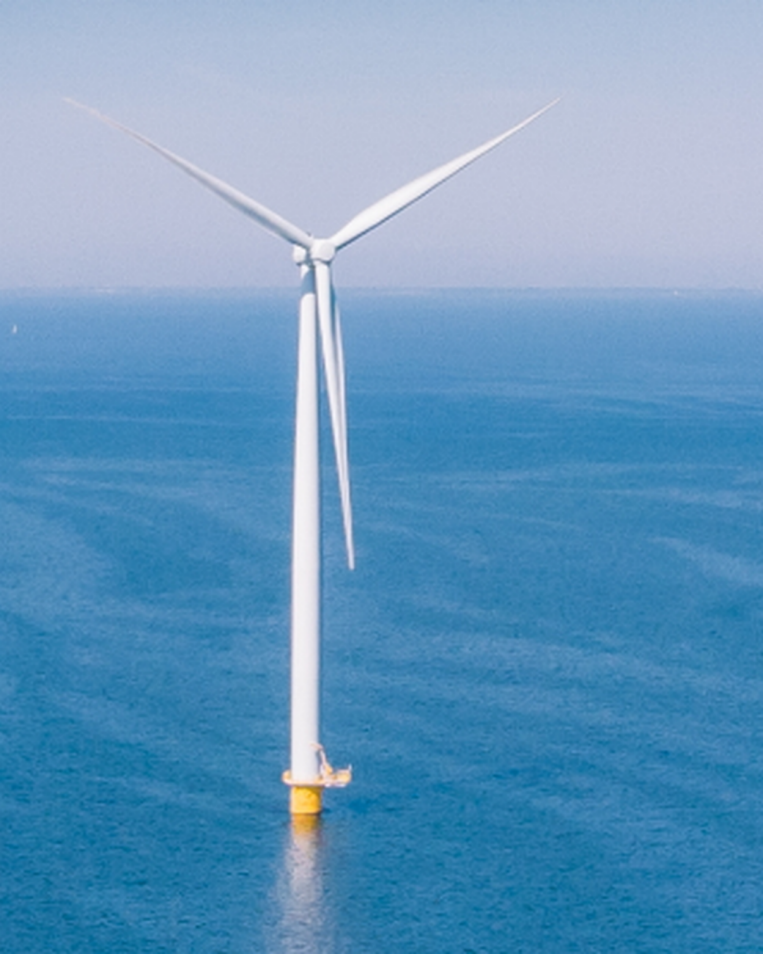
If you could go back and walk around a North Sea dock in the 1950s, you would likely see crates of fish, stacks of timber, and containers of coal on the quayside. Today, just 70 years later, the North Sea Port has been reimagined: custom-made vessels now set sail carrying wind turbine blades made, distributed, and serviced at the very place where the morning’s catch once landed.
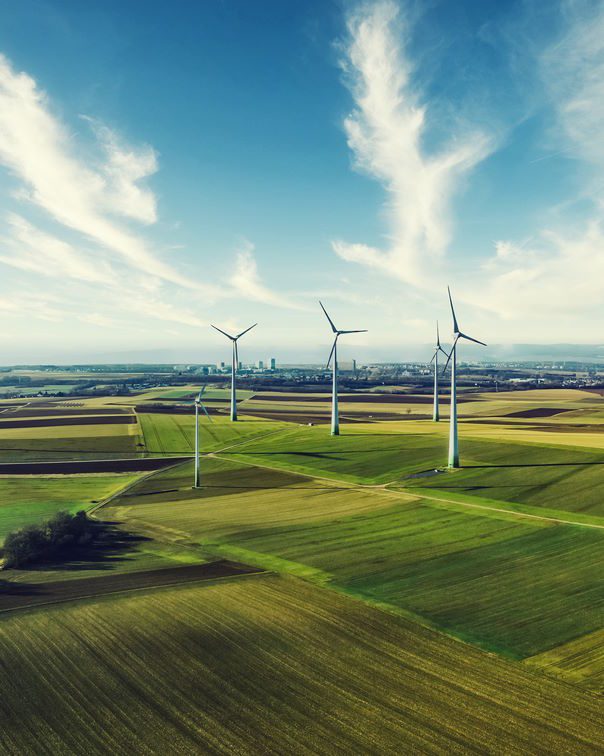
Wind turbines like these headed for offshore farms play a critical role in the transition to a clean energy system. But as the world takes a sharp turn away from fossil fuels like coal and oil and toward renewable energy sources like wind and solar, we need to take a critical look at energy supply chains.
It’s no secret that transition to renewables will pose massive logistical challenges: today’s large, centralized fossil fuel power stations will be replaced by a much larger number of small-scale plants in rural areas, solar farms, and onshore or offshore wind installations. The limited availability of transportation assets and services is already driving up costs in the energy sector. As a result, the energy sector will need better visibility and control to manage rising supply chain complexity. The logistics industry can power the transition to clean energy. But it’s going to require agility, innovation, and the will to work together.

A net-zero energy system will be structured very differently from today’s fossil-fuel-based approach.
Michael Wiedemann
President DHL Energy Sector and Head of CSI EMEA DHL Customers Solutions and Innovation

The transition to renewable energies is bringing the energy and logistics industries closer together.
Katja Busch
Chief Commercial Officer DHL and Head of DHL Customer Solutions and Innovation
Turning tides in the energy sector
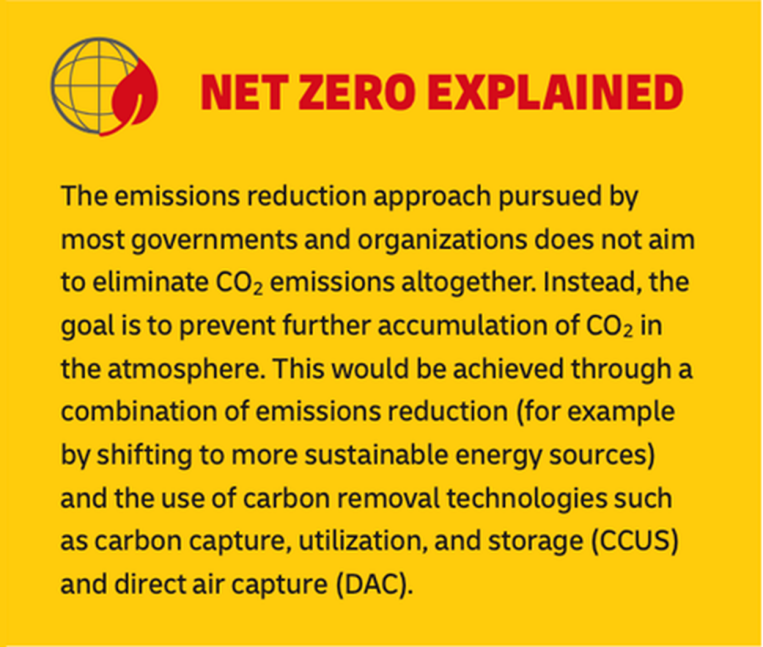
Reducing global CO2 emissions is a daunting challenge, particularly since emissions have been rising for decades. Scenarios drawn up by the International Renewable Energy Agency (IRENA) and the International Energy Agency (IEA) indicate that emissions must drop around 40% from current levels by 2030 and halve again by 2040 to achieve the net-zero target or even negative emissions by 2050. This means transitioning to clean energy will require a two-pronged approach: demand for energy must fall (by changing consumption behaviors and improving energy efficiency), and the amount of greenhouse gas emitted to meet that demand must decline.
Today, fossil fuels are still the largest source for generating electricity. But that will change soon. By 2020, renewable energy sources already accounted for 38% of total generation capacity. By 2050, wind, solar, and other renewables could provide between 80% and 90% of electricity capacity within a much larger electricity system. This transition will require massive investments in clean energy solutions like wind and solar power to ramp up capacity to the levels needed.
Why go looking for the latest logistics stories and insights when you can have them delivered right to you?
Generating 200 megawatts of energy
1
Gas turbine


50
Wind turbines
500,000
Solar panels

Clean energy transition will be digital
Innovation is a must if the renewable energy sector is to secure the rapid increase in scale that the clean energy transition demands. Companies will have to manage the manufacture, storage, and transportation of thousands of critical components by using technology like smart sensors. These sensors give businesses the data they need to optimize logistics assets, make arrival time forecasting more accurate, and identify delays and issues during transportation.
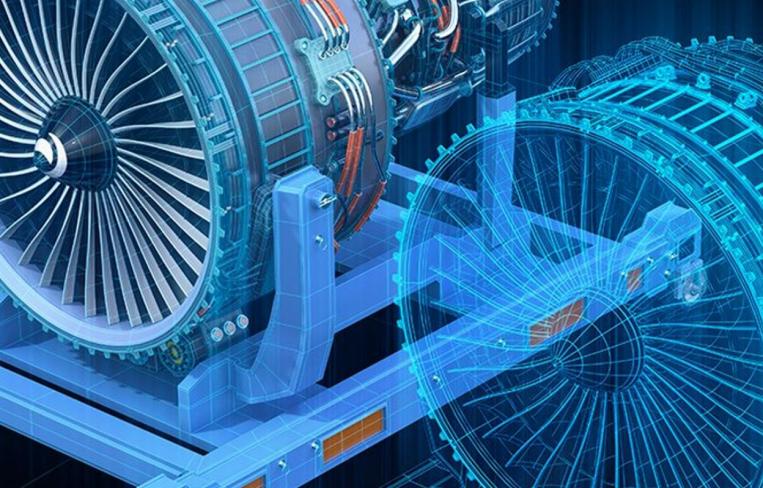
Along with deploying smart sensors, companies can also gain insights into the status of their renewables technology by using a digital twin – a sophisticated computer model of a physical asset that is constantly updated with real-time data. Digital twins can even be connected to the supply chain, for instance, automatically ordering replacement parts if they spot a problem. And the industry is now exploring flying drones to inspect wind turbines, which takes less time and avoids deploying technicians to remote and dangerous locations.

Robust, resilient logistics systems for renewables will require intelligent coordination between multiple stakeholders, including energy companies, equipment manufacturers, and logistics service providers.
Amadou Diallo
CEO Middle East & Africa, DHL Global Forwarding

Published: April 2023


