

If your business ships products containing batteries internationally, there are some important shipping and packaging rules you’ll need to follow to ensure they arrive safely and without delay.
Can you ship batteries internationally?
Yes, you can ship batteries internationally by express courier or international mail, but strict regulations apply depending on the type of battery. For example, shipping lithium batteries overseas is generally allowed, but restrictions vary by country, airline, and courier.
Lithium batteries are of particular concern as they are found in many everyday devices, including laptops, smartphones, tablets, medical equipment and power tools.
To ensure they travel safely, international shipping rules set out strict requirements for packaging, labelling and documentation. Lithium batteries are also classified as Dangerous Goods1, so not all types are accepted for shipping by DHL Express.
What are the types of batteries?
Lithium batteries
Lithium batteries are lightweight, high-energy batteries widely used in smartphones, laptops, and medical devices. They provide long-lasting power and can be either rechargeable (lithium-ion) or single-use (lithium-metal).
Nickel-metal hydride
Nickel-metal hydride (NiMH) batteries are rechargeable batteries often used in portable electronics and tools. They offer a higher energy density than alkaline batteries.
Dry/alkaline batteries
Alkaline batteries are single-use batteries commonly found in household devices such as remote controls, clocks, and toys. They are inexpensive, widely available, and easy to use. Alkaline batteries are generally safer and easier to ship as they are not classified as Dangerous Goods.
Wet batteries
Wet batteries, also known as lead-acid batteries, contain liquid electrolytes and are used in vehicles, backup power systems, and industrial equipment. Their liquid content makes them heavier and more hazardous, requiring careful handling, packaging, and adherence to strict shipping regulations2.
Shipping different types of batteries
How to pack and ship lithium batteries
Packing and shipping lithium batteries requires careful compliance with international regulations, whether they are lithium metal or lithium-ion.
The packing process is largely the same for both:
- Whenever possible, keep lithium-ion batteries installed in the device and switched off.
- For lithium metal or spare lithium-ion batteries, insulate terminals individually to prevent short circuits.
- Wrap devices or batteries in protective material such as bubble wrap.
- Use a sturdy double-walled box and fill unused space with padding to stop movement.
- Seal the box securely with strong tape.
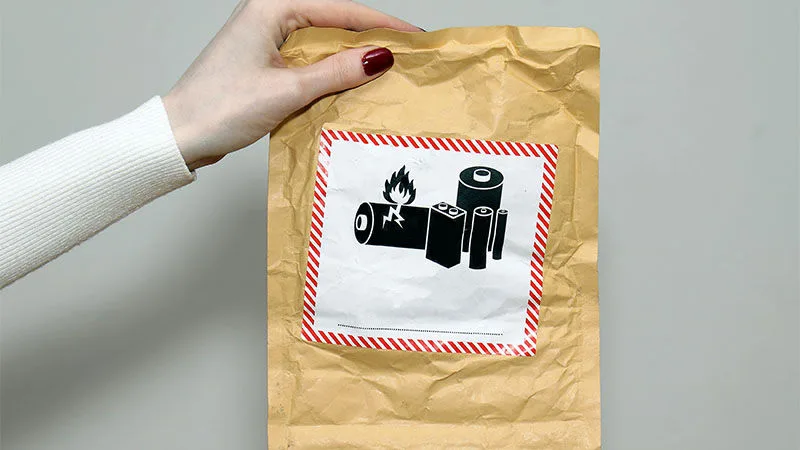
- Clearly attach the required lithium battery handling label and shipping label.
In Belgium, anyone listed as the shipper on a DHL Express waybill is legally responsible for ensuring full compliance with IATA Dangerous Goods Regulations.
How to pack and ship dry batteries and nickel-metal hydride batteries
Packing and shipping dry batteries (alkaline-manganese, zinc-carbon, nickel-cadmium) and nickel-metal hydride (NiMH) batteries is simpler and more straightforward, yet it is still important to adhere to relevant international and EU transport regulations.
Here are some parcel packing tips to prepare your dry or NiMH batteries for shipping:
- Whenever possible, ship NiMH and other dry batteries inside the device and ensure the device is switched off. Protect terminals to prevent accidental activation.
- For alkaline batteries specifically, remove them from the device and keep them in their original packaging if possible.
- Wrap each battery or device individually in protective material such as bubble wrap.
- Place batteries in a sturdy double-walled box and fill any empty space with padding.
- Seal the box securely.
- Clearly attach the appropriate shipping label.
How to pack and ship wet batteries
Packing and shipping wet batteries requires extra care because they contain liquid electrolytes and can generate gases. These batteries are commonly used in vehicles, industrial machinery, and backup power systems.
Here’s how to prepare your wet batteries for shipping:
- Use UN Specification packaging with a leak-proof acid/alkali liner.
- If shipping multiple wet batteries, enclose each in its own leak-proof container.
- Separate batteries within the box using non-conductive dividers to prevent short-circuiting.
- Secure batteries in the packaging, ensuring any vent caps are facing upwards to allow gas release and prevent pressure build-up.
- Wrap the entire package in protective material to prevent movement.
- Seal the outer box securely with strong tape.
- Clearly attach all required marks and labels, including Dangerous Goods labels and a Dangerous Goods Shipper’s Declaration.
Wet batteries are also classified as Dangerous Goods under IATA and EU transport regulations. Shippers in Belgium are responsible for ensuring compliance with these rules.
Regulations for shipping batteries
Recalled, damaged or defective lithium batteries
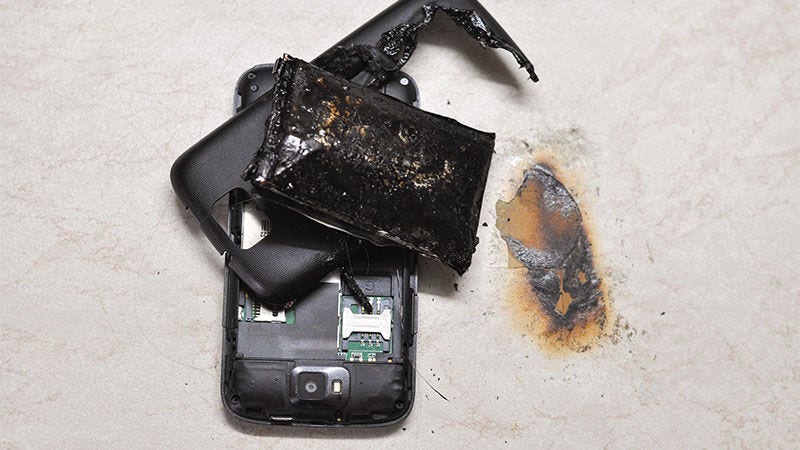
Shipping damaged, faulty, or recalled lithium batteries is highly dangerous due to the risk of fire, smoke, or toxic fumes.
In Belgium, as in the EU and globally, shippers are legally responsible for ensuring that only safe, undamaged batteries are transported. Attempting to ship defective batteries can result in regulatory penalties and significant safety hazards.
Documentation required to ship batteries internationally
All shippers must read, understand, and comply with applicable international, EU, and Belgian regulations when sending batteries abroad. A thorough shipping checklist helps ensure nothing is overlooked.
While lithium batteries are classified as Dangerous Goods with strict handling and declaration requirements, other battery types are considered restricted commodities, subject to limits on type and quantity per shipment.
To meet these regulatory requirements and avoid health, safety, or legal issues, the following documentation is typically needed:
- Correct shipping labels and markings.
- Dangerous Goods Shipper’s Declaration (for lithium or other regulated batteries).
- Any additional documentation required by the destination country’s customs authorities.
Make cross-border battery shipping easy with DHL
Shipping batteries internationally doesn’t have to be daunting. Knowing how to pack them, prepare the right documentation, and comply with international, EU, and Belgian regulations helps ensure your shipments travel safely and arrive on time. Whether you’re shipping lithium, dry, or wet batteries, DHL Express’ expertise ensures your shipments meet all safety and regulatory standards. Shipping batteries across borders may seem complex, but expert guidance is available at every step when you partner with DHL Express today.


 Share
Share