

HS code stands for Harmonized System code.

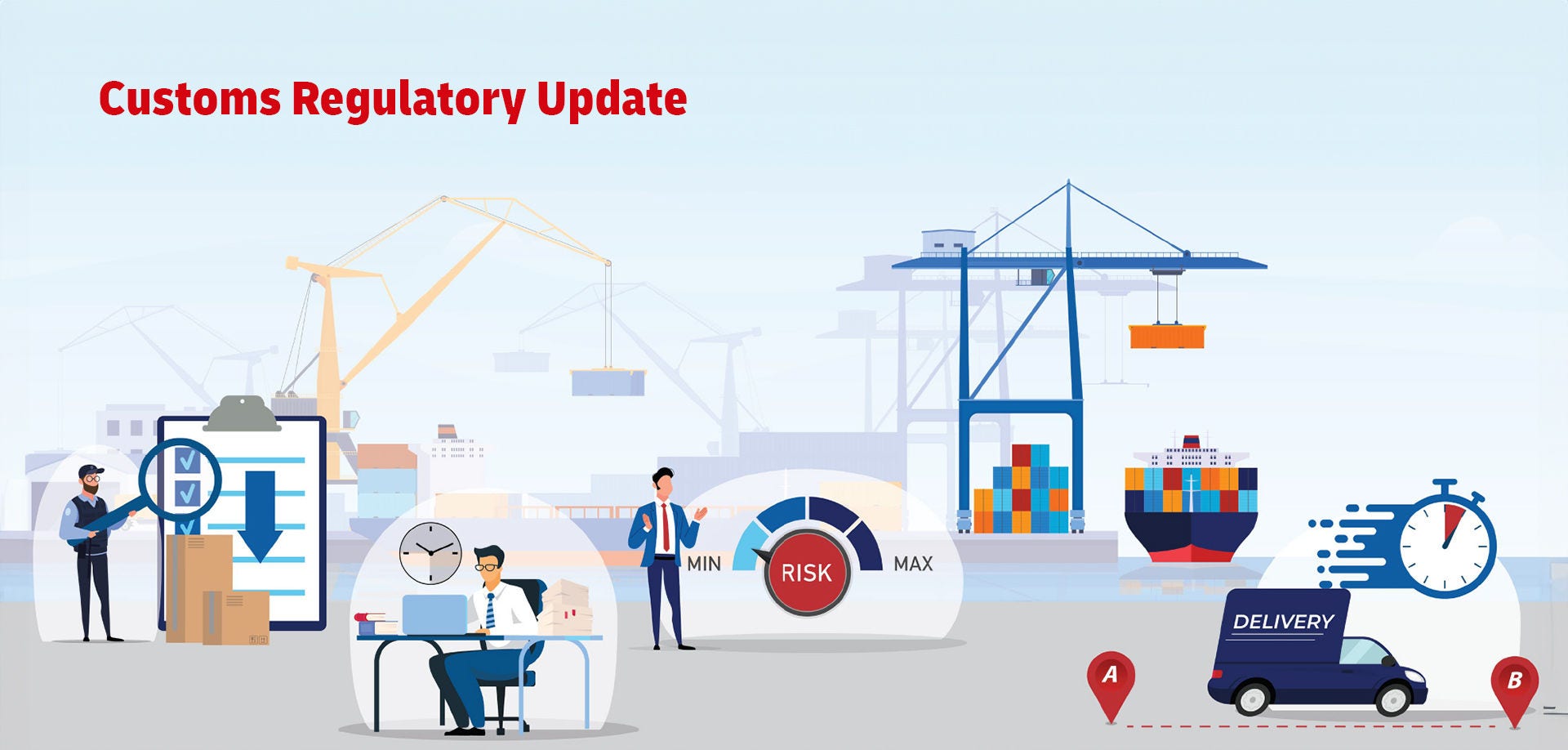
Customs clearance has grown increasingly complex over the years as the explosion of goods being sent across borders has become more diversified. Therefore, to avoid delays at customs, you need to provide accurate data, including a detailed list of the products you are sending.
To do so, the Harmonized System (HS) code classifies all existing goods precisely, making it easier to identify products internationally.
Harmonized System (HS) codes are unique identifiers to classify the exact type of goods you are shipping.
HS codes were created by the World Customs Organization and are recognized in almost every country. They give customs and government bodies a common point of reference to instill regulations based on HS classes, enabling them to create a standard to approach each HS category in the same way.
In turn, the codes allow for more organized importing and exporting structures and provide good guidelines for countries wanting to implement new regulations.
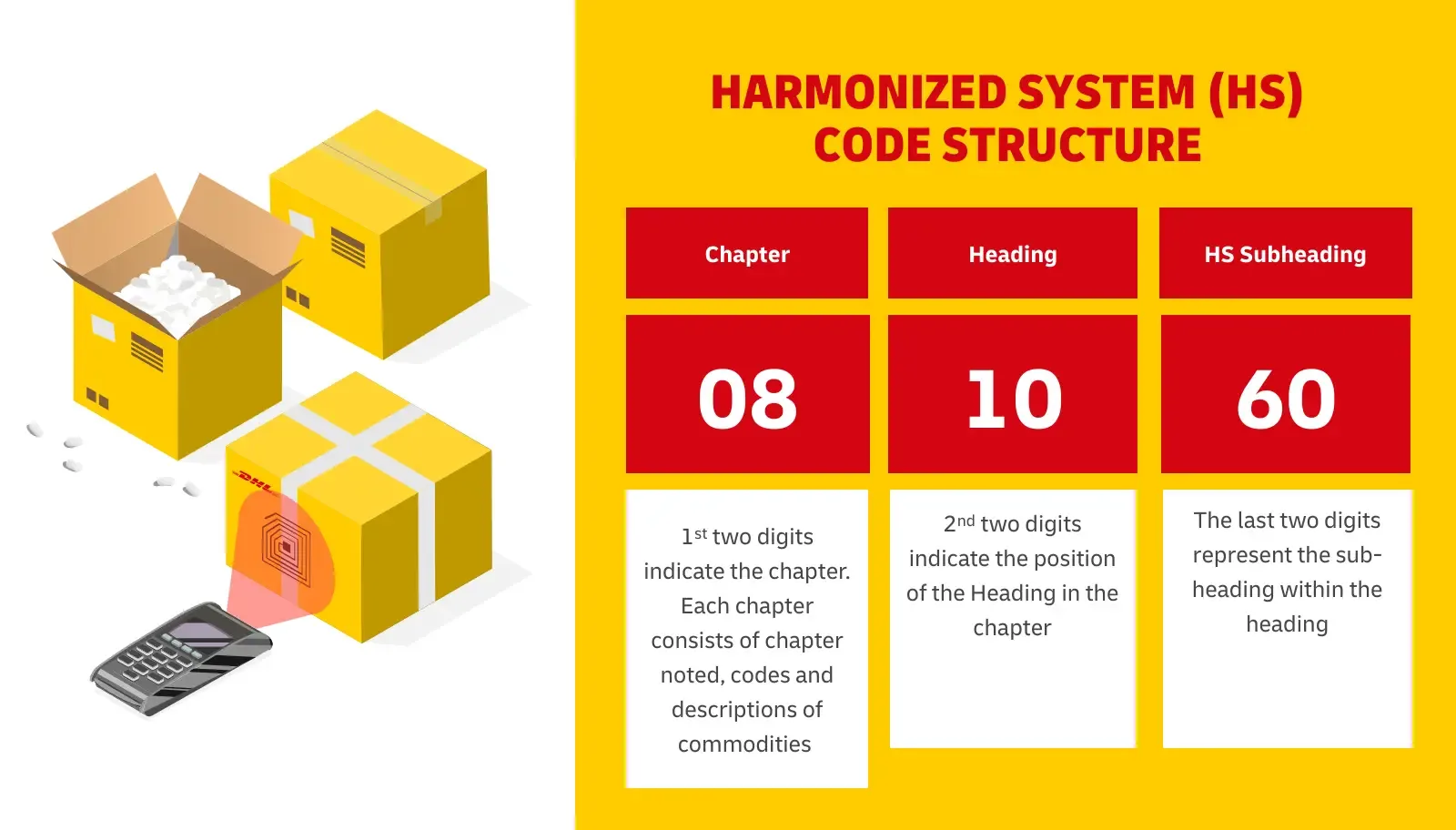
The structure of each Harmonized System (HS) code comprises six digits.
The first two digits identify the chapter the HS code falls under. There are a total of 21 chapters; each chapter provides a description to generalize the category.
The next four digits denote the heading and sub-heading within the chapter.
ASEAN countries, including Thailand, follow the ASEAN Harmonized Tariff Nomenclature (AHTN), where the first six digits still take reference from the international HS codes.
However, the additional two digits at the end further break down the subheadings. Commodities shipped within ASEAN normally use the eight-digit AHTN classification, but the six-digit HS codes are also considered valid.
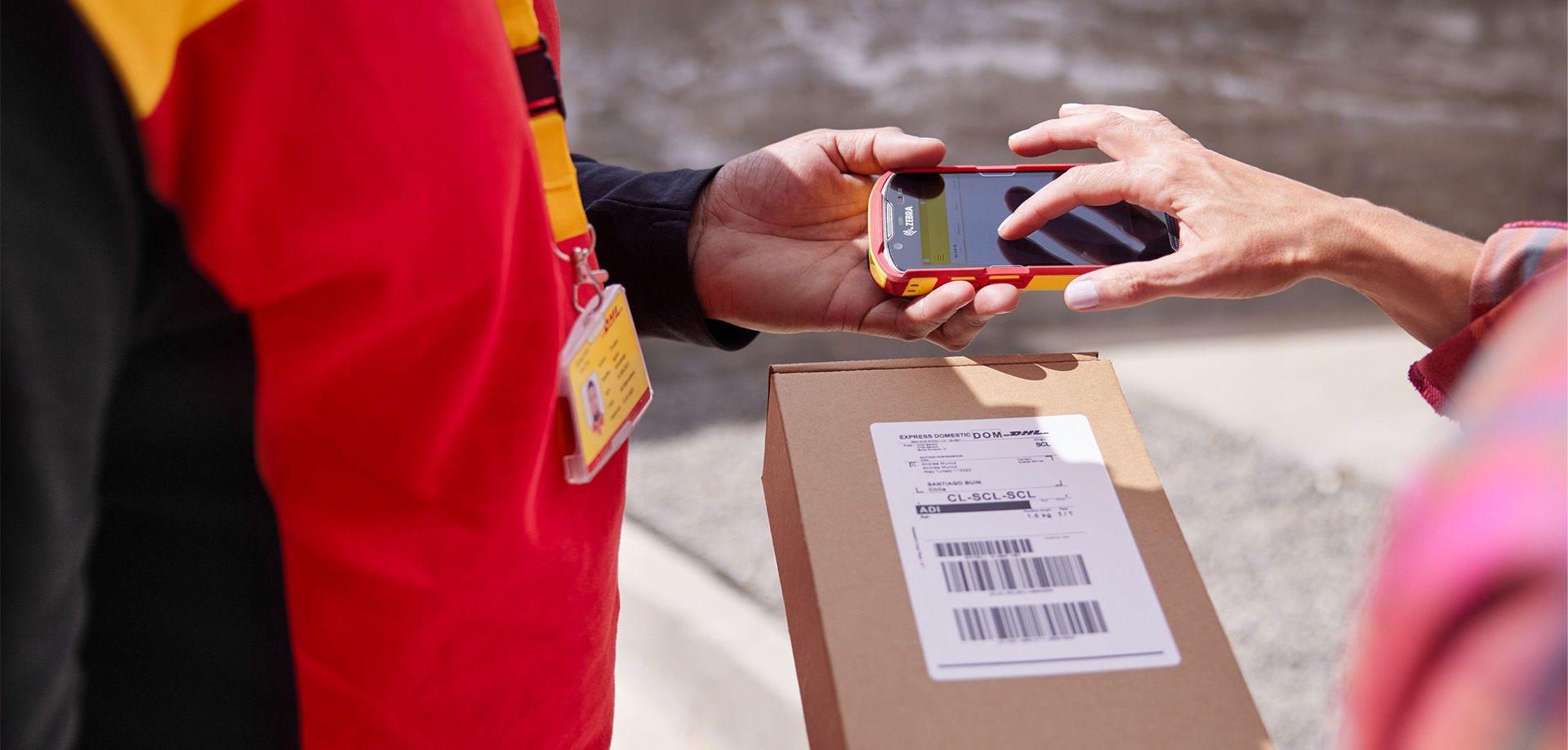
You should indicate the HS code in your shipping documents to ensure a uniform mode of clearance every time.
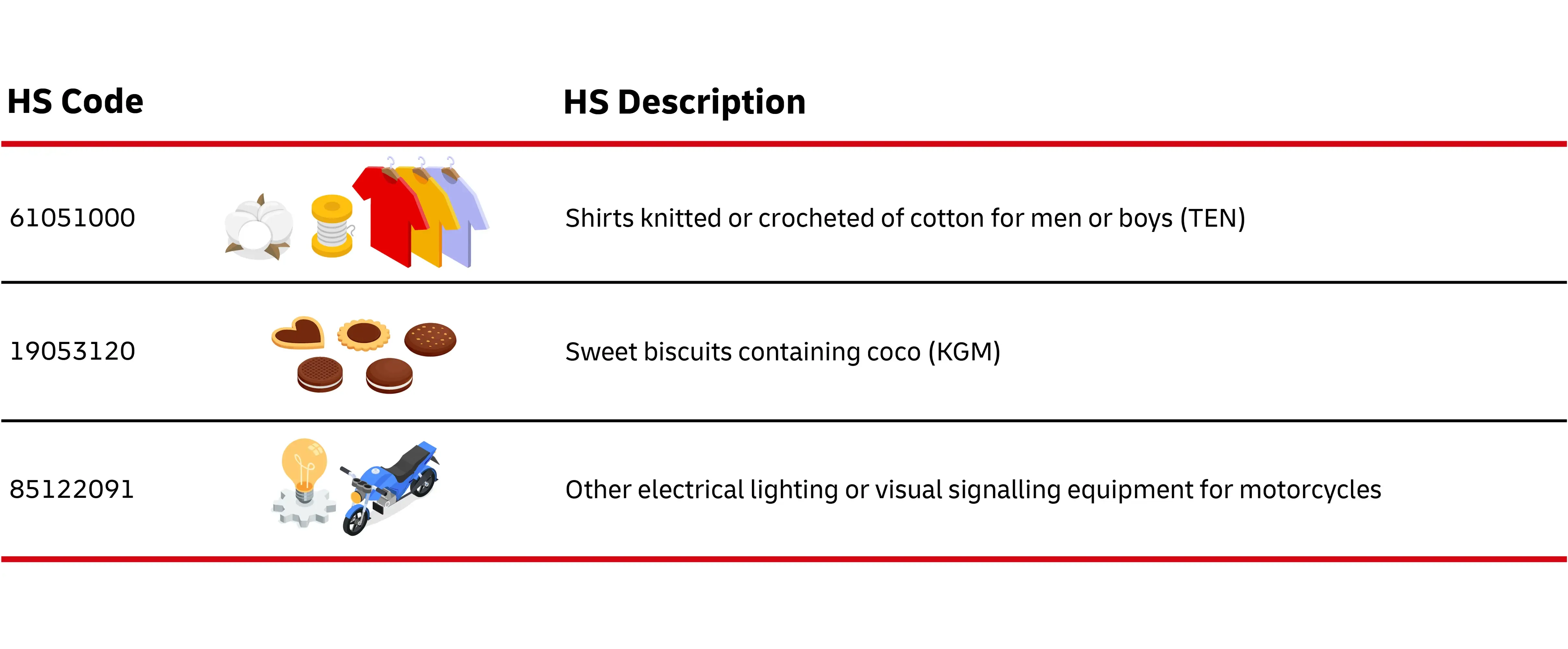
There are thousands of different HS codes, but each commodity is further dissected into very specific descriptions.
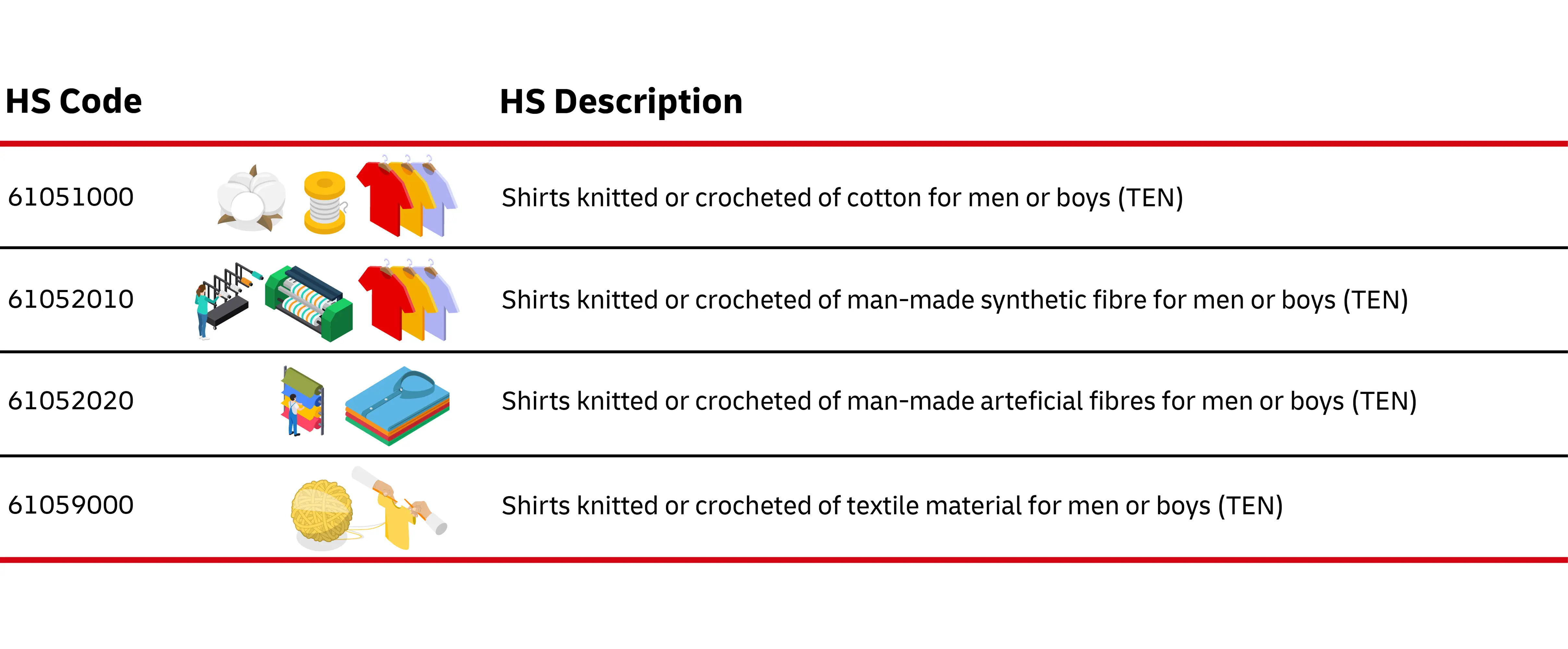
For example, there are approximately 10 different categories under the item ‘shirt’, such as:
Correspondingly, there are as many different possible codes for a shirt item.
In some instances, certain commodities may contain overlapping codes, where two or more codes apply. In such cases, you only need to select one – the closest possible match to the actual item.
The customs department of almost every country would have already defined different regulations based on different classifications. As such, it’s essential to include the most accurate code to reduce the risks of unintended customs duties and taxes, higher restrictions on importing, or rejection of entry into the destination country.
While it is not necessary to indicate your product’s HS code in all of the documents, it is always recommended to indicate it on your invoice to give a clear and accurate representation of the contents of your shipment, especially if the item you are shipping is very technical.
For instance, if your invoice contains the description “Television Parts”, although the term to explain the product is straightforward, Television Parts can be further broken down into many different categories depending on the technicalities of the component.
Therefore, to define exactly which part you are shipping, you would need an HS code to identify the item clearly.
The legal responsibility for accurate HS code classification lies solely with the shipper. As such, you must perform a thorough lookup before dispatching your goods.
To find the correct HS code for export, you can consult the official government website of your destination country.
Alternatively, you can use an HS code finder, such as DHL Express’ self-service MyGTS tool, to quickly find your items and estimate total landed costs efficiently.
Do note that DHL Express Thailand does not provide other classification services or landed cost calculations prior to customs clearance.
MyGTS is a free, comprehensive platform by DHL Express that grants you access to the same customs data used by logistics professionals, covering import and export regulations for over 220 countries and territories.
This tool enables you to accurately identify 10-digit HS codes, verify prohibited items, and understand the specific customs requirements of your destination markets, eliminating common complexities in international trade.
From calculating landed costs to finding HS codes, MyGTS provides comprehensive support. Follow these simple steps to learn how to get an HS code for a product and streamline your export process:
HS code stands for Harmonized System code.
An HS code is a globally recognized classification of a traded product, via a system of names and numbers.
The first six digits of an HS code are standardized globally by the World Customs Organization. This ensures a common foundation for classifying goods internationally.
However, some countries, such as those in APAC, may add two additional digits for more specific classifications within their region.
An incorrect HS code can lead to several issues:
While not strictly mandatory, it's highly recommended. Providing the HS code on your invoice and other shipping documents ensures accurate customs clearance, minimizes delays, and helps avoid potential issues with duties and taxes.
The World Customs Organization reviews and updates the Harmonized System (HS) codes every five years to reflect changes in technology, trade patterns, and emerging products.
If you're having trouble identifying the right HS code, you can:
DHL MyGTS (My Global Trade Services) is a free, self-service online platform designed to simplify international shipping. It provides instant access to essential trade data, including HS codes, import and export regulations, and landed cost estimates for over 220 countries.
You can find HS codes by consulting official government tariff directories or using the MyGTS platform.
On MyGTS, simply enter a detailed product description or the first six universal digits to retrieve the complete, country-specific classification for your item.
Yes, HS codes are used universally for classifying goods in international trade, whether they are being imported into a country or exported from it.
While both are used for classifying goods, HS codes are used internationally, while Schedule B numbers are specific to the United States and are used for exporting goods.
No, each product should have its own unique HS code that accurately reflects its characteristics and composition.
The MyGTS platform offers an invaluable advantage for Thai exporters, enabling swift HS code identification and precise landed cost calculations. By leveraging the platform, you can confidently navigate international shipping while maintaining compliance.
Beyond digital tools, DHL Express also offers a global network and specialized services that ensure your shipments arrive at their destinations smoothly.
Ready to streamline your international trade with expert logistics support? Start by checking your shipping costs or open a DHL Express business account today!


 Share
Share