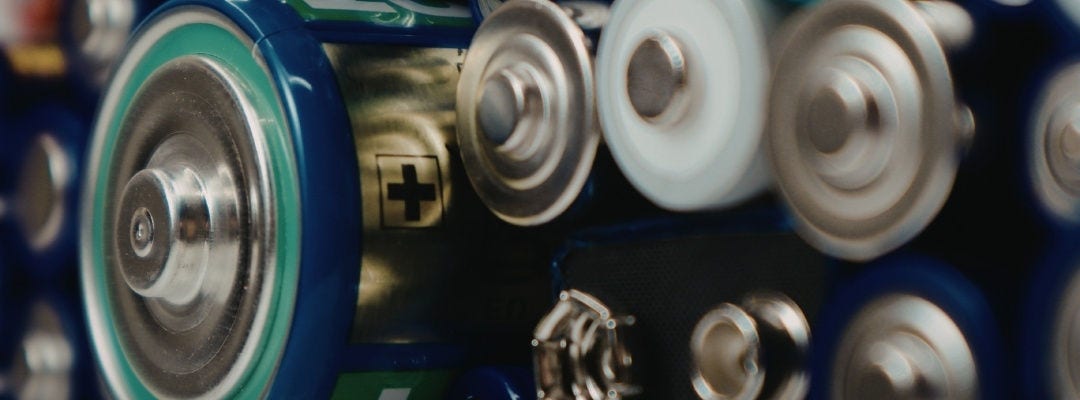
Can you ship batteries safely?
It's crucial to understand that not all batteries are created equal when it comes to shipping. Certain types of batteries, like lithium-ion and lithium-metal, pose higher risks due to their energy density and potential for overheating or combustion. This is why there are strict regulations when it comes to shipping lithium batteries internationally
These regulations often dictate specific packaging requirements, labeling, and documentation to ensure safe handling and prevent accidents during transit. Improperly packaged lithium batteries can ignite, causing fires that are difficult to extinguish and pose a significant risk to the safety of transportation workers and the general public.
For many businesses, the biggest risk is the 'Hidden Dangerous Goods' trap. Lithium batteries are often embedded in devices, from smart textiles to industrial sensors, where their presence isn't immediately obvious. It is your responsibility to audit your entire product line for integrated power sources. Failing to declare a battery because it is 'part of the machine' is a leading cause of shipment rejections and severe regulatory fines.
Other battery types, such as alkaline or nickel-metal hydride (NiMH), are generally considered safer to ship. However, they still require proper packaging and handling to avoid damage and potential short circuits. With regards to what batteries are not allowed to be shipped, damaged or defective batteries should never be shipped due to the increased risk of safety hazards.