

Is your business ready to take the next step toward sustainable shipping? You’re not the only one! DHL’s global survey of SMEs found many are unsure where to begin with eco-friendly shipping methods. If that sounds like you, then this article is here to help. We’ll explore some of the best practices to follow to reduce emissions, save costs and attract more customers.
What is sustainable shipping?
Sustainable shipping is all about reducing the environmental impact of how your products get from A to B. That could mean choosing recyclable packaging, optimizing your warehouse processes, or offering your customers eco-friendly delivery options – to name a few examples.
For small- and medium-sized businesses, this might sound like something only big companies can afford to care about – but that’s no longer the case. Customers are increasingly choosing brands that align with their values, and sustainability is high on the list. By making your shipping practices more sustainable, you’re not just helping the environment – you’re also future-proofing your business and appealing to a more conscious customer base.
Why is the importance of sustainable shipping?
Consumers increasingly care about the environmental impact of their purchases and actively prefer businesses that reduce theirs. However, many SMEs underestimate this demand. A DHL Express survey found most small businesses think customers are only “slightly” willing to pay more for sustainable shipping, though interest is actually much higher. This gap presents a clear opportunity for forward-thinking SMEs: those that embrace sustainability now can stand out and gain a competitive edge.
What advantages does sustainable shipping offer?

Win over more customers
Nearly eight in ten global consumers say they’d be interested in an eco-friendly delivery option when shopping online.1 Giving them that choice at checkout can boost conversions and keep them coming back.

Build a stronger brand
66% of consumers consider a company’s environmental actions when deciding where to shop2. Offering sustainable shipping options sends a clear message that you're committed to doing business responsibly.

Cut operating costs
Sustainable shipping isn’t just good for the planet – it can be good for your budget, too. Reducing packaging waste, improving supply chain efficiency, and exploring alternatives to fossil fuels can help lower costs and protect your business from volatile energy prices.

Attract investment
Investors are increasingly factoring sustainability into their decisions. Demonstrating a clear strategy to reduce emissions and operate more responsibly can enhance your business’s value and appeal.

Stay ahead of regulations
Sustainability isn’t just a trend – it’s fast becoming a requirement. From packaging restrictions to carbon reporting, governments and trade bodies are tightening rules around environmental impact. Getting ahead of these changes now will save time and resources down the line.

Future-proof your growth
As consumer preferences evolve and markets shift, sustainable practices will become a baseline expectation. Embracing them early helps position your business for long-term success – especially when expanding into international markets where regulations and customer values may differ.
Recommended Practices for Greener Shipping
You don’t need a big budget or a dedicated sustainability team to make a difference. With a few smart tweaks, your shipping process can become more efficient and better for the environment. Here are some practical steps to take:
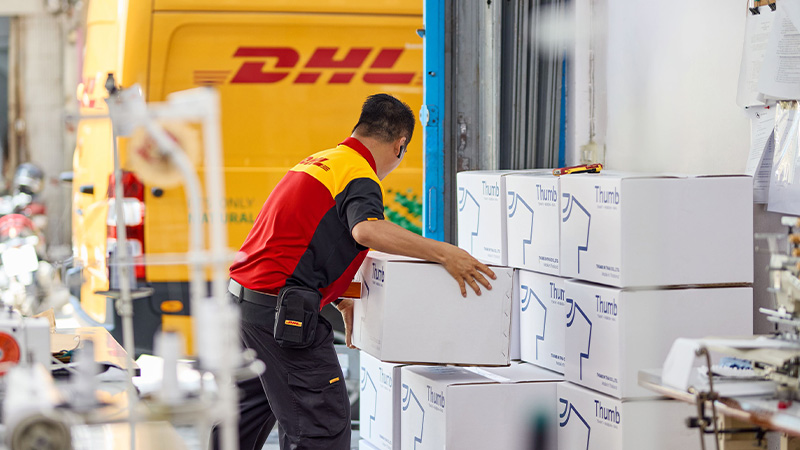
1. Offer lower-impact shipping options to customers
Many customers are happy to choose delivery options that are less resource-intensive – such as consolidated deliveries – especially if you communicate the benefits clearly. It’s a small nudge that can make a big difference at scale.
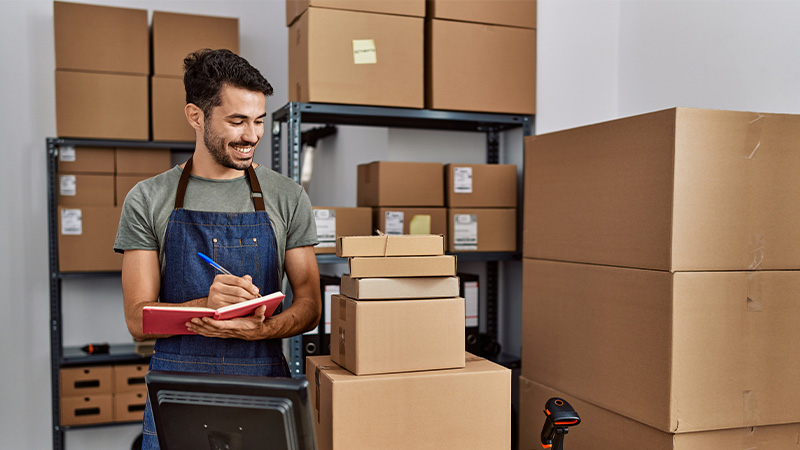
2. Pack smarter, ship lighter
Use right-sized packaging to avoid shipping air. Reducing empty space not only cuts waste but also lowers shipping costs and emissions. Where it’s safe to do so, consider shipping items in their original packaging to eliminate the need for an additional box.
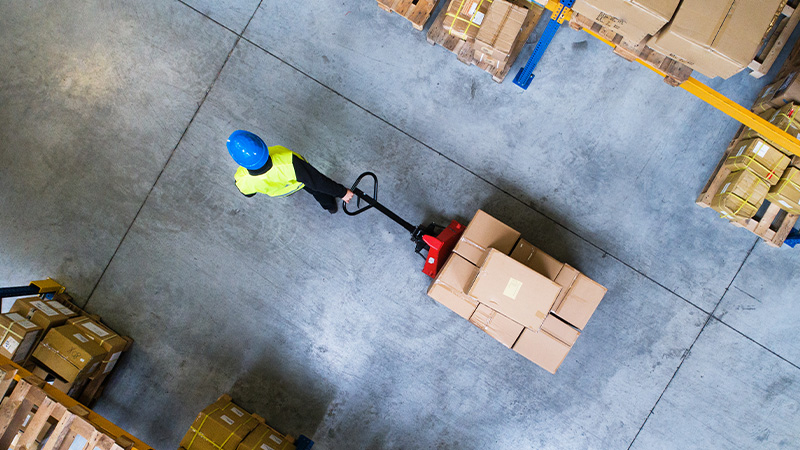
3. Consolidate shipments
Where possible, group multiple orders into a single delivery – especially for repeat customers or those placing multiple items. Consolidated shipping reduces the number of trips your packages make, helping to cut fuel usage and emissions.
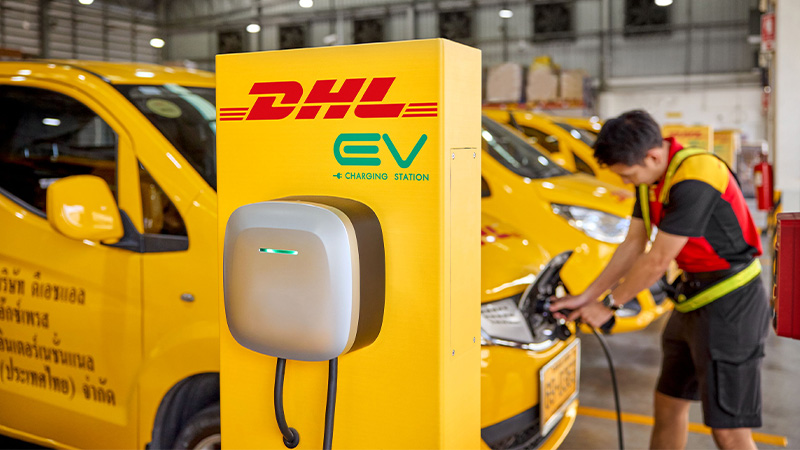
4. Embrace electric vehicles and alternative fuels
Switching to electric delivery vehicles or working with logistics partners who use them can significantly reduce emissions, particularly for last-mile delivery. Alternative fuels for longer routes can also reduce reliance on fossil fuels.
5. Use AI-powered route planning
Smart route optimization tools use AI and real-time data to find the most efficient delivery paths – saving time, fuel, and emissions. This tech is increasingly accessible to SMEs and can have a big impact on operational efficiency.
6. Invest in carbon insetting
Unlike offsetting, which funds external environmental projects, carbon insetting focuses on reducing emissions directly within your supply chain. This might include switching to cleaner transport modes or optimizing warehouse operations – actions that create long-term value and impact.

7. Make returns more sustainable
Returns are often overlooked – but they double the emissions of a single order. Clear product descriptions, size guides, and quality photos can reduce unecessary returns in the first place. When returns are needed, consider offering drop-off points or encouraging customers to bundle multiple returns into one shipment.
Sustainable shipping with DHL
By partnering with DHL Express, your sustainable shipping strategy will receive a huge boost. Here’s how:
Lower emissions with GoGreen Plus Service
DHL’s GoGreen Plus service lets you cut the carbon footprint of your shipments by using Sustainable Aviation Fuel (SAF) – a renewable alternative to traditional jet fuel. SAF can reduce greenhouse gas emissions by up to 80% and is available on a shipment-by-shipment basis, making it ideal for SMEs and e-commerce businesses.
Deliver with electric vehicles
DHL is rolling out 80,000 EVs for last-mile deliveries by 2030, with 60% of its fleet set to run on electric (in the plan to be rolled out in Egypt). That means every domestic or international delivery you send through DHL helps reduce road emissions – without compromising on speed or reliability.
Inspired to embrace sustainability within your business? To benefit from DHL’s GoGreen Plus service, open a DHL Express Business Account.


 Share
Share