

Prepared to adopt sustainable shipping options for your business? You are certainly not alone! A recent DHL’s global survey of SMEs found many are unsure how to initiate eco-friendly shipping methods. If that sounds like you, then this article is here to help. We’ll explore some of the best practices to follow to reduce emissions, optimize expenses, and engage a broader clientele. Let’s get started.
What defines sustainable shipping?
In simple terms, this practice centers on lowering the ecological footprint of moving your merchandise from origin to destination. That could mean choosing recyclable packaging, optimizing your warehouse processes, or offering your customers eco-friendly delivery alternatives – among other strategies.
For small and medium sized businesses, this might sound like something only large corporations can afford to care about – but that’s no longer the case. Modern buyers routinely select brands that align with their values, and sustainability is high on the list. By making your shipping practices more sustainable, you are not merely protecting the environment – you are also safeguarding the longevity of your commercial operations and capturing a more mindful consumer base.
Why does sustainable shipping matter today?
Shoppers are deeply concerned with the environmental consequences of their purchases and actively prefer businesses that reduce their impact. However, many SMEs underestimate this demand. A DHL Express survey found most small businesses think customers are only “slightly” willing to pay more for sustainable shipping, even though market interest is substantially greater. This gap presents a clear opportunity for forward-thinking SMEs: those that embrace green initiatives now can stand out and gain a competitive edge.
What are the advantages of sustainable shipping?

Bring more customers
Nearly eight in ten global consumers say they’d be interested in an eco-friendly delivery option when shopping online.1 Offering them that choice at checkout can drive higher conversion rates and encourage repeat business.

Elevate your corporate identity
66% of consumers consider a company’s environmental actions when deciding where to shop 2. Providing sustainable shipping selections conveys an undeniable message that you are committed to doing business responsibly.

Minimize operating costs
Adopting sustainable shipping methods isn’t just beneficial for the planet – it can likewise optimize your financial bottom line. Reducing packaging waste, enhancing distribution workflows, and exploring alternatives to fossil fuels can help drive down overhead while shielding your business from volatile energy prices.

Attract investment
Investors are increasingly factoring sustainability into their decisions. Demonstrating a clear strategy to reduce emissions and operate more responsibly can enhance your business’s value and appeal.

Anticipate shifting compliance standards
Sustainability is far more than a passing phase – it is rapidly transforming into a mandatory obligation. From packaging regulations to carbon reporting, governments and trade organizations are enforcing stricter policies regarding environmental impact. Preparing for these developments today will protect your time and operational resources moving forward.

Safeguard your commercial expansion
As buyer habits transform and markets shift, sustainable practices will become a baseline expectation. Adopting them ahead of time helps prepare your business for long-term success – especially when scaling into international markets where regulations and customer priorities may differ.
Proven strategies for sustainable shipping
Your business does not require deep pockets or a specialized sustainable department to make a real impact. Through a handful of intelligent adjustments, your day-to-day distribution can optimize performance while reducing its ecological footprint. Below are several actionable measures you can implement today:

1. Provide low-impact shipping alternatives at point of sale
A significant number of buyers are glad to select distribution methods that are less resource-intensive – such as consolidated deliveries – especially if you articulate the advantages transparently. It’s a small incentive that can generate a substantial effect at scale.

2. Optimize boxing strategies, decrease transit weight
Use right-sized packaging to avoid shipping air. Minimizing unused volume effectively curtails waste while decreasing overall shipping expenditures and emissions. Where feasible, consider dispatching merchandise within its original packaging to eliminate the need for an additional box.
3. Consolidated shipments
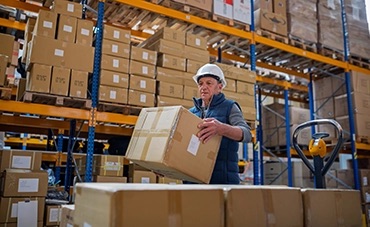
Whenever feasible, merge several purchases into a unified delivery – especially for loyal buyers or individuals purchasing various goods. Consolidated shipments minimize the total transit runs required for your parcels, helping to cut fuel usage and emissions.

4. Adopt electric vehicles and alternative fuels
Transitioning to EVs (electric delivery vehicles) or collaborating with logistics partners who deploy them can significantly reduce emissions, particularly for last-mile delivery. Alternative fuels for longer routes can also decrease dependency on fossil fuels.

5. Use AI-powered route planning
Smart route optimization tools use AI and real-time data to find the most efficient delivery paths – saving time, fuel, and emissions. This technology is increasingly accessible to SMEs and can have a big impact on operational performance.

6. Commit capital to carbon insetting
Unlike offsetting, which funds external environmental projects, carbon insetting concentrates on lowering emissions directly within your supply chain. This might include transitioning to greener distribution setups or optimizing warehouse operations – strategic choices that create long-term value and impact.

7. Make returns more sustainable
Returns are often overlooked – but they effectively double the environmental footprint of a single order. Clear product descriptions, size guides, and quality photos can reduce avoidable returns in the first place. When reversals are unavoidable, consider offering drop-off points or encouraging customers to bundle multiple returns into one shipment.
Sustainable shipping with DHL
When you team up with DHL Express, your sustainable shipping goals will receive a significant boost. Here’s how:
Minimize your emission with GoGreen Plus
The specialized GoGreen Plus service lets you cut the carbon footprint of your shipments by using Sustainable Aviation Fuel (SAF) – a renewable alternative to traditional jet fuel. SAF can reduce greenhouse gas emissions by up to 80% and is available on a shipment-by-shipment basis, making it ideal for SMEs and e-commerce businesses.
Deliver with electric vehicles
DHL is rolling out 80,000 EVs for last-mile deliveries by 2030, with 60% of its fleet set to run on electric. That means every domestic or international delivery service helps reduce road emissions – without compromising on the promise of fast international shipping.
Advanced packaging with OptiCarton
On average, 24% of an e-commerce package is empty space*. DHL’s AI-powered OptiCarton optimizes how boxes are filled, making shipments more efficient. The result? More eco-friendly shipments and lower transportation costs, enabling commercial brands to save money and reduce their environmental impact.
Ready to integrate sustainable principles into your local or global business?
To benefit from DHL’s GoGreen Plus service, make sure to open a DHL business account.


 Share
Share