


Ready to start delivering your products internationally? Great! It’s one of the best ways to expand your commercial reach, but figuring out the first steps can seem overwhelming.
Whether you’re dispatching your first overseas order or scaling an e-commerce operation, mastering the basics of cross-border shipping is essential. This guide breaks down the vital information you need – clearly and simply – so you can send packages with confidence and avoid common mistakes from day one.
How to ship products internationally: 7 key steps to remember

1. Prepare the documentation
To successfully clear customs during international transport, you’ll often need to provide specific information and documentation. For small businesses and start-ups – already juggling countless priorities – this process can feel overwhelming. However, taking the time to ensure your documentation and shipping details are accurate is essential to avoid delays, extra fees, or having your freight turned away at the border.
Primary examples of the required documents include:
Commercial Invoice: This records the specific details of the international transaction and the items being shipped, including (but not limited to) a detailed line-item goods description with the respective Tariff Classification Code (see point 2, “Classify your commodity”), the declared value and currency, weight, terms of sale, and other key metrics. Customs brokers use this crucial financial data to prepare the Customs Declaration which is submitted to Customs Authorities during the Customs Clearance process. It’s important to ensure that every detail on this invoice is complete and accurate, to avoid potential customs delays, or even fines and penalties imposed by Customs Authorities.
Air Waybill: This serves as the primary manifest for the cargo. The Air Waybill is attached to the exterior of the shipment, ensuring that handlers have immediate visibility of the logistics data.
Certificate of Origin: As the name suggests, this documents the manufacturing origin of the items for border agents. It indicates where the goods were manufactured – for example, “Made in China”. Not all international shipments require this form, so it’s important that you verify the export and import requirements before shipping. Whether this certificate is mandatory depends heavily on the destination country, the type of goods, and trade agreements, which should be verified before shipping.
For a comprehensive breakdown of the vital documentation needed for international logistics, explore this detailed guide.
2. Categorize your commodity
Each product sent internationally must be assigned a specific commodity code that describes exactly what it is. This is officially called a Tariff Classification Code – a globally recognized system used by border authorities across the globe.
For example:
A cotton T-shirt has a different Tariff Classification Code than a polyester version.
A lithium battery will have a different Tariff Classification Code than a mobile phone, even if they are dispatched in the same package.
These Tariff Classification Codes determine:
Duties and taxes (how much you or your buyer incurs at the border)
Import/export restrictions (as certain items demand unique permits)
Statistical data (used by governments to track trade)
You will need to include your merchandise’s Tariff Classification Code(s) on the Commercial Invoice for each of the items being shipped, ideally both the Export and Import Tariff Classification codes. Ensuring accuracy is imperative – incorrect tariff classification can lead to potential customs delays, or even fines and penalties. Using outdated or incorrect Tariff Classification Codes can result in miscalculated duties and taxes, leading to unexpected operational costs.

3. Package your products correctly
Ensuring high-quality packing is absolutely vital when sending merchandise abroad. Inadequate protection can trigger operational delays, damage, or even refused deliveries. Please note that certain goods carry strict containment guidelines (e.g., hazardous materials) that must be adhered to in order to comply with international shipping regulations.
Here’s how to safeguard your items effectively for global shipments:
Select an appropriate box. Use double-walled corrugated cardboard for heavier items or fragile goods. Match the box size to the contents; underfilled boxes can collapse, while overstuffed ones might burst. Eliminating excess void space will directly lower your overall transport fees.
Cushion your contents with materials like bubble wrap, foam peanuts, or air pillows – especially for delicate or high-value items. Confirm that everything remains completely stationary inside the box when you shake it.
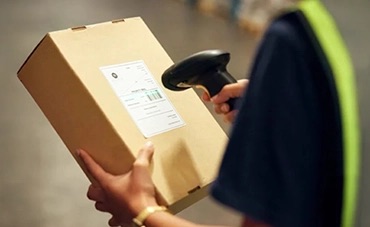
Attach the shipping label to the top of the box and make sure it’s clearly visible and securely affixed. Do not run adhesive strips over the barcode or address fields – it can interfere with scanning.
When shipping multiple express packages under one Air Waybill, affix the original Air Waybill to one package. Then affix copies to the other packages. Identify each unit sequentially based on the total number of boxes in the shipment, such as “1 of 3”, “2 of 3” or “3 of 3”.

4. Select the right DHL import or export service
DHL Express provides dependable, time-definite delivery services for both documents and goods – whether you're sending cargo internationally or importing products. With protected, door-to-door transit to and from over 220 countries and territories across the globe, you can choose the option that best fits your schedule – whether that’s early morning arrival or by the end of the business day.
You’ll also benefit from comprehensive status visibility, so you always know where your shipment is, from pickup to delivery.

5. Research denied parties
A fundamental requirement when moving goods internationally is ensuring you're compliant with applicable trade laws that prohibit/restrict transmitting freight to specific individuals or destinations. Strict corporate guidelines dictate that DHL Express does not accept Controlled Military Items into its network, nor will it handle cargo sent by or addressed to sanctioned entities listed by the UN Security Council, the European Union, the U.S., or any other applicable governmental denied or restricted party list under Trade Laws.
If you're new to global trade, this might not be something you've considered – but ignoring these regulations can trigger severe penalties, including shipment delays, fines, and even legal action. It is critical to execute proper internal screenings and stay updated on international trade sanctions and embargoes (Trade Laws).

6. Recognize restricted and prohibited commodities
Particular commodities face restrictions (or even outright prohibitions) when moving international shipping due to safety, legal, or regulatory reasons.
Understand the specific limitations: Items like lithium batteries, perfumes, and various electronic components may require special handling procedures or restrictions.
Secure the appropriate documentation: For restricted items, verify that you possess the mandatory permits or approvals before shipping, guaranteeing alignment with regulatory requirements.
Consult regulations: Refer to your shipping provider's guidelines and the origin and/or destination country's regulations to verify compliance.
You should also be aware of dual-use goods, which frequently trigger extra oversight. This is particularly relevant for items that can be utilized for both civilian and military applications.

7. Calculate costs
Understanding the full cost of international shipping is key to managing your budget. Multiple variables affect the final pricing of a delivery – and overlooking any of them could eat into your profit margins or lead to unhappy customers.
Here’s what to consider when evaluating your logistics costs:
Shipping rates: Determined by the packaging dimensions, weight, origin, destination, and service level.
Duties and taxes: These are imposed by the country’s Customs Authorities based on the Tariff Classification Code, declared value, type of goods, and other factors. DHL Express offers different billing service options, where you can choose to pay them yourself (DTP – Duties & Taxes Paid) or have the recipient pay (DTU – Duties & Taxes Unpaid).
Additional charges: Certain shipments might accumulate supplementary fees for hard-to-reach locations, fuel surcharges, oversized items, or special handling requirements.
DHL’s MyGTS platform (see below) assists businesses in projecting the anticipated financial impact of sourcing goods internationally. This total – known as the landed cost – includes not only the product price and shipping charges, but also customs duties, taxes, insurance, and additional charges, offering a realistic overview of the investment required to move inventory cross-borders.
By mapping out these projected figures beforehand, you can price your products appropriately and offer your customers transparent international shipping options.
MyGTS: your gateway to international shipping
The preceding overview outlines the essential prerequisites for shipping internationally. To streamline customs processing further, DHL Express has designed MyGTS (My Global Trade Services).
This complimentary, intuitive digital platform enables you to manage complex import and export rules seamlessly. You can log in with your existing DHL Express business account or register a new MyGTS account to access:
Pre-shipment Planner: A specialized tool engineered to guide your business through current import/export regulation while projecting total landed costs.
Support with Tariff Classification Codes: MyGTS suggests accurate harmonized system classifications matching your product descriptions. Search for these crucial tax identifiers using keywords or the built-in code directory.
Landed Cost Calculator: An advanced estimator built to refine your commercial margins and provide buyers with absolute clarity regarding transit fees—fostering deeper client loyalty.
Guidance on Import and Export Requirements: Gain clear visibility into international trade protocols prior to dispatching cargo, preventing costly custom hold-ups at borders!
Customs Documentation and Templates: Quickly access verified documentation layouts and operational forms that clear customs effortlessly. Shippers must maintain proper compliance audits to guarantee all files utilize the specific layouts and target languages mandated by customs authorities.
Product Catalog Feature: Organize an archived repository of your commodities details directly inside the application, allowing you to store historical queries, cargo profiles, and classification codes for accelerated future shipping.
It’s essential that you keep up to date with the import and export regulatory requirements of the countries where you ship from/to, and consult with customs experts or legal advisors when necessary to ensure compliance with the regulations.
Open a DHL business account today to enjoy fast international shipping and secure
the most reliable international express carrier to offer for all your international shipments.


 Share
Share