#LogisticsAdvice

How to Safely Ship Lithium, Dry, and Wet Batteries Worldwide

Vivien Christel Vella
Senior Global Digital Marketing Manager
8 min read
purple batteries

If your business ships products containing batteries internationally, it’s essential to follow proper packaging and shipping regulations to ensure safe, damage-free, and delay-free delivery. Read on for a simple guide.

What are the types of batteries? 

Batteries are a critical component in many modern devices, powering everything from smartphones to electric vehicles. There are many types of batteries that have different requirements when you wish to mail or ship them internationally: 

Wet batteries, also known as flooded lead-acid batteries, are commonly found in vehicles and backup power systems. They contain a liquid electrolyte solution, typically sulfuric acid, which enables the chemical reactions necessary to generate electricity. These batteries are known for their affordability and ability to provide high currents.

Nickel-metal hydride (NiMH) batteries are rechargeable batteries often used in portable electronics and tools. They offer a higher energy density than alkaline batteries, meaning they can store more energy in the same space. NiMH batteries are known for their long cycle life and relatively low self-discharge rate, but they can be more expensive than other types.

Dry or alkaline batteries are the most common type of consumer batteries used in everyday devices like remote controls, toys, and flashlights. They use a paste-like electrolyte, usually potassium hydroxide, which makes them more portable and less prone to leakage than wet batteries. Alkaline batteries are available in various sizes and offer a good balance of performance and cost.

Wet batteries, also known as flooded lead-acid batteries, are commonly found in vehicles and backup power systems. They contain a liquid electrolyte solution, typically sulfuric acid, which enables the chemical reactions necessary to generate electricity. These batteries are known for their affordability and ability to provide high currents.

Can You Ship Batteries Safely?

Shipping batteries safely requires understanding that not all battery types carry the same level of risk. Lithium-ion and lithium-metal batteries, for example, are considered higher risk due to their high energy density and potential to overheat or catch fire. As a result, strict international regulations govern the shipping of lithium batteries.

These regulations outline specific requirements for packaging, labeling, and documentation to ensure safe handling and reduce the risk of incidents during transit. Improperly packaged lithium batteries can ignite and cause fires that are difficult to control, posing serious risks to transport workers and public safety.

Other battery types, such as alkaline and nickel-metal hydride (NiMH), are generally safer to ship but still require appropriate packaging to prevent damage or short circuits. It’s also important to note that damaged or defective batteries are prohibited from shipping due to the heightened safety risks they present.

Shipping different types of batteries 

There are many considerations and international regulations to adhere to when it comes to shipping batteries internationally. From lithium, dry cell alkaline ,, and nickel-metal hydride to wet cell batteries, each type has unique characteristics and potential hazards, necessitating specific packaging, labeling, and handling procedures to ensure safe transportation. 

How to pack and ship lithium batteries 

Though widely used, lithium ion and lithium polymer batteries are classified as Dangerous Goods by the International Air Transport Association (IATA) as they're highly flammable,  react sensitively to environmental factors, and can cause fires if damaged.  

When shipping goods that include lithium batteries, you are legally responsible for ensuring those shipments comply with the IATA Dangerous Goods Regulations. 

Packaging must include the appropriate handling labels as required by lithium battery shipping regulations. All the necessary documentation, such as a lithium battery shipping declaration or a Material Safety Data Sheet (MSDS) must also be included. 

If the lithium battery is installed in the equipment it powers: 

  • Ensure the device is completely turned off and cannot be accidentally activated during transit. 
  • Protect the device with sufficient cushioning (e.g., bubble wrap or foam) to prevent movement and damage. 
  • Use a sturdy outer packaging, such as a double-walled cardboard box, to secure the device. 

If the lithium battery is packed with the equipment but not installed: 

  • Follow the same steps as above for the equipment. 
  • Place the battery in inner packaging (e.g., a sealed plastic bag) to prevent short circuits. 
  • Secure the battery to the equipment or within the packaging to prevent movement. 

If you're shipping lithium batteries alone: 

  • Each battery must be individually packaged in inner packaging to prevent short circuits. 
  • Place batteries in a rigid outer packaging, ensuring they cannot move or come into contact with each other. 
  • Use cushioning material to fill any empty spaces within the packaging. 

How to pack and ship dry batteries and nickel-metal hydride batteries 

Dry cell batteries—such as alkaline, zinc-carbon, and nickel-cadmium—are sealed and non-vented, making them less prone to leakage during transport. Nickel-metal hydride (NiMH) batteries operate in a similar way but typically offer higher capacity.

Although these battery types are not regulated as strictly as lithium batteries, there are still important international shipping guidelines to follow. Proper packaging, handling, and compliance with relevant regulations are essential to ensure safe and efficient delivery.

The safest way to ship batteries is within the device they power. Ensure terminals are protected (e.g., with tape or caps) and pack the device to prevent accidental activation. 

If shipping multiple loose batteries, protect each battery's terminals with individual packaging (e.g., plastic bags or caps), and separate batteries within the box using non-conductive (e.g. cardboard) dividers.

Fill all empty spaces within the box with cushioning material like bubble wrap or packing peanuts to prevent batteries from moving and potentially short-circuiting. 

Choose a strong, double-walled box or container to hold all the contents securely.  Seal the outer box with plenty of strong tape, and attach the correct shipping label clearly to the outside. For dry and nickel-metal hydride batteries, this will typically be a standard shipping label. 

If you're shipping alkaline batteries specifically, remove them from the devicee keep them in their original packaging if possible, and wrap each battery individually before placing them in a double-walled box. 

How to pack and ship wet batteries 

A wet cell battery is the original type of rechargeable battery, and thus has a longer shelf life than dry cell batteries. Wet cell batteries get their power from a liquid electrolyte and generate gases, meaning they must be vented and kept upright during transportation to avoid leakage. 

Like lithium batteries, there are strict regulations to follow when shipping wet batteries internationally. 

An IATA Dangerous Goods label must be attached, along with the correct UN number and shipping name for the particular type of batteries.You must also complete a Dangerous Goods Shipper's Declaration, detailing the contents and potential hazards of the shipment. 

Use a strong, rigid outer box or container made of corrugated cardboard or other durable material. It must meet UN specifications for shipping hazardous materials and have an acid/alkali leak-proof liner. 

If you're shipping multiple wet batteries, enclose each in its own leak-proof container (e.g., a sealed plastic bag or container) with absorbent material, such as vermiculite or acid-absorbing pads.

Separate them within the box using non-conductive dividers (e.g., sturdy cardboard or foam) to prevent them from touching and potentially short-circuiting. 

Fasten the batteries securely in place within the box using packing materials like bubble wrap or foam.  Ensure any vent caps are facing upwards to allow for the release of gases and prevent pressure build up. 

Fill all remaining empty spaces within the box with cushioning material like bubble wrap or packing peanuts to prevent batteries from moving and potentially causing damage.

Seal the outer box with heavy-duty packing tape, ensuring all seams and edges are completely covered.  

Battery shipping regulations 

Recalled, damaged or defective lithium batteries 

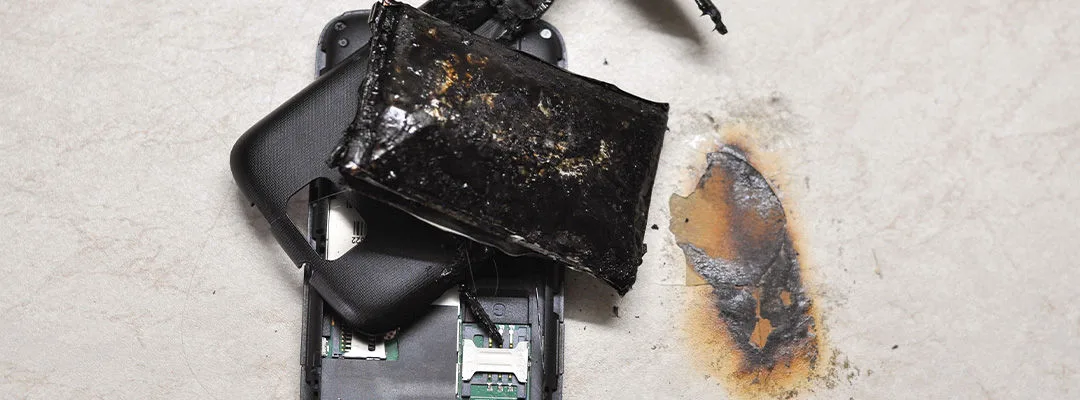
Shipping damaged or faulty batteries can be extremely dangerous, with the risk of fire, smoke and fumes. For this reason, any battery that is suspected or known to be defective (swelling, corroding or leaking, for example) is not permitted for shipping within the DHL Express network. 


State of charge 

When you're shipping lithium-ion batteries by air, it's essential to follow specific regulations regarding their state of charge (SoC). The SoC, which reflects the battery's charge level compared to its full capacity, must not exceed 30% during transit. It's your responsibility to ensure compliance with this rule, as exceeding the limit can lead to safety risks. 

Liability When Shipping Lithium Batteries

When shipping lithium batteries, the shipper is fully responsible for ensuring safe and compliant transportation. This includes adhering to all applicable regulations, such as UN3480 and UN3481 requirements.

Failure to comply with international and local shipping regulations can result in serious consequences, including fines, penalties, and legal liability in the event of accidents or safety incidents. To minimize risk, it is essential to understand and strictly follow both UN and IATA guidelines for lithium battery shipping.

Documentation required to ship batteries internationally 

If you're shipping batteries internationally, it's important to be familiar with the regulations that apply. Some types, like lithium batteries, are considered Dangerous Goods, meaning they need special care when packing and labelling to ensure safe transportation. Failing to declare or properly pack these batteries can lead to serious safety risks. Other batteries may be classified as restricted, which means there are specific rules about what types and how many you can send in a single shipment.  


Tips for shipping batteries 

Keep devices turned off and cover switches 

It might sound obvious, but when shipping batteries within devices, make sure they are completely powered down and take steps to prevent accidental activation. This may involve taping over power switches or removing batteries and packing them separately. This is crucial to prevent short circuits and potential fires during transit. 

Label the shipment correctly and complete the required documentation 

Make sure your package is clearly labeled with the right warnings, especially when shipping lithium batteries. These shipments require specific hazard labels and markings to keep everyone safe. Don’t forget to complete the necessary paperwork, like Material Safety Data Sheets (MSDS) and Shipper’s Declarations, as outlined by lithium battery shipping regulations. Proper labeling and documentation not only help you stay compliant, but also ensure that everyone handling your package knows what’s inside and can take the right precautions along the way. 

Simplify cross-border battery shipping with DHL 

Shipping batteries internationally can be complex due to strict regulations, safety requirements, and documentation. Fortunately, you don’t have to manage it alone. DHL Express offers expert support to help businesses navigate every step of the process.

With extensive experience in handling dangerous goods, DHL Express ensures your battery shipments are transported safely and in full compliance with international regulations, regardless of destination.

Based on your shipment type and destination, their team can guide you through the necessary paperwork, eliminating uncertainty and reducing delays. In addition, the MyDHL+ platform streamlines the entire process—from obtaining quotes and scheduling pickups to tracking shipments and locating service points.

Ready to simplify your international shipping operations? Open a business account today and take the hassle out of cross-border battery shipping.