

1 - Cision PR Newswire, March 2021
2 - Shopify, December 2021
3 - McKinsey, AI Multiple, January 2023
4 - Wakefield Research, Supply Chain Dive, April 2023
5 - Stream
6 - OptimoRoute

Your logistics strategy shapes a large part of the customer experience. Learn how to optimize it to deliver the right products to the right customers at the right time—while reducing costs.
Logistics is the planning framework that enables businesses to store and transport goods to customers. It includes procurement, inventory management, warehousing, distribution, transportation, packaging, and risk management.
For SMBs—especially in e-commerce—logistics is essential for cutting costs, staying competitive, and ensuring on-time delivery.
Logistics is often confused with the supply chain, which refers to the broader flow of goods and materials before they reach your business.
Supply chain: the bigger picture—covering sourcing and procurement of raw materials, production of finished goods, and their distribution. This is often largely outside your direct control.
Logistics: the part you control—focused on packaging, transportation, inventory management, and storage of your products and supplies.
Logistics plays a critical role in business performance. Research shows that over 60% of US and European companies lost up to 20% of revenue in 2020 due to logistical disruptions—highlighting how vital an optimized logistics strategy is, especially for SMBs and startups with tight margins.
It also has a direct impact on customer experience. For example, 37% of online shoppers will switch to another brand after encountering an out-of-stock item. From inventory management and transportation to packaging and delivery, every aspect of logistics influences customer satisfaction—making it essential to get it right.
Logistics management is the strategic side of logistics, involving the procurement, movement, and storage of materials, parts, and finished inventory (goods and services) from their point of origin to point of consumption.
The ‘Seven Rs’ is a popular way to define the goal of logistics management:
Get all of these, well, right, and your business will stay competitive.
First, you need to establish your goals in order to find the best paths to reach them. They may be:
…or most likely a combination of all! For SMBs and startups where profit margins are already very small, reducing costs is often a priority.
It’s perhaps unsurprising that artificial intelligence (AI) will play a big part in optimizing your logistics. According to a study by McKinsey3, AI has helped businesses improve logistics costs by 15%, inventory levels by 35%, and service levels by 65%. Let’s take a look at how automated technology can be applied to some of your key logistics features.
In a survey by Wakefield Research, 73% of retailers said they struggle with inventory demand forecasting, whilst 65% said they have difficulty tracking inventory through their supply chain4.
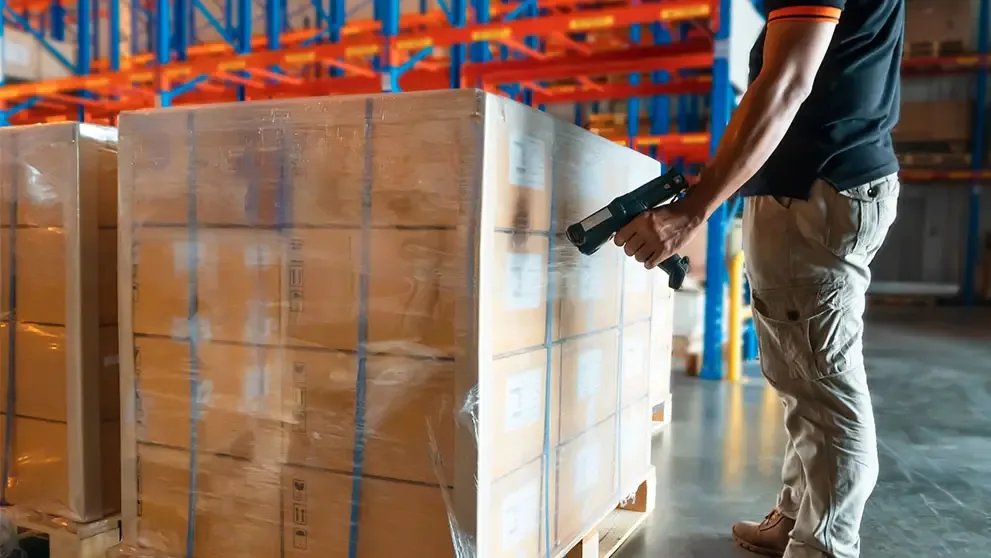
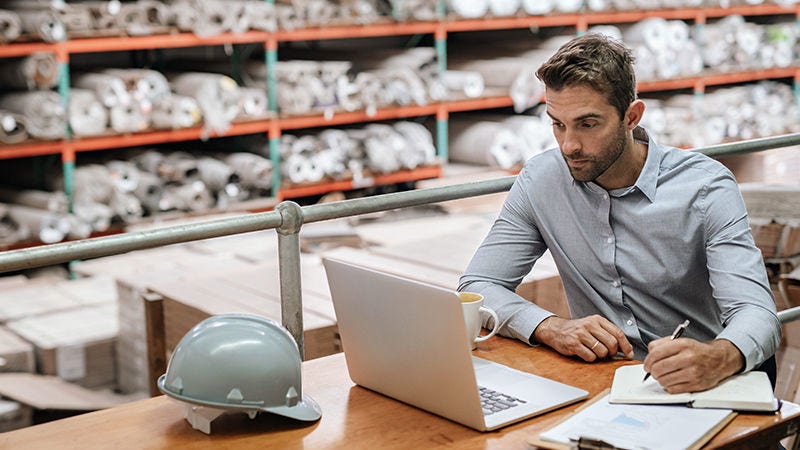
Automating your inventory management is crucial to meeting your lead time and fulfilment KPIs. By integrating inventory management software, you can:
Your products must be stored, packed, and shipped consistently from your warehouse or distribution center to ensure they reach customers in perfect condition. Here are some key tips:
Track your picking accuracy rate—the percentage of correct orders out of total orders. Incorrect shipments lead to costly returns and lost repeat business, so monitoring this metric helps you set clear KPIs and drive improvements.
Optimize your warehouse layout. Position best-selling items close to picking, packing, and shipping areas to reduce travel time and increase efficiency. Use sales data and plan ahead for peak periods to allocate space for high-demand inventory.
Embrace automation. DHL’s benchmark Logistics Trend Radar – now in its sixth edition – tips indoor mobile robots as an innovation set to transform the industry in the near future. These robots use real-time path planning to find the most efficient routes around warehouses to reduce costs in order fulfilment. Could they be right for your business?
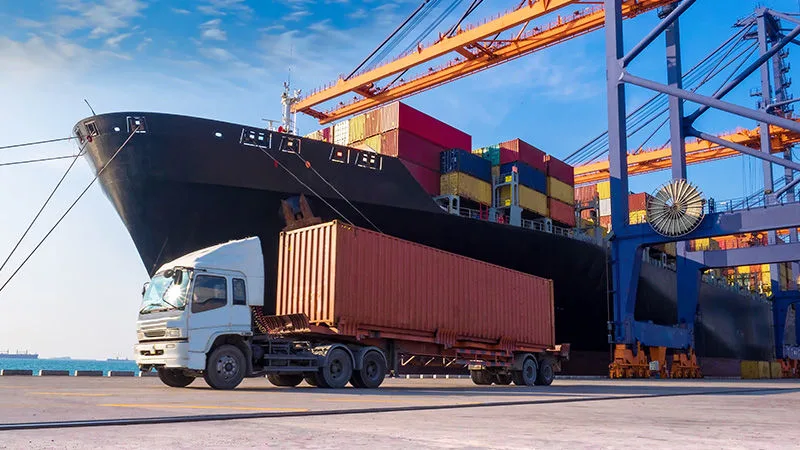
Transportation is a major logistics cost, so even small improvements can deliver significant savings. Track metrics like average delivery time and on-time delivery rate to identify inefficiencies and areas for improvement.
If you manage deliveries with your own fleet, route optimization software is key. Tools like Stream and OptimoRoute help plan and schedule the most efficient routes using real-time traffic data, delivery locations, total route times, and vehicle capacity—ensuring faster deliveries while reducing costs.
Sending your products out to customers in excessive and unnecessary packaging will not only lose you sustanability points, it will also cost your business money. Well-packaged products will take up less space in your warehouse and during transportation, so, remember, less is more!
Your Order Accuracy rate is the metric to pay attention to here. Failed delivery attempts will cost your business money, increase your transport emissions, and lead to unhappy customers. The solution is to offer your customers plenty of delivery options at checkout so that they can choose the one which is most convenient for them. Allowing them to select a two-hour delivery timeslot on their chosen day, the option to leave the package with a neighbor or in a safe space, or deliver to a parcel locker, are all examples that will improve your first-time delivery success rate.
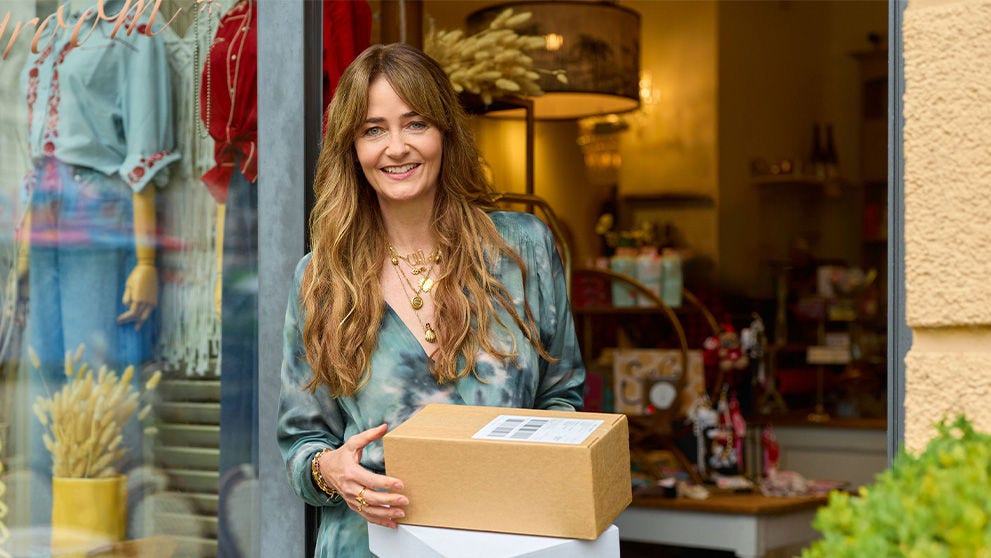
Though many large businesses will handle their logistics in-house – for example, owning transportation vehicles and warehouse facilities – smaller businesses often have to outsource their operations to meet customer demands.
The scale ranges from first-party logistics (1PL) – which involves just two parties, the goods and the customer, e.g., a flower shop delivering to its customers using its own vans – to 5PL, an innovative solution which has emerged in recent years to meet the increasing demands of the e-commerce sector.
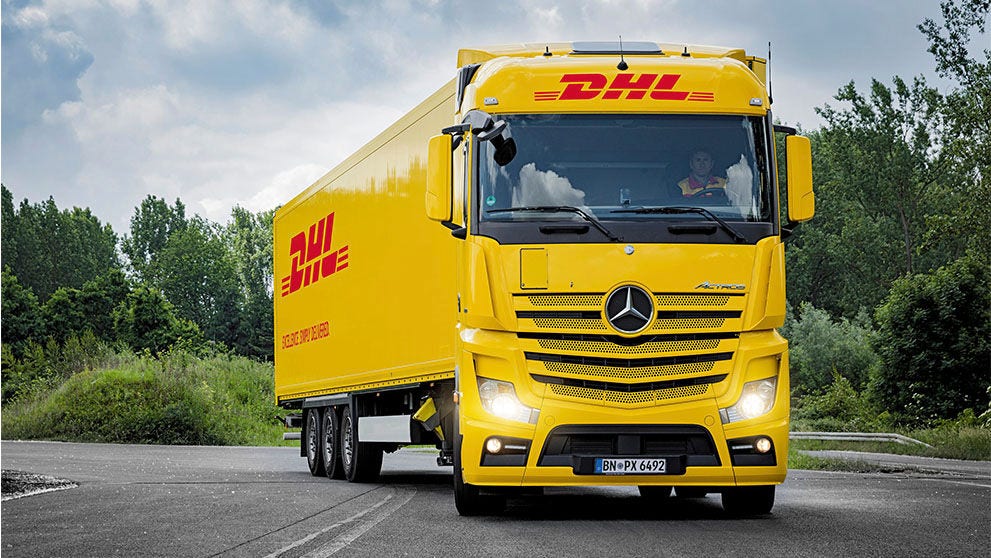
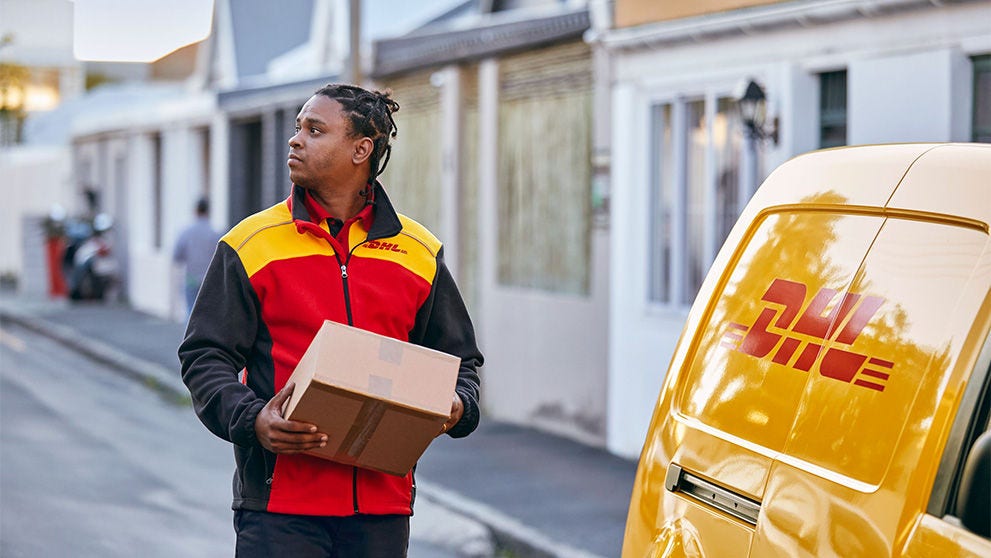
Logistics leader DHL offers a range of solutions to meet the needs of SMBs and e-commerce businesses, including 360 fulfilment covering picking, packing and delivery. Those partnering with DHL also benefit from the company’s regional distribution networks which can help them meet same and next-day delivery promises at competitive rates.
To explore exactly what each of the PL models entail – and identify the right one for your business’s needs – check out our dedicated guide.
Logistics nodes are points where goods are received, stored, or dispatched. These can include physical locations like warehouses, distribution centers, transportation hubs, and retail stores that act as key hubs in the movement of products.
Nodes can also be virtual, such as online ordering systems, software platforms, or data warehouses. Both physical and virtual logistics nodes are essential for maintaining an efficient flow of goods and services across the supply chain.
Today, more than ever, businesses like yours are looking for more agile and flexible supply chains. Driven by customer demands, tighter timelines and more digital transactions, new technology like superfast 5G is rapidly digitalizing the world of logistics. Here are 5 ways 5G can help your logistics and potentially supercharge your productivity.
Discover how DHL can help your business optimize its logistics by speaking to one of our experts. Begin your journey, here.
1 - Cision PR Newswire, March 2021
2 - Shopify, December 2021
3 - McKinsey, AI Multiple, January 2023
4 - Wakefield Research, Supply Chain Dive, April 2023
5 - Stream
6 - OptimoRoute


 Share
Share