The 5 critical logistics processes
Every logistics process is a series of interconnected steps. When these functions are harmonized, they create a resilient logistics strategy that can withstand market fluctuations.
Procurement
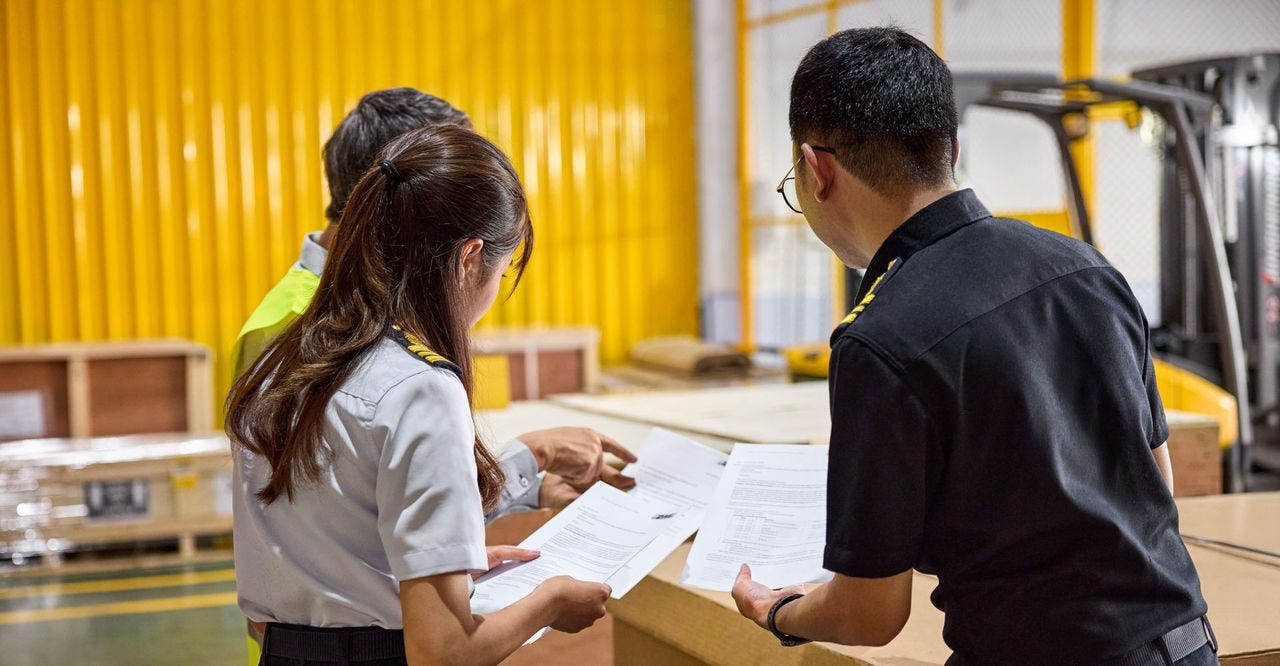
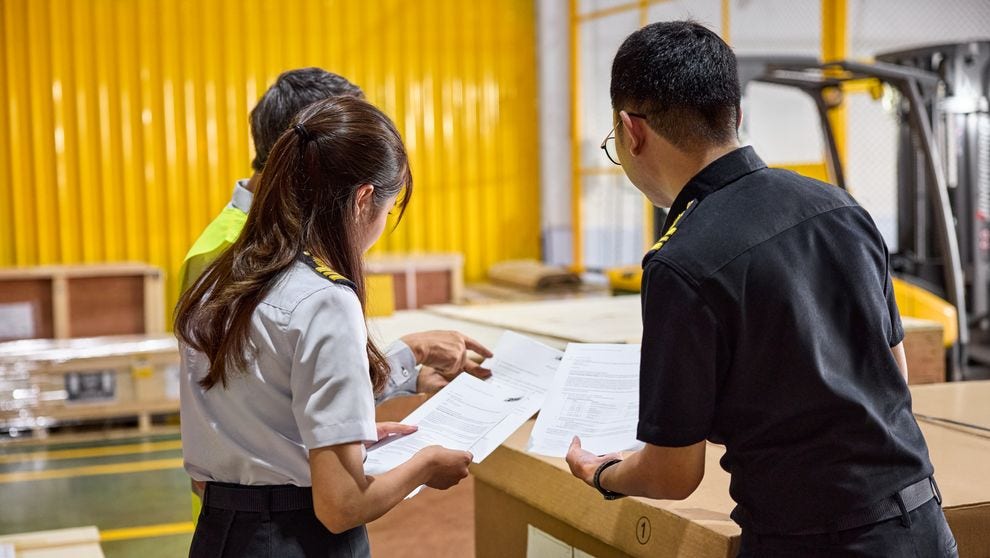
Procuring the right materials at a competitive cost is the foundation of a stable logistics process. Strategic sourcing ensures that production lines never halt due to shortages, protecting your business from costly downtime and market volatility.
Example: An Indian manufacturer of automobile components used DHL Express to rush-import a specialized calibration tool from Germany, preventing a total production halt and saving thousands in potential lost revenue.
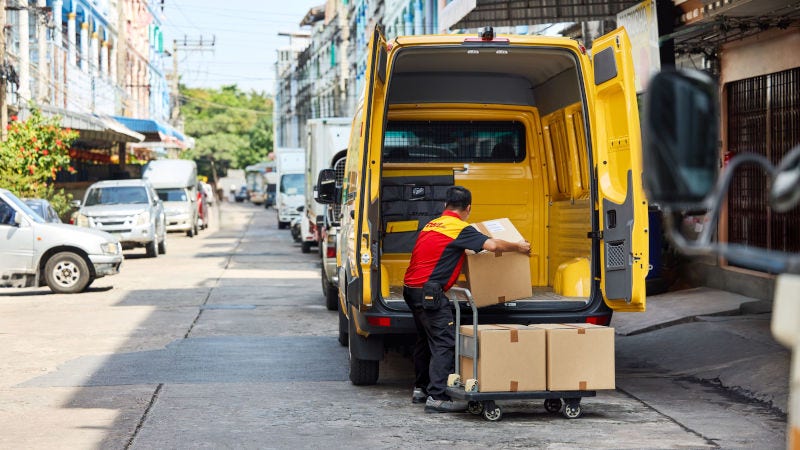
Transportation
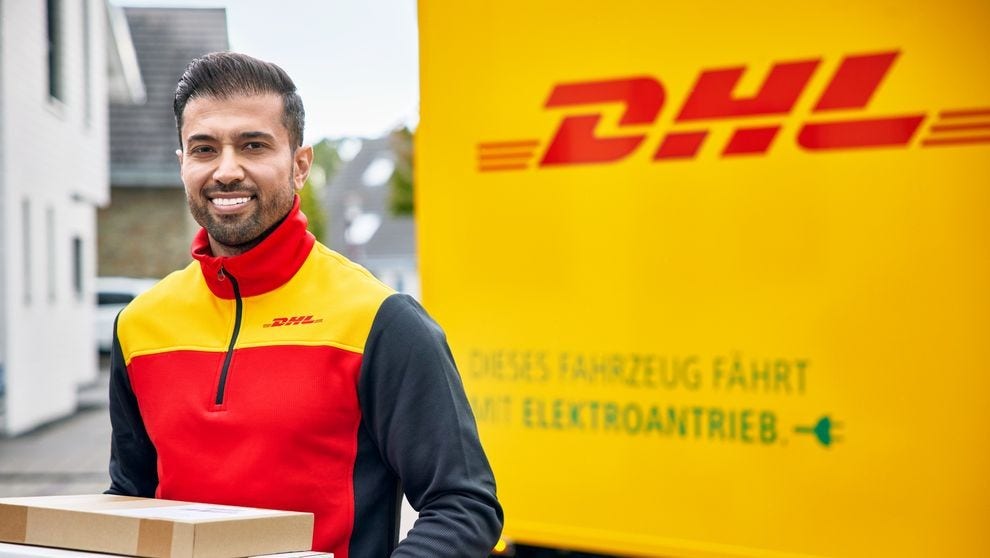
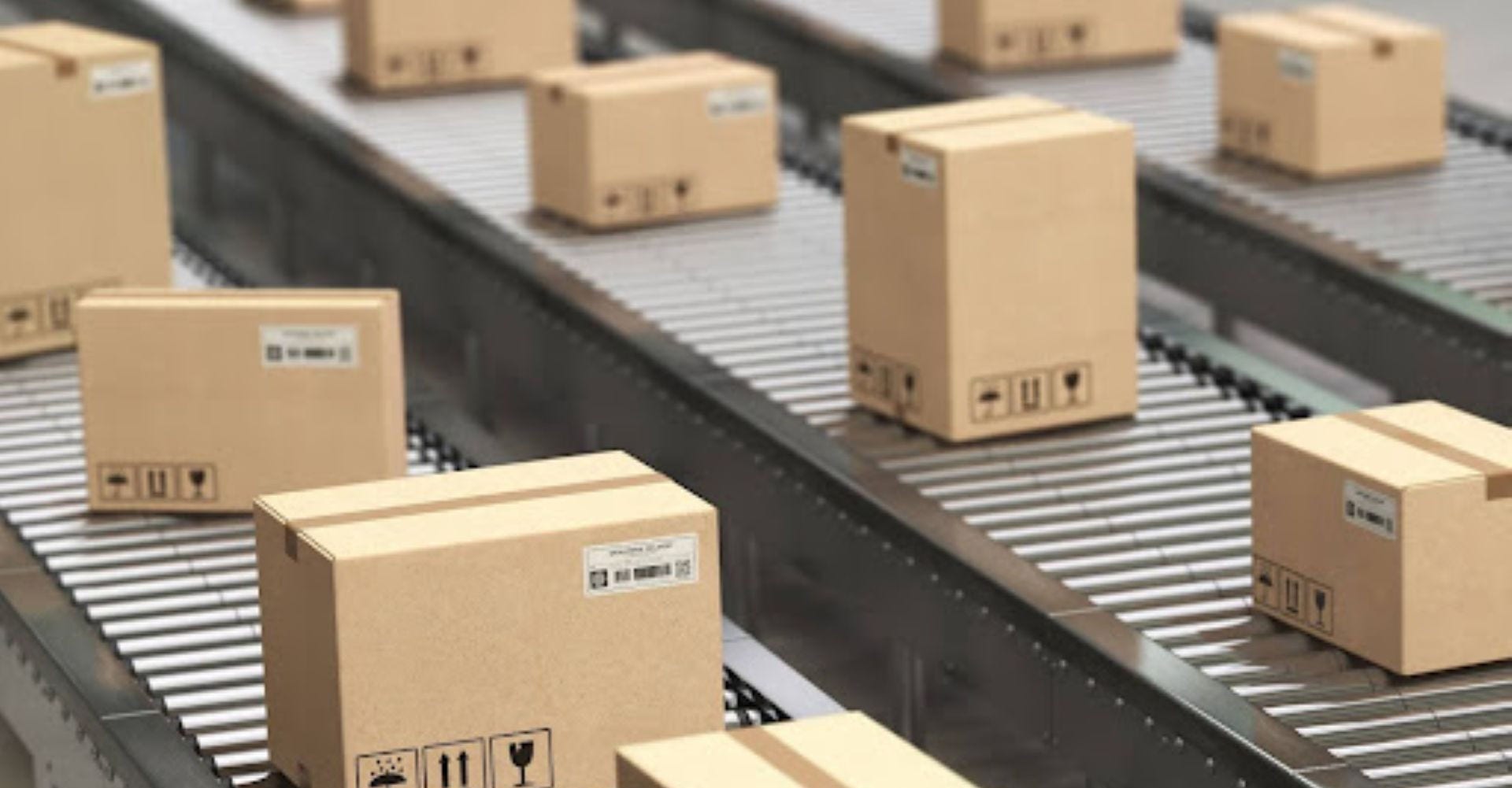
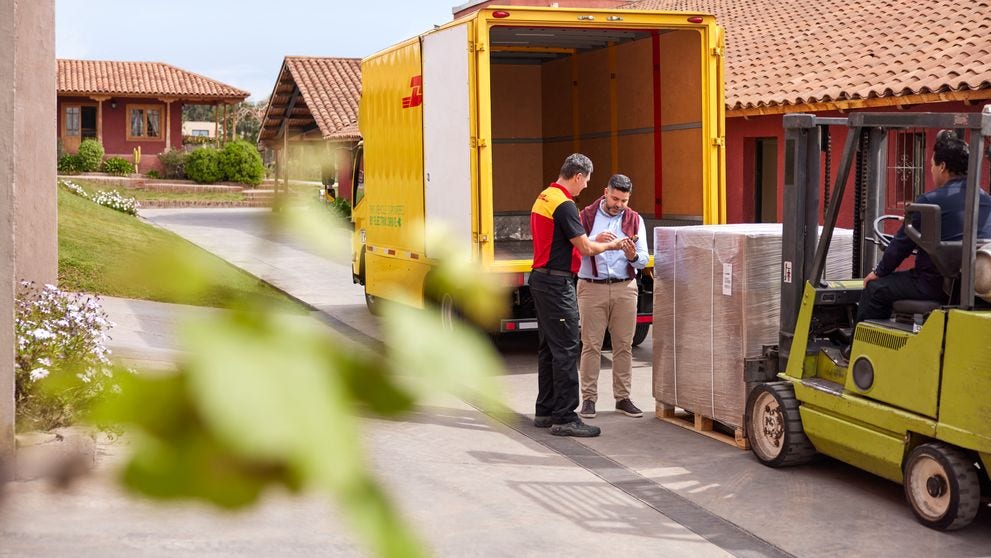
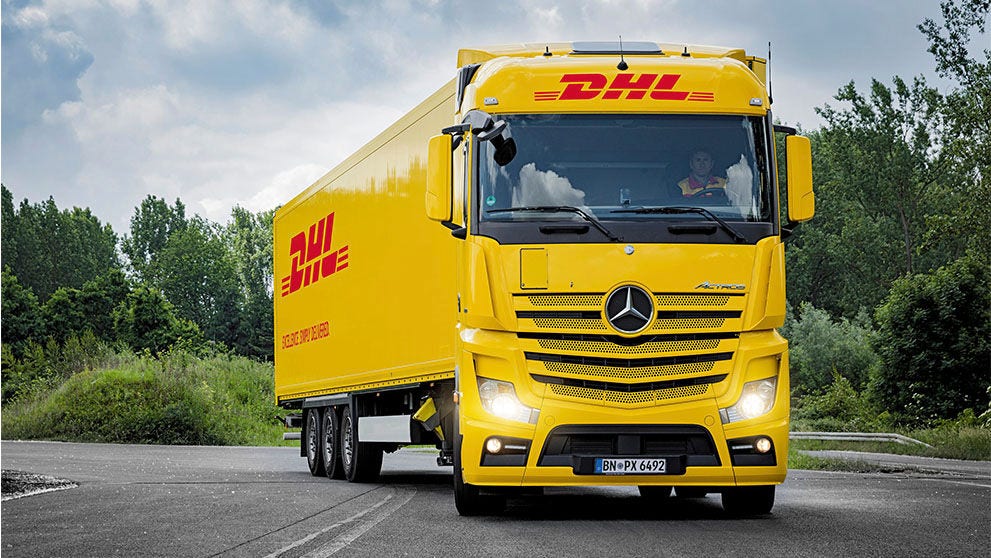
Selecting the optimal mode of transport—air, sea, road, or rail—is a balance of lead times and budget. In shipping from India, choosing the right speed ensures you meet customer expectations without overspending on unnecessary freight costs.
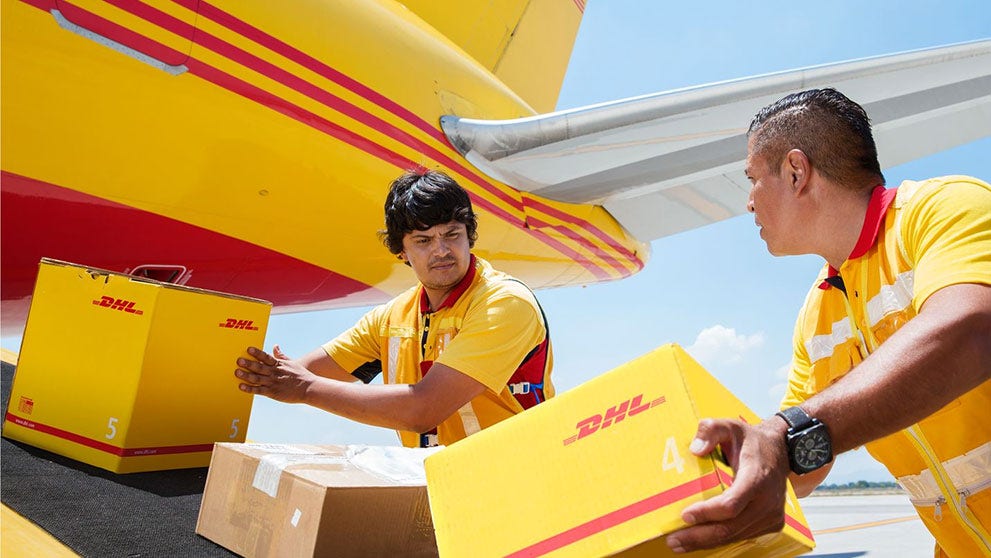
Example: To bypass recent port congestion, a textile exporter used the DHL Boeing 777F fleet to ensure a high-priority shipment from Surat reached New York in just 48 hours.
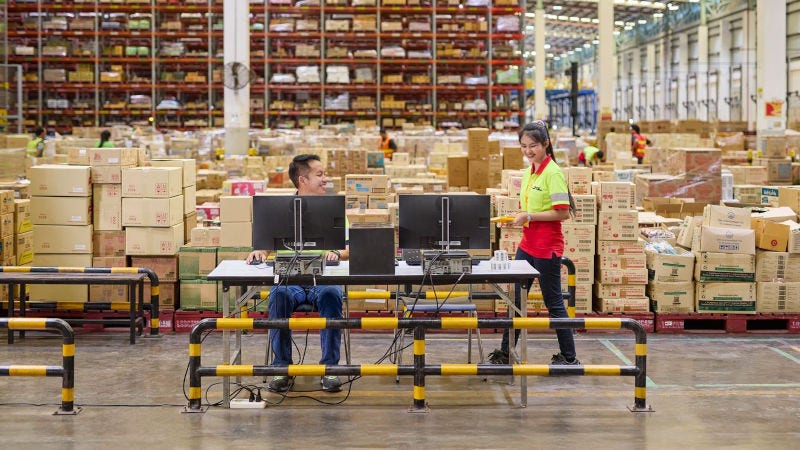
Warehousing
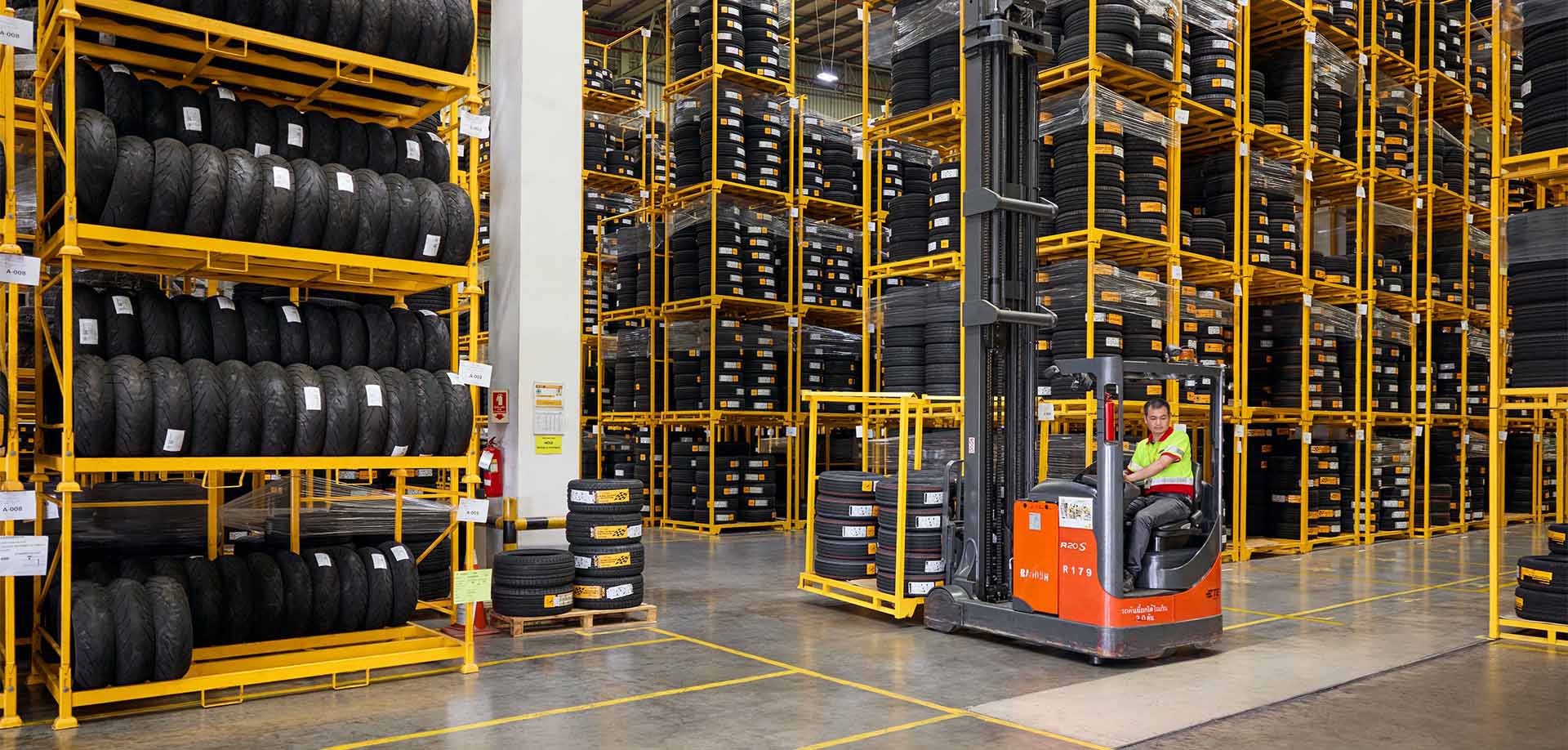
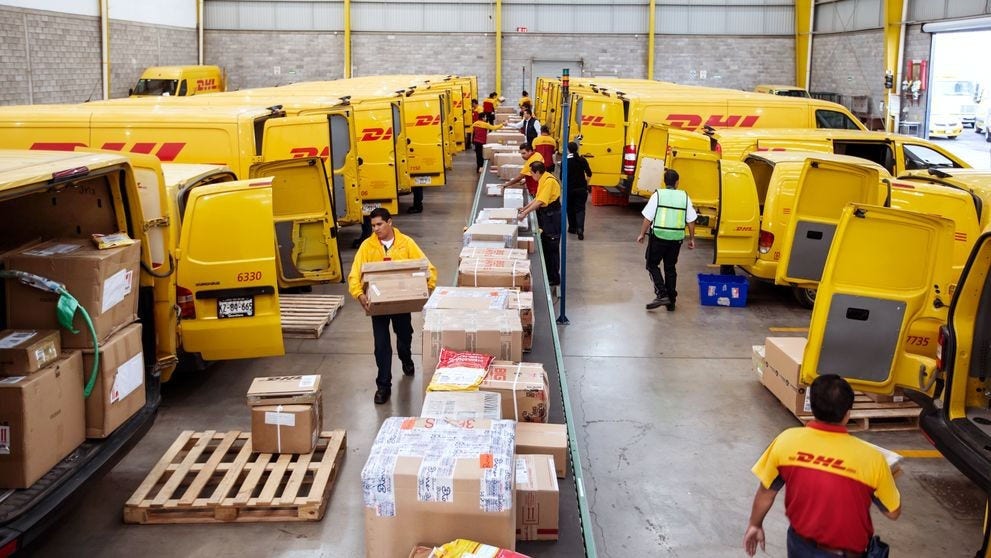
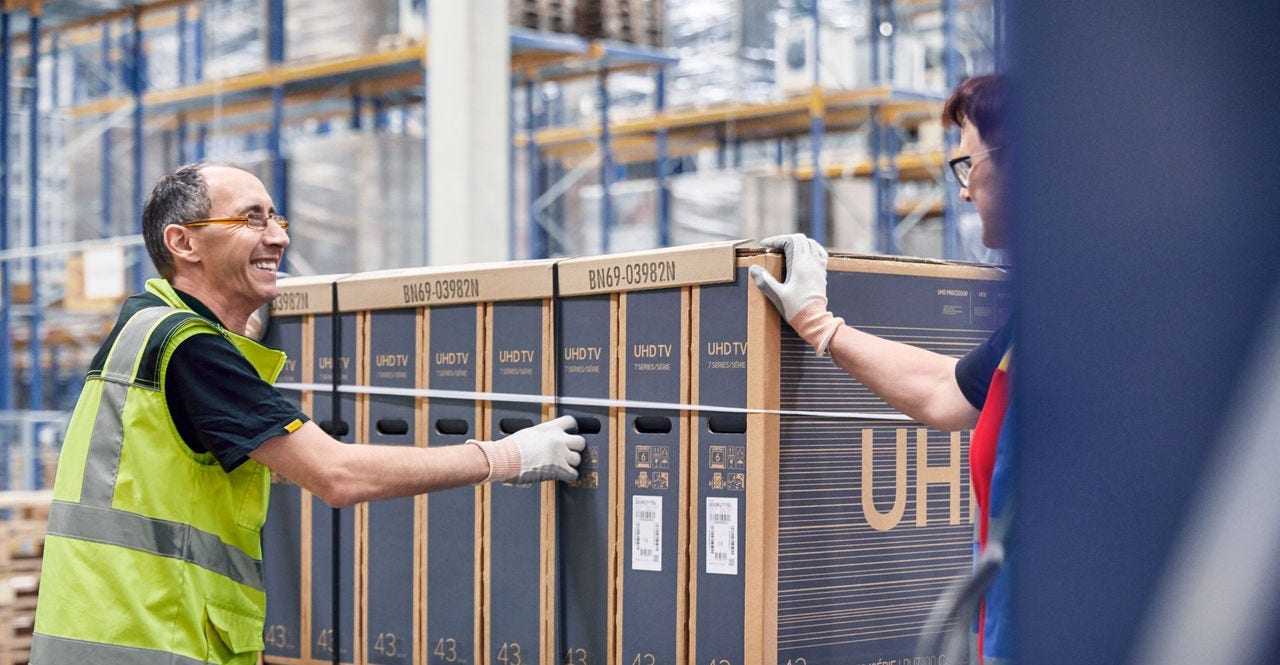
Effective warehousing involves more than just storage; it is about ensuring goods are safe and quickly accessible. Strategic placement of inventory reduces the time it takes to move products from your shelves to your customers.
Example: Several businesses use DHL’s Free Trade Warehousing Zones (FTWZs) in India to store imported goods duty-free, paying applicable taxes only when the goods are needed for local distribution.
Inventory management
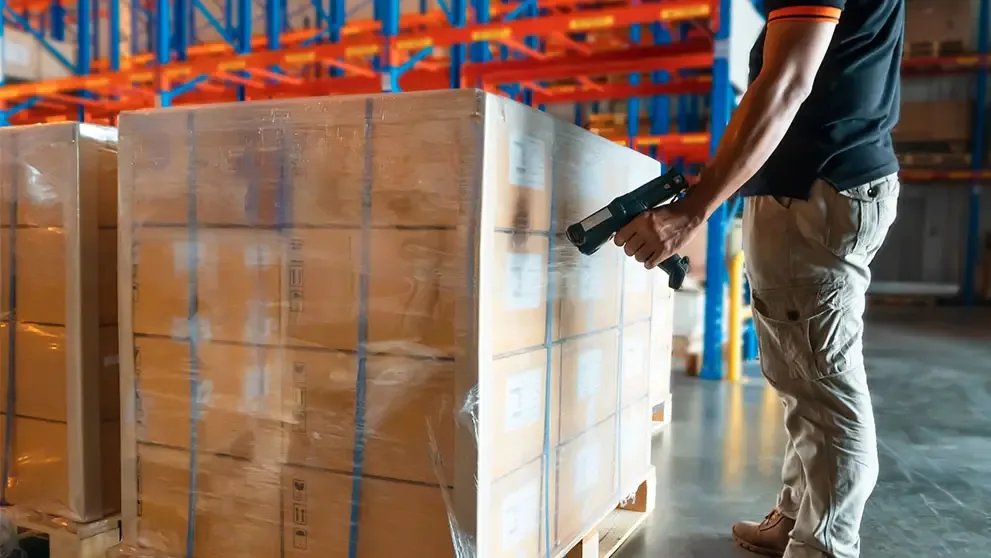
Balancing stock levels is a delicate act. You must maintain enough inventory to prevent "out-of-stock" messages while avoiding the capital-draining costs of overstocking. This is where knowing how to optimize your logistics strategy becomes a competitive advantage.
Example: An Indian electronics manufacturer utilizing DHL Express historical transit data to synchronize their shipment arrivals for the Christmas peak season. By timing their inventory influx to global distribution centers perfectly, they ensure maximum availability for international retailers without incurring long-term storage cost.
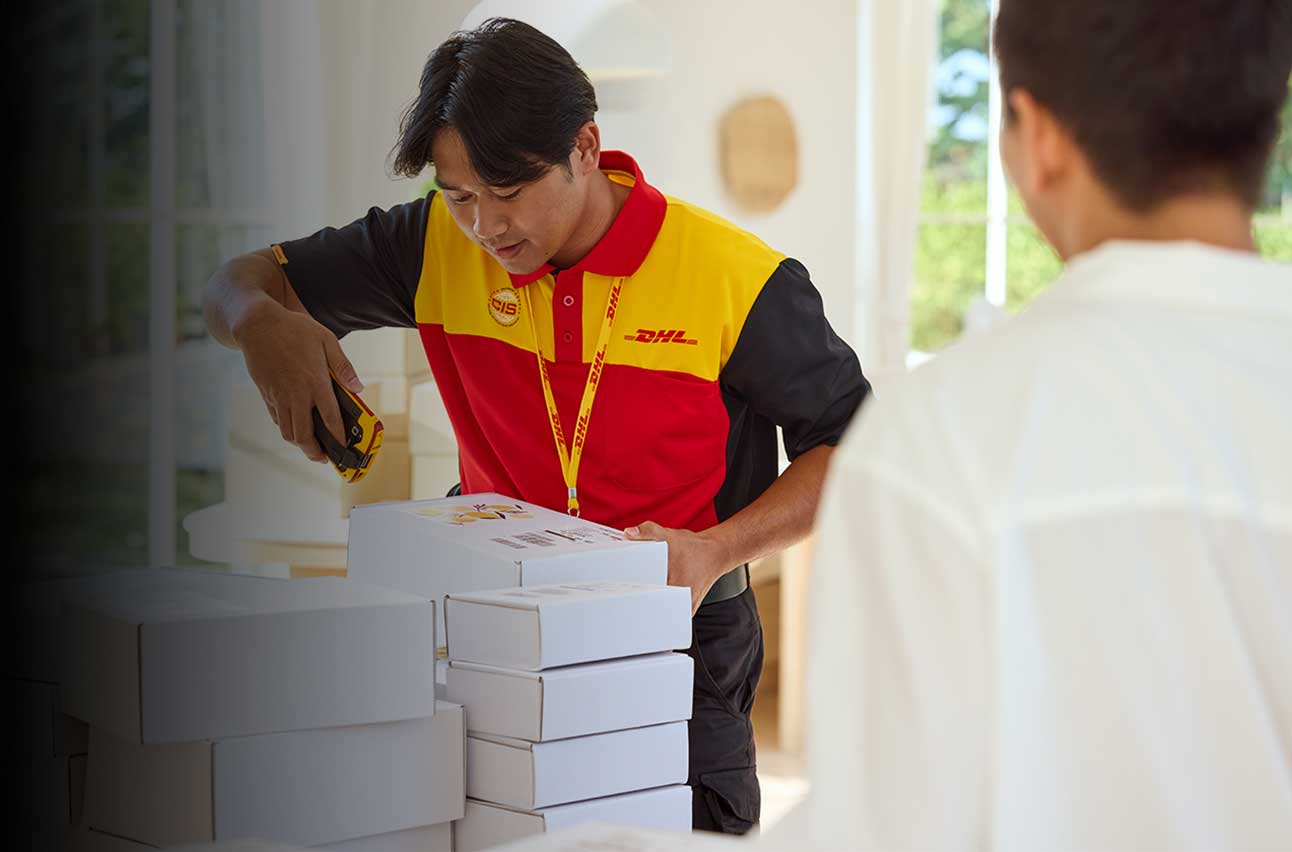
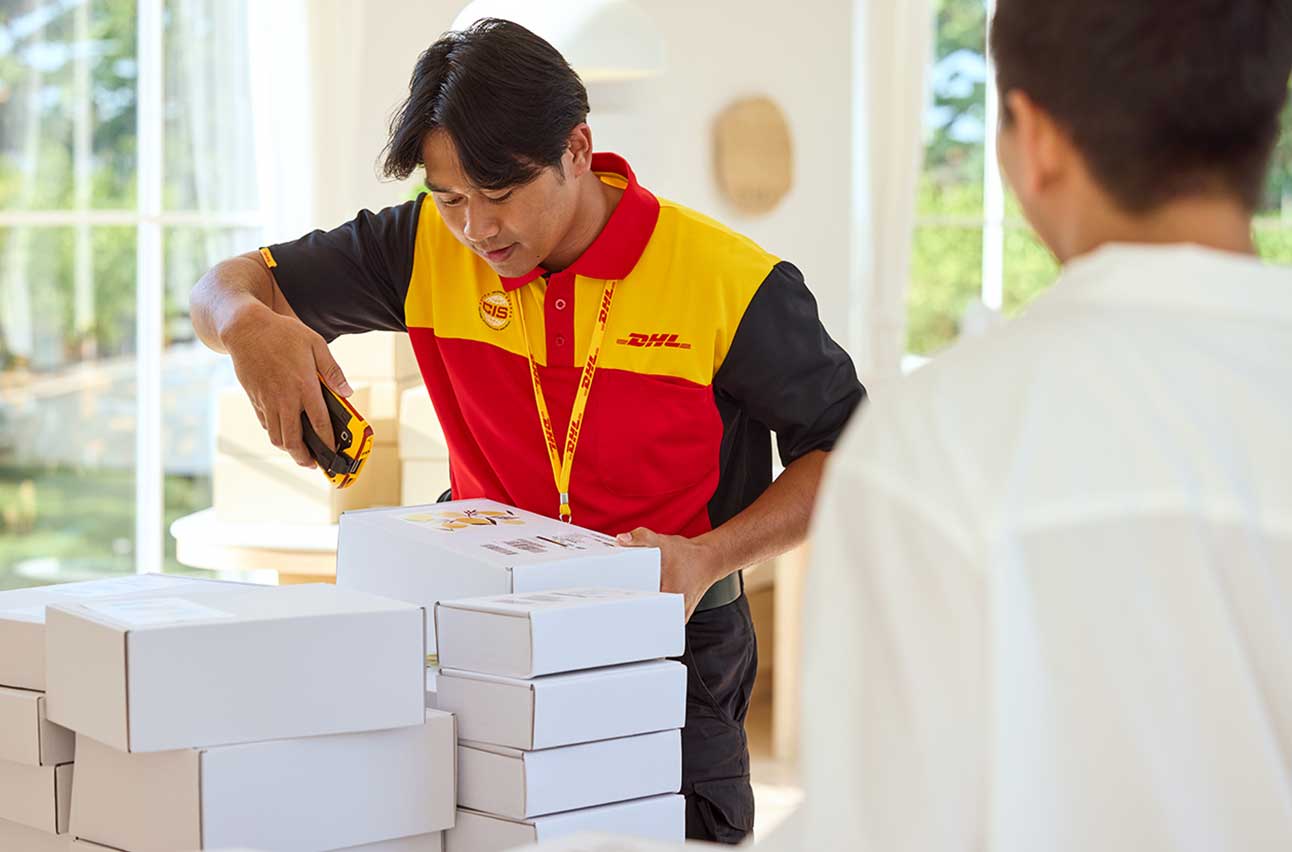
Order fulfillment
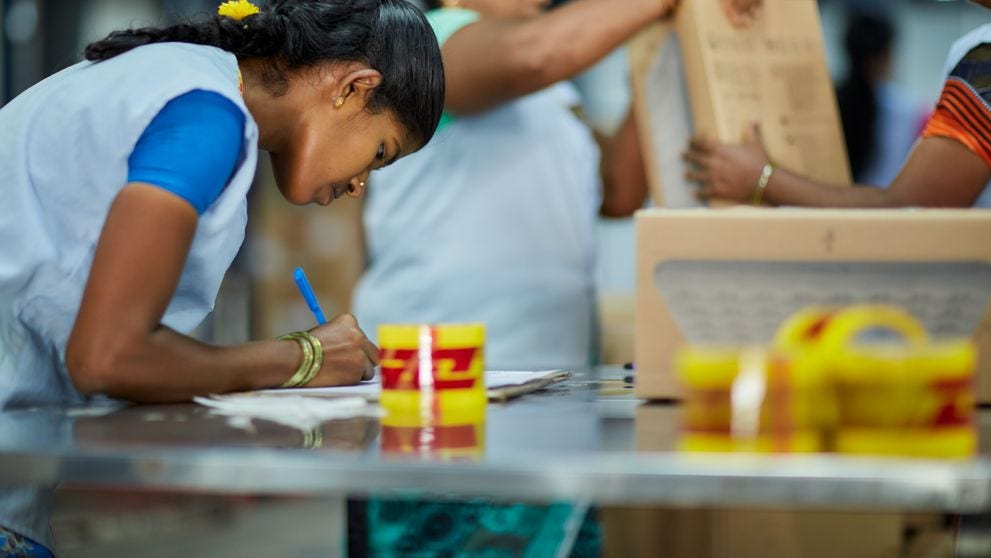
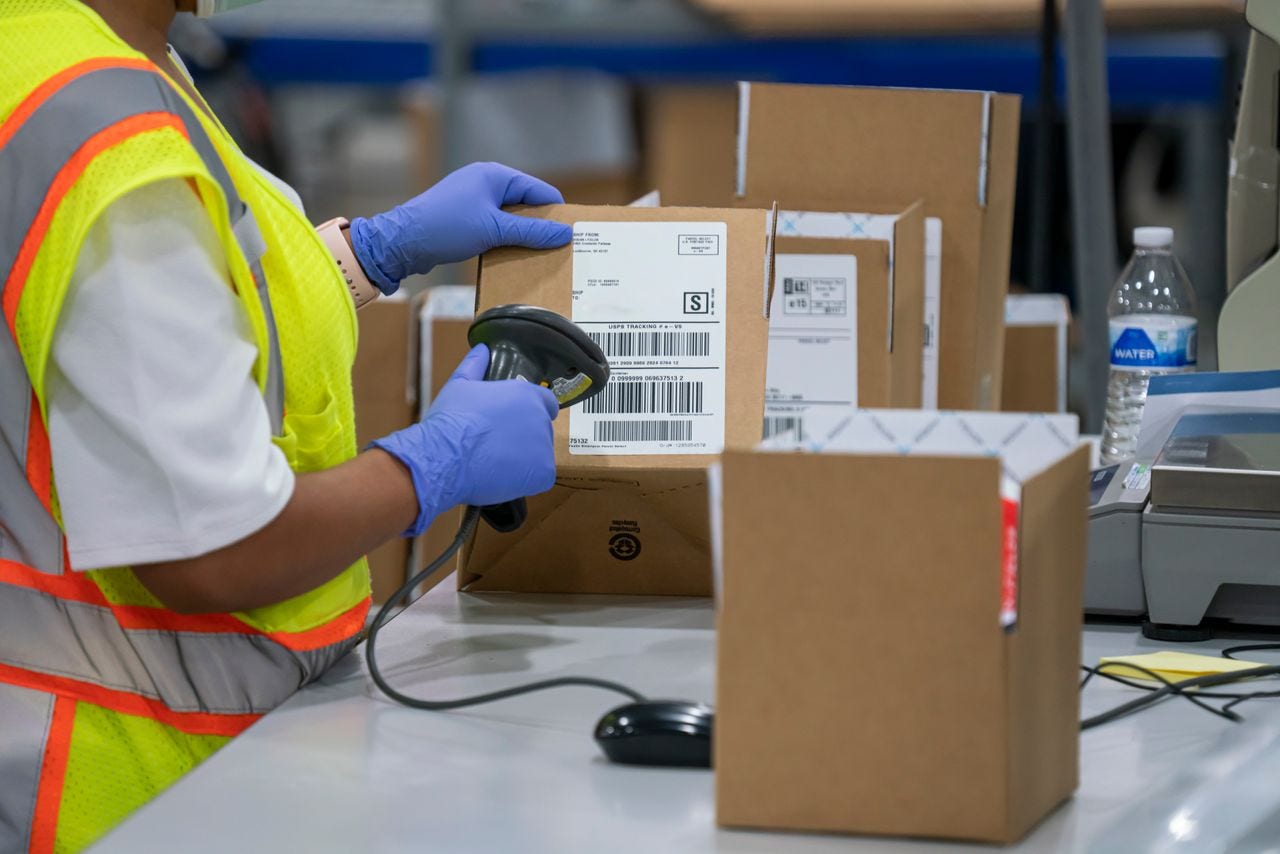
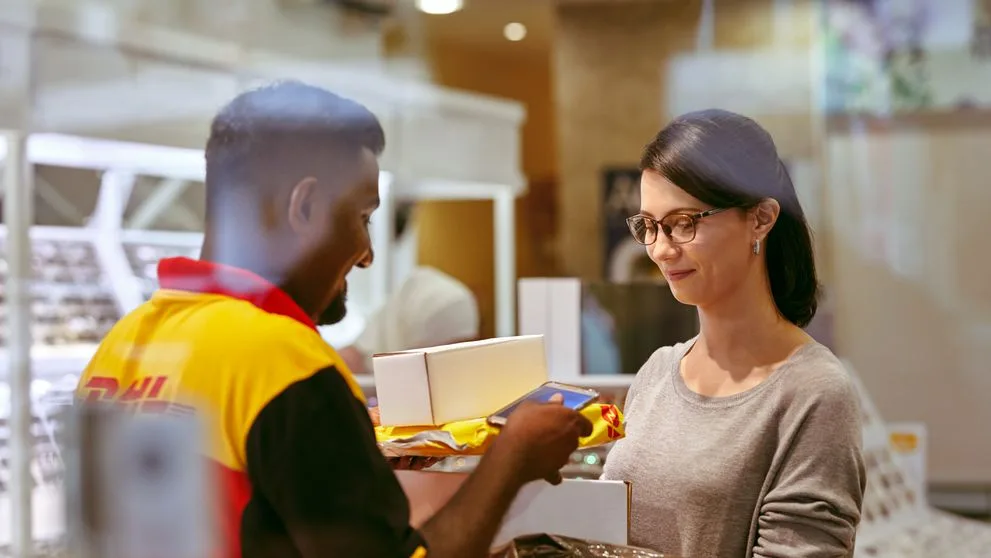
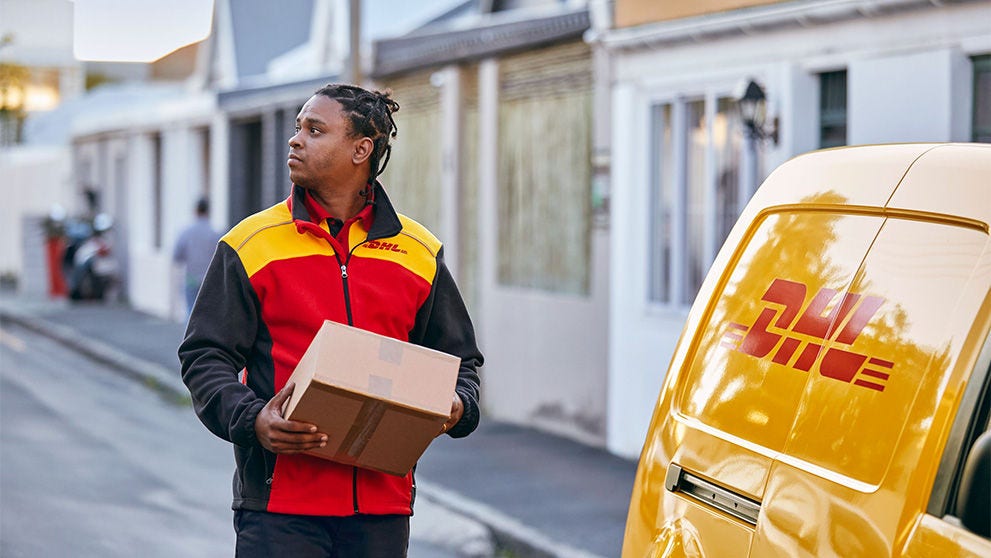
The final leg of the journey involves picking, packing, and shipping an order so it reaches the customer in perfect condition. This stage is the final touchpoint where your logistical efficiency translates directly into customer loyalty.
Example: By integrating the DHL API, an e-commerce startup enabled real-time tracking and On-Demand Delivery (ODD), allowing customers to redirect packages to a parcel locker for convenience.