#LogisticsAdvice

AEO Certification: A Guide for Indian Exporters to Streamline Global Trade

6 Mins Read
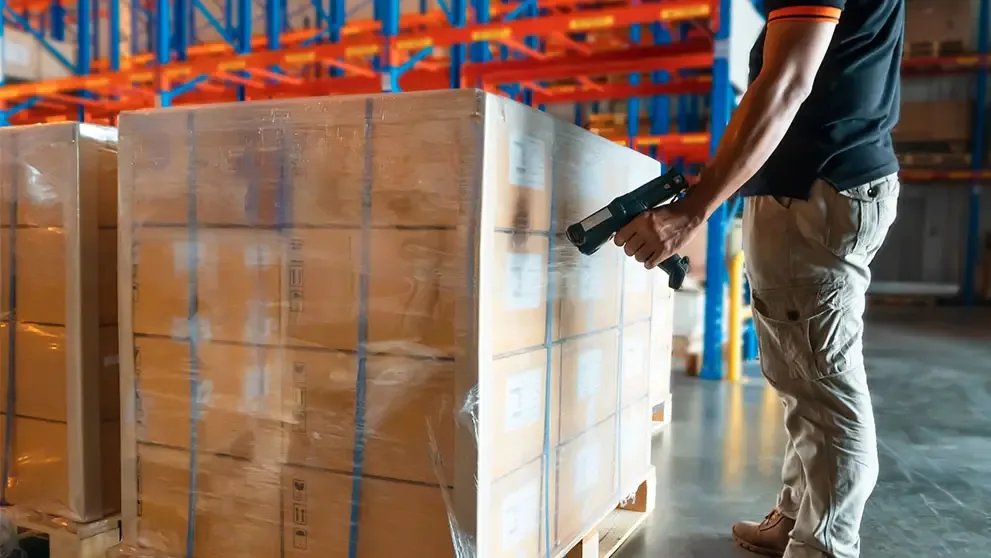
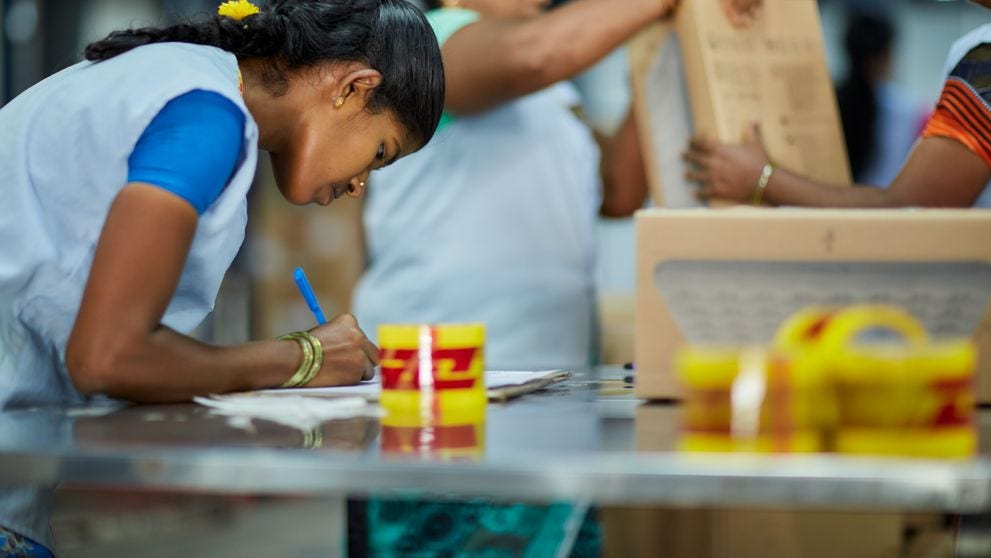
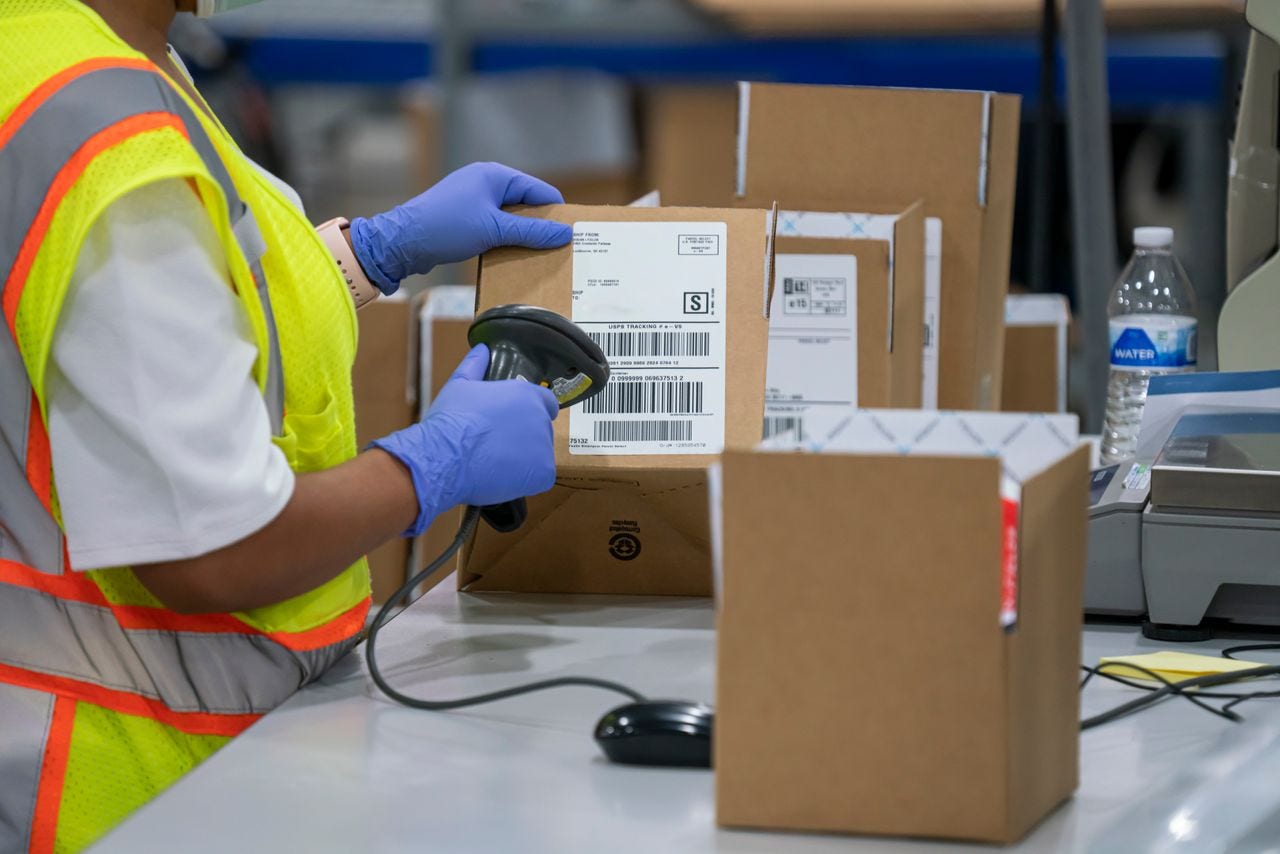
logistics employee marking a checklist

Shipping exports from India often involves unnecessary complexity, where rigorous security checks, unexpected delays, and complex customs procedures slow down international trade operations. These friction points often cost Indian businesses valuable time and resources.

The AEO certification is the strategic solution. It is more than a compliance rule; it is a tool for building trust and achieving a competitive advantage in global markets, proving your commitment to security.

How extensive are these benefits, and what are the requirements before you can apply for an AEO certificate? This guide reviews the benefits for Indian businesses and outlines the certification's tiered system.

Why was the AEO program established?

The AEO program, built on the World Customs Organization's (WCO) SAFE Framework, aims to secure the international supply chain. Its primary goal is to prevent misuse while simultaneously facilitating the legitimate movement of goods.

With USD491.8 billion1 in cumulative exports being circulated in the last six months, the Indian government requires assurance that outbound businesses adhere to a tangible supply chain security certification standard when handling international trade.

India's authorized economic operator scheme features a three-tiered system: AEO-T1, AEO-T2, and AEO-LO:

AEO Tier 1

AEO-T1 is the entry-level certification for importers and exporters, granted primarily after reviewing submitted documents. This accreditation provides essential facilitation benefits to Indian businesses.

  • 50% Waiver of Bank Guarantee.
  • Faster customs clearance service due to expedited processing.
  • Deferred duty payment in some circumstances.
  • Direct contact with the customs administration.

AEO Tier 2

AEO-T2 is a higher-level accreditation that requires a physical on-site audit of the business's premises and processes, in addition to document verification. It grants greater facilitation benefits.

  • 75% Waiver of Bank Guarantee.
  • Fewer physical inspections compared to T1.
  • Priority treatment in processing and resolving customs issues.
  • Recognition as an authorized economic operator in other WCO member countries.

AEO Tier 3

This is the highest level of AEO certification, granted only to businesses that have maintained AEO-T2 status for at least two consecutive years. It provides the maximum level of customs facilitation and benefits.

  • 100% Waiver of Bank Guarantee.
  • Exemption from physical controls and examination.
  • Expedited refund processing.
  • Automatic renewal of the AEO certificate after three years.

AEO-LO (Logistics operator)

There is also a separate AEO-LO certification for logistics providers, customs brokers, and other entities involved in the international supply chain security certification.

  • Recognition as a secure partner globally.
  • Reduced security deposit requirements.
  • Enhanced reliability for exporters.

Engaging an AEO-certified logistics provider, such as DHL’s export services, directly translates into tangible advantages for you, including reduced shipment inspections and quicker customs clearance service.

Benefits of AEO certification for businesses in India

Gaining an AEO certificate positions your Indian business for a genuine competitive advantage. Below are the key benefits that directly impact your operations and bottom line:

  • Faster Customs Clearance: AEO-certified companies are considered low risk, leading to fewer physical and documentary inspections. This leads to quicker processing times and improved predictability at ports.
  • Financial Benefits: Depending on the AEO tier, businesses can enjoy tangible financial advantages, such as a waiver of bank guarantees and deferred duty payments. This significantly improves cash flow, especially when managing high customs duties and fees.
  • Global Recognition: Through Mutual Recognition Agreements (MRAs) with other countries, an Indian AEO certificate is recognized internationally, ensuring smoother, faster customs clearance in partner nations.
  • Enhanced Credibility: The certification acts as a mark of trust and a "quality mark," enhancing a business's reputation with global trading partners and making it a more attractive supplier in the international supply chain.

How to apply for an AEO certificate in India

Naturally, the next question is how to apply for this strategic certification in India. To avoid rejections, the first step is ensuring your company meets the core eligibility requirements before starting the application process.

Who can apply for AEO certification in India?

Any entity involved in the international supply chain—including exporters, importers, logistics providers, and warehouse owners—can apply for AEO certification. The scheme is open to all businesses, regardless of size, provided they meet certain criteria:

  1. Establishment: The applicant must be legally established in India.
  2. Activity: You must have been involved in customs-related activities for at least three preceding financial years.
  3. Minimum Declarations: You must have filed a minimum of 25 customs documents (Bills of Entry or Shipping Bills) in the last financial year.
  4. Compliance: You must possess a clean record, free from serious legal violations or financial liabilities.

Application process

If your business is eligible, the next step is to follow the simple procedure outlined by the Central Board of Indirect Taxes and Customs (CBIC).

  1. Preparation and Assessment: Evaluate your compliance with AEO requirements. Prepare all necessary documents, including financial records, security protocols, and process maps.
  2. Online Application: Submit the complete application electronically via the official CBIC AEO portal (www.aeoindia.gov.in). The process often involves setting up online customs clearance capabilities.
  3. Review and Deficiency Notice: The application is reviewed. If incomplete, you are notified within 30 days to rectify deficiencies.
  4. Verification and Audit: For AEO-T1, the certificate is issued within 30 days of filing a complete application. For AEO-T2/LO, customs officials will conduct a mandatory physical on-site audit within 90 days to validate your security protocols.
  5. Certification Issuance: Upon successful verification and audit, the AEO certificate is granted.

Your Strategic Move for Global Success

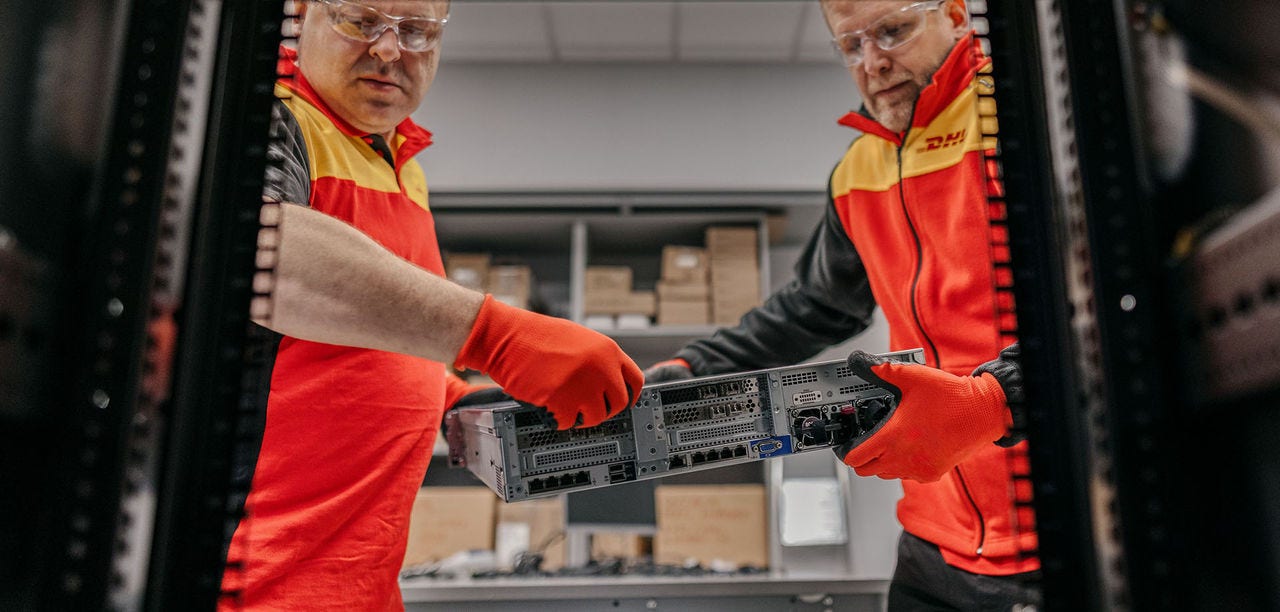
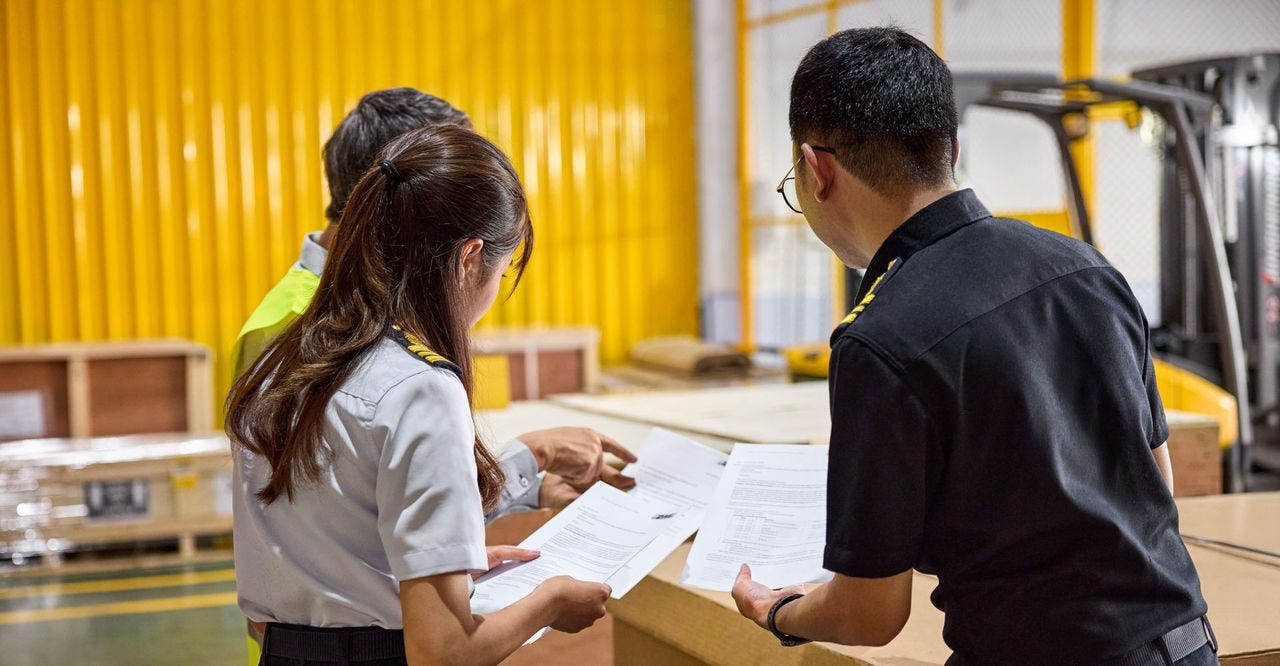
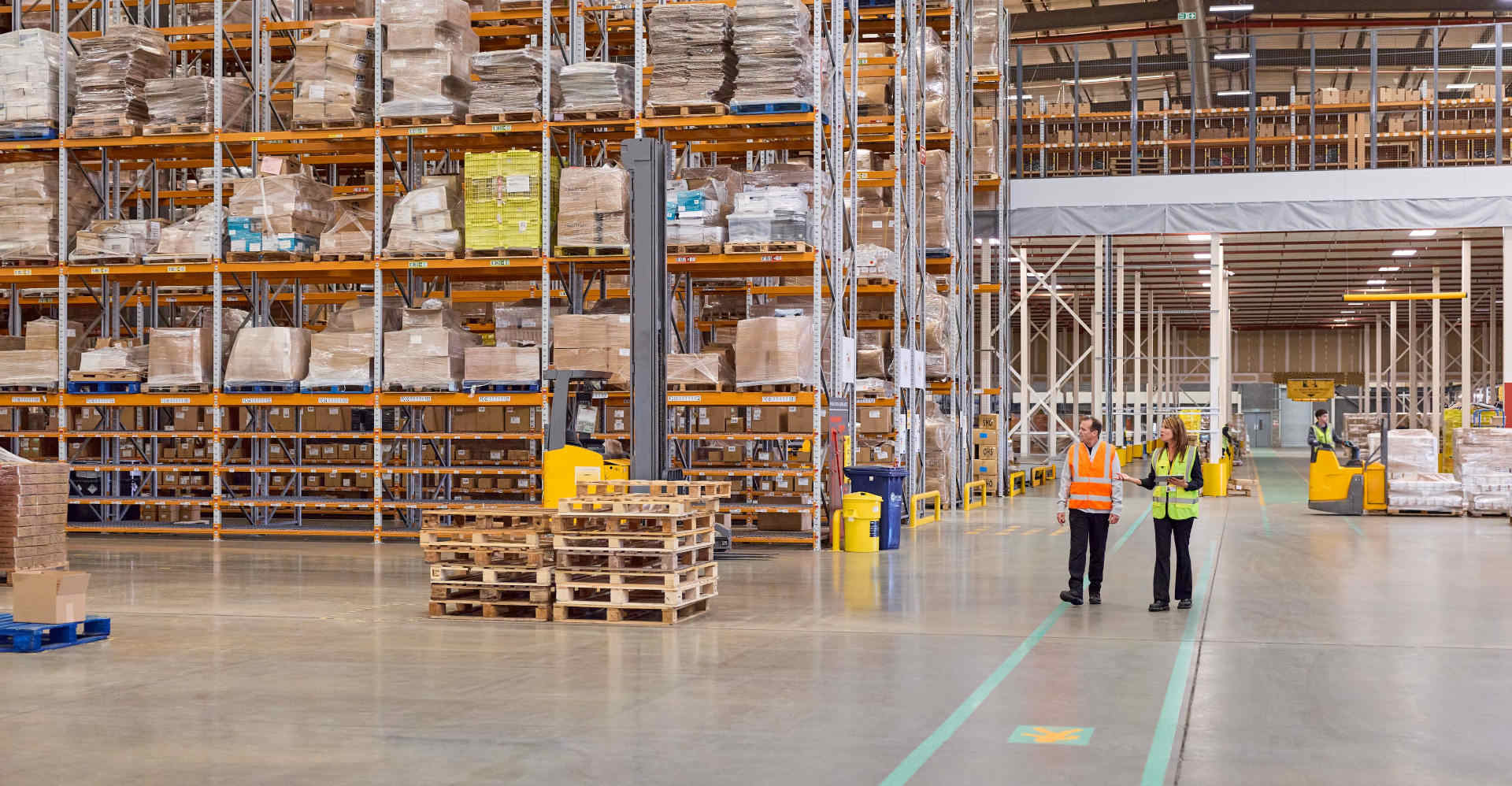
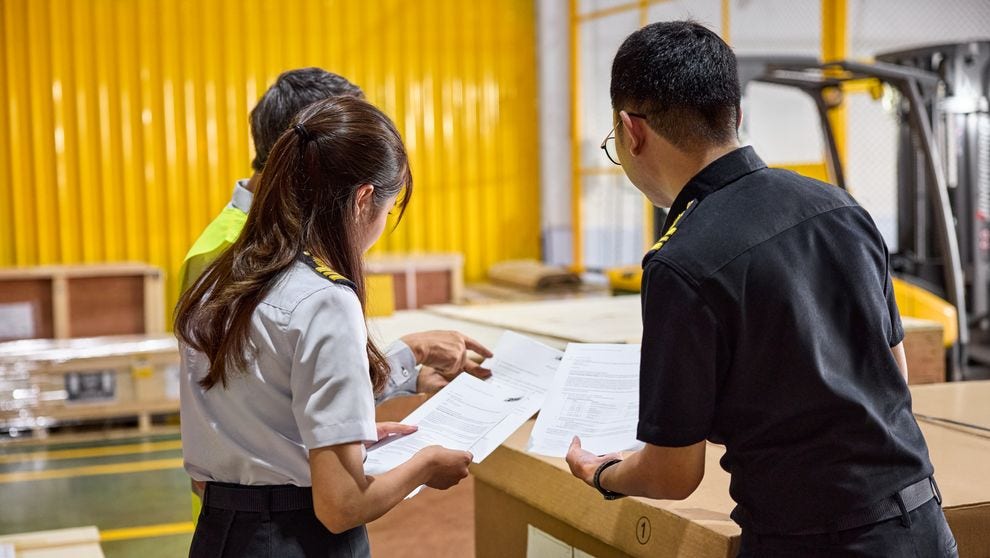
two men conducting warehouse inspection

AEO certification is a powerful tool for any Indian business looking to thrive in international trade. It builds trust, cuts costs, and speeds up your supply chain. When you combine this strategic asset with the speed and expertise of a global logistics leader, you create a powerful competitive advantage.

Start your journey to smarter, more efficient global trade today. Open a DHL Express business account to get the support, technology, and global network you need to succeed.

AEO is a voluntary program that establishes a security partnership between the customs administration and the trade community. What is the core goal? It certifies entities involved in the international movement of goods as compliant with WCO standards on supply chain security certification.

Many countries recognize AEO certification, primarily through Mutual Recognition Agreements (MRAs). The European Union, for instance, has MRAs with major economies like the United States, Canada, China, and Japan. Organizations in the ASEAN and GCC regions are rapidly expanding their AEO-certified networks, which significantly helps in planning predictable export shipping charges and timelines.

AEO and CTPAT (Customs-Trade Partnership Against Terrorism) are voluntary supply chain security certification programs that provide benefits like faster customs clearance service. The difference lies in scope: CTPAT is the specific U.S. version of the program administered by U.S. Customs and Border Protection. In contrast, authorized economic operator (AEO) is the global term used by national customs administrations in over 80 countries worldwide.