#LogisticsAdvice

All you need to know about how to import drone components into India

6 Mins Read
employee repairing a drone

India is making a significant claim to become the global drone hub by 20301. To achieve this, the Indian government is rolling out major initiatives to boost local manufacturing, including a substantial incentive program (valued at US$234 million)2 and a sharp reduction in GST on drones and parts to 5%3.

For local drone manufacturers and importers looking to bring in drone components, success hinges on understanding India's import policies and regulations. This guide explores the key rules for importing drone components and how logistics partners can facilitate reliable market entry.

What is India's drone import policy?

For overseas suppliers, understanding India's drone import policy—which is set by the Directorate General of Foreign Trade (DGFT)—is the first step. In 2022, the DGFT officially classified the import of finished drones (CBU - Completely Built Units) as 'Prohibited' to encourage local manufacturing as part of the “Make in India” initiative4.

However, a critical caveat exists in the DGFT's policy: while finished drones are restricted5, the import of drone components is classified as 'Free'. This means international businesses can freely import components to India to supply local manufacturers.

All imported drone components must comply with regulations set by the Directorate General of Civil Aviation (DGCA) and any applicable Bureau of Indian Standards (BIS) certifications.

  • DGCA (Directorate General of Civil Aviation) guidelines: The DGCA sets the airworthiness and safety standards (DGCA guidelines) for the final drone that will be operated in India. While the Indian manufacturer is the one who must obtain the final "Type Certification" (TC) for their drone design, the overseas component supplier plays a critical role in this process. You must be prepared to provide your Indian buyer with comprehensive technical documentation—including datasheets, test reports, and manufacturing certificates of conformity—for all critical components (such as flight controllers, GPS modules, motors, and communication links) to support their TC application.
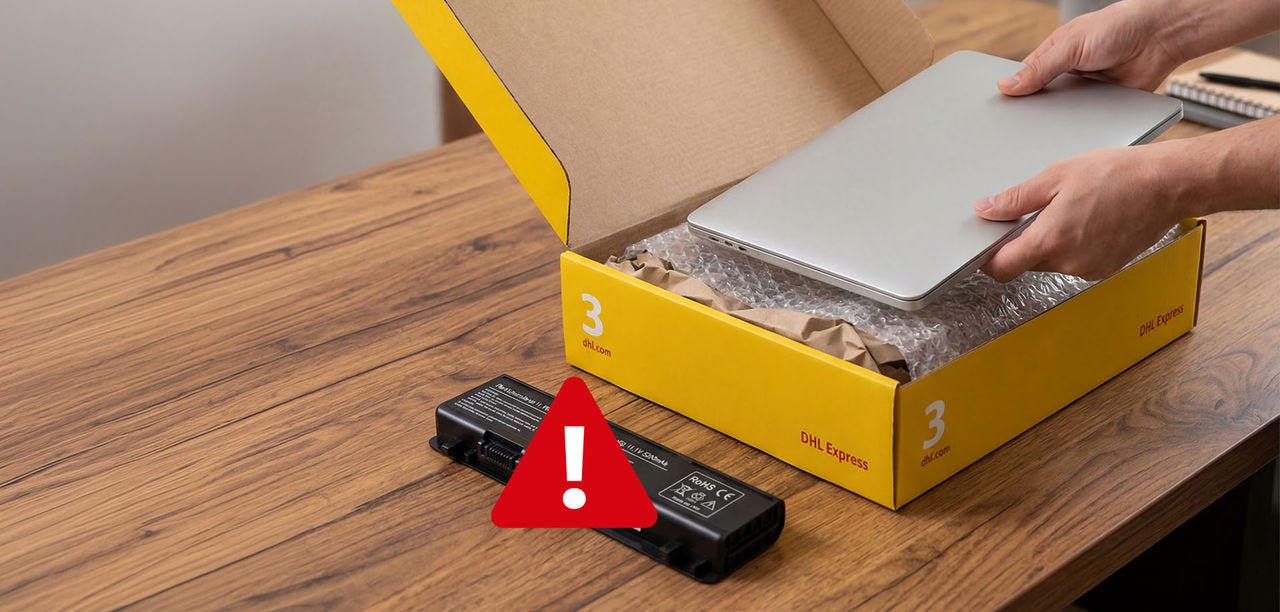
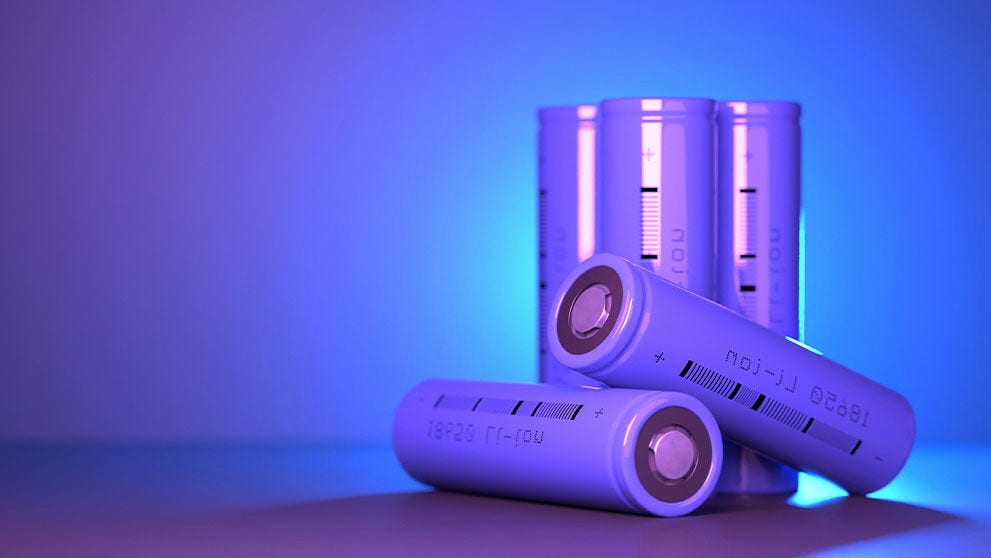
  • BIS (Bureau of Indian Standards) certifications: This is a mandatory product certification for specific goods being imported into India. For drone component exporters, the most critical item to check is the lithium-ion battery. All lithium battery packs (and cells) must be tested and certified according to BIS standards (e.g., IS 16046 / IEC 62133) before they can be imported. These batteries must carry the official BIS registration mark. Shipping non-BIS-compliant batteries is one of the most common reasons for customs delays or shipment rejection.

This dual rule structure—banning finished goods while allowing components—is the central pillar of India's drone manufacturing strategy. It creates a significant opportunity for overseas component suppliers to partner with Indian startups and Original Equipment Manufacturers (OEMs) who are building drones domestically.

Which industries and businesses in India are importing drones and their components

As India's drone ecosystem expands, demand for high-quality components is surging across various sectors. International suppliers should be aware of these key growth areas:

  • Agriculture: The demand for "Kisan Drones" (Farmer Drones)6 is rising rapidly for crop inspection, precision pesticide spraying, and land mapping. Domestic manufacturers are actively importing specialized components like multispectral sensors, spray nozzles, and high-capacity batteries to build these agricultural drones.
  • Defense and security: While India is developing its own defense drones, high-end surveillance and military-grade components remain in demand. A recent landmark pact between Larsen & Toubro and the U.S.’s General Atomics to manufacture MALE RPAS in India7 highlights the trend of joint ventures, creating new supply chains for specialized imported parts.
  • Logistics and e-commerce: The logistics sector is aggressively testing drone delivery for medical supplies, food, and e-commerce parcels. Industry experts predict drones could handle nearly 30% of e-commerce deliveries in major Indian cities by 2027. This drives demand for reliable motors, navigation systems, and components for high-payload delivery drones.
  • Infrastructure and surveying: Drones are now standard tools for monitoring pipelines, surveying construction sites, and mapping highways. This creates a consistent market for imported high-resolution cameras, LiDAR sensors, and advanced GPS modules that are essential for data accuracy.

Key import lanes and supply chain trends for drone components

To meet the growing demand from its agricultural, defense, and e-commerce sectors, India's drone industry relies on robust global supply chains for critical components.

Importing from key trade partners provides a variety of drone components, from flight controllers and motors to advanced sensors and lithium battery packs:

  • China: A primary source for a wide range of components, including airframes, motors, propellers, and basic electronics, offering scale and cost-effectiveness.
  • USA: A key supplier of high-performance, specialized components, such as advanced sensor payloads (LiDAR, thermal), high-end GPS modules, and sophisticated flight control software.
  • Israel: Globally recognized for advanced defense and surveillance technology, Israel is a major source for military-grade drone components, including encrypted communication links and advanced optical systems.
  • Europe (e.g., Germany, France): A source for high-precision engineering components, including specialized motors, avionics, and reliable sensor technology for industrial applications.

Driven by the 'Make in India' initiative, government regulations and the Production-Link Incentive (PLI) scheme have solidified India's 'component-first' import policy. This rule effectively creates a vibrant and protected B2B import market, as it requires local manufacturers to source components from overseas partners to build their final drone products domestically.
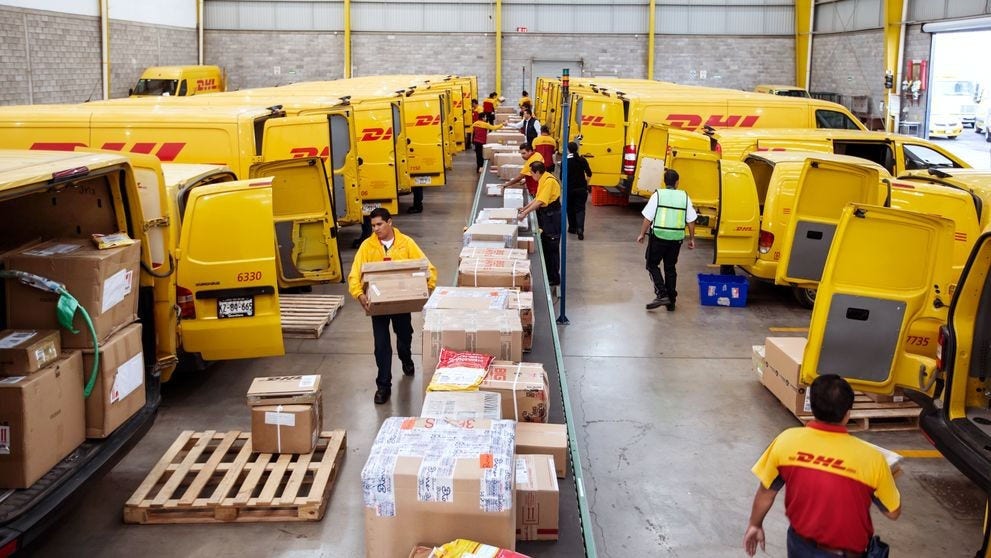
Why express logistics are an advantage for drone manufacturers

dhl staff operating roboting arm

Drone components are often high-value, fragile, and time-sensitive. A delay in a single part, like a flight controller or a specialized sensor, can halt an entire production line or a critical R&D project.

This is where express shipping services become a strategic advantage. DHL Express helps drone manufacturers manage their supply chains by:

  • Navigating Policy and Customs: Our in-house experts understand the specific import policy requirements set by the DGFT. We ensure your components are correctly classified with the right HSN codes to align with the 'Free' import rules, while also managing compliance for DGCA and BIS standards.
  • Time-critical delivery: For a just-in-time manufacturing model, our international shipping services ensure essential components arrive precisely when needed, preventing costly production delays and minimizing inventory.

  • Specialized handling: Importing high-value sensors or hazardous items like lithium battery packs requires specialized logistics. DHL Express provides the expertise to ensure these parts are transported safely and in full compliance with all regulations.

  • Cost visibility: Our tools provide a landed cost estimate before you ship, allowing you to see the full cost, including potential import duties and taxes, for better financial planning.

Partner with a logistics expert who understands the unique needs of the drone industry. Create a DHL Express business account today to start importing to India.

Frequently asked questions about importing drone components into India

India exempts import duty (Basic Customs Duty) on various goods to support public welfare and economic policy. Key exempted categories include life-saving medicines and certain specified medical equipment, goods imported under Free Trade Agreements (FTAs), and essential raw materials or components imported under specific export promotion schemes.

The import duty on electronic components is highly varied as it depends on the specific Harmonized System (HSN) code and whether the component is an essential input or a part of a final product. While core inputs like certain microprocessors may be exempt from Basic Customs Duty (BCD) under international agreements, other electronic components and parts typically have a BCD ranging from 7.5% to 15% to encourage domestic manufacturing.

The cost is a ₹500 government fee for an Import Export Code (IEC) license. This license is issued by the Directorate General of Foreign Trade (DGFT) and you can apply for it via their website.

1 - Business Line, 23 July 2024

2 - Reuters, 4 July 2025

3 - Government of India, 3 September 2025

4 - PMIndia

5 - Business Standard, 23 October 2024 

6 - The Hindu, 7 June 2025

7 - Manufacturing Today India, 1 November 2025

8 - Shiprocket, 16 October 2025