Many businesses assume heavy shipments and fast delivery are mutually exclusive. If it's large, palletized, or weighs hundreds of kilos, it must move through slower freight networks. Right?
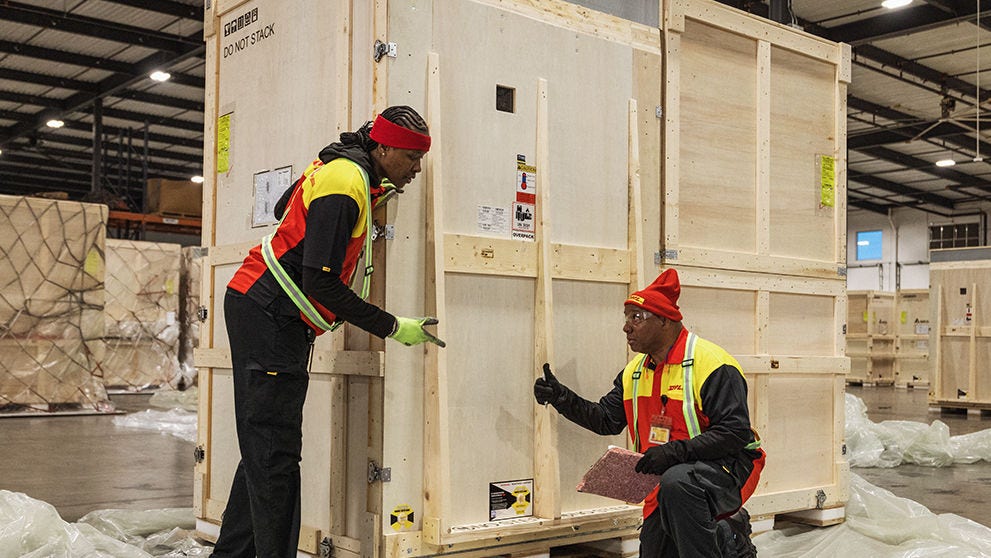
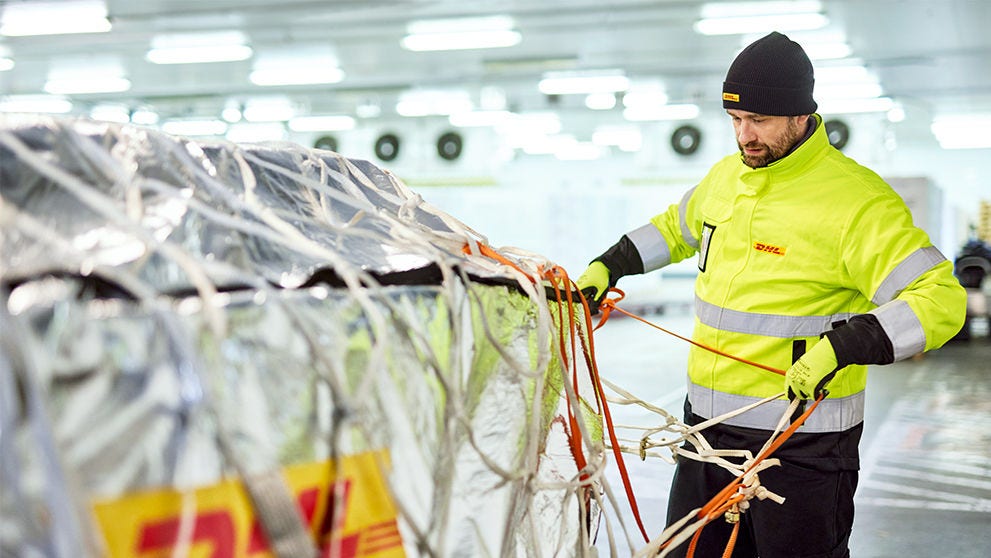
Whether you're moving industrial machinery, automotive components, medical equipment, or multiple boxes consolidated onto a pallet, larger shipments can bring challenges. Weight distribution, pallet stability, packaging compliance, and handling requirements all play a role in ensuring goods arrive safely and on time.
If you spend a morning walking through Nairobi’s busy industrial area, you’ll see two sides of the same story. There are small workshops run by local innovators, growing steadily. Right beside them, you’ll spot global freight trucks rolling past brand-new roads and warehouses, signs of a Kenya open for business with the world.
As businesses expand into new markets, international freight shipping often becomes one of the hardest parts of the operation to scale – particularly when those shipments involve heavy machinery, industrial equipment, or palletized goods.
Kenyan exporters have preferential access to markets across Africa through the East African Community (EAC), the Common Market for Eastern and Southern Africa (COMESA) and the African Continental Free Trade Area (AfCFTA). They can also reach the European Union through the EU-Kenya Economic Partnership Agreement.
Some deliveries are routine, and some are the whole business for a day. Imagine a hospital pharmacy waiting on a vital medicine, a factory line grinding to a halt because of a missing part, a fresh batch of flowers losing value with every passing hour, or a signed contract that must reach another city before close of business.
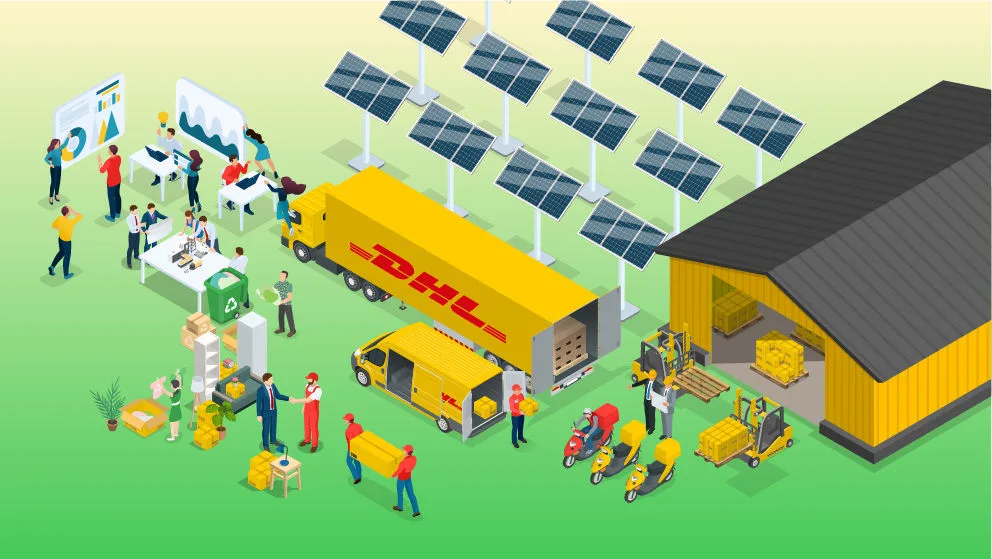
Discover more about green logistics with this toolkit, including sustainable strategies you can implement to help your business become more eco-friendly.