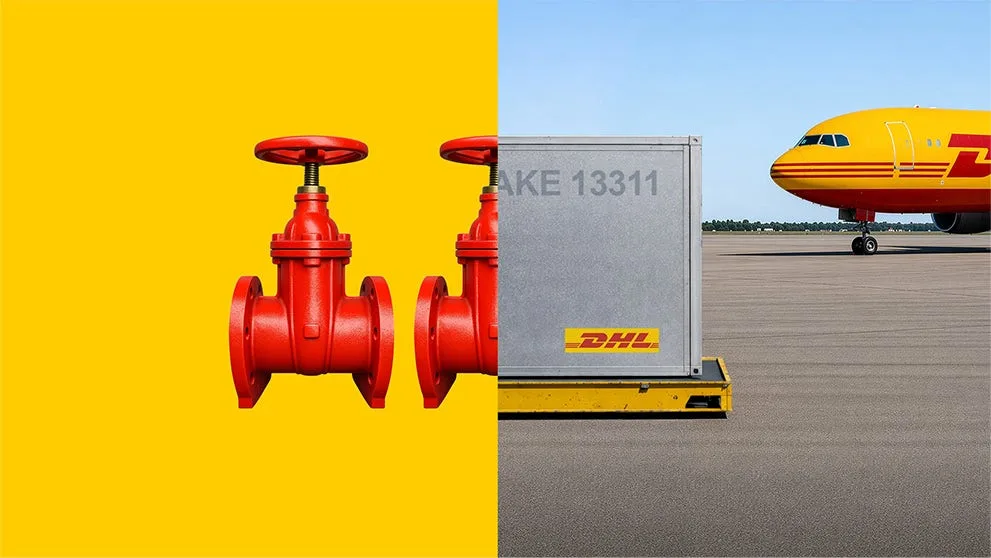
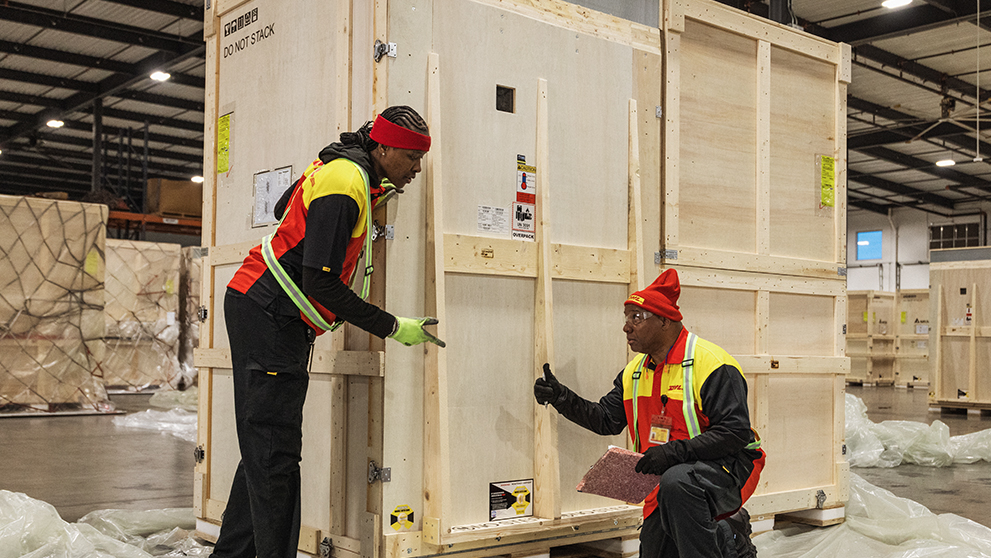
Many businesses assume heavy shipments and fast delivery are mutually exclusive. If it's large, palletized, or weighs hundreds of kilos, it must move through slower freight networks. Right?
As businesses expand into new markets, international freight shipping often becomes one of the hardest parts of the operation to scale – particularly when those shipments involve heavy machinery, industrial equipment, or palletized goods.
In Nigeria, the stakes for development are unmistakable. Every pothole, power outage, and overcrowded classroom is a daily reminder of just how much work lies ahead and how much promise is waiting to be unlocked.
Where is your business on its sustainability journey? How can you reduce your carbon footprint? This exclusive survey from DHL Express has the answers.
Being seen online isn’t luck. It’s the result of smart choices made at the right time. For Nigerian small businesses, standing out across Google, Instagram, and WhatsApp can be the difference between a product that gets noticed and one that gets left behind.
For a Nigerian business waiting for stock from abroad, a shipment in transit represents money tied up in goods that cannot yet be sold. DHL Express tracking keeps that shipment visible from collection to delivery, and in most cases, everything starts with one number: the waybill number.
Every DHL Express delivery estimate comes with one important qualification: transit times do not include customs clearance. Although no shipping quote can guarantee how long clearance will take, you can help prevent avoidable delays by submitting complete, accurate shipment information.
A refrigerated truck carrying vaccines from Lagos may spend much of its journey standing still. Loading bays, fuel stations, checkpoints and traffic can all bring the vehicle to a halt, sometimes with the engine switched off.
Discover more about green logistics with this toolkit, including sustainable strategies you can implement to help your business become more eco-friendly.