According to a report by imarc, the size of the EV components market was USD 4 billion in 2024 and is projected to grow to USD 17 billion by 20335.

India’s automotive sector is powering ahead, already established as the world’s third-largest automobile market. This phenomenal growth is set to continue, with the market expected to expand at a robust CAGR of 8.1% from 2024 to 2030, reaching a projected value of almost $200 billion1.
While domestic production and demand are exceptionally strong, Indian businesses looking to secure future growth and expand their global client base must pivot strategically. As Electric Vehicles (EVs) rapidly become commonplace around the world, EV manufacturing in India is a compelling growth area to explore and get ahead of the curve.
By proactively developing capabilities to become an EV parts manufacturer today, Indian companies can capture the vast opportunity in auto parts export, supplying the specialized main components of electric vehicles to global markets and establishing a long-term competitive edge.
In order to identify areas of opportunity, it’s important to understand the key components of electric vehicles being imported and exported in and out of India.
Despite remarkable strides by local EV parts and battery manufacturers in India, the country is still reliant on imports for several critical parts.
These are some of the top EV components currently being imported into India:
Auto parts exports from India are set to reach between $70-100 billion in 2030, according to the Automotive Component Manufacturers Association of India (ACMA)3. EV parts manufacturers in India can set themselves to ride this wave by focusing on some of the main components of electric vehicles:
India’s established relationships in the global automotive sector position it perfectly to ride the coming EV export wave. The countries that currently rely on traditional auto parts export from India are also the world's most aggressive adopters of electric vehicles, ensuring a ready-made demand base for the main components of electric vehicles. Some of these nations are4:
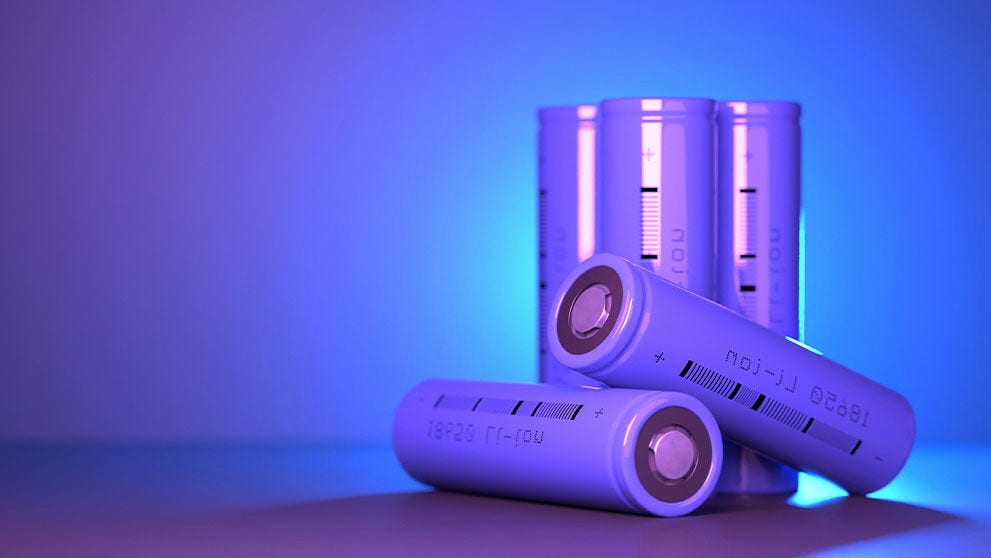
Despite the strong strategic goals for both importing critical cells and exporting finished battery packs, the most complex challenge remains the safe, compliant, and cost-effective movement of the most critical component: the lithium-ion battery. This complexity gives rise to a specialised field of operations that every EV parts manufacturer in India must master.
The EV battery is the single most defining and most expensive element of an electric vehicle, making it the most impactful component in the entire supply chain. Successfully scaling both the lithium battery import for raw cells and the eventual export of finished packs will be an important part of EV manufacturing in India.
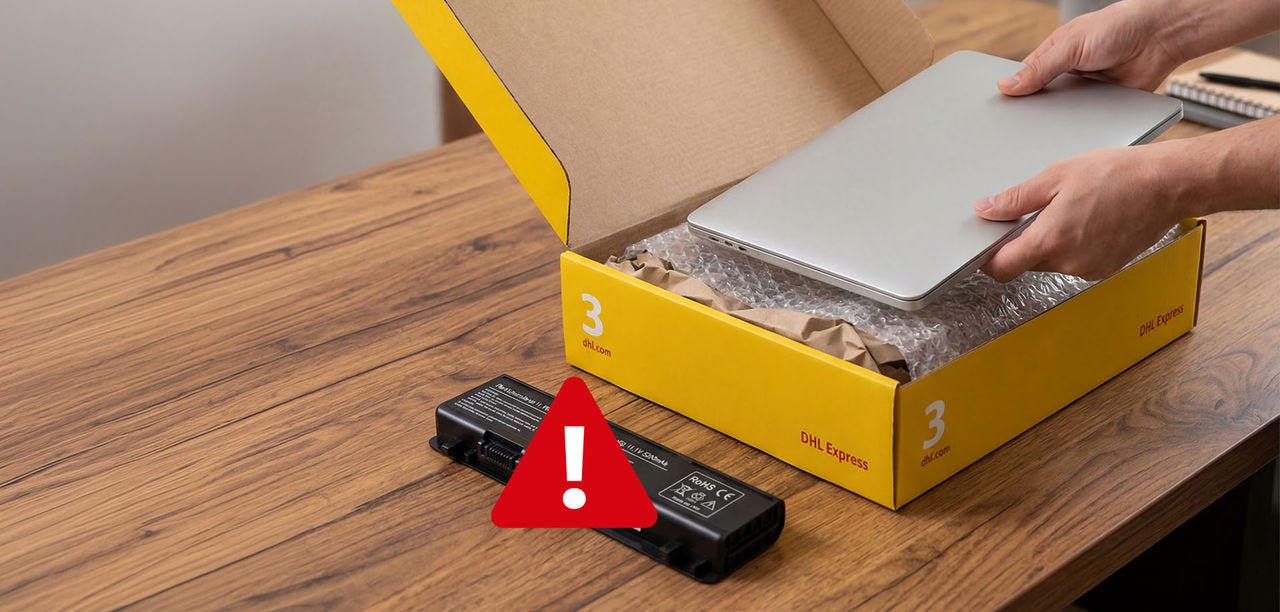
Lithium-ion batteries are classified as dangerous goods because of their high energy density, which brings significant challenges within the supply chain, particularly when navigating international borders. These challenges are not only logistical but also regulatory and environmental in nature, directly impacting the handling of electric car battery elements.
The inherent risks associated with lithium-ion batteries demand stringent safety measures for storage and transportation. The high energy density of these batteries poses risks of thermal runaway, leading to potential fires if improperly handled.
One of the foremost challenges in the lithium-ion battery supply chain is compliance with many regulations that govern its transportation overseas. These regulations vary not only from country to country but also across different states and local jurisdictions within India. For example, lithium-ion batteries must undergo Bureau of Indian Standards (BIS) certification to ensure they meet quality and safety standards.
If businesses are unable to comply with these regulations, it may lead to hefty fines, legal repercussions, and significant delays in the supply chain. For further information, check out our guide on how to ship batteries internationally.
Recognizing the complex demands of the electric mobility sector, DHL Express has a comprehensive logistics solution tailored for EV battery components and overall auto parts export from India. Our services help EV parts manufacturers in India navigate complexities and deliver products to global customers on time to fully capitalize on the burgeoning EV market.
DHL Express has the expertise to guide businesses in India on the relevant customs and regulations for EV batteries and other components. No matter the destination, DHL Express helps your business understand and adhere to the local regulations of your destination to facilitate smooth customs clearance.
DHL Express’ extensive global network and real-time visibility across the logistics chain helps to optimize international delivery route costs and allows for timely adjustments in the event of disruption, ensuring reliable delivery of your key components.
DHL Express’ expertise in the management of dangerous goods ensures that all storage, packaging and handling practices for EV battery components are compliant with local and global regulations. Your products arrive safely, saving you costs on replacement, repairs and compliance fines.

The import and export of EV components in and out of India depends on a supply chain that is both compliant and efficient. By partnering with DHL Express, you can leave the complex EV battery logistics to the experts so your business can focus entirely on producing the main components of electric vehicles to take advantage of global market opportunities.
Don't let logistical challenges slow your growth, create a DHL Express business account to streamline your import and export from India today.
According to a report by imarc, the size of the EV components market was USD 4 billion in 2024 and is projected to grow to USD 17 billion by 20335.
India exports a wide variety of auto components, including key parts for drive transmission systems, engine components, as well as electrical and electronic systems. The country is a competitive global sourcing hub, supplying both Original Equipment Manufacturers (OEMs) and other players in the automotive supply chain. Major destinations for these components are typically North America and Europe.
Yes, India is actively exporting Electric Vehicles (EVs) and aims to become a major global EV manufacturing and export hub. Leading automakers are leveraging India's manufacturing base to produce both two-wheelers and four-wheelers for overseas markets. Besides full EVs, India also manufactures and exports EV components, such as battery parts and powertrains.
Exclusive business discounts up to 60%
Seamless global shipping
Dedicated support for your business growth




 Share
Share