The 30% State of Charge (SoC) limit is now a mandatory law for batteries packed with equipment (PI 966) and vehicles (PI 952). If a battery exceeds this level, it will be rejected by the airline to minimise fire risks during flight.

The grace period for lithium battery transport has officially ended. As of 1 January 2026, the IATA Dangerous Goods Regulations (DGR) 67th Edition turned previous safety suggestions into strict laws. For any Indian compliance officer, staying ahead of these changes is the only way to help maintain access to global markets and avoid severe penalties.
The 30% State of Charge (SoC) limit now applies to batteries packed with equipment and those powering various vehicles. This mandatory change reduces the thermal energy available if a battery fails during transit, a critical safety measure for air freight.
PI 966 and PI 969: Batteries packed with equipment now require a verified SoC of less than 30% at the point of handover to your logistics partner.
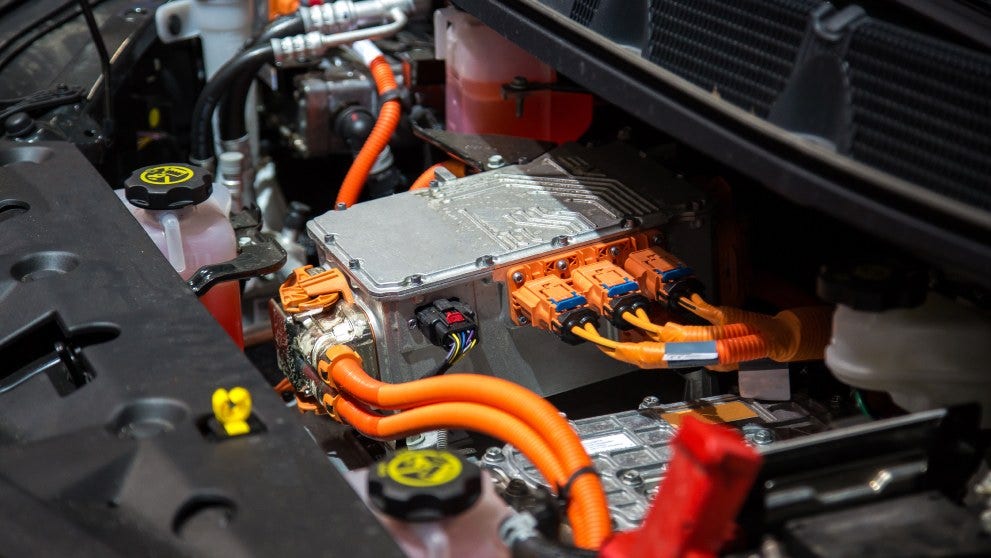
Vehicle Rules: You must use the new PI 952 guidelines for all battery-powered vehicles to ensure compliance.
Verification Proof: You should provide a formal Statement of Compliance or clearly include the SoC status on your shipper's declaration.
Terminal Rejections: Automated thermal sensors at major international hubs are now configured to flag and ground non-compliant cargo with high heat signatures.
We help you verify these critical levels before pickup to prevent costly delays and rejections. Integrating these checks into your standard quality control avoids the logistical nightmare of having cargo returned to your facility, especially during peak seasons like the pre-Diwali export rush when port and airport congestion is high.
You cannot legally ship a lithium battery in 2026 without a valid UN38.3 Test Summary. This document is non-negotiable proof that your battery has passed rigorous stress tests. In the current regulatory environment, this summary must be instantly accessible to everyone in the supply chain, from your Customs House Agent (CHA) to the final destination authorities.
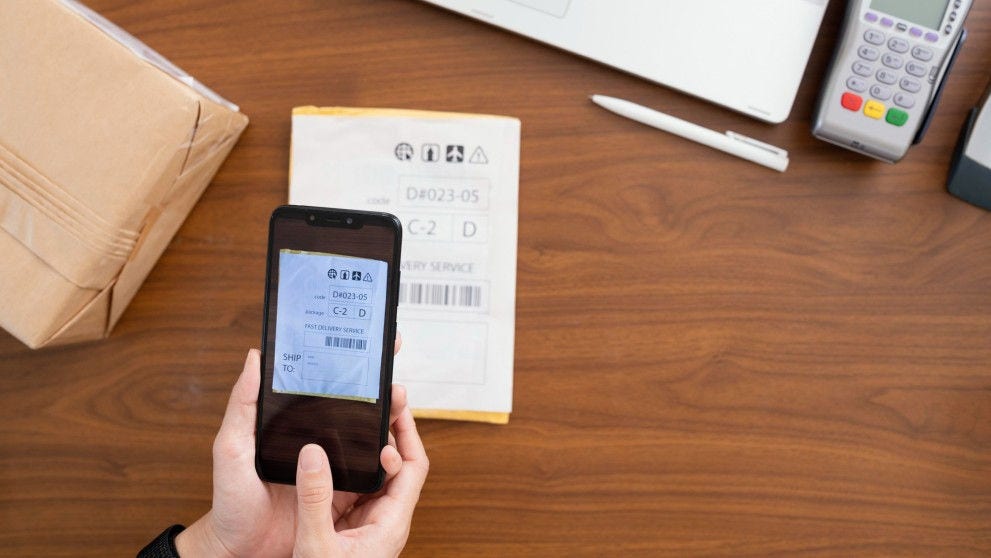
QR Code Integration: Proactive shippers now use QR codes on packaging that link directly to the digital test summary.
Instant Proof: If a regulator like the Central Board of Indirect Taxes and Customs (CBIC) requests proof during an inspection, you must provide it immediately to avoid holds.
Altitude and Thermal: The tests confirm that cells do not leak or vent under low-pressure conditions in a cargo hold or during extreme temperature swings.
Vibration and Shock: Proof is required that the battery can withstand the rigours of multi-modal transport, including surface freight and air transit.
For our regular shippers, we provide a digital document service through platforms like MyDHL+, where we store your safety data sheets and test reports in a secure portal. This ensures they are always attached to your electronic waybills for fast audits and smoother customs clearance.
Most dangerous goods delays in India occur during the initial visual inspection at the cargo terminal. A misplaced label or an outdated sticker can trigger an immediate safety hold. In 2026, inspectors are focusing heavily on the new Class 9 Hazard Labels and the structural integrity of your packaging.
Class 9 Label: You must use the updated version showing the battery cluster graphic above the number 9.
UN Number Size: Ensure the UN number is clearly marked in a font size of at least 12mm for immediate identification.
Emergency Contact: The Lithium Battery Mark must include a valid, 24/7 monitored phone number.
Local Language: Labels must be in English for smooth transit through major international hubs like Delhi Airport.
Your packaging must be robust enough to withstand the stacking forces of a cargo hold. A single missing or incorrect sticker can lead to substantial fines from the Directorate General of Civil Aviation (DGCA) and potential suspension of your Importer Exporter Code (IEC). A penalty could be as high as ₹415,000 or more.
2026 is the first full year that Sodium-ion batteries are integrated into the global dangerous goods framework. While they are generally more stable than lithium-ion, they are still regulated as Class 9 Dangerous Goods and require precise documentation.
New UN Codes: Use UN 3551 for standalone Sodium-ion batteries and UN 3552 for those packed with or contained in equipment.
Documentation: Your declaration must explicitly state "Sodium-ion" to prevent misclassification by customs authorities.
Safety Reports: A UN38.3 equivalent test report is mandatory for these shipments to prove they meet safety standards.
PI 978 Compliance: Even with their higher thermal stability, you must adhere to specific packing instructions outlined for this category.
Our global network is fully updated and equipped to handle these new classifications. As your business moves to new battery chemistries, we ensure your logistics capabilities keep pace with your innovation.
Do not wait until the courier arrives at your facility to begin your compliance checks. Follow this protocol to ensure your shipments move through the network without any hitches.
Identify the Code: Determine your exact UN number, such as UN 3480 for lithium-ion batteries or the new vehicle code UN 3556.
Verify the Charge: Use a calibrated battery tester to confirm your batteries are at less than 30% State of Charge.
Digital Submission: Use a digital portal like MyDHL+ for your declarations, which is essential for efficient processing by Indian customs.
Check the Label: Apply the correct 2026-compliant labels and have a copy of the safety data sheet ready for your CHA.
Using a professional service like CHEMTREC for your 24/7 emergency contact is a best practice. Having all your paperwork in order and digitally accessible prevents avoidable delays during spot checks by CBIC officials.
Navigating the 2026 regulations doesn't have to impede your growth. With the right logistics partner, you can transform complex safety rules into a competitive advantage. Speak to a DHL specialist today to audit your product catalogue against the latest regulations and ship your batteries with complete confidence.
The 30% State of Charge (SoC) limit is now a mandatory law for batteries packed with equipment (PI 966) and vehicles (PI 952). If a battery exceeds this level, it will be rejected by the airline to minimise fire risks during flight.
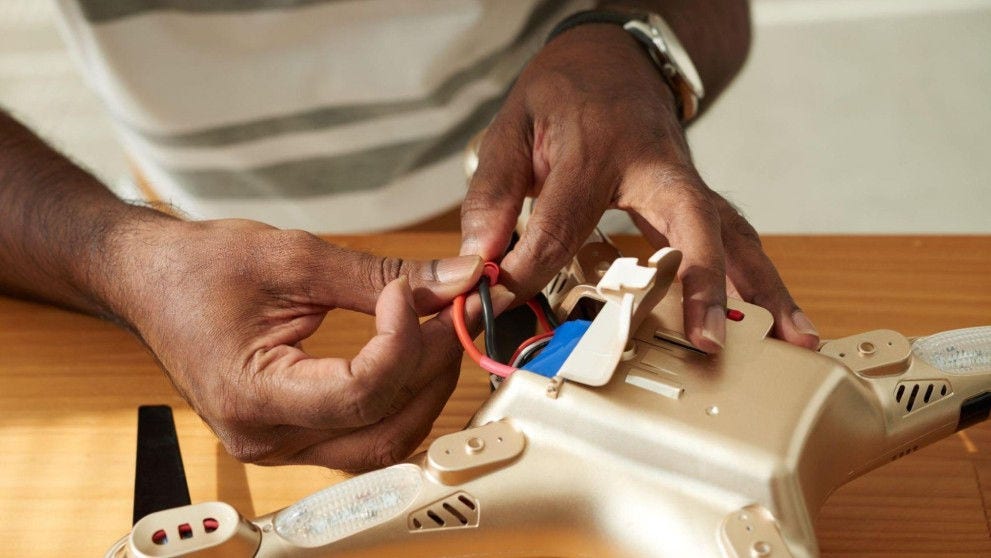
It applies to all lithium-ion and sodium-ion batteries with a rating over 100Wh. This includes many high-capacity power tools, drones, and e-bikes commonly exported from India. You must verify the charge level before you pack the item for shipping.
It is a formal document proving a battery has successfully passed eight specific safety tests, including altitude simulation, thermal cycling, and vibration. As a shipper, you must make this summary available to carriers and customs authorities like the CBIC at all times.
You must use the new, specific UN codes: UN 3551 for batteries alone or UN 3552 for batteries packed with or in equipment. While generally safer than lithium, they still require Class 9 hazard labels and proper safety documentation.
Customs or the airline will ground your shipment immediately. In India, you may also face significant administrative fines from the DGCA, potentially up to ₹1 crore, and risk having your shipping permissions suspended.
Exclusive business discounts up to 60%
Seamless global shipping
Dedicated support for your business growth




 Share
Share