

1 - Internet Retailing, October 2021

E-commerce can get competitive in Saudi Arabia, but less so if you focus on a niche product. Discover how adopting a long-tail business model can pay off.
The long tail business model focuses on selling low volumes of specialized products to many customers, rather than high volumes of a reduced number of popular items.
For small businesses entering a sector dominated by a big market leader, focusing on a niche area means less competition and higher profit margins.
Niche businesses tend to have dedicated, passionate customers, which means more email subscribers and social media followers – both of which drive brand loyalty. The long-tail business model in Saudi Arabia allows niche retailers to tap into the diverse cultural preferences of consumers, enhancing customer loyalty and market reach.
Thanks to international shipping, it has never been easier for these specialist businesses to find, connect with, and sell to enough customers to make their long-tail e-commerce strategy pay off: in fact, 57% of global consumers purchased from a cross-border brand during the pandemic1 – a trend that’s here to stay.
Noon.com, the region's homegrown e-commerce platform co-founded by Mohamed Alabbar and backed by the Public Investment Fund, has successfully adopted the long-tail business model. Operating with regional headquarters in Riyadh, the marketplace features a massive, diverse digital inventory that drives significant revenue through a high volume of low-demand, niche items rather than just relying on blockbuster or mainstream bestsellers.
Why did the long-tail business model work for Noon.com? Because it thrived on Noon Express & Fulfillment Network, no inventory limitations, and hyper-localized recommendations.
Another business which successfully adopted a long-tail business model is Quest Music Store2, a musical retailer based in Winnipeg, Canada.
With a handful of bricks-and-mortar locations across the local area, it also has an e-commerce presence, attracting customers from as far away as Australia. The company’s e-commerce manager, Mike Fondse, explains, “We’ve been offering overseas delivery for a number of years now, but started actively pursuing an international market in 2013.”
The company has been successful with customers from around the world who have struggled to find what they want from local suppliers. “For our customers in Australia and New Zealand, we’ve found that both a lack of variety and affordability of locally sold products have created a demand for retailers like ourselves ... In some cases, it’s more cost effective for the consumer to order from a Canadian retailer and have the product shipped. This way they can avoid long import wait times and distributor mark-ups.”
“We deal with a lot of first-time international customers,” continues Mike, “and sometimes they need a bit of help and reassurance when it comes to dealing with importing goods ... Shipping expense, fraud prevention, lost parcels and permits can also be obstacles. Fortunately, since expanding our international business in 2013, we’ve learnt how to successfully handle these issues by working with companies like PayPal and DHL.”
For Quest Music, an international strategy has been the key to reaching and exceeding sales targets – even for a brand with such a niche customer base. “Our e-commerce presence is absolutely everything when it comes to international sales. We do some business through third-party marketplaces like eBay and Reverb.com, and this, along with our own e-commerce platform, has allowed us to expand our business in ways that wouldn’t normally be possible with just brick-and-mortar locations.”
So, how can your e-commerce business follow Quest Music’s long tail business example to connect with the right customers around the world?
If you’re selling a niche product in Saudi Arabia, you’ll likely have a very specific pool of people to target. Facebook Ads is a good place to start – the platform allows you to filter audience demographics by interests, behaviors, age and location, meaning your ads will be served to only those with the highest intent to buy.
You should also conduct research in Saudi markets to identify long-tail keywords that are relevant for your business and customers. Optimizing your e-commerce website with relevant keywords can connect you to a wider, engaged audience who are interested in your products. Likewise, using hashtags on social media will attract the right shoppers. Focus on specific, detailed tags linked to the product rather than broader terms which will put you in competition with thousands of other businesses.
Online shopping preferences differ significantly by country and can also vary between cities in Saudi Arabia, influencing factors such as payment method choices and the prioritization of price versus convenience. Knowing these behaviors is the key to creating a successful marketing and sales strategy. Luckily, we’ve done the research for you: our country guides have all the inside insights you’ll need to engage with customers in the correct way, wherever they may be.
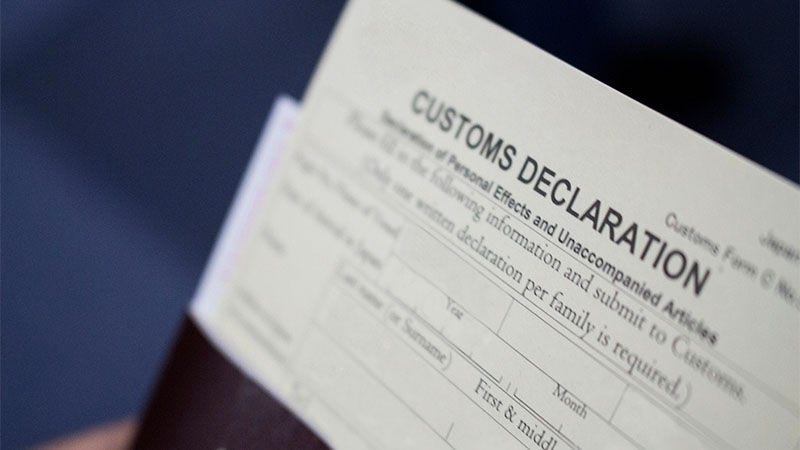
These can be complicated and time-consuming for your business to deal with – especially if you’re planning on exporting to multiple countries. This is where partnering with an international expert like DHL will pay off. Their shipping specialists will take care of all customs and tax regulations for you, leaving you free to take care of the business of selling.
Did you know that high “extra” costs – including shipping, taxes and fees – are one of the leading reasons online shoppers abandon their carts during the checkout process? Many businesses can’t afford to offer cross-border customers free shipping, so instead be clear about the charges throughout their purchasing journey so that they don’t have any nasty surprises when they come to pay.
E-commerce is your path to find customers across the world – whatever you’re selling. Start your international shipping journey with DHL today to find the right markets to help your business grow. With e-commerce, there are no limits! Apply for a DHL Express Saudi Arabia business account here.
1 - Internet Retailing, October 2021


 Share
Share