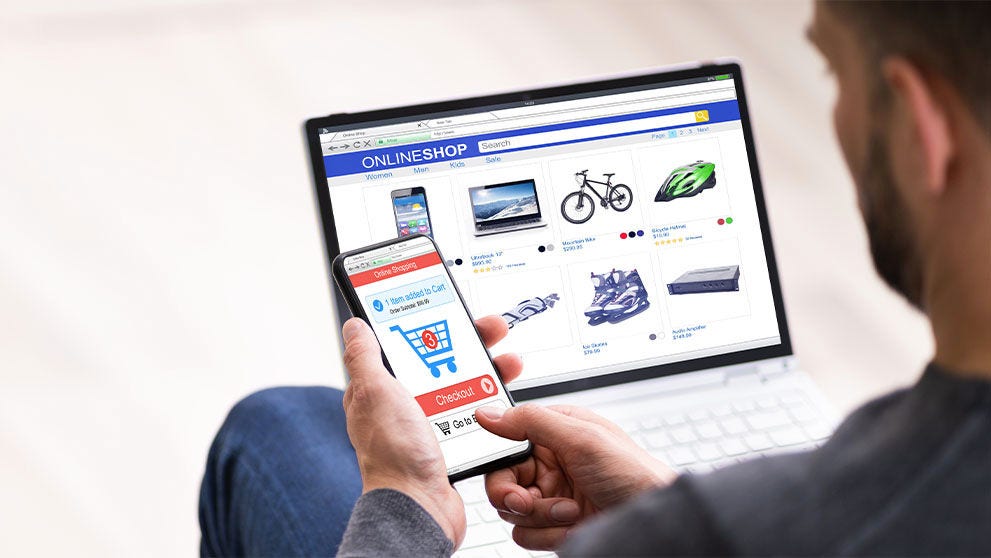
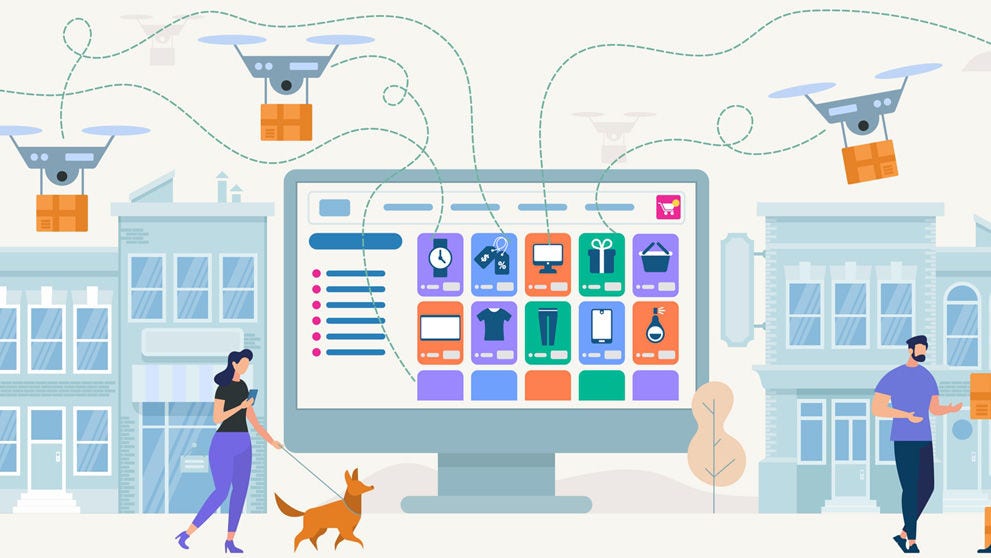
As online shopping continues to grow, so does its environmental impact. Faster deliveries, frequent returns, and global shipping networks all contribute to rising carbon emissions. At the same time, customers increasingly expect businesses to operate responsibly.
The good news? Reducing your carbon footprint doesn’t require a complete business overhaul. With the right strategy, small operational shifts can deliver measurable impact.
What’s Driving Carbon Emissions in E-Commerce?
Before implementing solutions, it’s important to understand the main contributors:
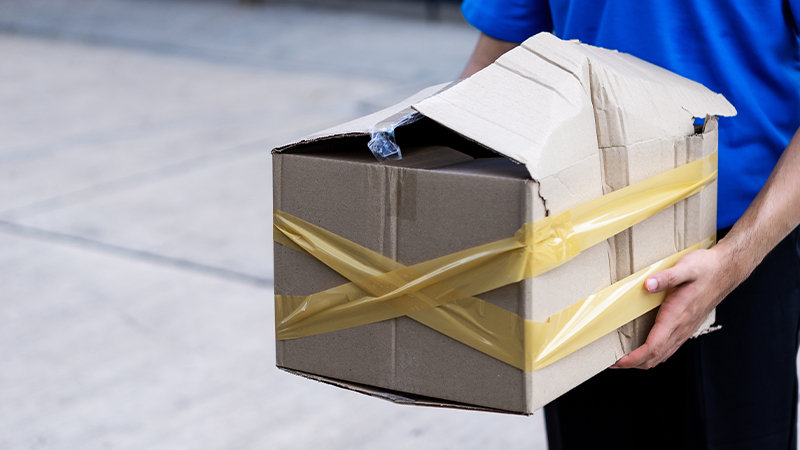
1. Inefficient Packaging
Oversized boxes and excess filler materials increase waste and transport emissions. Traditional plastic-based materials also require high energy to produce and take years to decompose.

2. Increased Purchasing Volumes
Promotions and convenience drive higher order volumes which means more production, more packaging, and more deliveries.

3. High Return Rates
Free and flexible return policies encourage customers to order multiple items and send some back. This doubles transport-related emissions.

4. Energy-Heavy Digital Infrastructure
Online shopping relies on mobile devices, servers, and large-scale data centers — all of which consume significant electricity.

5. Vast data centers
E-commerce has also driven an increase in the amounts of data that needs to be processed, stored, and retrieved. This has resulted in enormous data centers that consume huge amounts of energy – as well as mirror servers in separate locations that add to the problem.
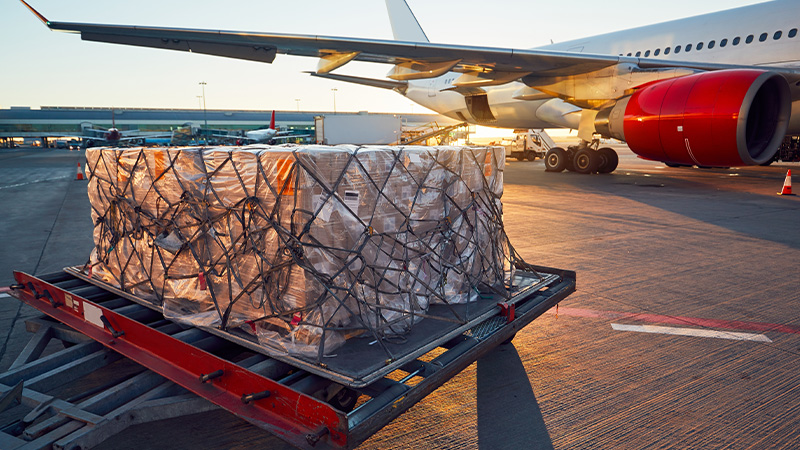
6. Fast Shipping Expectations
Express and cross-border shipping often relies on air freight, which has a higher carbon footprint compared to other transport modes.
9 Smart Steps to Lower Your Carbon Footprint
These sustainable business practices will help you work towards a carbon neutral business.
1. Track your carbon emissions
Start by understanding where emissions occur within your operations:
Scope 1: Direct emissions from company vehicles or on-site fuel use
Scope 2: Indirect emissions from purchased electricity or utilities
Scope 3: Emissions across your wider supply chain
Tracking emissions allows you to prioritize reduction efforts and set realistic targets.

2. Offset your emissions
Carbon offsetting supports environmental projects such as reforestation or renewable energy initiatives to balance unavoidable emissions. It’s not a replacement for reduction but it’s a meaningful complement.

3. Digitize Your Processes
Reduce paper usage by moving invoices, receipts, and shipping documentation online. Digital systems save time while cutting down material consumption.
4. Upgrade to Sustainable Packaging
Right-size your packaging to reduce empty space and use recyclable, reusable, or compostable materials wherever possible. Even consolidating multi-item orders into one shipment can lower emissions.
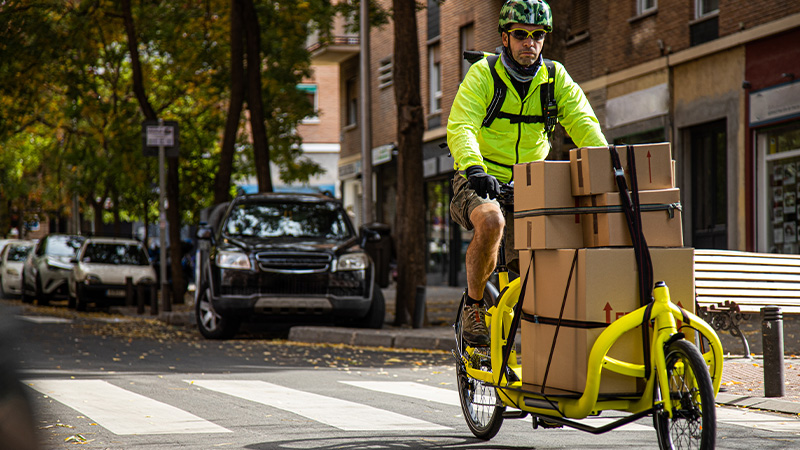
5. Offer eco-friendly transportation
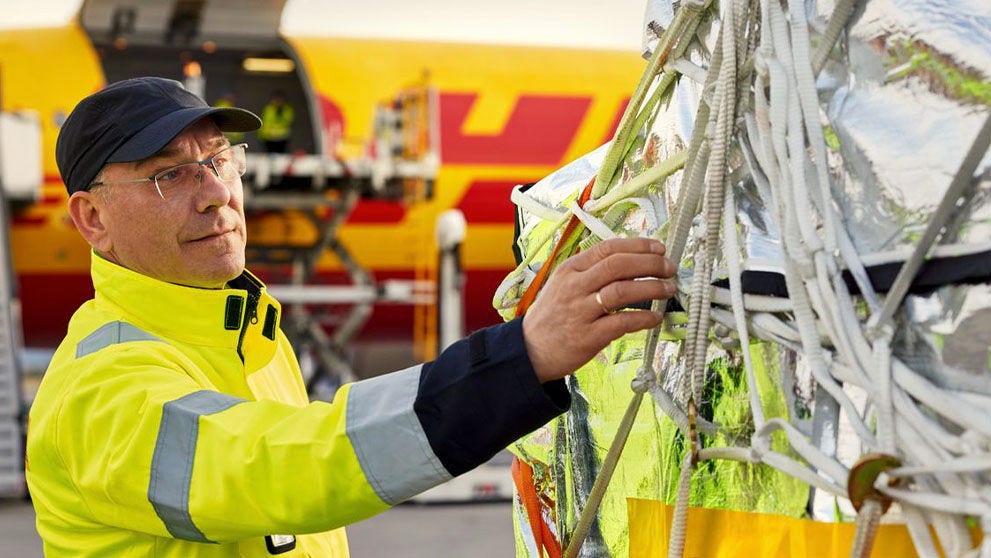
Choose logistics partners with green shipping options. DHL Express GoGreen Plus, for instance, uses Sustainable Aviation Fuel (SAF) to cut emissions by up to 80% compared to conventional jet fuel. These solutions help businesses deliver faster while staying eco-conscious.
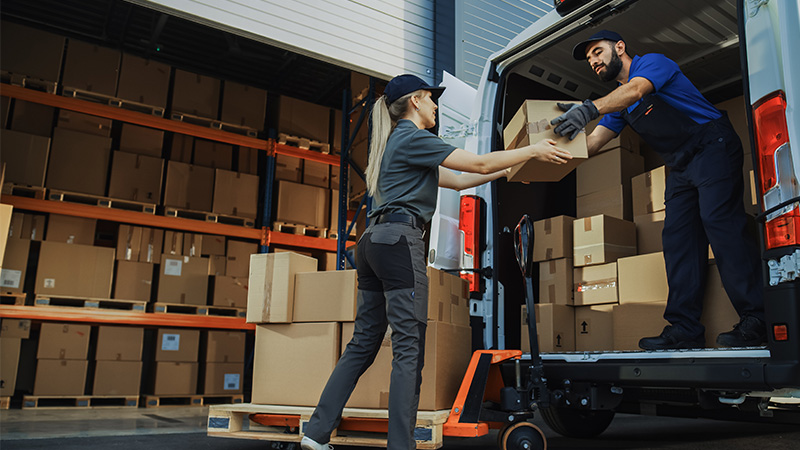
6. Optimize Inventory Management
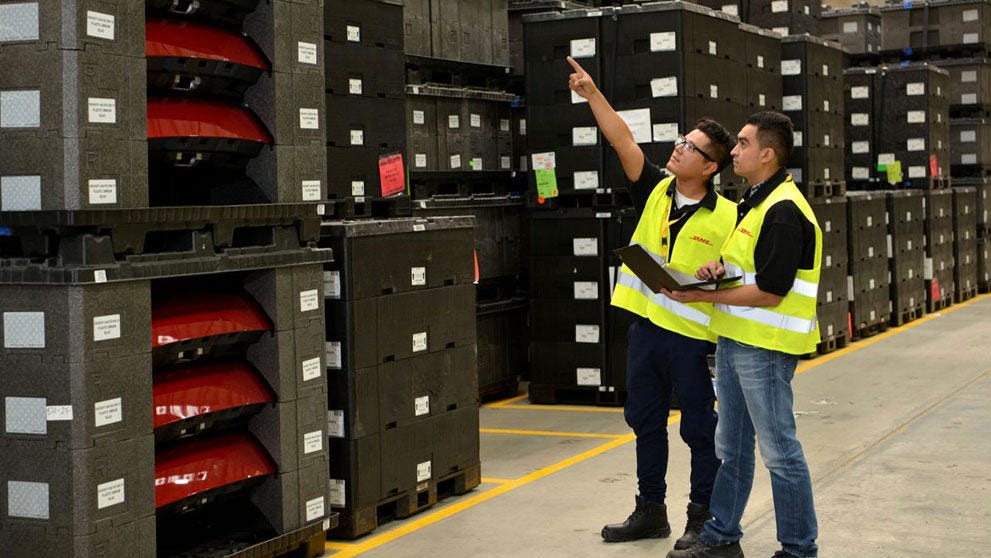
Adopting more efficient stock control methods such as demand-based inventory planning reduces excess warehousing, energy consumption, and product waste.
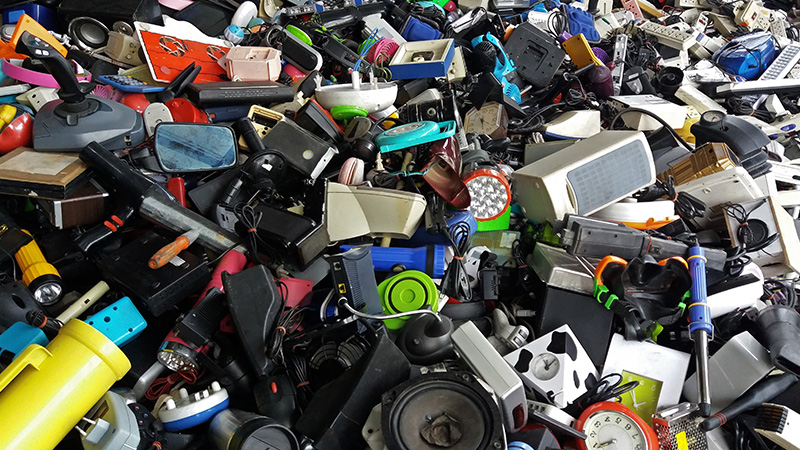
7. Build a sustainable supply chain
Work with suppliers and partners who share your sustainability goals. Assess environmental performance and choose eco-conscious vendors to reduce your indirect carbon footprint.
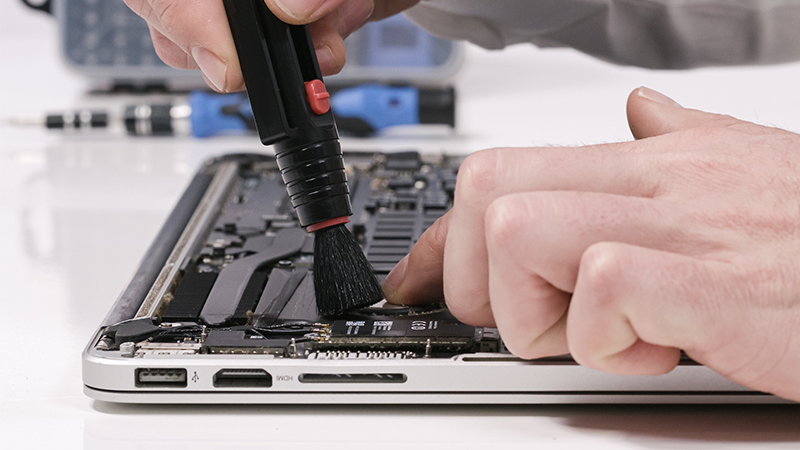
8. Embrace Circular Economy Practices
Encourage product repairs, recycling programs, or refurbishment initiatives. Reverse logistics strategies help extend product lifecycles and minimize landfill waste.

9. Reduce customer returns
Invest in high-quality product images, detailed descriptions, and virtual reality tools to help customers make informed purchase decisions. Parcel lockers for returns can consolidate multiple pickups, lowering transportation-related emissions.
Progress Over Perfection
Lowering your business’s carbon footprint doesn’t happen overnight. Focus on incremental improvements — whether that’s smarter packaging, greener shipping, or improved supply chain transparency.
Sustainability is becoming a competitive advantage. By acting today, your business not only reduces environmental impact but also strengthens brand trust and long-term resilience.
With a DHL Express Business Account, you’ll have access to a range of dedicated sustainable logistics solutions to help you reduce your business’s carbon footprint.


 Share
Share
Similar Stories