1 - Shopify, 2026

If recent headlines have made you feel that global trade is unpredictable, you’re not alone. Geopolitical tensions and shifting tariffs continue to shape the international landscape. But arguably, the overall picture is more resilient than many businesses think. According to the DHL Global Connectedness Report 2026, globalization remains at a record high level, showing that cross-border flows of trade, capital and information are still going strong.
So, what does that mean for SMEs looking to expand their business internationally? In short: the opportunity is still very real. Customers around the world are increasingly comfortable buying from overseas brands, and digital marketplaces make it easier than ever for e-commerce businesses to reach new audiences beyond their home market.
With the right international expansion strategy, your business can approach going global with confidence. Here’s what to know.
For businesses willing to look beyond their domestic market, the global landscape in 2026 offers plenty of opportunities. E-commerce continues to grow rapidly in many regions, especially across Asia-Pacific and the Middle East. Countries such as Singapore, the United Arab Emirates, and other highly connected markets act as hubs for international trade and digital commerce, creating new entry points for global brands.
Global retail e-commerce sales are expected to exceed $6 trillion in 20261.
Selling internationally brings many benefits, including helping businesses smooth seasonal demand. While peak shopping periods like Black Friday and Christmas drive strong sales in Western markets, other regions have different retail calendars. For example, festivals such as Singles' Day in China or Diwali in India generate massive e-commerce activity. By targeting multiple markets with different peak seasons, businesses can keep sales flowing throughout the year.
Furthermore, expanding globally helps SMEs diversify risk. Relying on a single domestic market can leave them exposed to sudden economic downturns. By entering international markets, businesses gain access to new customers and revenue streams, building resilience while accelerating growth.
Expanding internationally brings great opportunities but also new challenges. Understanding them early will help you plan effectively. Key considerations include:

Consumer behavior varies significantly between countries, so what works well in your domestic market may not resonate in another.
Some cultures may prioritize price when shopping online; others may focus on quality or sustainability. In some regions, mobile-first shopping dominates, while others still rely heavily on desktop purchasing.
Product messaging, website design and even color choices can carry different cultural meanings, whilst marketing campaigns may also need to reflect local holidays, traditions and shopping habits.
Researching these nuances in culture and customer expectations will help your business position itself to be more appealing – and that’s where DHL Express' Export Guides can help.

When entering a new market, you’re likely to face both local brands and other international sellers. Some competitors may already have strong brand recognition or established logistics networks.
Researching the competitive landscape can help you identify opportunities to differentiate your business. This might mean focusing on product quality, unique design, competitive pricing or superior customer experience.
Online marketplaces can provide a useful starting point for testing demand in new regions before committing to a fully localized website or marketing strategy.

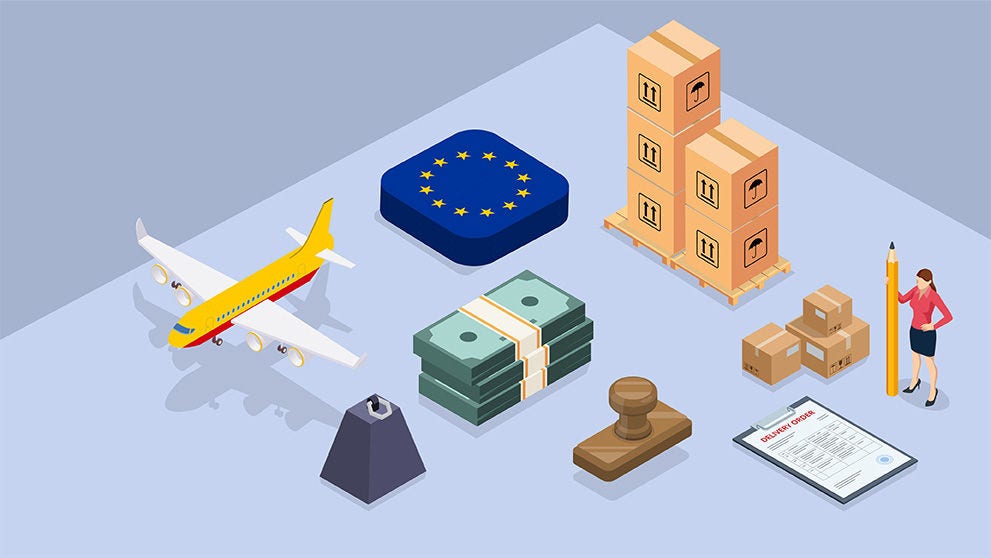
Every country has its own regulations governing imports, product standards and cross-border trade. Businesses need to ensure their products comply with local rules, which may include labeling requirements, safety standards or restricted goods regulations.
Customs documentation is another important consideration. Accurate paperwork helps shipments move smoothly through customs and reduces the risk of delays at the border. Then there’s the matter of duties and taxes to manage.
If this all sounds complex, don’t panic! DHL Global Trade Services (MyGTS) is a free platform designed to help businesses navigate international trade rules, prepare accurate customs documentation, and calculate duties and taxes before shipping. With this tool, you can be confident your shipment is fully compliant and reaches its destination without unnecessary delays.

International expansion involves a range of costs that businesses need to plan for. These can include shipping fees, duties and taxes, localization, marketing spend and potential returns handling.
It’s important to remember shipping costs can influence purchasing decisions for cross-border shoppers, so striking a balance between maintaining margins and offering competitive delivery options is important.
By working with an experienced international logistics partner (like DHL Express!), you can take advantage of competitive shipping rates and dynamic pricing options to keep costs manageable.
Going global may feel like a big step, but the right preparation can make the process far more manageable. These are the key strategies to adopt:

Not every market will offer the same opportunity for your products. Before expanding internationally, it’s worth analyzing data such as online search demand, marketplace sales trends and cross-border shipping volumes.
Market research tools, global trade reports and e-commerce insights can help identify regions where demand is growing. Starting with a few strategically chosen markets can make expansion more manageable while allowing you to test and refine your international strategy.
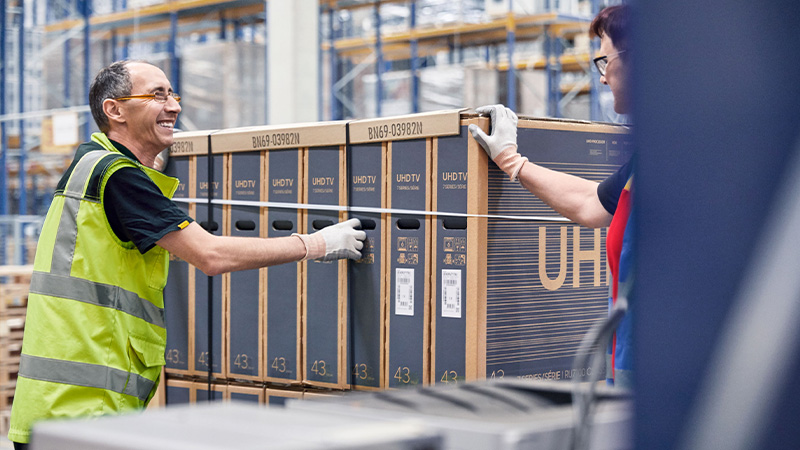
Entering a new market is much easier when you have trusted local partners. Distributors, logistics providers, marketplace platforms and marketing agencies can offer valuable insight into how business is done locally.
A strong network can also help you navigate regulatory requirements and respond quickly to changes in the market. Even if you’re running a fully digital business, local expertise can make a big difference when adapting your strategy for international audiences.

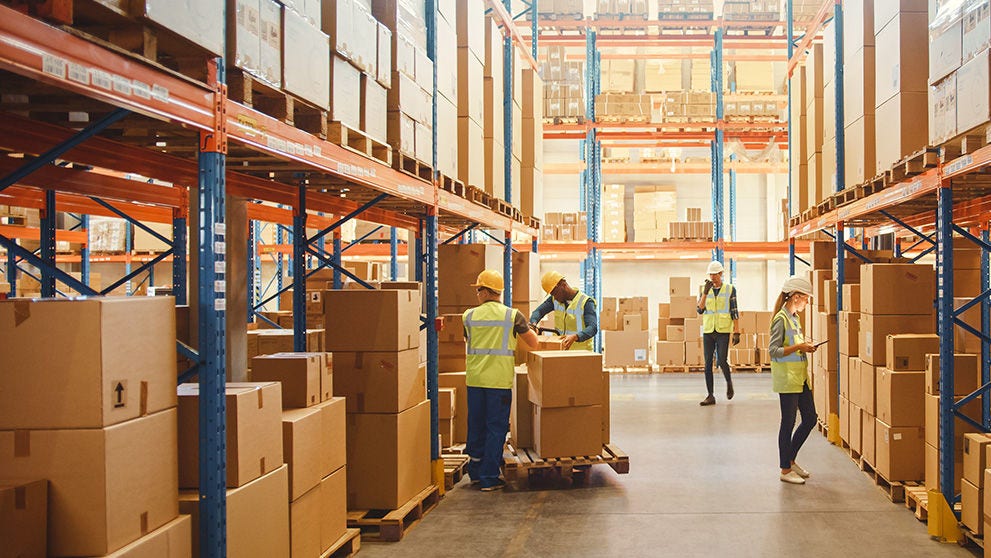
A dependable supply chain is the backbone of any successful cross-border business. Customers expect international orders to arrive quickly and in good condition, regardless of where the shipment originates.
Planning your logistics carefully – from inventory storage to last-mile delivery – can help avoid delays and keep operations running smoothly. Working with experienced international logistics partners can also simplify complex processes such as customs clearance and global shipping routes.
For growing e-commerce businesses, scalability is especially important. As demand increases in new markets, your logistics setup should be able to expand with it.
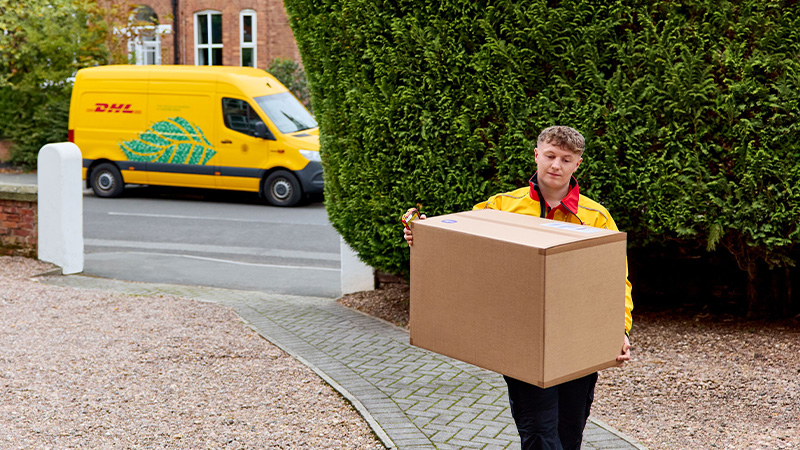
Delivery experience plays a huge role in cross-border purchasing decisions. Many online shoppers will check estimated delivery times and shipping costs before completing a purchase.
Customers in some markets prioritize speed, while others may prefer more economical shipping options, so offering a choice of delivery services can help meet different expectations and improve conversion rates.
Returns policies are equally important. Clear instructions, simple processes and transparent costs can reassure international customers who may be hesitant about ordering from overseas brands.
Don’t forget about cost transparency, either. Customers want to know the full price of their order upfront, including duties, taxes and shipping fees. Unexpected charges at checkout can lead to abandoned carts or negative experiences, so be sure to be clear about costs throughout.

Free Trade Agreements (FTAs) can help businesses reduce or eliminate import duties when selling into certain markets. This can make your products more competitively priced and improve profit margins.
For example, many regions have trade agreements that simplify cross-border commerce and lower barriers for international businesses. Understanding whether your products qualify for preferential tariff treatment can unlock significant savings when expanding into new markets.
Researching trade agreements early in your expansion planning can help you identify the most cost-effective markets to target.
Wherever you plan to grow your business, DHL Express offers the global reach and local expertise to support you. With operations in 220 countries and territories, we help SMEs connect with new cross-border customers quickly and seamlessly.
Start your international journey today by opening a DHL Express Business Account.
1 - Shopify, 2026


 Share
Share