How to transition: a step-by-step packaging strategy
Making your packaging more sustainable doesn’t have to be overwhelming. By breaking it down into clear steps, you can create a practical plan that fits your business – and your budget.
1. Audit your current packaging footprint
Start by assessing what you’re using now. Measure package sizes, identify material types, and check how recyclable or compostable your current packaging is. This baseline will help you pinpoint the biggest opportunities for improvement.
2. Research sustainable material options
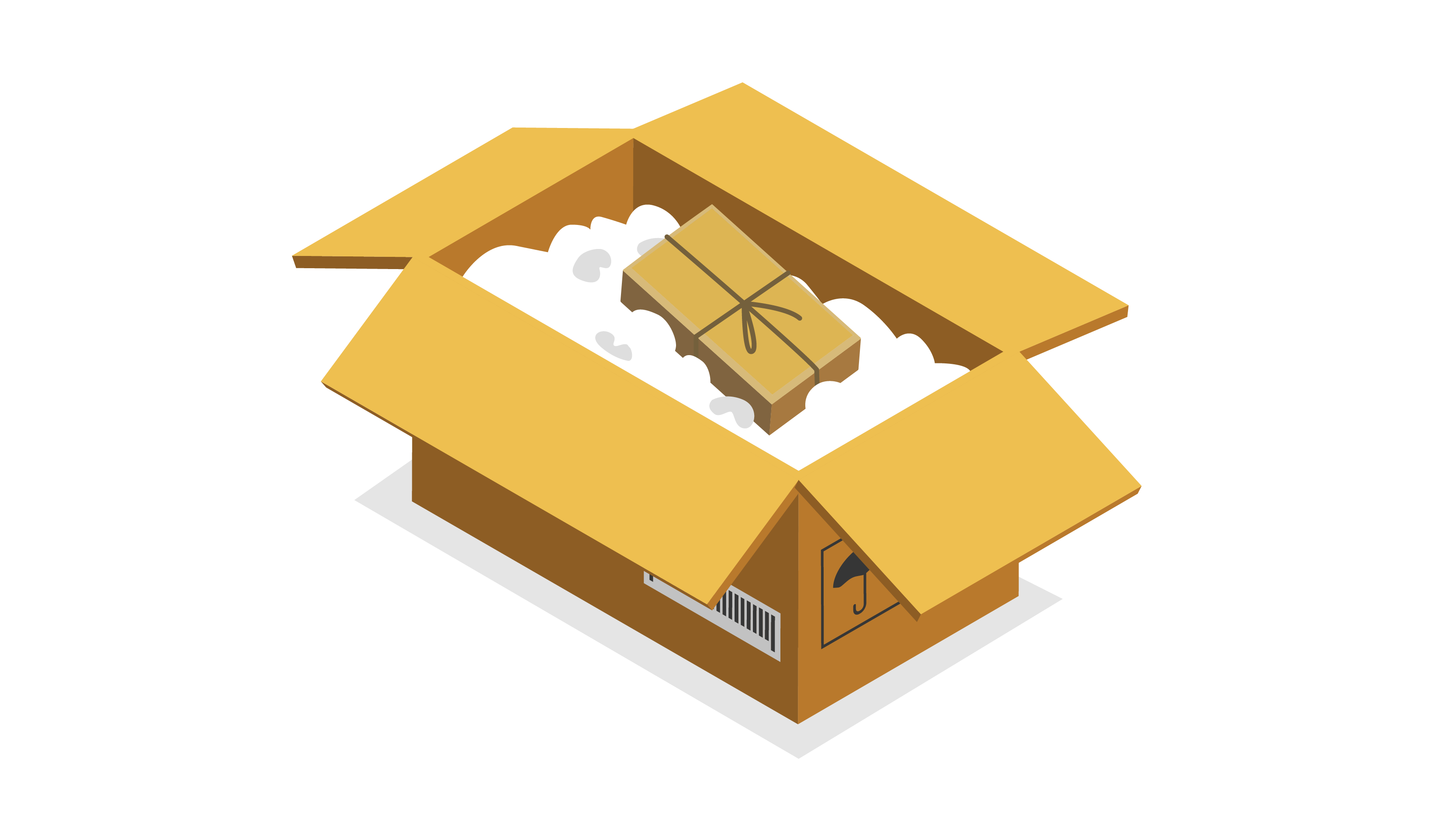
Explore alternatives like recycled cardboard, compostable fillers, or reusable containers. Consider how these materials perform for your product and supply chain needs – durability, weight, moisture resistance, and so on.
3. Redesign packaging for minimalism
Simplify your packaging by eliminating unnecessary void space, reducing layers of printing and branding, and choosing right-sized boxes. Less material means less waste, lower shipping costs, and a cleaner brand message.
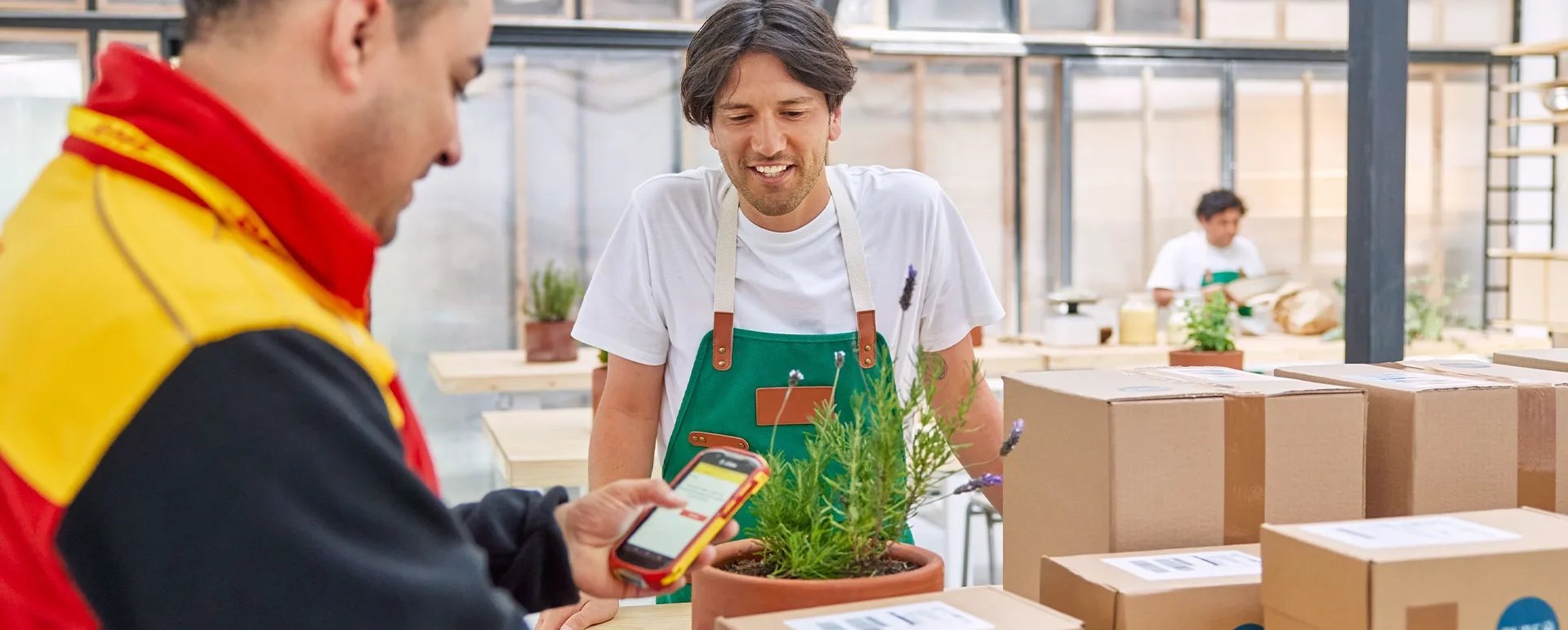
4. Partner with logistics experts like DHL
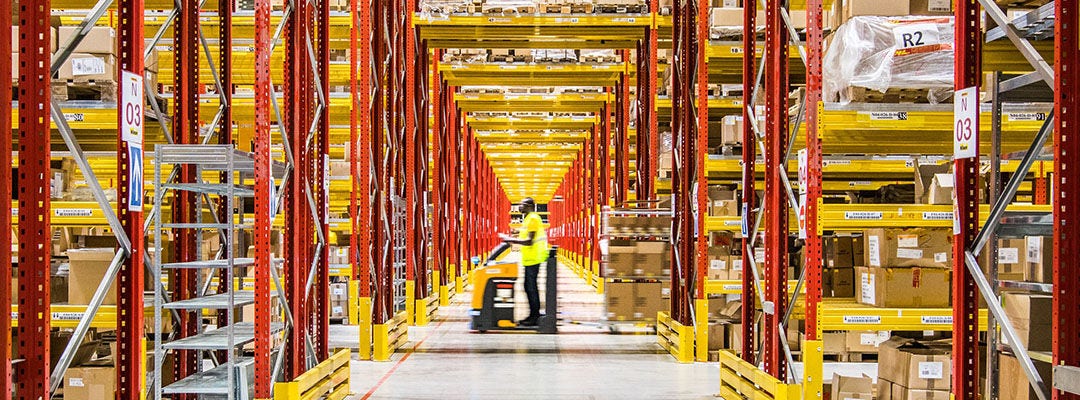
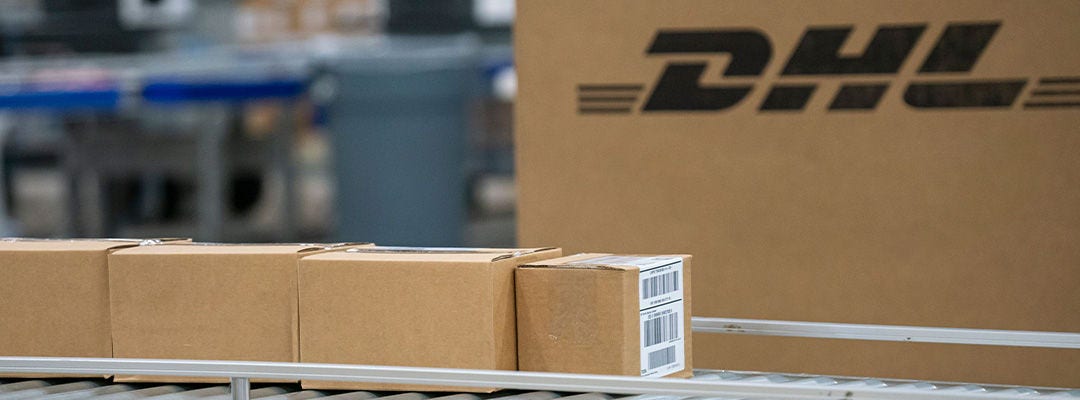
Work with a logistics partner who can help optimize your packaging and shipping process. DHL offers solutions to streamline fulfilment and reduce carbon emissions –aligning with their own ambitious sustainability goals. Collaborating with experts ensures your sustainable packaging strategy is efficient, scalable, and effective.




-glo1195--what-is-green-packaging---what-are-some-examples/Mobile_Header_991x558px.jpg)