Social media optimization is the process of enhancing your brand's social profiles, content and activity to boost visibility, engagement and – ultimately – business outcomes. While social media marketing encompasses the wider promotion of a business through social channels, optimization focuses on making what you're already doing work more effectively.
For e-commerce SMEs, that could mean selecting the right platforms, creating more compelling content, making products easier to find and purchase, and learning from the data your posts generate. In this article, we'll show you how to develop a social media optimization strategy that converts more scrolls, clicks and conversations into customers.
The role of social media in today's e-commerce
For e-commerce companies, social platforms aren't just somewhere shoppers go after discovering a brand elsewhere. Increasingly, they're where discovery itself occurs. In fact, 49% of Gen Z consumers use TikTok to discover their next purchase (1).
This trend is changing the role of your social channels. A prospective customer might find your product, check what other people think of it, ask you a question and complete a purchase all during the same scrolling session. The opportunity for SMEs is to make that experience as compelling and seamless as possible.
How to develop a social media optimization strategy
Before you begin posting more, get clear on what you want your social presence to accomplish.
Set clear business goals
Start with the business result, not the number of likes. Do you want to boost website traffic? Drive sales? Build brand awareness? Encourage repeat orders? Setting one or two clear goals gives your content a purpose – and shows you which metrics truly matter.
Define your target audience
Who are you aiming to reach? Think beyond basic demographics and consider your audience´s interests, behaviors, challenges and buying motivations. Current customer data, website analytics and your social platforms' own insights can all help you understand who is already interacting with your brand.
Select platforms based on where your customers are
Don't automatically create an account on every platform. A fashion brand targeting Gen Z might prioritize TikTok and Instagram; a B2B company could get more value from LinkedIn. Invest your time and resources in the channels where your customers are already active.
Establish your content pillars
Pick three or four themes your content will consistently return to – for example, product inspiration, how-to tips, behind-the-scenes stories and customer content. Content pillars make planning simpler while giving followers a clear idea of what they'll receive from your brand.

How to select the right social media platforms
More channels don't necessarily equal more customers. Before investing your time and resources, consider four factors.
Audience demographics
Examine who uses each platform and compare that with your target customer. More importantly, review your own analytics. This can help you identify where your actual audience is interacting rather than where you assume they are.
Content formats
Play to your strengths. TikTok and YouTube are primarily video-driven platforms, Instagram combines video and visual content, while Pinterest is especially suited for inspirational and product-discovery content. Select platforms that match the content you can realistically produce and maintain consistently.
Business goals
Consider what you want users to do. Some platforms excel at product discovery and shopping; others might be better for generating leads, building authority or creating a community.
Time and resources
Every channel requires content, monitoring and engagement. If you're a small team or two-person business, managing six accounts is unlikely to be sustainable.Why you don't have to be on every platform
A consistently updated account with an active community is more valuable than five abandoned profiles. Begin with one or two high-value channels, measure the results, and then expand when you have the resources and proven approach.
The main social commerce platforms
Here's a brief guide to how each of the key platforms can fit into your strategy.
Platform | Best for | Content formats | Commerce features |
Visual brands, brand discovery and community engagement | Reels, Stories, photos, and carousels | Product tagging and links to e-commerce websites | |
TikTok | Trend discovery, viral culture and short-form storytelling | Short-form videos, images, LIVE streams | TikTok Shop, shoppable content and LIVE shopping (where available) |
Wide audiences and community building | Posts, images, videos, Stories, Groups | Product catalogs, shopping features and promotional tools. | |
Creative inspiration and purchase planning | Pins, video Pins, boards | Product Pins, product tagging and links to retail sites | |
YouTube | Tutorials, product demonstrations and long-form storytelling | Videos, Shorts, live broadcasts | Product tagging and YouTube Shopping for eligible creators |
B2B audiences, professional networking and thought leadership | Posts, articles, videos, newsletters | Lead generation tools and links to your company website |
Commerce features can differ by market and account eligibility. TikTok Shop, for example, enables eligible merchants to sell through shoppable videos, LIVE content and their profile's Showcase, while Pinterest's Product Pins can show details such as pricing and availability before sending shoppers to the merchant´s website.
Creating content and growing a community
Selecting your channels is only half the work. Now you need to give users a reason to stop scrolling – and come back.
Find your customers
Don't wait for customers to find you. Join and monitor the conversations, creators, hashtags and communities related to your niche and pay attention to what people are saying. What questions keep surfacing? What content gets shared most often? What issues need solving? Use those insights to craft content that's truly useful to the audience you want to reach.
Think 'storytelling'
Don't simply show people a product – give them a reason to care about it.
PANGAIA, for example, creates stories around the materials and innovation behind its apparel, from regenerative and recycled fibers to emerging material technologies. That transforms a basic garment into a broader story about what the brand stands for and gives it far more opportunities to engage its audience than simply promoting its newest product drop.
Be personal
Social media should feel social. For an SME, the principle is clear: answer questions, reply to feedback and participate in relevant conversations. A genuinely human voice can be one of your greatest advantages over much bigger competitors.
Keep it engaging
Not every post has to promote something. Tutorials, quick tips, humor, behind-the-scenes clips, polls and customer stories can keep your feed fresh. Ask yourself: would I pause scrolling for this if there wasn't a "Buy now" button attached to it?
Inspire your community to create
Your customers can become content creators, too. Encourage reviews, photos, unboxings and product demos, and repost the best user-generated content (with permission). It provides fresh content for your brand while also offering valuable social proof for prospective customers.

Partnering with creators and influencers
You don't need a celebrity endorsement to make creator collaborations work. Influencer Marketing Hub's 2026 benchmark report2 revealed that 72% of brands surveyed planned to increase their influencer budgets by 50% or more this year, highlighting how vital creators have become to modern brand strategies.
For SMEs, nano creators (those with smaller but often highly engaged audiences) can be especially appealing. The 2026 benchmark indicates strong growth intent around nano creators. Instead of chasing the largest follower count, seek out creators whose audience, content and values closely align with your customers. Relevance and trust can matter far more than audience size alone.
Social commerce: purchasing without leaving the platform
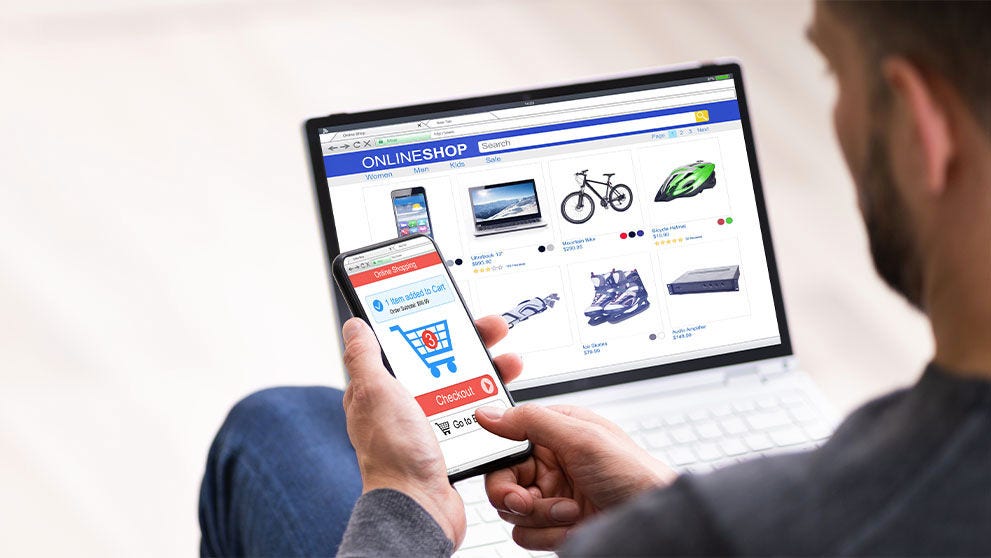
Social commerce reduces the distance between “I like that” and “I've bought it.” Tools such as product tags, shoppable videos, LIVE shopping and in-app purchasing where available enable shoppers to move from discovery to check out in fewer steps. TikTok Shop, for example, allows purchases without leaving the app, while other platforms can direct users straight to a product page.
For SMEs, remove as much friction as possible. Tag the exact item featured, keep product details accurate and make links clear. If someone's ready to purchase, don't make them hunt for your website, search for the item or restart their journey from the beginning.
Social media analysis: tracking what's working
Begin with the metrics that count
You don't need costly software to begin measuring performance. Monitor reach, engagement rate, click-through rate, conversions and follower growth. Your priorities should reflect your business goal: if you're aiming to drive sales, 50,000 views with no clicks might be less valuable than 5,000 views that generate actual orders.
A straightforward engagement-rate formula is:
Engagement rate (%) = interactions ÷ followers × 100
This shows you the percentage of your followers actively engaging with your content, making it simpler to identify which posts are truly connecting with your audience.
Evaluate performance consistently. A monthly review is a good starting point. Look for patterns. When testing updates, adjust one variable at a time, such as the format, posting time or call to action. Otherwise, you won't know what influenced the outcome.
Social media optimization tools to explore
You can create a practical measurement stack without overcomplicating the process:
Native analytics: Meta Business Suite and Instagram Insights, TikTok Analytics and LinkedIn Page analytics can help you analyze reach, engagement and audience behavior on specific platforms. LinkedIn, for example, offers content, follower and visitor analytics to page admins.
Website analytics: Google Analytics 4 paired with UTM-tagged links helps link social traffic with what users do after landing on your website.
Cross-platform dashboards: Hootsuite Analytics, Sprout Social, Buffer and Metricool gather multiple channels into one spot, making reporting and scheduling simpler.
Social listening: Brand24 and Mention can help you track brand conversations and sentiment beyond comments on your own profiles.

Social media optimization tips for teams with tight schedules
Batch your content Set aside a few hours to produce several posts at once. Photograph multiple products, record several short videos or draft a week's worth of captions in one session.
Repurpose across platforms
One concept can become a TikTok, an Instagram Reel, a Pinterest Pin and a YouTube Short. Tailor it to each platform instead of starting from scratch for every channel.
Use a content calendar
Map out key products, launches, seasonal events and content themes in advance. You'll spend less time asking “What should we post today?”
Focus on your top-performing channels
Your time is limited, so follow the data. If two platforms consistently drive the bulk of your engagement, traffic or sales, prioritize them instead of spreading your resources too thinly.
Fulfilling your social orders with DHL Express
So, you've got your social media strategy in place. Now it's time to ensure your fulfillment operations can keep pace with increased demand. With DHL Express, SMEs can ship internationally to over 220 countries and territories, helping convert social-media discovery into global e-commerce expansion.
Open a DHL Express Business Account and get your items moving to customers around the world.


 Share

Similar Stories