Using eco-friendly packaging sends a clear message that your business cares about the environment. This helps build trust and positions your brand as responsible and forward-thinking – qualities today’s consumers actively seek out.

Sustainable packaging isn’t just a trend anymore it’s quickly becoming a must-have for e-commerce businesses. As we head into 2025, more companies are rethinking how they pack and ship products in ways that are better for the planet and make business sense.
And it’s not just talk, the numbers back it up. The global sustainable packaging market is set to hit USD 418.6 billion by 2027 ¹, and 85% of shoppers say eco-friendly packaging influences what they buy ². On top of that, governments are introducing stricter rules around recyclable, reusable, and compostable materials.
So whether you’re just getting started or looking to improve what you already have in place, investing in sustainable packaging is a smart move. It helps you stay competitive, meet customer expectations, and build a more future-ready business.
At its core, sustainable packaging is all about reducing environmental impact at every stage of a product’s journey, from sourcing and production to delivery, use, and disposal. In simple terms, it means choosing materials and designs that create less waste, reduce emissions, and keep resources in use for as long as possible.
The good news? There are plenty of ways to make your packaging more eco-friendly, depending on your products, industry, and supply chain. Here are some of the most common sustainable packaging options businesses are using today:
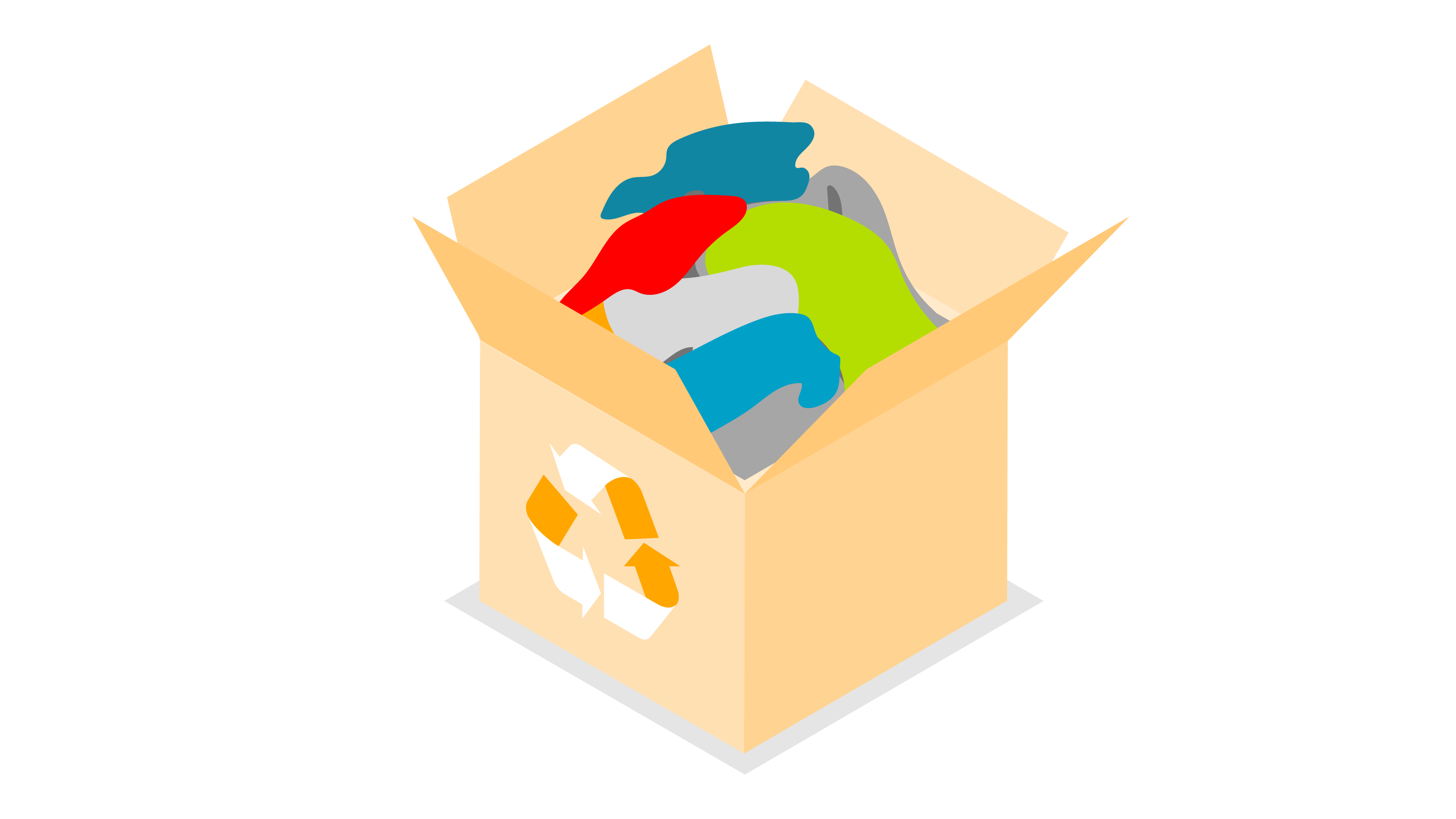
Materials like cardboard, paper, and some plastics that can be reprocessed and reused in new products. Clear labeling helps ensure they end up in the right waste stream.

Made from plant-based materials such as cornstarch or bagasse (sugarcane fiber), these break down naturally in composting conditions.
Similar to compostables, but not always suited for home composting. These materials break down over time through microbial action, though speed and environmental safety can vary.

Designed to be used multiple times – like refillable containers and returnable mailers. A circular solution that’s growing in popularity, especially in subscription and D2C models.
Less is more. This approach reduces excess materials and eliminates unnecessary layers, often through smart design and multifunctional components.
Packaging made from previously used materials (like post-consumer recycled plastics or paper), reducing the need for raw resources, and lowering overall emissions.
Choosing the right sustainable packaging solution isn’t just about ticking a green box – it’s about finding the best fit for your product, customers, and logistics workflow.
Sustainable packaging is no longer just about doing the right thing, it’s a smart business move. Companies that embrace it can unlock real benefits, from cost savings to stronger customer loyalty.
According to the United Nations3, the packaging sector is the largest generator of single-use plastic waste globally, accounting for around 36% of all plastics produced. Much of that ends up in landfills or oceans, where it breaks down into microplastics that pollute ecosystems and enter the food chain.
By switching to recyclable, compostable, or reusable packaging, businesses can cut their environmental footprint and play a direct role in tackling one of the planet’s most pressing waste problems.
Customers are paying attention. Sustainability is now a key factor in purchasing decisions, especially among Gen Z and Millennial shoppers. Recent studies show that over 60% are influenced by eco-friendly packaging when making a purchase4. This means your packaging could be the incentive for a customer to complete a sale.
Sustainable packaging helps you cut down on unnecessary materials, lower shipping volumes, and reduce product damage, meaning less waste for both your business and your customers. Smarter packaging design also keeps warehouses more organized and makes better use of space during transport.
The result? A more efficient supply chain and a smaller environmental footprint at every step of the journey.
While eco-friendly packaging may seem more expensive upfront, it often leads to long-term savings. Here's how:
Plus, by staying ahead of tightening regulations around plastic and waste, businesses can avoid potential fines and compliance costs down the line.
Cost: While sustainable packaging may involve higher upfront costs, it often delivers long-term savings through reduced shipping weight and efficiencies like bulk purchasing. Plus, many customers are willing to pay more for eco-friendly options, making it a worthwhile investment.
Material performance: Advances in cushioning, waterproofing, and temperature-controlled solutions mean sustainable packaging can now match the performance of traditional materials. Testing with logistics partners like DHL helps ensure your packaging meets product requirements.
Scalability: Expanding your sustainable packaging strategy can be challenging, but partnering with logistics experts gives you access to tools and expertise, such as packaging optimization solutions, that make scaling more efficient and cost-effective.
Availability: Sourcing reliable eco-friendly materials can be difficult, but verified supplier networks and platforms like DHL’s Sustainable Product Portfolio help streamline the process and reduce risk.
This table will help you identify the best sustainable packaging solution(s) for your needs.
Sustainable packaging isn’t just good for the planet – it’s a smart business move that can unlock real value across your company.
Using eco-friendly packaging sends a clear message that your business cares about the environment. This helps build trust and positions your brand as responsible and forward-thinking – qualities today’s consumers actively seek out.
Shoppers are increasingly choosing brands that align with their values. Sustainable packaging can boost repeat purchases and attract new customers who want to support businesses making a positive impact.
While some sustainable materials might cost more initially, you’ll often save money in the long run. Think reduced shipping fees from lighter packaging, less waste to manage, and lower disposal costs.
Eco-friendly packaging often means smarter design – right-sized boxes, less filler, and simplified materials – which streamlines packing and shipping. This can speed up fulfilment and reduce errors.
Sustainability opens doors to collaborations with like-minded suppliers, logistics providers, and customers. These partnerships can lead to innovation, better service, and a more resilient supply chain.
Making the shift to sustainable packaging doesn’t have to be complicated. By breaking the process into clear, manageable steps, you can build a strategy that works for your business and your budget.
1. Review your current packaging
Start by understanding what you’re using today. Analyze package sizes, materials, and how recyclable or compostable they are. This will help you identify quick wins and areas with the biggest impact.
2. Explore eco-friendly materials
Look into sustainable alternatives such as recycled cardboard, biodegradable fillers, or reusable packaging. Make sure they meet your product’s needs in terms of durability, weight, and protection.
3. Simplify your packaging design
Reduce excess by eliminating empty space, minimizing layers, and using right-sized packaging. This not only cuts waste but also lowers shipping costs and improves efficiency.
4. Work with experienced logistics partners
Collaborating with logistics experts like DHL can help you optimize packaging and streamline delivery. With the right partner, you can reduce emissions, improve operations, and scale your sustainable strategy more effectively.
-glo1195--what-is-green-packaging---what-are-some-examples/Mobile_Header_991x558px.jpg)


 Share
Share