Social media optimization is the process of improving your brand's social profiles, content and activity to increase visibility, engagement and – ultimately – business results. While social media marketing covers the broader promotion of a business through social channels, optimization focuses on making what you're already doing work harder.
For e-commerce SMEs, that could mean choosing the right platforms, creating more engaging content, making products easier to discover and buy, and learning from the data your posts generate. In this article, we'll show you how to build a social media optimization strategy that turns more scrolls, clicks and conversations into customers.
The role of social media in modern e-commerce
For e-commerce businesses, social platforms aren't simply somewhere customers go after discovering a brand elsewhere. Increasingly, they're where discovery itself happens. In fact, 49% of Gen Z consumers use TikTok to find their next purchase1.
That changes the role of your social channels. A potential customer might discover your product, check what other people think of it, ask you a question and buy – all during the same scrolling session. The opportunity for SMEs is to make that journey as engaging and friction-free as possible.
How to build a social media optimization strategy
Before you start posting more, get clear on what you want your social presence to achieve.
Set clear business objectives
Start with the business outcome, not the number of likes. Do you want to increase website traffic? Generate sales? Build brand awareness? Encourage repeat purchases? Setting one or two clear objectives gives your content a purpose – and tells you which metrics actually matter.
Identify your target audience
Who are you trying to reach? Think beyond basic demographics and consider interests, behaviors, problems and buying motivations. Existing customer data, website analytics and your social platforms' own insights can all help you understand who's already engaging with your brand.
Choose platforms based on where your customers are
Don't automatically open an account everywhere. A fashion brand targeting Gen Z may prioritize TikTok and Instagram; a B2B business might get more value from LinkedIn. Put your time into the places where your customers are already active.
Define your content pillars
Choose three or four themes your content will regularly return to – for example, product inspiration, how-to advice, behind-the-scenes stories and customer content. Content pillars make planning easier while giving followers a clear sense of what they'll get from your brand.

How to choose the right social media platforms
More channels don't necessarily mean more customers. Before committing your time, consider four things.
Audience demographics
Look at who uses each platform and compare that with your target customer. More importantly, check your own analytics: they can tell you where your real audience is engaging rather than where you assume they are.
Content formats
Play to your strengths. TikTok and YouTube are naturally video-led, Instagram mixes video and visual content, while Pinterest is particularly suited to inspirational and product-discovery content. Choose platforms that fit the content you can realistically create.
Business objectives
Think about what you want users to do. Some platforms excel at product discovery and shopping; others may be stronger for generating leads, building expertise or creating a community.
Time and resources
Every channel needs content, monitoring and interaction. If you're a two-person business, maintaining six accounts probably isn't realistic.
Why you don't need to be on every platform
A regularly updated account with an engaged community is more valuable than five neglected profiles. Start with one or two high-value channels, learn what works, then expand when you have the resources.
The major social commerce platforms
Here's a quick guide to where each of the major platforms can fit into your strategy.
| Platform | Best for | Content formats | Commerce features |
| Visual brands, discovery and community | Reels, Stories, images, carousels | Product tagging and links to online stores | |
| TikTok | Discovery, trends and short-form storytelling | Short videos, photos, LIVE | TikTok Shop, shoppable content and LIVE shopping where available |
| Broad audiences and community building | Posts, images, video, Stories, Groups | Product catalogs, shopping and advertising tools | |
| Inspiration and purchase planning | Pins, video Pins, boards | Product Pins, product tagging and links to merchant sites | |
| YouTube | Education, demonstrations and long-form storytelling | Videos, Shorts, livestreams | Product tagging and YouTube Shopping for eligible channels |
| B2B audiences and thought leadership | Posts, articles, video, newsletters | Lead-generation tools and links to your online store or website |
Commerce features can vary by market and account eligibility. TikTok Shop, for example, allows eligible sellers to sell through shoppable videos, LIVE content and their profile's Showcase, while Pinterest's Product Pins can display information such as price and availability before directing shoppers to the merchant.
Creating content and building a community
Choosing your channels is only half the job. Now you need to give people a reason to stop scrolling – and come back.
Find your customers
Don't wait for customers to discover you. Find the conversations, creators, hashtags and communities relevant to your niche and pay attention to what people are discussing. What questions keep appearing? What content gets shared? What problems need solving? Use those insights to shape content that's genuinely useful to the people you want to reach.
Think 'storytelling'
Don't just show people a product – give them a reason to care about it. PANGAIA, for example, builds stories around the materials and innovation behind its clothing, from regenerative and recycled fibres to new material technologies. That turns a simple garment into a bigger story about what the brand stands for – and gives it much more to talk about than its latest product drop.
Be personal
Social media should feel social. For an SME, the principle is simple: answer questions, respond to feedback and join relevant conversations. A recognizably human voice can be one of your biggest advantages over much larger competitors.
Keep it entertaining
Not every post needs to sell something. Tutorials, quick tips, humor, behind-the-scenes clips, polls and customer stories can keep your feed varied. Ask yourself: would I stop scrolling for this if there wasn't a "Buy now" button attached?
Encourage your community to create
Your customers can become content creators, too. Encourage reviews, photos, unboxings and product demonstrations, and reshare the best user-generated content with permission. It gives you fresh material while providing social proof for potential customers.

Working with creators and influencers
You don't need a celebrity endorsement to make creator partnerships work. Influencer Marketing Hub's 2026 benchmark report2 found that 72% of brands surveyed expected to increase their influencer budgets by 50% or more this year, showing how important creators have become within brand strategies.
For SMEs, nano creators – creators with relatively small but often highly engaged audiences – can be particularly interesting. The 2026 benchmark shows strong expansion intent around nano creators. Instead of chasing the biggest follower count, look for creators whose audience, content and values genuinely match your customers. Relevance and trust can matter far more than raw reach.
Social commerce: buying without leaving the platform
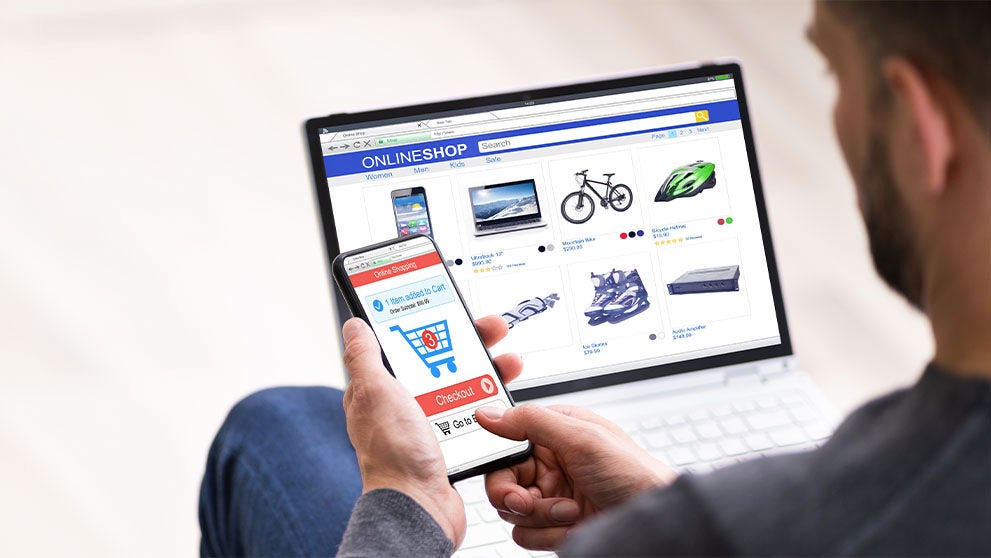
Social commerce shortens the distance between “I like that” and “I've bought it.” Features such as product tags, shoppable videos, LIVE shopping and in-app purchasing where available allow customers to move from discovery towards checkout with fewer steps. TikTok Shop, for example, supports purchases without leaving the app, while other platforms can send users directly to a product page.
For SMEs, remove as much friction as possible. Tag the exact product featured, keep product information accurate and make links obvious. If someone's ready to buy, don't make them hunt for your website, search for the product and start their journey again.
Social media analysis: measuring what's working
Start with the metrics that matter
You don't need expensive software to start measuring performance. Track reach, engagement rate, click-through rate, conversions and follower growth. Your priorities should reflect your objective: if you're trying to generate sales, 50,000 views with no clicks may be less valuable than 5,000 views that produce orders.
A simple engagement-rate calculation is:
Engagement rate = interactions ÷ followers × 100
This gives you the percentage of your followers actively interacting with your content, making it easier to see which posts are really connecting with your audience.
Review performance regularly – monthly is a useful starting point – and look for patterns. When testing changes, alter one variable at a time, such as the format, posting time or call to action. Otherwise, you won't know what caused the result.
Social media optimization tools to consider
You can build a useful measurement stack without making it complicated:
- Native analytics: Meta Business Suite and Instagram Insights, TikTok Analytics and LinkedIn Page analytics can help you understand reach, engagement and audience behavior on individual platforms. LinkedIn, for example, provides content, follower and visitor analytics to page admins.
- Website analytics: Google Analytics 4 combined with UTM-tagged links helps connect social traffic with what visitors do after reaching your website.
- Cross-platform dashboards: Hootsuite Analytics, Sprout Social, Buffer and Metricool bring multiple channels into one place, making reporting and scheduling easier.
- Social listening: Brand24 and Mention can help you monitor brand conversations and sentiment beyond comments on your own pages.

Social media optimization tips for teams with limited time
Batch your content
Set aside a few hours to create several posts at once. Photograph multiple products, film several short videos or write a week's captions in one session.
Repurpose across platforms
One idea can become a TikTok, Reel, Pinterest Pin and YouTube Short. Adapt it to each platform rather than starting from scratch every time.
Use a content calendar
Plan key products, launches, seasonal moments and content themes in advance. You'll spend less time wondering “What should we post today?”
Focus on your highest-value channels
Your time is limited, so follow the data. If two platforms consistently deliver the majority of your engagement, traffic or sales, prioritize them rather than spreading your resources too thinly.
Fulfilling your social sales with DHL Express
So, you've got your social media strategy in check – now make sure your fulfillment can keep up with those new customers. With DHL Express, SMEs can ship internationally to more than 220 countries and territories, helping turn social-media discovery into global e-commerce growth.
Open a DHL Express Business Account and get your products moving to customers around the world.


 Share

Similar Stories