What does the future of logistics look like?
From faster deliveries to smarter, more resilient supply chains, 2026 is set to be a defining year for the logistics industry. Advances in technology, data, and sustainability are helping businesses move goods more efficiently—while meeting rising customer expectations.
For SMEs, understanding the logistics trends of 2026 is essential to optimizing operations, reducing costs, and staying competitive in an increasingly global market. Let’s explore the key developments you should be preparing for.
AI in Logistics: Smarter Decisions, Faster Operations
Think of artificial intelligence as your logistics co-pilot. By 2026, AI will take on more routine yet critical tasks through autonomous decision-making, allowing SMEs to focus on strategy, growth, and customer experience.

Smarter shipment rerouting
AI systems can detect disruptions such as traffic congestion, extreme weather, or port delays and automatically reroute shipments in real time. This keeps deliveries moving, minimizes delays, and helps customers receive their orders faster—without manual intervention.

Optimized inventory management
By analyzing purchasing behavior, seasonal demand, and sales trends, AI ensures you hold the right stock at the right time. This reduces overstocking, lowers storage costs, and helps eliminate frustrating “out of stock” messages for customers.
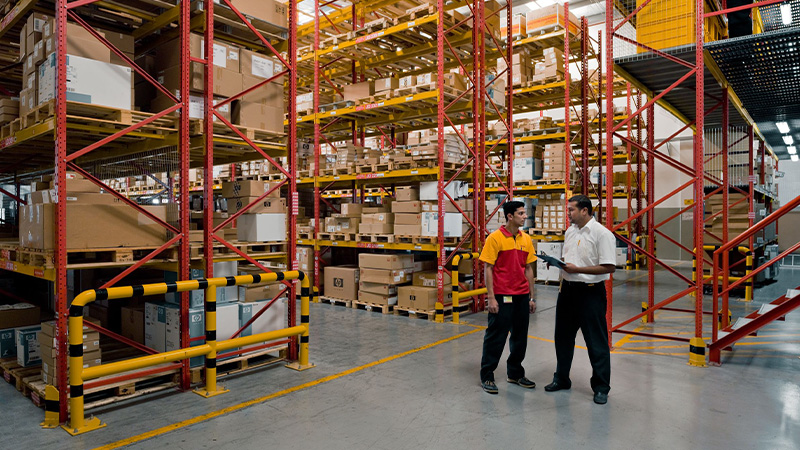
Automated supplier communication
In 2026, AI will routinely handle supplier updates—sending order confirmations, checking stock availability, and verifying delivery timelines. This reduces administrative workload and improves supply chain visibility.
How your SME can keep up
Start with simple AI-driven tools such as demand forecasting or delay alerts. To unlock greater value, partner with logistics providers that already integrate AI into their operations.
Sustainable Logistics: From Trend to Business Essential
Sustainability is no longer optional. As consumers become more environmentally conscious, eco-friendly logistics practices will play a major role in purchasing decisions in 2026.
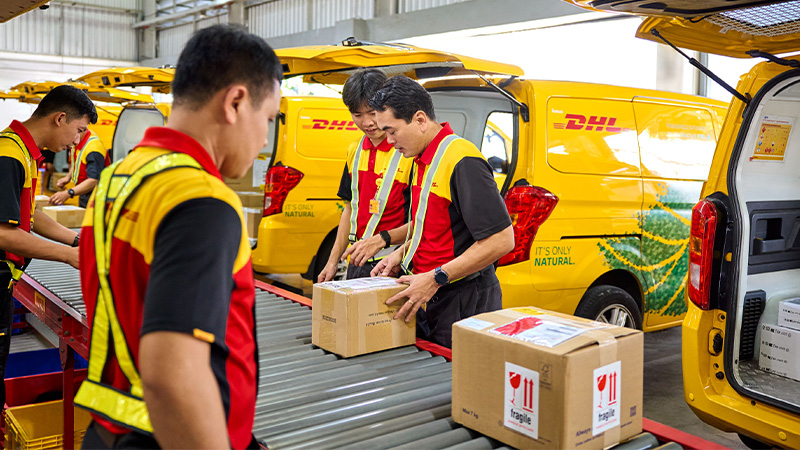
Next-generation shipping efficiency
Advanced logistics platforms—such as route optimization tools and transport management systems (TMS)—can consolidate shipments, maximize vehicle capacity, and select the most sustainable transport options. This reduces unnecessary trips and cuts emissions.

Real-time carbon footprint tracking
New analytics dashboards allow businesses to monitor emissions per shipment or route. With this data, SMEs can make greener choices without compromising delivery speed or reliability.

Reusable and circular packaging
Reusable packaging solutions are gaining traction. Smart tracking systems indicate when containers can be collected, cleaned, and reused—helping reduce waste while lowering long-term packaging costs.
How your SME can keep up
Begin with small steps, such as switching to recyclable packaging. As your business grows, consider logistics partners that offer low-carbon shipping solutions to make sustainability part of every delivery.
Elastic Logistics: Powering Omnichannel Growth
Elastic logistics gives SMEs the flexibility to adapt quickly to demand fluctuations, seasonal peaks, and new sales channels—making it a key trend for omnichannel success in 2026.

Predictive planning and forecasting
With data-driven dashboards, businesses can anticipate demand surges or potential delays weeks in advance. This enables better planning for inventory, staffing, and shipping—reducing last-minute stress and costs.

Smarter resource allocation
AI-powered systems can automatically shift inventory, vehicles, and workforce resources to where they’re needed most. If one warehouse becomes overloaded, stock and deliveries can be rebalanced seamlessly.
How your SME can keep up
Choose flexible warehousing, inventory, and delivery solutions that scale with your business. This ensures you’re prepared for peak seasons—or expansion into new markets—without overspending.
Navigating Tariff Challenges and Cross-Border Trade
Global trade conditions will remain unpredictable in 2026, making agility essential for SMEs engaged in cross-border shipping.
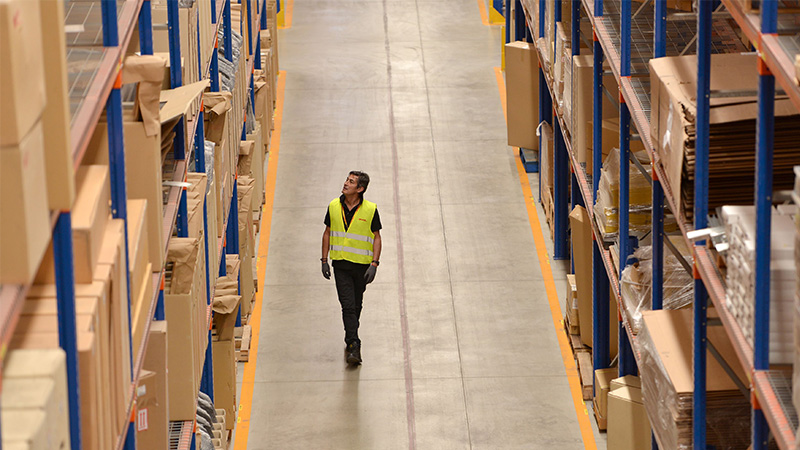
Customs-friendly storage solutions
Bonded warehouses allow imported goods to be stored without paying duties until they’re sold. This improves cash flow management and gives businesses greater inventory control.
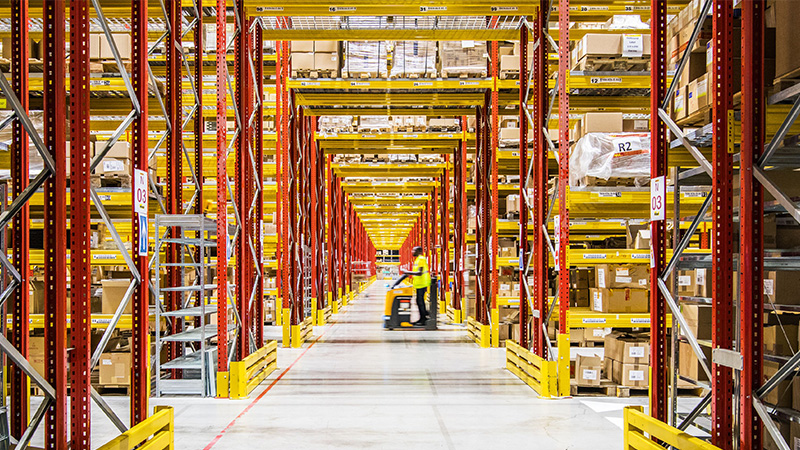
Diversifying supply chains
To reduce risk, more SMEs are sourcing from multiple countries and suppliers. Relying on a single market increases exposure to sudden tariff changes or regulatory shifts.

Flexible pricing and cost planning
Businesses are increasingly building contingency buffers into pricing and budgeting models to protect margins when tariffs or trade rules change unexpectedly.
How your SME can keep up
Stay informed on trade regulations and work with logistics partners experienced in international shipping and customs compliance. Regularly reviewing your logistics strategy can turn regulatory challenges into growth opportunities.
Navigate 2026’s Logistics Trends with DHL
From AI-powered forecasting and sustainable supply chains to elastic logistics and cross-border expertise, 2026 presents major opportunities for SMEs ready to adapt.
With DHL as your logistics partner, you gain access to the tools, technology, and global expertise needed to turn industry trends into business growth—helping you stay competitive, efficient, and future-ready.


 Share
Share
Similar Stories