What does the future of logistics look like? From faster deliveries to smarter supply chains, 2026 is shaping up to be a year where technology and innovation help businesses move more efficiently – and sustainably.
Knowing which logistics trends are set to shape the foreseeable will help your business optimize operations – and stay competitive. So, let’s explore the key ones to watch out for.
AI in logistics
Think of AI as your new co-pilot. In 2026, it’ll handle routine but essential tasks on its own – what we call “autonomous decision-making” – so your SME can focus on bigger-picture decisions and growth:

Rerouting shipment
AI can spot disruptions like traffic, weather, or port delays and adjust delivery routes in real time. That means packages keep moving smoothly, delays are minimized, and your customers get their orders faster – without your team having to step in manually.

Tweaking inventory
By analyzing sales trends and customer habits, AI ensures you have the right stock at the right time. The result? You'll avoid excess inventory, whilst your customers will never see an “out of stock” message again.
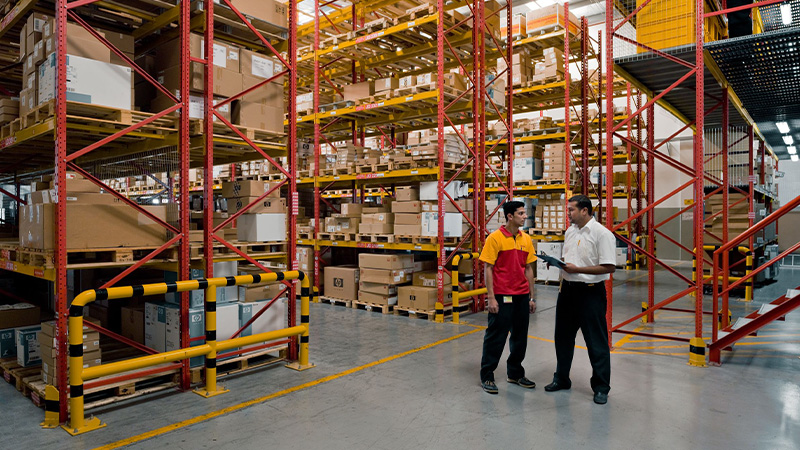
Touching base with suppliers
Imagine AI automatically sending order updates, confirming delivery times, or checking stock levels with your suppliers – without you having to juggle emails and calls. In 2026, this will be a normal part of how your business runs.
How your SME can keep up
Start small and build up. Even basic tools that predict demand or flag delays can save you time and cut headaches. And to really get the most out of AI, partner with logistics providers who are already using these systems.
Sustainable logistics
Sustainability isn’t just a “nice-to-have” anymore. As consumers become more eco-conscious, it could be the key to attracting more of them through your online doors in 2026. Growing trends include:
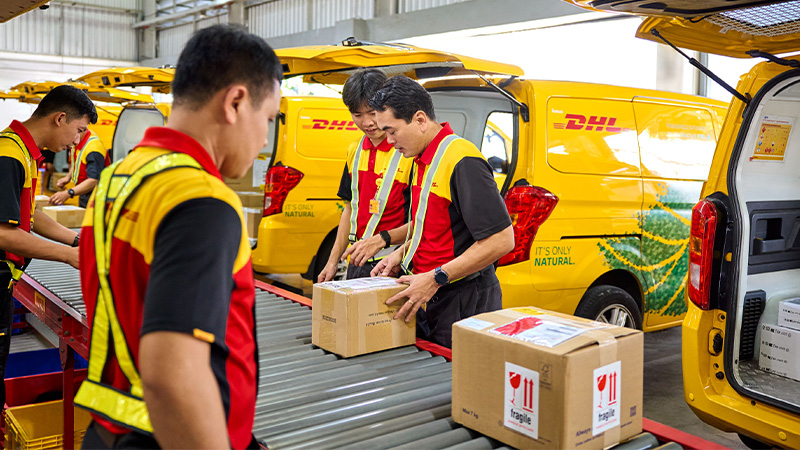
Next-gen shipping efficiency
Smart logistics platforms – like route optimization software and transport management systems (TMS) – can now combine multiple orders into one trip, fill vehicles to capacity, and pick the most sustainable transport mode for each shipment. The result? Fewer “empty”, wasteful miles.

Carbon footprint tracking
New dashboards make it easy to see emissions per shipment or route in real time. With that data, you can make choices that reduce your footprint without slowing your business.

Reusable packaging loops
More businesses are using packaging that can be returned, cleaned, and reused. Smart tracking systems show when a box or container is ready to be picked up from the customer or a nearby drop-off point, so it can be sent out again – saving money and cutting waste.
How your SME can keep up
The great thing about sustainability is you can start small – switching to recyclable packaging, for example, is a simple yet effective change. Once you’ve got that down, why not level up? Look for carriers that offer low-carbon shipping options to make every delivery a little greener.
Elastic logistics for omnichannel success
As the name suggests, “elastic” logistics gives SMEs the flexibility to respond fast to seasonal spikes, new sales channels, or sudden demand. Top priorities in 2026:

Predictive planning
Imagine getting a heads-up that sales for a certain product are about to surge, or that a shipment might hit delays next month. With dashboards that track trends and demand patterns, you can plan stock, staffing, and shipping schedules before the rush hits – saving time, money, and stress.

Smarter resource allocation
In 2026, more SMEs will lean on smart systems that automatically move stock, vehicles, and people to where they’re needed most. Think of it like having a built-in logistics coordinator – one that spots when a warehouse is getting busy and shifts inventory or drivers to balance the load.
How your SME can keep up
Start with flexible partners and tools that grow with you. Look for warehouses, delivery options, and inventory systems that adjust to your needs – so you’re ready for peak seasons or even expanding into new markets without breaking the bank.
Tariff challenges
Cross-border trade will remain unpredictable in 2026, so SMEs will need to stay nimble to protect margins and keep operations running smoothly. Key trends to watch:
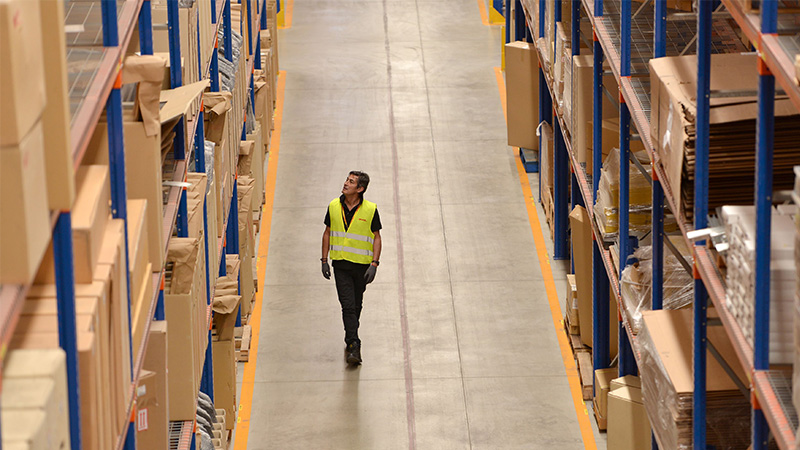
Customs-friendly storage solutions
Bonded warehouses are gaining popularity, letting SMEs store imported goods without paying duties until they’re ready to sell. This trend provides more control over cash flow and inventory.
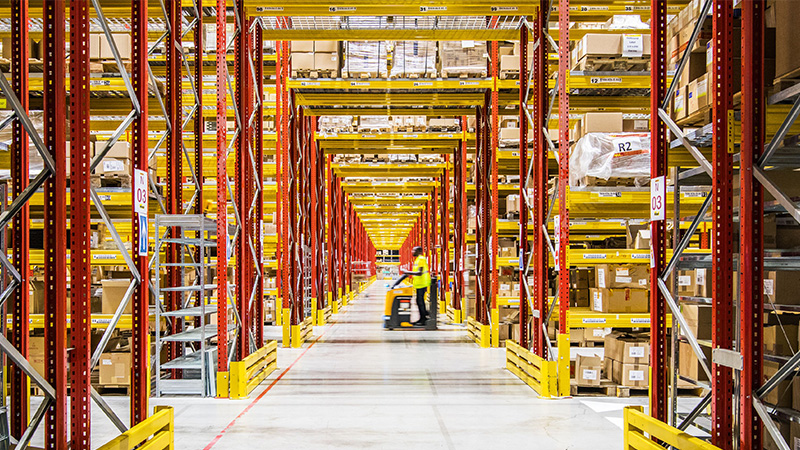
Diversifying supply chains
SMEs are increasingly spreading risk by sourcing from multiple countries or suppliers. Relying on a single market could leave your business vulnerable to sudden tariff changes.

Flexible pricing and budgeting
Businesses are factoring potential tariff hikes into their pricing and cost models. Contingency planning is becoming standard to maintain margins even when trade rules shift.
How your SME can keep up
Stay informed about trade developments and partner with logistics providers who understand cross-border rules. Regularly reviewing your shipping strategies can help you respond quickly when regulations shift – turning potential hurdles into opportunities.
Navigate 2026’s logistics trends with DHL
From smarter forecasting and sustainable supply chains to elastic operations and cross-border diversification, 2026 will bring plenty of opportunities for SMEs willing to adapt.
With DHL as a partner, you’ll receive the expertise and tools to turn trends into growth – helping your business stay ahead of the curve.


 Share
Share

Similar Stories