#eCommerceAdvice

What is E-Commerce? Your Ultimate Guide

Anna Thompson
Anna Thompson
Discover the content team
7 min read
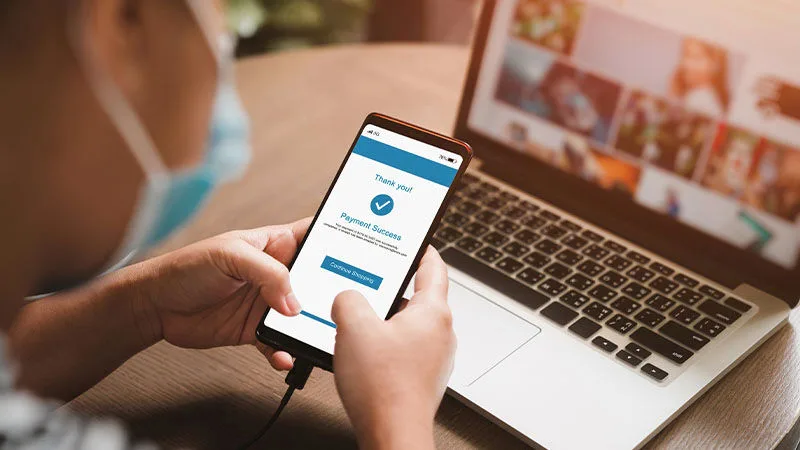
woman smiling at mobile phone

Looking to step into the thriving and lucrative world of e-commerce? Our ultimate guide covers all the essential things you should know for success – including the types of e-commerce, benefits, critical aspects, challenges, notable examples, the future of e-commerce, and the key to optimising your business’s logistics operations.

Definition of e-commerce

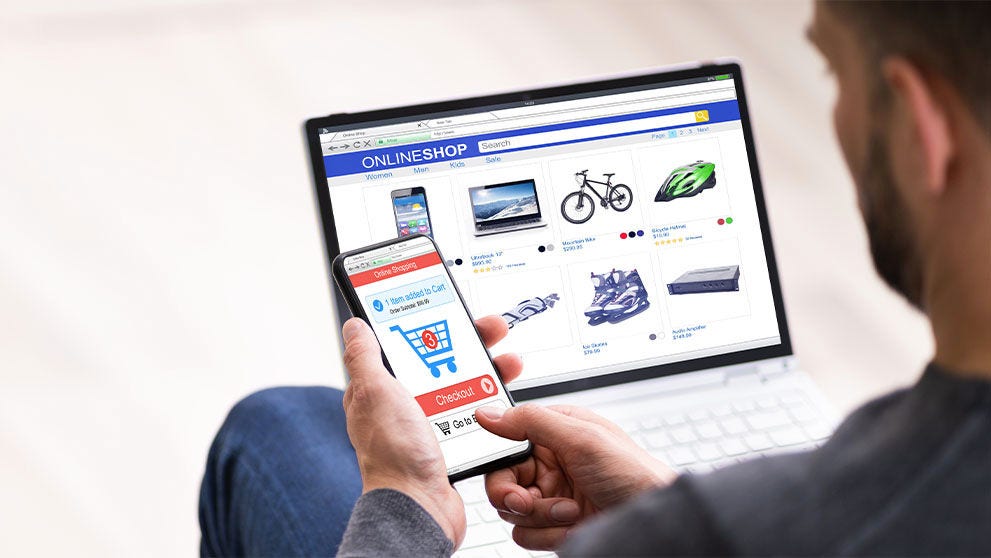
E-commerce is defined as the buying and selling of goods and services over the internet. It differs from traditional commerce which is focused on the face-to-face exchange of products and services. Over time, the meaning of e-commerce has also expanded to include digital transactions beyond just retail, such as online marketplaces and online banking.


Thanks to rapid digitalisation, e-commerce is becoming a regular habit for many people across the world. In the UK alone, Statista projects that the number of e-commerce users will reach around 62.6 million by 2030.


Types of e-commerce

There are several types of e-commerce. Some examples include:

B2C

Business-to-consumer is the most common type of e-commerce that you are probably most familiar with. It involves online businesses – typically retailers – selling products and services directly to consumers. 

Examples include grocery and apparel brands, small businesses with their own e-commerce website, and subscription-based services, like Netflix. These sectors are where m-commerce has seen significant growth, as consumers increasingly use their smartphones and tablets to browse and purchase goods online.

B2B

Business-to-business (B2B) is the online sale of goods and services between businesses. It can also involve a business purchasing goods to sell on to end consumers — a model known as wholesale commerce (B2B to B2C).

B2B e-commerce is a fast-growing sector; typically negotiations would have been done in person, but due to digitalisation and expectations from personal purchase experiences, much of it is moving online.

C2C

The definition of Consumer-to-consumer (C2C) e-commerce is the online purchase of goods and services between individual consumers. These transactions typically take place via third-party platforms such as Vinted or Facebook Marketplace.

C2B

Consumer-to-business (C2B) is where consumers sell their products or services to businesses.  Examples include online influencers selling ad space on their blog or a photographer selling their images to businesses via a dedicated platform like Shutterstock.

B2G

Business-to-government (B2G) e-commerce involves businesses selling goods or services to government agencies through online platforms.

This often includes supplying office supplies, IT equipment, or software solutions through dedicated government procurement portals. For example, a company might bid on a contract to provide laptops to a government department through an online tendering system.

C2G

Consumer-to-government (C2G) e-commerce, while less common, involves individuals selling goods or services to government entities online. This might include a freelance writer submitting an article to a government-run online publication or a photographer licensing their images to a government agency.

G2B

Government-to-business (G2B) e-commerce involves government agencies providing services or information to businesses electronically. For example, companies can use online portals to pay taxes, file annual returns, or apply for import/export licenses.

G2C

Government-to-consumer (G2C) e-commerce involves government agencies providing services or information to citizens online.

This encompasses a wide range of online services, such as renewing driver's licenses, paying for parking permits, applying for passports, or accessing public records.

 

Benefits of e-commerce

Any small or existing business looking to grow should make e-commerce a central part of their strategy. It’s a lucrative opportunity, and it has never been easier to set up an online store. The many benefits include:

It's growing

Global e-commerce sales activity is expected to scale to approximately US $83.3 trillion by 2030, highlighting how digital commerce is set to become the dominant form of trade.2

Internet and smartphone penetration rates continue to climb across the world – even in developing countries – meaning e-commerce’s potential reach is limitless.

Low operating costs

Setting up an online store is much more affordable than a brick-and-mortar outlet, without the need to pay for rent, store design and staff. Many budding e-commerce entrepreneurs start small by selling through online marketplaces online marketplaces like eBay, which involve relatively low risks and setup costs. Beyond marketplaces, social selling has become an increasingly popular entry point for new businesses. Platforms such as Instagram, Facebook Marketplace, and TikTok Shop now allow sellers to reach audiences directly where they already spend their time online. These platforms combine discovery, engagement, and checkout in one seamless experience — making it easier than ever for small businesses to build a following and start selling with minimal investment.

Global reach

Thanks to the growth of international shipping, it has never been easier to open your online store to the world. Of course, this requires some market research into which countries are hot buyers of your products and ensuring your e-commerce website is customised for local buyers (think language and payment methods), but the opportunity to maximise your sales is vast.

Powerful customer data

You can’t improve your business without really knowing your customers, and this is where e-commerce really thrives. As an online seller, you’ll have access to invaluable behavioural data about your customers: how they arrived at your website, what products they were searching for, where their engagement was highest, and what made them abandon a cart – all of which you can utilise to continually improve your business and maximise sales.

Potentially lower start-up costs

Starting an e-commerce business typically requires far less upfront capital than launching a physical store. With no need for commercial leases, interior fit-outs, or large initial stock purchases, entrepreneurs can test ideas and products without overcommitting financially.

Digital platforms have lowered entry barriers even further. Website builders such as Shopify and Wix offer affordable plans that include hosting, payment gateways, and analytics tools — allowing new brands to establish a professional online presence quickly. Some also opt for dropshipping models, which remove the need to hold inventory altogether by shipping products directly from suppliers to customers.


Key components of e-commerce

When setting up an online business, these are the most important components of a successful e-commerce business strategy.

Customer engagement

A big one. At every touchpoint of your online presence – from your e-commerce website to your social media channels to your marketing emails – you should be carefully considering the customer experience. Online shoppers expect ease, convenience and speed – and so much of that is tied into the next point.

Website and design

Your website is the face of your brand – but its importance goes beyond its aesthetic. Visitors will expect a fast, intuitive experience otherwise they’ll abandon your website altogether. There’s a lot to consider – from page loading speed to navigation to customer service – so check out our 22 golden rules of e-commerce to tick them all off.

Online payments

Did you know that 70% of online shoppers consider the availability of their preferred payment method very or extremely influential when it comes to choosing online stores for their purchases4? But which ones should your business offer? Credit cards? Digital wallets? And what about ‘buy now pay later’ instalment plans?

Dive into our guide to the new ways to pay to get started – and remember to do your research into local preferences if you’re selling internationally.


Dynamic pricing

Dynamic pricing involves changing the prices of your products based on market trends, supply and demand, inventory level and customer expectations. Being flexible with your pricing strategy is key to remaining competitive – for example, price matching a competitor’s products.

Today, there are many AI-powered technology platforms that can monitor your inventory to find the optimal price points for your products based on demand. This will benefit your business and your customers.

Supply chain

The supply chain is the entire network involved in the sourcing and procurement of raw materials, conversion of those materials into finished goods, and the distribution of those finished goods. As an e-commerce business, you may work with several partners along the supply chain, so maintaining regular communication is key to anticipating hurdles and putting plans in place – such as if a supplier is going to be late with one of their deliveries to you.

An agile supply chain can quickly adapt to market changes, anticipate spikes in demand, and meet customers’ delivery expectations.

Logistics

Logistics is the part of the supply chain your business is responsible for and covers procurement, inventory management, distribution, warehousing, transportation, packaging and risk management. Sustainable logistics is increasingly important as businesses and consumers place an ever greater emphasis on environmental responsibility. , Logistics overall should be considered essential for managing costs, staying competitive, getting products to customers on time, and meeting customer expectations. 

There are an increasing number of technologies available to help you optimise these operations – for example, software to improve the efficiency of your warehouse layout and route planning software to reduce your transportation costs. Discover more ways to enhance your operations in our logistics solutions guide.

Returns

It’s an unfortunate downside of e-commerce that products are frequently returned by consumers. But before you skip this section, consider this: 67% of consumers will check an online retailer’s return policy before committing to a purchase5, so taking returns seriously is key. In fact, it’s so important that we’ve written a whole article about it – including a free returns template with everything your customers will expect.

Challenges of e-commerce

It wouldn’t be a complete e-commerce article without acknowledging some of the challenges of the sector. The key is to be aware of them and stay one step ahead!

Customer experience

Customers’ expectations of their online experiences are growing – keeping up with them can be demanding and expensive. For example, 66% of shoppers now expect free shipping on every order they make online6, whilst 79% of consumers are changing their purchasing habits to reflect their sense of social responsibility7. And these examples are just a couple of many. Yet, investing in customer experience is vital for your e-commerce business – remember, it’s cheaper to retain a loyal customer than acquire a new one!

Competition

E-commerce is fiercely competitive – whatever you’re selling -  meaning that there are likely to be countless other online businesses out there offering the same.

By conducting a thorough competitor analysis, you can learn best practices to market and sell more effectively and identify gaps in the market your business can pivot to meet.

So, what are your business’s strengths? Where are you falling short of your competitors? And what strategy should you take to improve? Our free competitor analysis template will help you find the answers.

Website and conversion

More than ever, online retail is becoming a major channel. By 2026, global e-commerce sales are projected to reach approximately US $8.1 trillion8 — underscoring the growing scale of the opportunity. As competition intensifies, converting visitors into paying customers will be a key differentiator for online businesses.

To maximise conversions, analyse your website data to identify where customers may be dropping off. For example, if users tend to leave when asked to create an account, offering a Guest Checkout option can reduce friction and boost sales.

Website optimisation is an ongoing process, but even small adjustments — such as faster load times, clearer navigation, and simplified payment options — can have a measurable impact on your bottom line.


The future of e-commerce

What does the future of e-commerce hold? What e-commerce trends will continue to be popular? And what does that mean for your business’s growth strategy?

Omnichannel retail will continue to grow

The way online consumers shop is often a complex journey involving several different channels. They may research a brand on Instagram, compare prices on an online marketplace, then complete the purchase on a brand’s dedicated mobile app. 

The challenge for businesses is to ensure these different touchpoints work together; 75% of shoppers want a personalised and consistent experience across all channels they choose to engage with14. Check out our tips for success here.

AI for automation

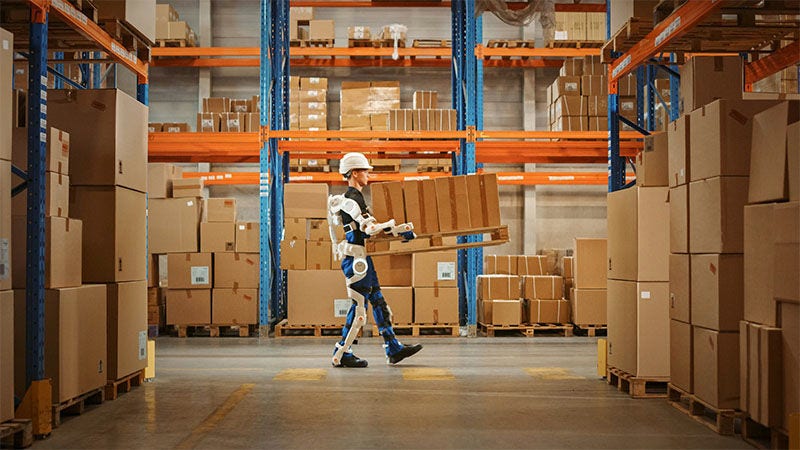
With online businesses facing increasing customer expectations, technologies are emerging to automate several areas of their logistics – from indoor mobile robots that optimise picking and packing within warehouses, to smarter chatbot technologies that can better engage website visitors.

The sustainability factor

In response to consumers’ expectations, more brands are leaning into sustainability. This can range from adopting green packaging to developing full initiatives around carbon emissions. It’s a worthwhile exercise – one study found that the repeat purchase rate is 4.3x higher when businesses are sustainable and ESG-friendly15.

E-commerce FAQs

What are the three main types of e-commerce?

The three main types of e-commerce are B2C (business-to-consumer), B2B (business-to-business) and C2C (consumer-to-consumer.)

What is an example of e-commerce?

A good description of an e-commerce business is a small, independent candle brand selling directly to customers via its own website. It may also sell on an online marketplace like Etsy and have Instagram Shopping enabled so that its social media followers can make purchases easily. These online transactions would all be considered e-commerce.

What is e-commerce marketing?

E-commerce marketing is designed to drive customers through the conversion tunnel: from creating awareness of an e-commerce store, to driving traffic to the store, to ultimately converting the visitors into paying customers.

E-commerce marketing typically uses a mix of strategies, including search engine optimisation, social media content, paid-for advertising, and email campaigns.

Is e-commerce growing?

Yes! Now is the time to take the leap and spread your entrepreneurial wings. There’s a lot to consider, but one thing DHL Express can handle for you is the logistics, ensuring your customers get their orders on time and in great condition – wherever they are in the world. Start your journey with a DHL Express Business Account, today.

1 - Statista, Augut 2025

2 - Grand View Research, November 2025

3 - PYMNTS, February 2024

4 - Invespcro,  March 2023

5 - Contimod, November 2024

6 - Businessdasher, September 2024

7 - Salesso, October 2025

8 - Fashion United, February 2024

9 - ASOS, September 2024

10 - Drapers Online, November 2024

11 - THG, 2023

12 - Statista, April 2024

13 - Thekeenfolks, November 2023

14 - Net0, 2024