What sustainable packaging trends will shape New Zealand in 2026? With new stewardship rules tightening and Kiwi consumers demanding greener choices, smart and recyclable packaging is becoming essential for brands looking to stay ahead.
In 2025, demand for packaging that’s lighter, smarter, and easier on the planet surged globally and here in Aotearoa, the shift is even more pronounced.
With packaging stewardship in New Zealand moving from voluntary to regulated, 2026 will be a defining year for businesses looking to adopt sustainable packaging solutions that meet compliance requirements and consumer expectations.
Expect to see next-gen biodegradable materials go big, and smart packaging – with sensors and QR codes – enter the frame.
The right choices now can boost your brand reputation and get you ahead of the curve, so here are the sustainable packaging insights to know.
Why sustainable packaging matters in NZ
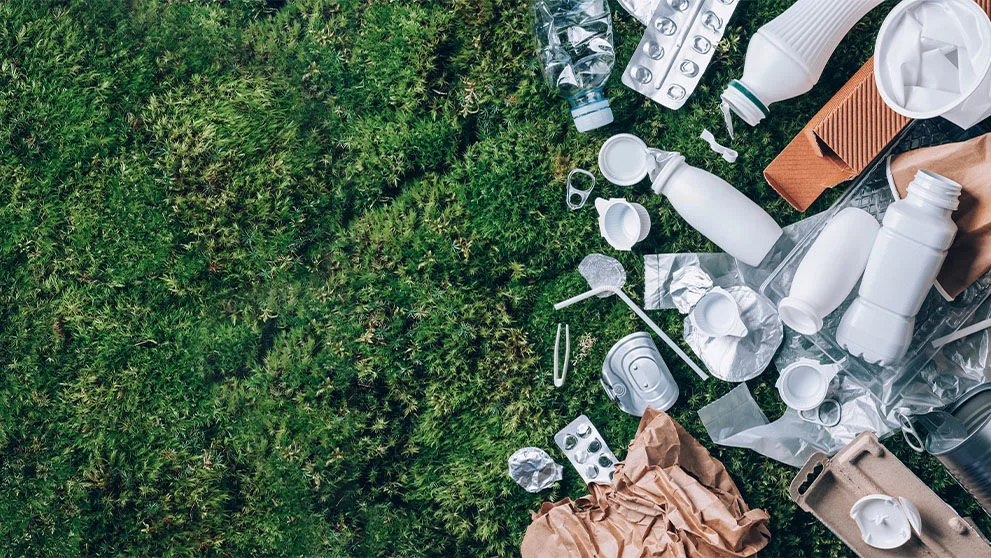
In 2025, the New Zealand Government declared plastic packaging a priority product, triggering mandatory producer responsibility through accredited schemes. Businesses are now required to rethink their packaging design and invest in recyclable packaging formats that reduce fees and improve recovery.
With the final design of the Plastic Packaging Product Stewardship Scheme (PPPS) complete, brands operating in NZ must prepare for cost impacts, eco‑modulated levies, and stricter recyclability criteria. These changes create opportunity for companies adopting eco friendly packaging solutions ahead of time.
Additionally, despite economic pressures, New Zealanders continue to value sustainable choices:
- Consumers prioritise packaging that supports sustainability — but also value price and functionality.
- 60% are willing to invest time or money to support more sustainable brands, and 49% have stopped buying products due to environmental concerns.
This reinforces the commercial value of investing in sustainable packaging solutions that deliver both environmental and practical benefits.
Next-generation materials
Say goodbye to traditional plastics. In 2026, more kiwi businesses are turning to bio-based alternatives like polylactic acid (PLA) – a compostable plastic made from corn starch – and mushroom-based packaging, grown from mycelium. These materials break down in compost conditions within a few months.
Thanks to growing demand, these materials are no longer just for big-budget brands either. Today, SMEs can source them through specialized packaging suppliers, co-packing partners, or even in ready-to-use formats designed for e-commerce.

Circular solutions
Circular systems - from deposit‑return to reusable packaging loops - are expanding across more product categories. These models support waste reduction and can reduce stewardship fees under NZ’s eco‑modulated framework.
One example – deposit-return schemes – are expanding beyond drinks bottles into cosmetics, toiletries, and household products.
Smart packaging
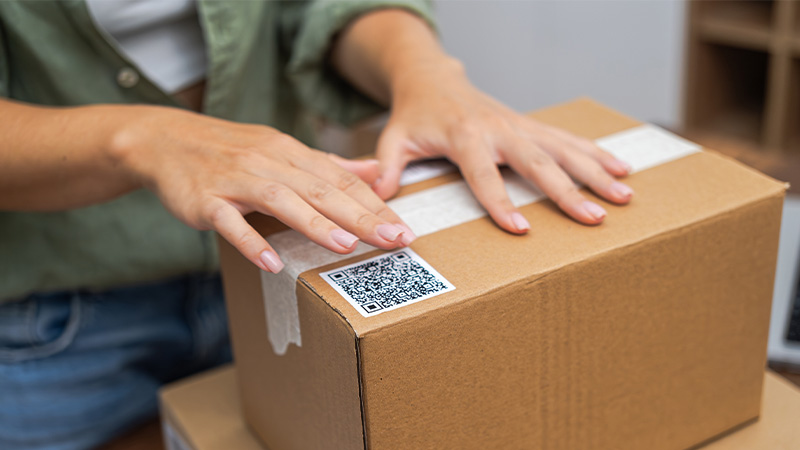
What if your packaging could do more than just protect a product? In 2026, smart packaging can help NZ consumers learn how to dispose of materials responsibly – all through QR codes, NFC tags, or embedded sensors.
Label-free technology is also supporting sustainable returns, allowing e-commerce customers to send back items without printed labels – simply by scanning a QR code.
Lightweighting
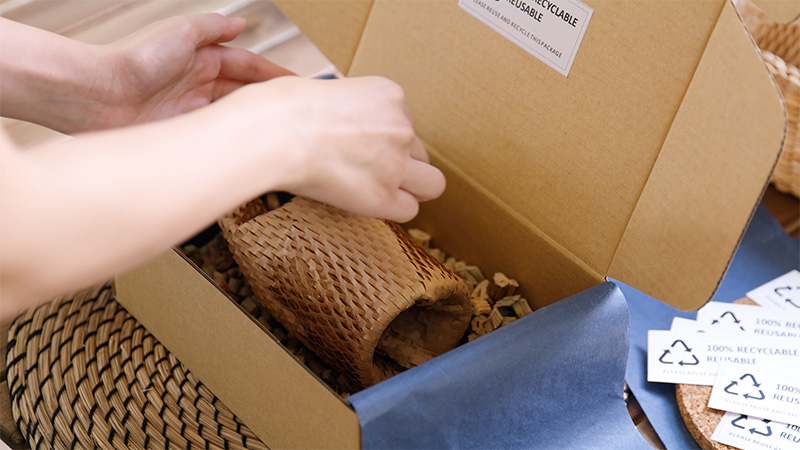
Less really is more. Lightweighting is the art of using less material – without compromising durability.
New Zealand’s reliance on inter‑island freight makes lightweighting a high‑impact cost and sustainability strategy. Whether it’s thinner cardboard, innovative folding, or materials engineered for strength, smart design helps reduce both shipping costs and emissions while improving customer satisfaction, particularly in sustainable e‑commerce packaging.

Consumer-driven design
Minimalist, reusable, recyclable – eco-conscious kiwi consumers are watching closely now. Packaging isn’t just about protection – it’s an extension of your brand values.
Take clothing brand Patagonia, for example. They’ve joined Canopy’s Pack4Good initiative to eliminate packaging materials that come from endangered forests – turning its eco‑packaging strategy into a visible part of its brand story.
Personalization meets eco-luxury
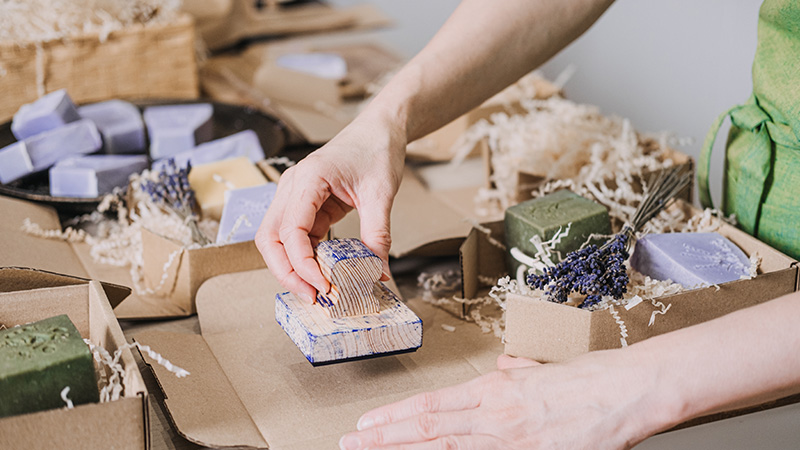
Eco doesn’t have to mean plain. In fact, some of the biggest names in fashion and retail are proving that sustainable can also feel premium. Think personalized messages and recycled materials with a high-end finish.
Whether it’s a custom-printed label or beautifully designed compostable wrap, details like these help your brand stand out – and show your commitment to doing better.
NZ Materials on the Rise
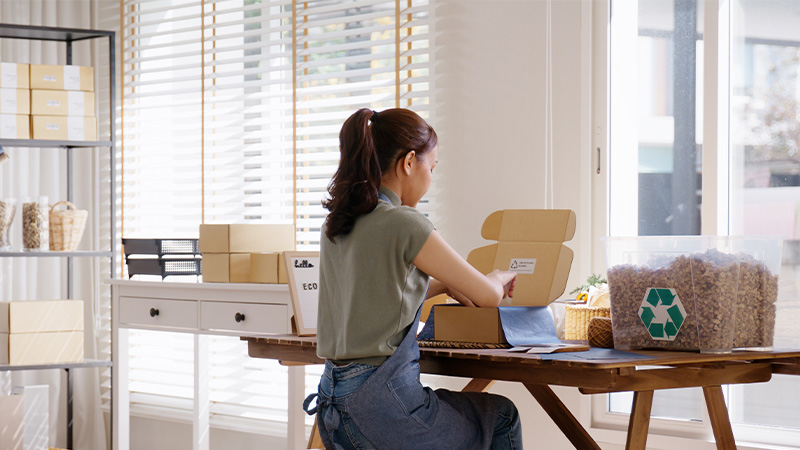
- Recycled cardboard & corrugate for shippers and retail packaging.
- Plant‑based fibres like bagasse and bamboo for food and protective packaging.
- Water‑based and soy inks to enhance recycling outcomes.
These formats align well with NZ’s recycling network and are in high demand among conscious consumers.
Stay ahead in sustainable packaging
Embracing sustainable packaging trends isn’t just good for the planet – it’s a smart business move. By adopting eco-friendly solutions now, NZ SMEs can cut costs and boost customer loyalty. DHL is here to support your journey with expert sustainability insights every step of the way.
For fast, international shipping, open a DHL Express Business Account.
Start your Sustainability Journey


 Share
Share