5. How can Brazilian businesses leverage local social shopping habits?
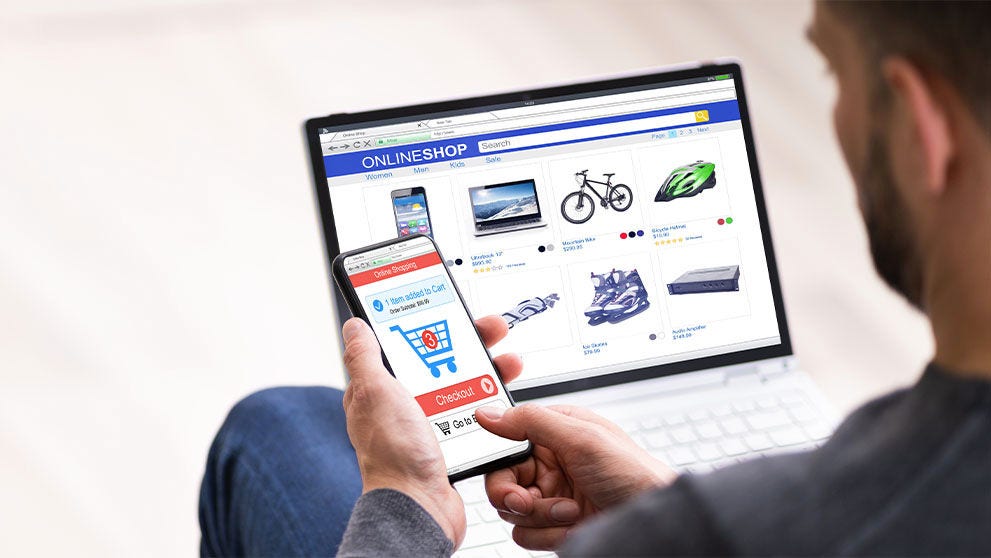
To successfully capitalize on local social commerce habits, a Brazilian business must fully integrate instant mobile checkout systems and direct messaging workflows into their daily marketing operations.
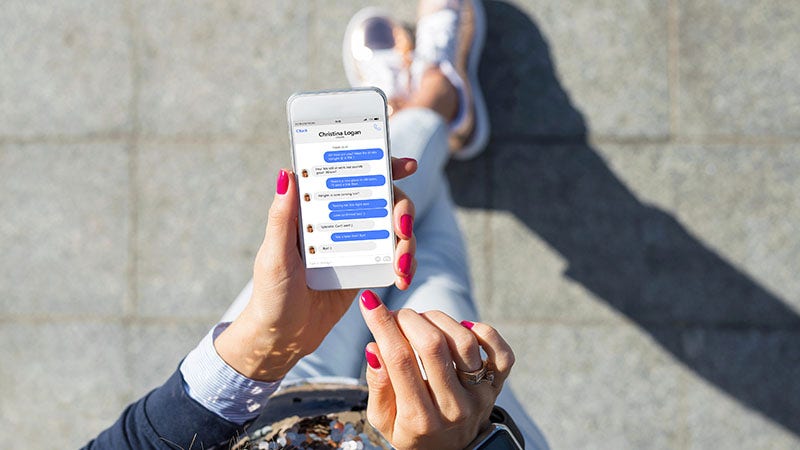
In this regional ecosystem, social selling is heavily driven by conversational commerce, meaning consumers expect to transition seamlessly from an Instagram story or post directly into a real-time negotiation or purchase.
Data from local retail audits shows that conversational touchpoints dramatically increase final checkout conversions. To capitalize on these unique regional traits, your sales team should master three core operational pathways:
Operational Lever
| Local Application
| Technical Implementation
|
Direct Messaging (DM) Funnels
| Turning organic inquiries on Instagram into closed sales loops
| Integrate automated comment-to-DM tools like ManyChat to send instant, trackable purchase links.
|
Conversational WhatsApp Sales
| Closing high-value or customized transactions via chat
| Use localized CRM platforms (such as Hubspot, Bling, or Pipefy) to track sales discussions and share secure payment links.
|
Instant Local Payment Gateways
| Removing checkout friction for impulsive buyers
| Embed low-friction payment options like Pix or localized installment plans (cartão parcelado) directly into your social checkout links.
|
By building an immediate, highly conversational bridge between social discovery and local payment processing, you align your store with the frictionless experiences modern mobile shoppers expect.
6. Engage in meaningful conversations
To scale an online community effectively, you must actively respond to consumer interactions and treat comment sections as interactive customer service channels rather than broadcast boards. Just posting is not enough on social media.
You need to be engaging with your target audience in conversation and debate. The hard sell probably isn’t the best approach, certainly not at first.
Actively managing your social media community significantly boosts your brand visibility and awareness. It enables you to reach a massive online audience and spread the word about your product.
Engaging with your followers through likes, comments, shares, and direct shoutouts helps you not only get your name out there but also foster a positive brand image. By consistently delivering valuable content, listening to your community's feedback, and being there for your followers, you'll create a group of loyal customers, which ultimately cultivates advocacy.
7. Share User-Generated Content (UGC)
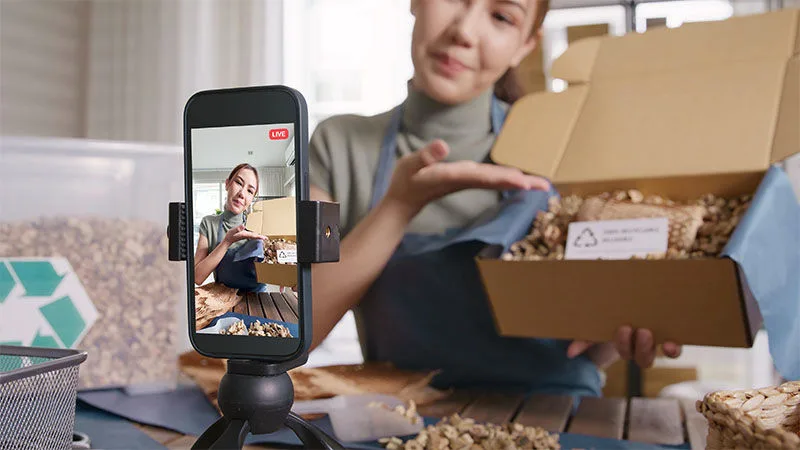
To build immediate consumer trust, your brand should systematically incorporate real product footage from existing buyers into your content mix to provide organic social proof. In today’s smartphone-led world, everyone has a video camera in their pocket. TikTok, YouTube and other platforms have proven that user-generated content (UGC) is a massive driver of consumer trust.
Featuring UGC shows your brand to be authentic and genuine. In the media-savvy world of the internet age, everyone is wary of overly slick and glossy corporate marketing, so something that’s a little rough around the edges implies trustworthiness and honesty.
Regular use of UGC, mixed with conventional higher-budget marketing output, fosters brand loyalty.
But where will this user-generated content come from? Reach out to micro-influencers in your sector or ask existing customers to tag your account in exchange for exclusive loyalty rewards, discounts, or contest entries.
8. Stay ahead of changing platform trends
To maintain digital visibility, your optimization team must constantly monitor algorithm shifts and quickly adopt emerging social features before your competitors do. Social media is constantly changing, and it is therefore important to stay up to date with these changes so that you can adapt your social media strategy.
Should you be testing new meta platforms like Threads? Is Instagram still where your primary audience is hanging out? Is X still a worthwhile channel for your specific niche? And what’s the expected communication etiquette on each individual social network?