Can you ship batteries safely from Brazil to global markets?
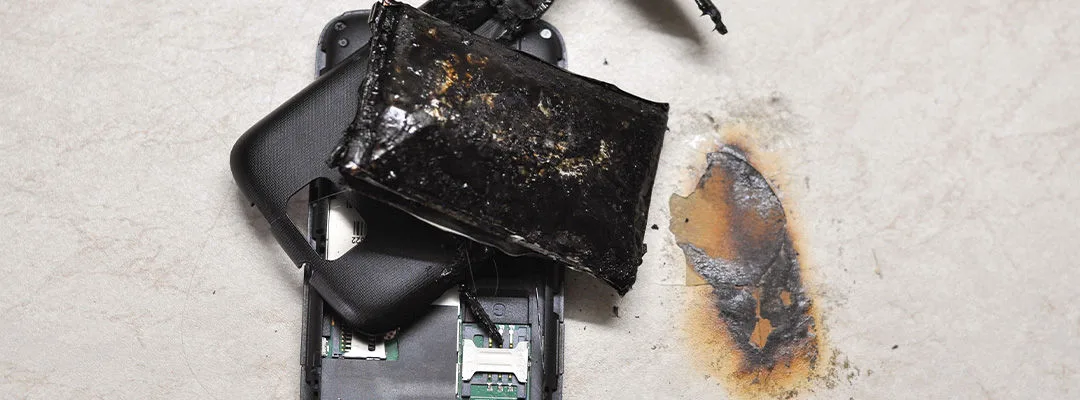
You can ship batteries safely by strictly complying with international packaging, labeling, and state-of-charge regulations required by global transit networks. Certain categories, specifically lithium-ion and lithium-metal cells, carry inherent risks of overheating, thermal runaway, and combustion if handled incorrectly.
This is why aviation authorities and global customs agencies enforce rigid protocols for lithium battery transportation.
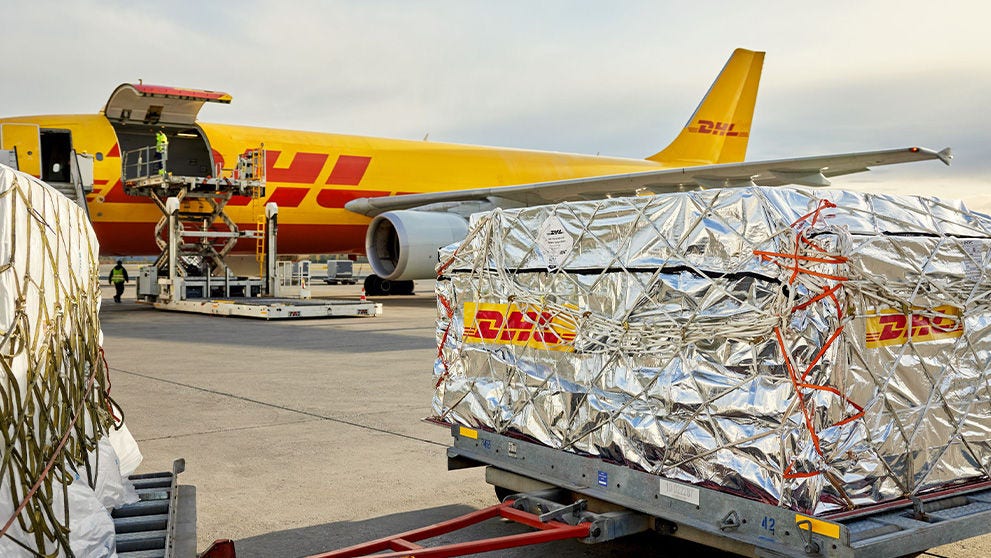
These international standards require certified packaging materials, explicit exterior labeling, and specialized cargo documentation to ensure safe handling inside aircraft cargo holds.
An improperly packed lithium battery can ignite under pressure or temperature shifts, creating fires that are exceptionally difficult to suppress at high altitudes.
While dry cell alkaline and nickel-metal hydride batteries are considerably safer, they still require isolated packaging to prevent short circuits caused by terminal contact during transit. Under no circumstances can damaged, swollen, or defective batteries be shipped, as they represent an immediate safety hazard.
How do you comply with global lithium battery shipping regulations?
To comply with lithium battery regulations, you must verify whether your cells are shipped inside a device, packed alongside it, or sent as standalone cargo. The International Air Transport Association (IATA) classifies lithium-ion and lithium-polymer batteries as Dangerous Goods.
[Battery Configuration] ➔ [Check IATA Guidelines] ➔ [Apply Proper UN Labels & MSDS]
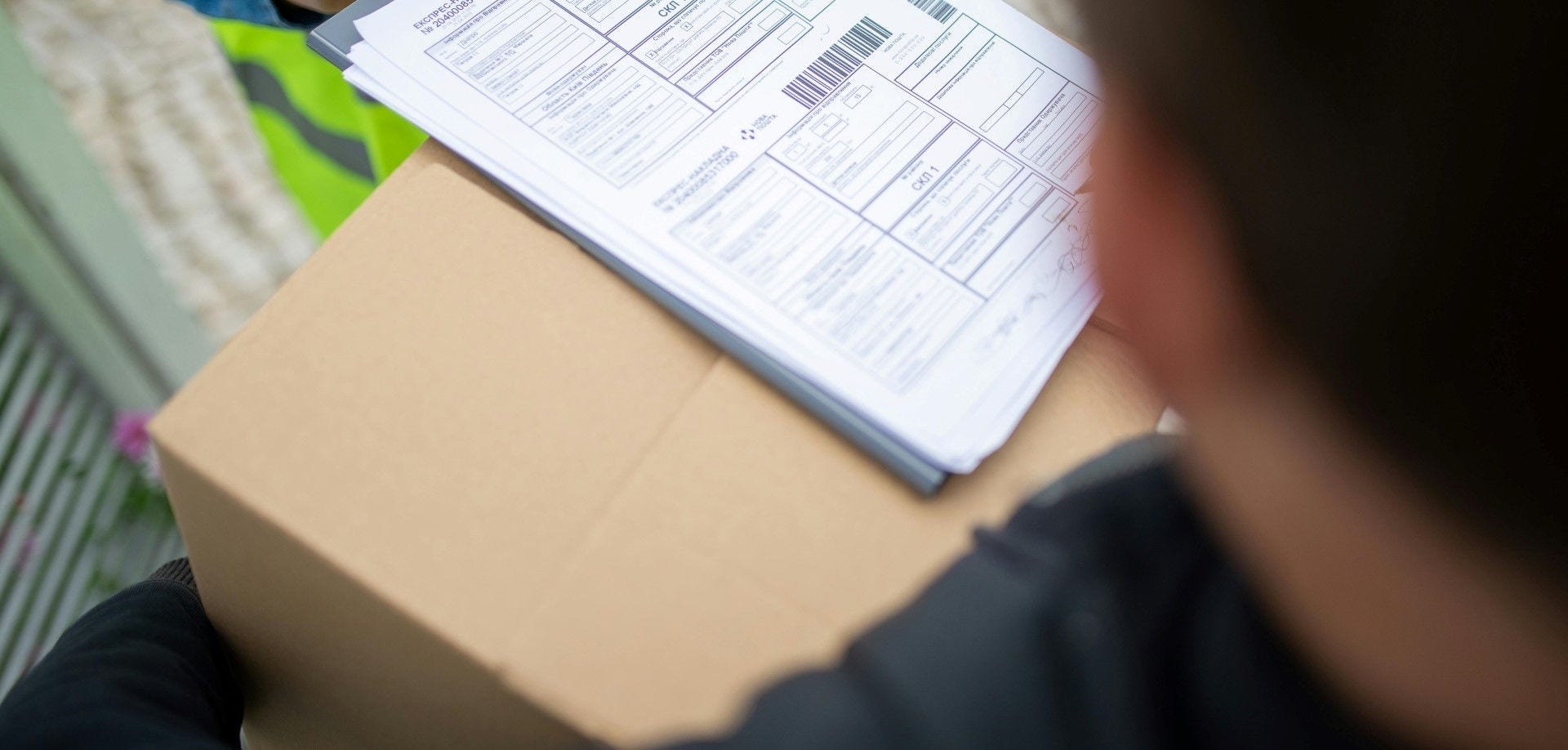
As the exporter, you are legally accountable for ensuring your packages align with the latest IATA Dangerous Goods Regulations. Your shipments must display the correct hazard handling labels and include a Material Safety Data Sheet (MSDS) or a formal lithium battery shipping declaration.
Batteries contained in equipment (UN3481): The power source is securely installed inside the device (like an enclosed smartphone). The outer casing must protect the power switch from accidental activation.
Batteries packed with equipment (UN3481): The battery is detached but enclosed in the same retail box as the device (such as a laptop with a removable power pack). The battery must be placed in an isolated inner liner.
Batteries shipped alone (UN3480): Standalone power banks or bulk cells. These face the most restrictive volume limits and cannot be transported on passenger aircraft.