

Every single year, international distribution channels and local couriers transport more than 25 billion packages across the globe. This massive volume flows across deeply coordinated networks of air, sea, and land infrastructure. However, the most complex phase of the entire supply chain—and the most defining variable for your business margins—is the final stretch.
If you are running an e-commerce business in Brazil, navigating this final stretch presents distinct regional hurdles. Brazil is currently Latin America's largest digital economy, meaning local online sales volumes are expanding faster than traditional urban transit networks can keep up.
From managing complex neighborhood gridlock in São Paulo to ensuring reliable delivery performance across remote regions, optimizing this step is critical to maintaining buyer satisfaction.
What is last-mile delivery and why is it complex in Brazil?
Last-mile delivery is the movement of goods from a localized transportation hub or distribution center to the customer’s final destination, which is typically a residential home or commercial office.
While long-distance air and line-haul road shipping networks run on highly predictable, automated routes, the final leg of the journey lacks that same degree of centralized control and scale.
This operational unpredictability makes the last mile the most expensive and inefficient part of the entire fulfillment lifecycle.
For Brazilian small and medium-sized enterprises (SMEs) and digital brands, these inefficiencies are compounded by specific domestic challenges:
Urban Infrastructure Strain: Courier drivers face extreme traffic congestion, sudden street closures, and complex route planning layout variations inside major metropolitan hubs like Rio de Janeiro and São Paulo.
Geographic Fragmentation: Shipping items from a primary warehouse in the Southeast to consumers in the North or Northeast regions introduces substantial transit variations and unpredictable regional infrastructure.
Security and Access Constraints: Certain urban zones require specialized security protocols or alternative vehicle routing, limiting standard van access and forcing drivers to make multiple delivery attempts.
Because local delivery drivers are often the only human touchpoint a customer interacts with during an online transaction, their performance directly impacts your brand equity.
Why are last-mile logistics costs disproportionately high?
Last-mile logistics costs are disproportionately high because drivers must make numerous short stops to drop off single packages, which completely prevents the economies of scale found in long-haul transport.
According to data from ABCOMM (Associação Brasileira de E-Commerce), last-mile bottlenecks account for over 40% of a company's total shipping spend.
This financial pressure is growing as consumer expectations shift. Driven by global shopping standards, Brazilian consumers now routinely expect next-day or same-day delivery windows when purchasing online.
To compete with massive digital marketplaces, small and medium retailers must find creative ways to optimize their final-mile workflows without erasing their profit margins.
How can businesses improve last-mile delivery Brazil performance?
Businesses can improve last-mile delivery Brazil performance by implementing localized inventory strategies, deploying intelligent routing software, and offering flexible pickup alternatives to avoid missed delivery attempts.
Adopting a modern, data-driven approach allows your business to lower transit overhead while providing the seamless fulfillment experience buyers expect.
Here are four practical approaches you can integrate into your supply chain strategy today:
1. Leverage localized fulfillment hubs and micro-warehouses
To bypass long-distance shipping delays, an increasing number of Brazilian e-commerce operations are distributing inventory across small regional warehouses and urban fulfillment spaces, focusing strictly on high-turnover products. This localized approach dramatically shortens the physical distance between your stock and the consumer.
While smaller retail brands might not have the capital to invest in dedicated regional facilities, modern logtech providers offer shared, on-demand warehouse spaces. Using these localized micro-hubs allows emerging brands to offer competitive same-day delivery options to buyers in key capital cities.
2. Utilize crowdsourced regional couriers for peak demand
The shift toward hyper-local fulfillment has caused a surge in demand for on-demand regional freight services. To solve temporary capacity spikes during major retail events like Black Friday, businesses are turning to crowdsourced delivery networks.
This strategy utilizes local, pre-vetted independent couriers who accept pending delivery jobs through mobile applications. If your core shipping fleet runs out of available cargo space or experiences driver shortages, crowdsourcing offers a scalable way to maintain fast delivery timelines without investing in fixed overhead.
[Central Distribution Center ] ➔ [Urban Micro-Hub] ➔ [Crowdsourced Courier/Locker] ➔ [End Consumer]
3. Deploy route optimization software and predictive analytics
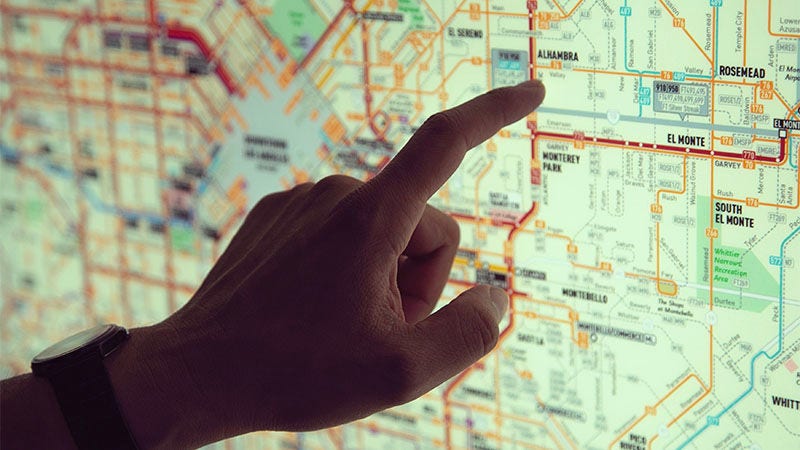
When your business ships higher-value electronics or bulkier inventory, relying on established international carriers is the safest option. However, urban delivery trucks often waste valuable time trying to find suitable unloading zones or navigating tight residential streets. Because off-route driving can account for 3% to 10% of a vehicle's total mileage, poor route planning creates a hidden tax on your operations.
Integrating artificial intelligence and real-time data analytics resolves this issue by automatically mapping out the most efficient multi-stop paths for drivers. Transitioning away from manual route planning can reduce delivery fleet carbon emissions by up to 25%, allowing your business to reduce fuel consumption while supporting more sustainable, green supply chain initiatives.
4. Provide smart parcel lockers and alternative pickup points
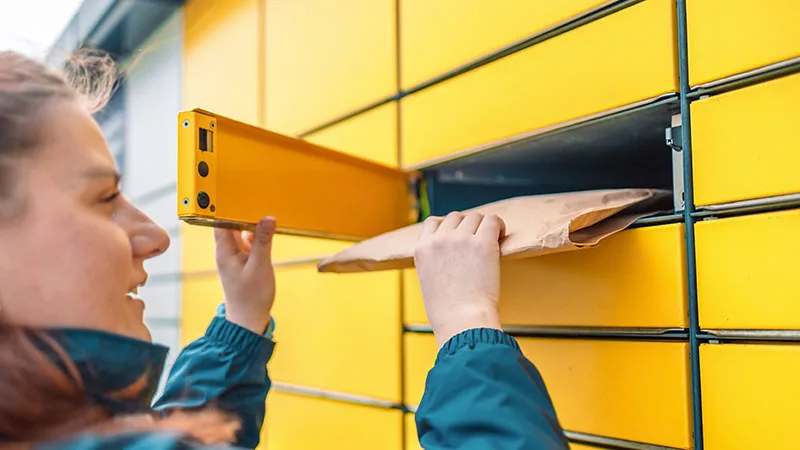
Missed deliveries are a major cost driver for e-commerce storefronts, as carriers charge additional fees for secondary and tertiary delivery attempts. Offering alternative pickup locations—such as automated smart lockers placed inside highly trafficked spaces like supermarkets, subway stations, or gas stations—eliminates this issue entirely.
This self-service model is growing in popularity globally and offers clear operational benefits for the Brazilian market. It ensures successful first-time delivery rates for carriers, lowers shipping fees for consumers, and gives buyers the freedom to collect their purchases whenever it fits their schedule.
What advanced automation trends are shaping the future of fulfillment?
Advanced automation trends are transforming last-mile fulfillment through the integration of robotics inside sorting centers and the ongoing testing of autonomous delivery drones and ground bots.
In highly structured warehouse environments, artificial intelligence and robotic arms are managing repetitive scanning, sorting, and packing tasks.
Expert Insight: "The goal of automation isn't to phase out human workers. By using intelligent robotics to handle highly repetitive or physically demanding tasks in predictable environments, we free up logistics teams to focus on complex problem-solving and personalized customer support."
Simultaneously, alternative delivery methods are expanding to address urban congestion and driver shortages.
While autonomous ground robots are being trialed in global test environments as secure, mobile parcel lockers, long-range cargo drone technologies are proving successful at bypassing poorly developed regional road networks or navigating natural geographic barriers like rivers and valleys.
How can local storefronts balance delivery costs with buyer expectations?
Local storefronts can balance delivery costs with buyer expectations by rolling out premium shipping options gradually, ensuring that fast fulfillment methods are partially funded by consumers who value speed.
Market research indicates that 48% of modern digital shoppers are willing to pay a premium for guaranteed next-day delivery, and over 20% will pay a significant surcharge for same-day fulfillment.
As digital-native demographics make up an increasingly dominant share of consumer spending in Brazil, minor delivery delays can cause shoppers to switch to a competitor.
To preserve your margins, consider setting minimum order thresholds for free standard shipping while offering express last-mile options as an add-on at checkout.
Deliver your goods via drone or robot
Alternative delivery options are growing; the use of smart delivery lockers located in high-traffic public spaces such as supermarkets and town centers is growing at 25% every year.
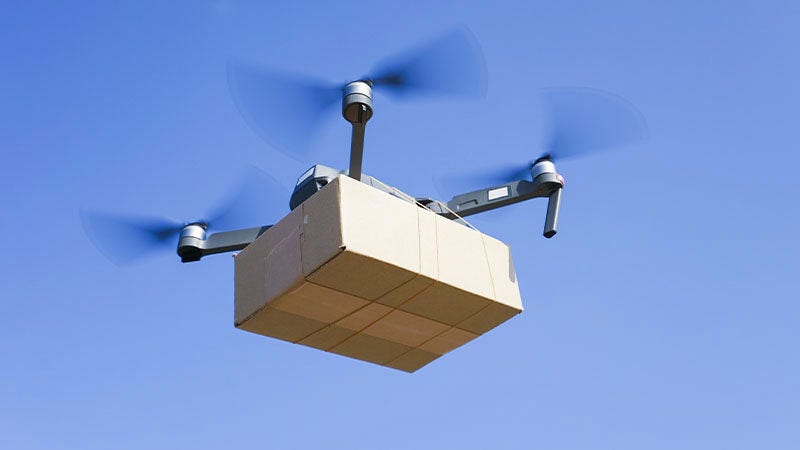
Some companies are even exploring delivery via drones and bots. While drones are already being used for delivering high-value items such as medication and blood, advancements in technology have broadened their potential role in delivery logistics. This can help relieve the strain on the supply chain caused by increased e-commerce orders, escalating urban traffic congestion, and the growing shortage of truck drivers.
Drones are delivering
DHL successfully ran a three-month test of their Parcelcopter in the German community of Reit im Winkl. In the test, users need to merely insert their parcel into the ‘Skyport’ (the drone’s base station) to start the flight process. It’s proving to be quick and simple, enabling easy shipping to areas with poorly developed infrastructure or those blocked by natural barriers, such as water and mountains.
It's not the only advanced test flights being conducted: Bulgarian start-up Dronamics has created a fixed-wing cargo drone that can transport a payload of up to 350 kg (772 lb) for same-day delivery, covering distances of up to 1,553 miles (2,500km). The company has obtained an EU license to authorize flights, including beyond visual line of sight (BVLOS) operations, just in time for its planned commercial activities. South African start-up Cloudline recently obtained approval from the Kenyan government to conduct tests using their autonomous blimp-like airships, facilitating carbon-free delivery of payloads weighing up to 100 kg (220 lb) to remote areas.
In the United States, drone delivery service provider Zipline received federal certification in 2022 as a small air carrier, enabling the expansion of its e-commerce and pharmaceutical delivery services.
Mind that delivery robot…
Conversely, ground-based autonomous vehicles (basically small robots with wheels) can act as secure mobile delivery lockers, following a set delivery route to your door. Customers are notified when it arrives, and they can then retrieve their item from within the robot’s container.
Following such last-mile innovations, McKinsey6 predicts a “world where autonomous vehicles deliver 80% of parcels.” This is backed up by research that suggests that, far from industry skepticism surrounding consumer uptake of the new technology, 60% are in favor of or indifferent to drone delivery.
The price problem
While these new solutions may come with an initial hefty price tag, 48%7 of consumers will pay more for next-day delivery, and 23% of consumers are willing to pay significant premiums for same-day delivery, rising to 30% among younger consumers.
As this younger demographic becomes the dominant consumer spending group, a delay in receiving a package of just 12 hours can become an important differentiator in saturated markets—and one you’ll want to avoid.
Businesses should make gradual adjustments when looking to cater more toward these higher expectations, balancing cost with quality considerations for the future.
The future of last-mile deliveries
While the general move is towards localized, digitized fulfillment to improve the last mile, this industry is continually developing and moving forward.
When asked to make a prediction, Lee Spratt, CEO of DHL E-commerce Americas, stressed the importance of “being more agile in adjusting to market trends, maintaining an openness towards learning and reinvention, and promoting a newfound flexibility as a baseline for the transport industry.”
Why should you partner with an international logistics expert like DHL?
Partnering with an international logistics leader like DHL helps your e-commerce business navigate changing consumer trends by providing access to agile shipping platforms, extensive local drop-off infrastructure, and global transport expertise.
Streamlining a complex cross-border or domestic supply chain requires an elastic network that can scale alongside your sales volumes.
Whether you are managing local customer relationships on platforms like Nuvemshop or processing international orders via VTEX, utilizing integrated tools like MyDHL+ removes the guesswork from logistics management.
The platform allows your fulfillment team to instantly calculate precise shipping quotes, organize carrier pickups, verify tracking data, and access specialized localized customs assistance from a single dashboard.
Ready to eliminate last-mile inefficiencies and grow your market share? Open a DHL Express Business Account today.
Last-Mile Delivery FAQs
How does last-mile tracking improve consumer retention?
Providing real-time visibility into the final stage of transport reassures buyers and minimizes customer service inquiries regarding order status. Transparent tracking builds consumer trust, turning occasional shoppers into repeat buyers.
How long does a standard final-mile delivery take in Brazil?
Final-mile delivery windows vary significantly based on the distance between the local distribution center and the destination address, traffic constraints, and weather conditions. While metropolitan shipments can often be completed within 24 hours, regional deliveries may require additional transit days.
How are consumer sustainability demands changing delivery metrics?
Modern shoppers are increasingly factoring environmental impact into their purchasing decisions. Integrating route optimization tools that lower fuel usage or offering carbon-neutral green delivery choices helps your business appeal to eco-conscious demographics.


 Share
Share

Similar Stories