
1 – World Finance

Shipping internationally can feel like a maze for SMEs — especially with import tax, import duty, and customs fees to manage. For Brazilian businesses aiming to scale via cross-border commerce, navigating this maze means dealing with one of the world's most complex tax environments.
One wrong step with the Receita Federal (Brazilian Federal Revenue), and costs soar or shipments get delayed at borders.
Whether your business is exporting to the United States and Europe, or sourcing components from China, managing the friction of customs is the secret to protecting your profit margins.
This guide makes it simple. We’ll show you how to navigate customs with ease, manage duties and taxes, and keep your shipments moving — so you can focus on growing your business across borders.
Import duty — sometimes called customs duty — is a tax that customs authorities charge on goods when they cross international borders. It’s a way for governments to generate revenue, but it also helps protect local industries by making imported products more expensive than those produced domestically.
In practical terms, that means when your business ships goods from one country to another, customs officials may apply an import duty before your shipment is released for delivery. For Brazilian companies, understanding how these fees are calculated internationally determines whether your pricing strategy will succeed or fail in the global marketplace.
These terms often get mixed up, but they’re not quite the same. Here’s a quick breakdown to help your team tell them apart:
Also known as customs duties, these are taxes charged on imported goods. The rate depends on the product type, its specific material composition (classified by its HS Code), value, and where it’s coming from.
Tariffs are a specific kind of import duty applied to certain goods. They’re usually a percentage of the item’s value and are often used strategically by governments to help protect local industries or respond to international trade disputes.
This is the broad term for all taxes on imported goods. It covers import duties and tariffs, plus other domestic consumption charges like VAT, GST, or local state-level taxes.
Here’s a quick overview of some of the most common duties and taxes your business might encounter when shipping internationally:
Here’s a quick overview of some of the most common duties and taxes your business might encounter when shipping internationally:
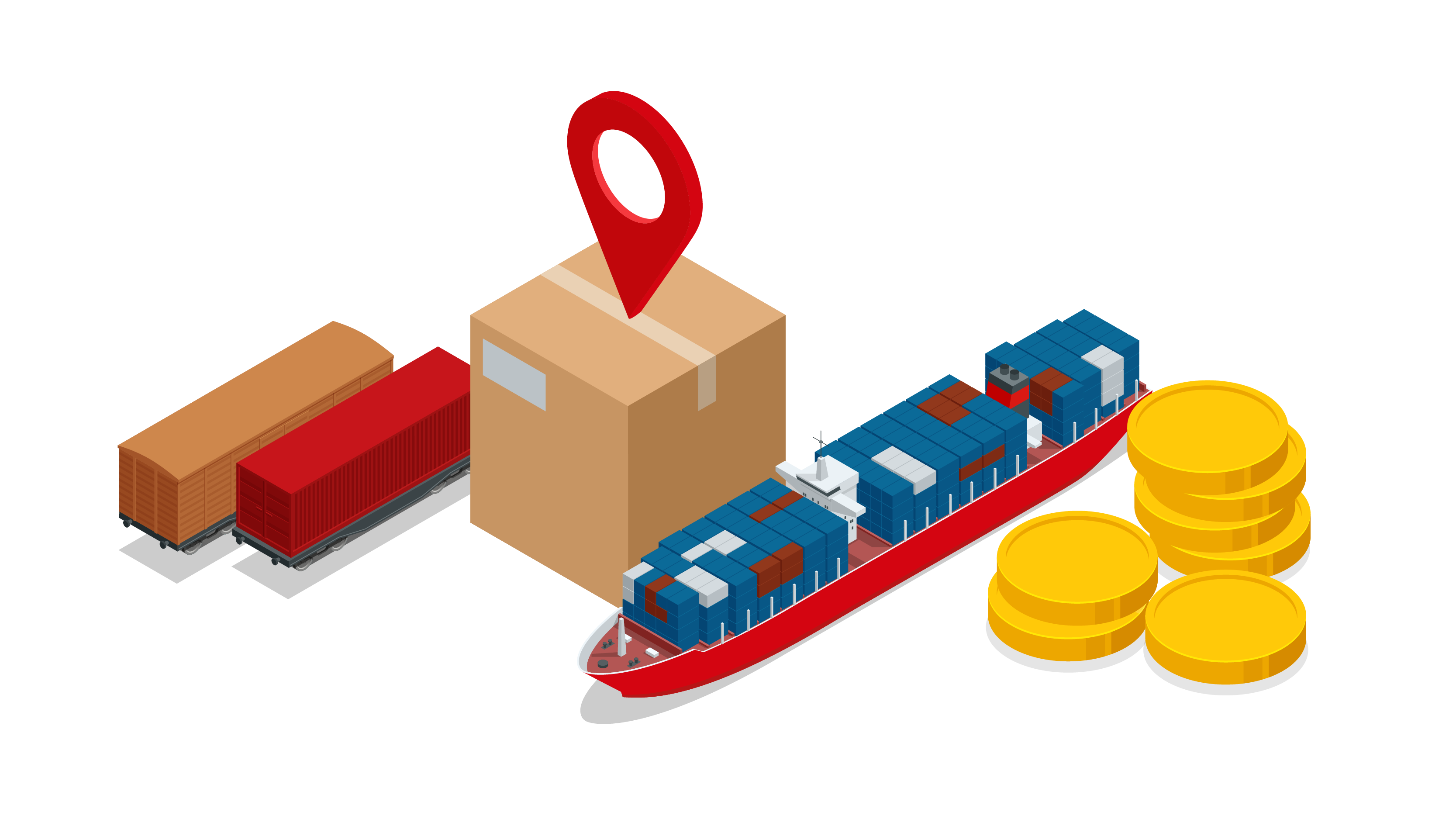
The standard tax charged on imported goods, usually based on the item’s classification, value, and country of origin.
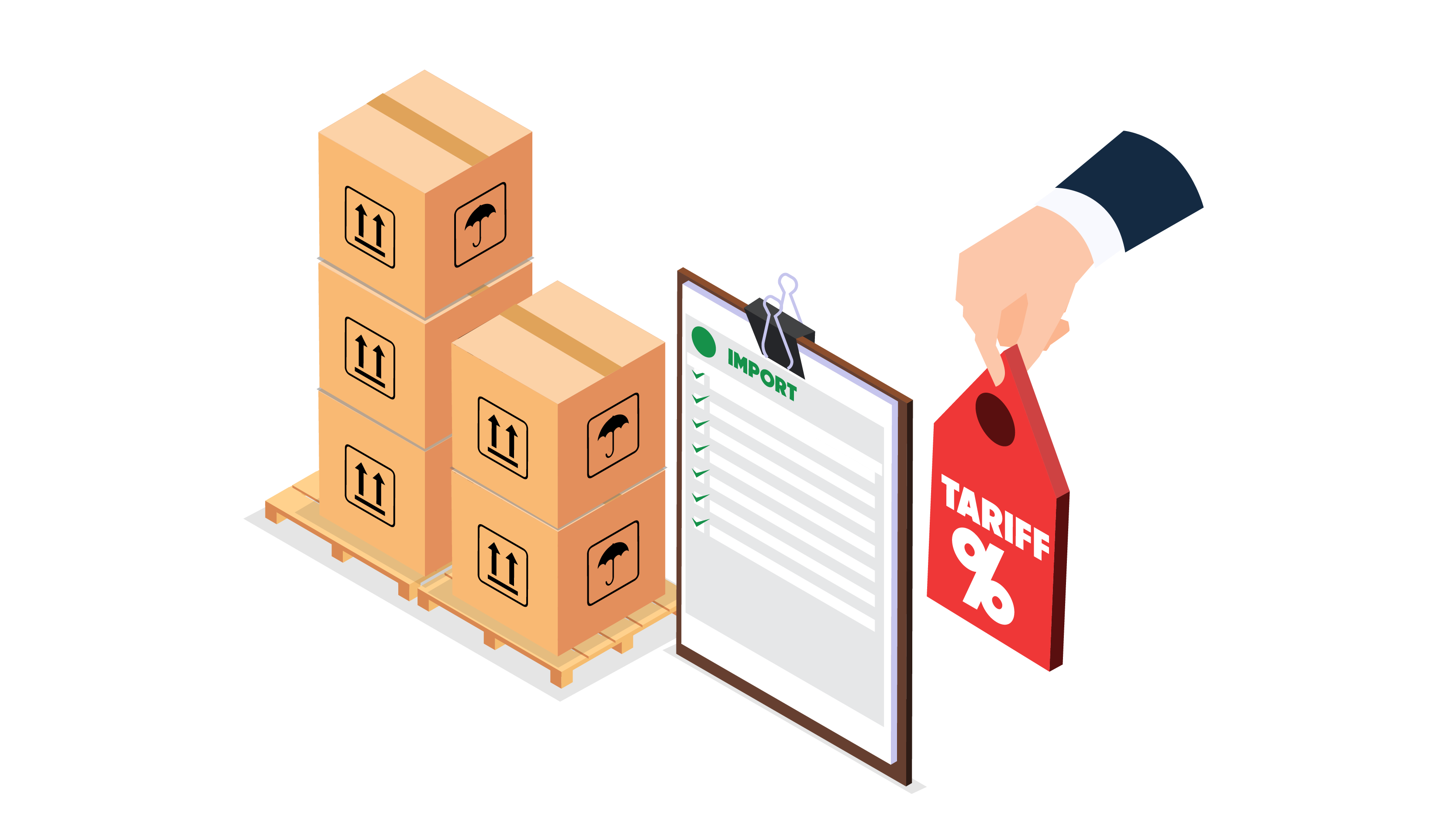
A specific kind of customs duty applied to certain products, often used to protect local industries or balance trade between countries.

A tax on specific goods such as alcohol, tobacco, or fuel – often applied on top of import duties.
A consumption tax added to most goods and services, including imports, in many regions around the world.
An extra charge on imported goods sold at unfairly low prices, designed to protect domestic producers.
Tax Type | Definition | Business Impact |
Customs Duty | The standard tax charged on imported goods, usually based on the item’s classification, value, and country of origin. | Baseline cost for entering any international market. |
Tariffs | A specific kind of customs duty applied to certain products, often used to protect local industries. | Can change suddenly due to macro-political trade policies. |
Excise Tax | A tax on specific goods such as alcohol, tobacco, or fuel — often applied on top of import duties. | Relevant if you export specialized or restricted commodities. |
VAT / GST | A consumption tax added to most goods and services, including imports, in many regions around the world. | Must be accounted for in platforms like Shopee, Amazon, or VTEX. |
Anti-dumping Duty | An extra charge on imported goods sold at unfairly low prices, designed to protect domestic producers. | Penalizes predatory pricing strategies in foreign markets. |
Import duties and taxes add to your total shipping cost, so it’s smart to factor them in early. They increase the landed cost of your products, and missing or incorrect paperwork can lead to delays, storage fees, or even structural fines from fiscal authorities.
For your international customers, these charges can mean higher prices — or an unwelcome surprise at delivery if fees aren’t included upfront.
Decide early whether to build them into your product price or charge them separately. Plan how you’ll communicate or pass on these costs through your e-commerce checkout (like Nuvemshop or VTEX) so customers aren’t caught off guard.
The import taxes and duties your business will need to pay depend on several interconnected factors, including:
The total value of the goods (including insurance and international shipping fees)
The detailed goods description
The country or region of origin
The destination country’s specific tariff rates
The goods’ 6-digit Harmonized System (HS) Code(s)
Many countries also have a minimum order value — called a de minimis threshold — below which goods can enter without additional taxes or duties. If your shipment exceeds this threshold, the extra charges kick in.
Good news: you don’t have to guess these amounts. With DHL’s MyGTS (Global Trade Services) tool, you can easily calculate import taxes and duties for your shipment before it leaves, helping you plan pricing, avoid surprises, and keep your customers happy.
The de minimis threshold — the value under which goods can enter duty‑free or tax‑free — varies widely by country, which can dramatically affect your shipping and pricing strategy. If your business models its pricing incorrectly for a specific destination, your international conversion rates will drop.
United States: Historically one of the highest at USD 800, but that broad duty‑free exemption ended as of August 29, 2025. Exporters must track updated US Customs rules closely.
Australia: Still one of the more generous thresholds at AUD 1,000 (approx. USD 670–700) for many standard imports.
The European Union: Applies VAT from €0 on all commercial goods, meaning every single e-commerce sale faces consumption tax, even when customs duties don’t apply until the shipment value crosses €150.
High‑tariff countries: Some markets charge significantly higher average tariff rates, which adds meaningful cost and complexity for e‑commerce sellers. The Bahamas, for example, maintains an average tax rate of 18.56% on imported items. If you’re shipping into such markets, expect higher landed‑cost add‑ons for duties — they’ll impact your pricing, margin, and customer experience.
Low‑tariff countries: On the flip side, countries like Switzerland and Japan maintain very low average tariffs, reporting averages below 2–3%. That means fewer duties to factor in, which gives you more flexibility on pricing and logistics for your international customers.
The Brazilian import tax system relies on an integrated fiscal framework where federal, state, and local taxes compound on the customs value of incoming goods.
Unlike foreign markets that use a simple flat tariff, Brazil applies a combination of Import Tax (II), Industrialized Products Tax (IPI), and the state-level ICMS, alongside contributions like PIS and COFINS.
For Brazilian SMEs importing raw materials or inventory, these taxes are calculated on the CIF value (Cost, Insurance, and Freight). This means your logistics costs directly increase your tax liability.
To manage this complexity without manual calculation errors, successful businesses integrate their ERPs (such as Bling, Tiny, or Omie) directly with international customs databases. This ensures that every Nota Fiscal Eletrônica (NF-e) matches the import declarations exactly, avoiding severe penalties, structural delays, or cargo gridlock at major entry hubs like Viracopos or Guarulhos.
When shipping across borders, knowing who pays import taxes and duties depends entirely on your operational setup. Let’s break it down.
Your shipping service — for example, DHL Express — acts as a professional customs broker. They handle the complex documentation so your goods clear customs smoothly, and they collect any import taxes and duties on your behalf to speed up the process.
In cross‑border B2C sales, your business is the exporter, and your customer is the importer. Who actually pays duties depends on Incoterms — the globally recognized shipping rules agreed between the exporter and carrier. The two most common options are:
Delivered Duty Paid (DDP): You, the seller, cover shipping and all import taxes and duties. This creates a seamless checkout experience for the buyer.
Delivered Duty Unpaid (DDU): You handle shipping, but the customer pays taxes and duties when the package arrives.
DDU might seem cheaper for your business upfront, but surprise charges at delivery can frustrate customers — and severely hurt your repeat sales.
The party legally responsible for import compliance, paperwork, and paying duties is called the Importer of Record. In DDP shipments, that’s your business; in DDU, it’s your customer. Choosing the right designation determines your legal liability at foreign borders.
To ensure your cross-border supply chain runs without friction, keep these six pillars in mind:
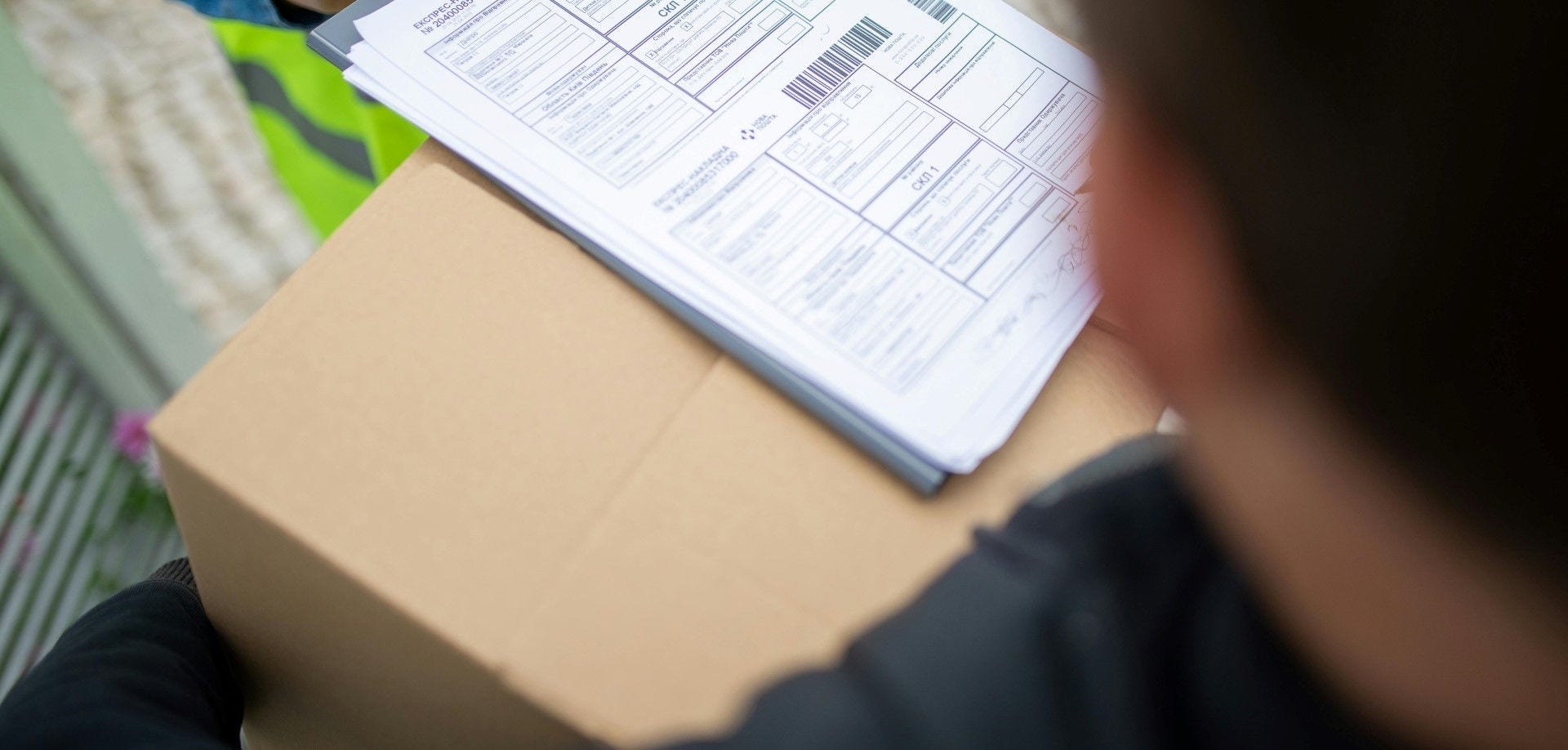
Prepare the right documentation: Accurate commercial invoices, waybills, and explicit description data are essential for smooth customs clearance.
Know the rules: Research your destination country’s customs regulations, import taxes, and duties to factor those hidden costs directly into your pricing.
Pack and protect your goods: Use appropriately sized boxes, clear labels, and quality packaging to prevent damage and reduce unnecessary dimensional shipping costs.
Check for restrictions: Make sure your products aren’t prohibited or restricted in the target country, and secure any necessary permits or certificates beforehand.
Plan for duties and taxes: Decide who pays (you or the customer) and leverage your logistics partner to calculate or even pay duties upfront to avoid clearance delays.
Choose a customs brokerage: Partnering with a logistics expert like DHL Express gives your business access to global customs expertise, transparent costs, and digital tools to ensure shipments clear quickly.
For fast, compliant international shipping that scales your operations seamlessly, open a DHL Express Business Account today.
For fast, international shipping, open a DHL Express Business Account.
1 – World Finance


 Share
Share