

If you are shipping dangerous goods from Brazil to international markets, ensuring strict regulatory compliance is the difference between a successful sale and a costly legal headache.
For Brazilian small and medium enterprises (SMEs) and e-commerce stores expanding overseas, incorrect packaging, mismatched labeling, or incomplete documentation can instantly trigger heavy fines from local authorities, lengthy customs delays, or outright border rejections.
The good news is that international dangerous goods shipping from Brazil does not have to be an operational nightmare. By understanding how local entities interact with international transport rules, you can protect your bottom line and scale your global sales confidently.
This guide covers the essential steps to keep your cross-border shipments compliant and moving on schedule.
What qualifies as dangerous goods in cross-border commerce?
Dangerous goods are substances or items that pose potential risks to health, safety, property, or the environment during transit. Many cross-border entrepreneurs do not realize that common consumer products sold on platforms like Nuvemshop or Mercado Livre require specialized handling under international law.
You will often hear the term "hazardous materials," or hazmat, used in global trade conversations—particularly when dealing with buyers or logistics hubs based in the United States.
While the terms are frequently used interchangeably, they refer to the same categories of regulated items, though "dangerous goods" remains the standard term for international air and sea freight.
Common examples of dangerous goods frequently exported from Brazil include:
Lithium batteries: Found inside smartphones, laptops, power tools, and smartwatches.
Cosmetics and perfumes: Alcohol-based fragrances, nail polishes, and hairsprays.
Industrial inputs: Specialized cleaning agents, solvents, and chemical components.
Temperature-controlled items: Products packed with dry ice for preservation.
Health and beauty products: Essential oils and aerosol sprays.
What are the nine hazard classes of dangerous goods?
The United Nations (UN) classification system groups dangerous goods into nine distinct hazard classes. Every cross-border merchant must understand this framework because it determines how your cargo must be packaged, labeled, and handled by international carriers.
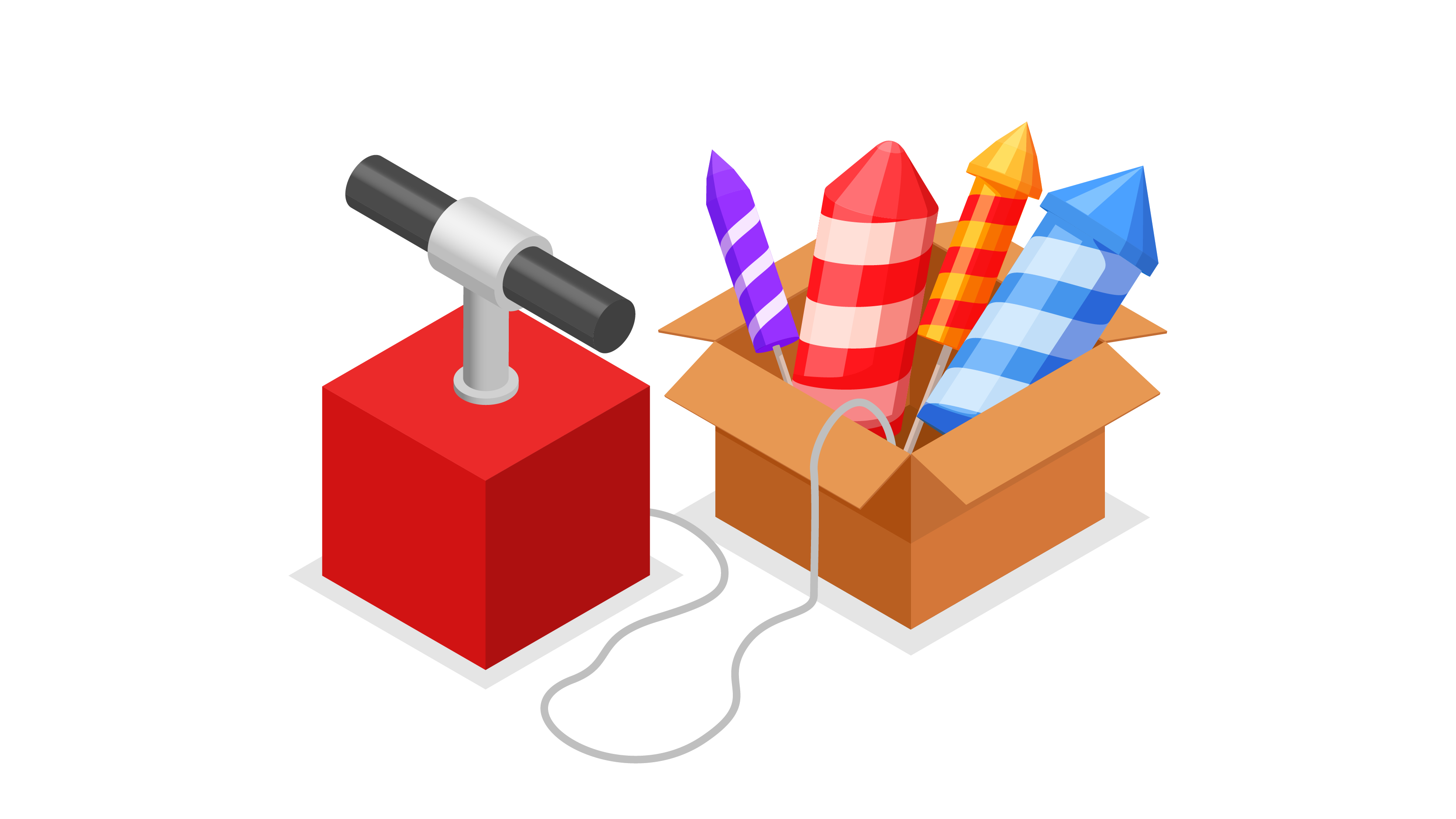
Class 1 – Explosives
Materials that can explode, causing fires, shrapnel, and shockwaves. This class includes fireworks, ammunition, and certain industrial explosives.
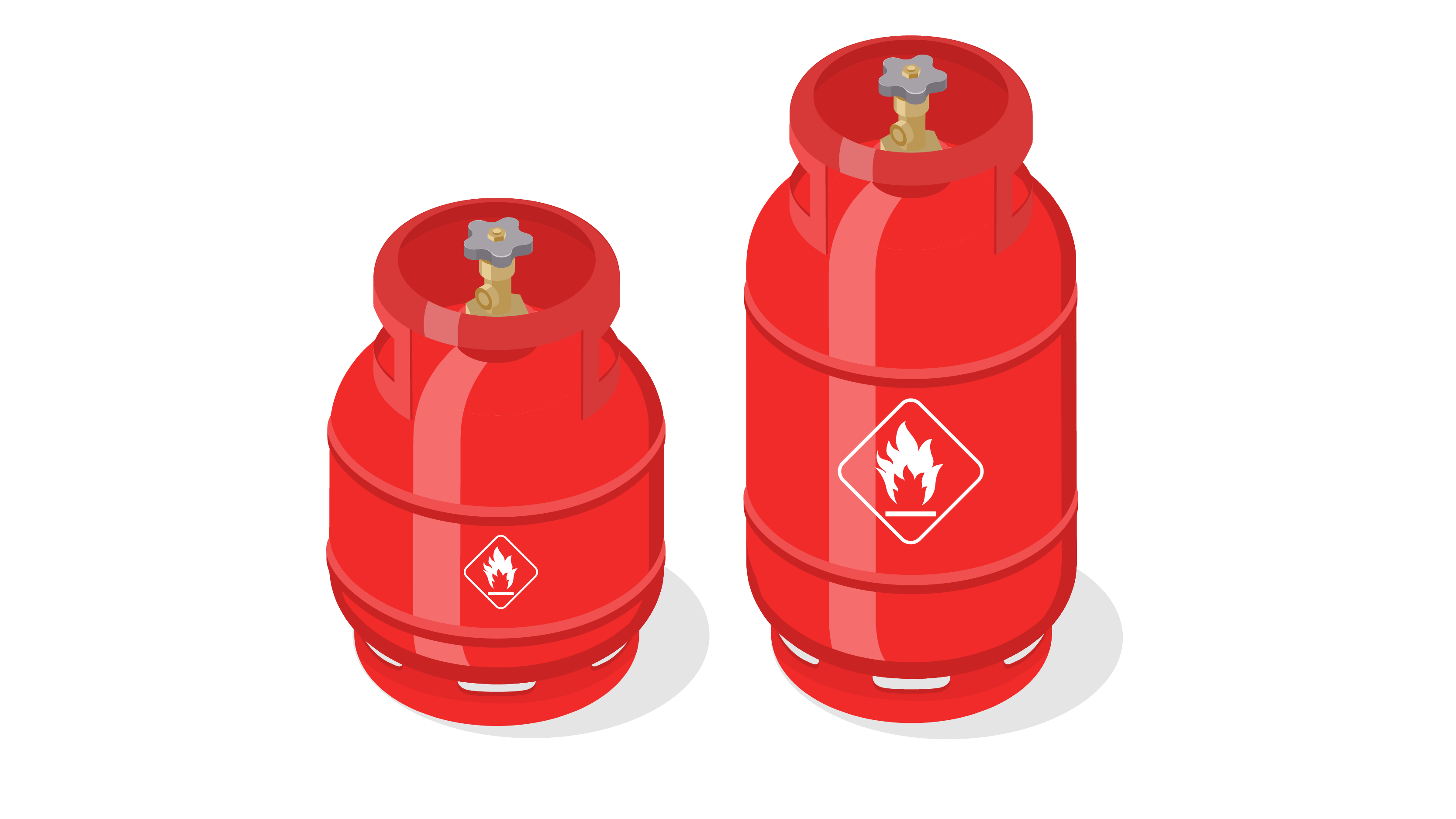
Class 2 – Flammable Gases
Substances which are gaseous at room temperature and can be flammable or toxic. Examples include petroleum gases, lighters, helium, and insecticide gases.
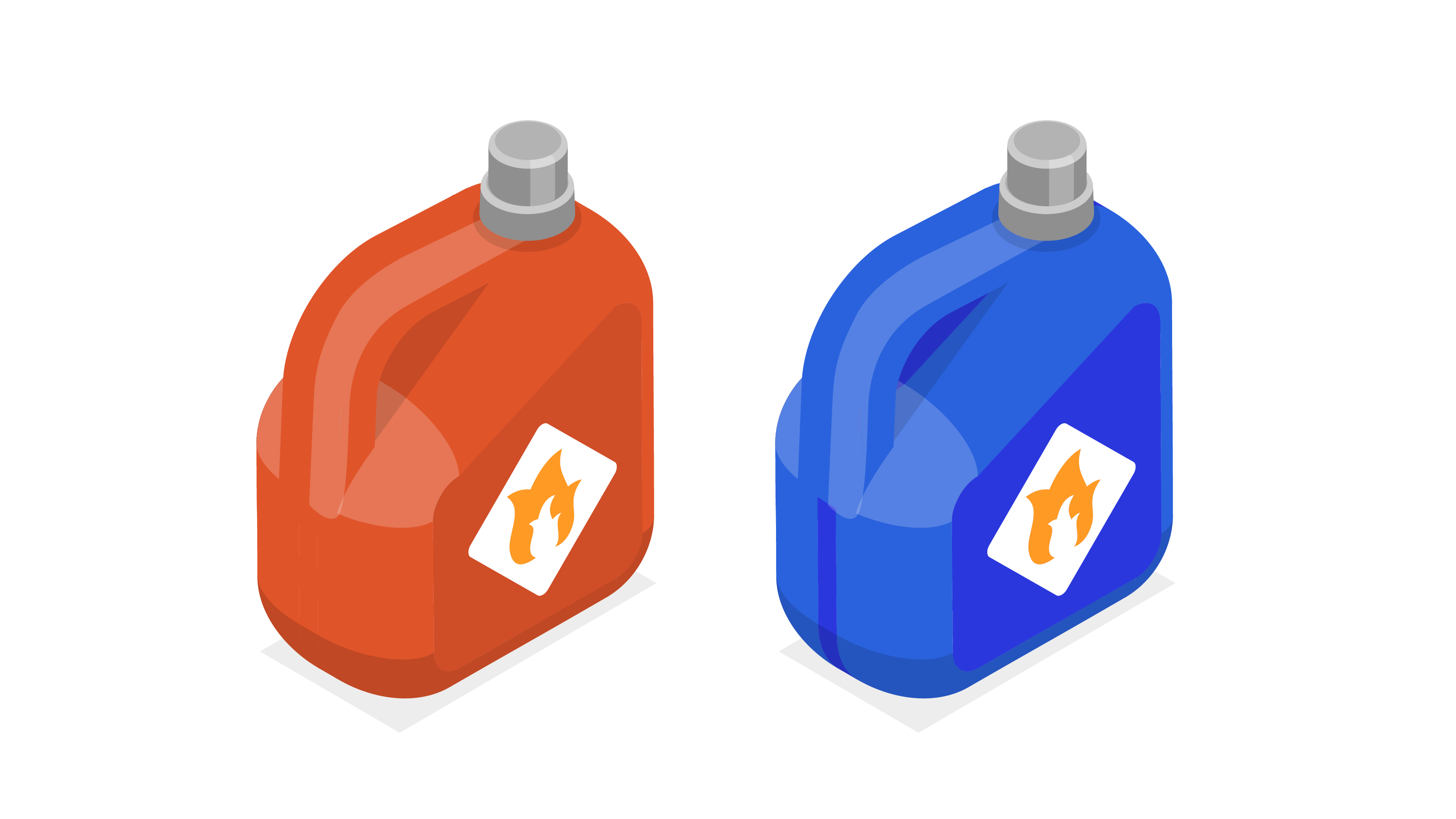
Class 3 – Flammable Liquids
Liquids that ignite easily, such as gasoline, perfumery products, alcohol, acetone, and diesel fuel.

Class 4 – Flammable Solids
Substances that are solid but can ignite through friction, absorption of moisture, or chemical changes. Examples are matches, sodium batteries, and certain types of metal powders.

Class 5 – Oxidizing Substances and Organic Peroxides
Materials that can release oxygen to stimulate the combustion of other materials. This includes fertilisers and calcium nitrate.
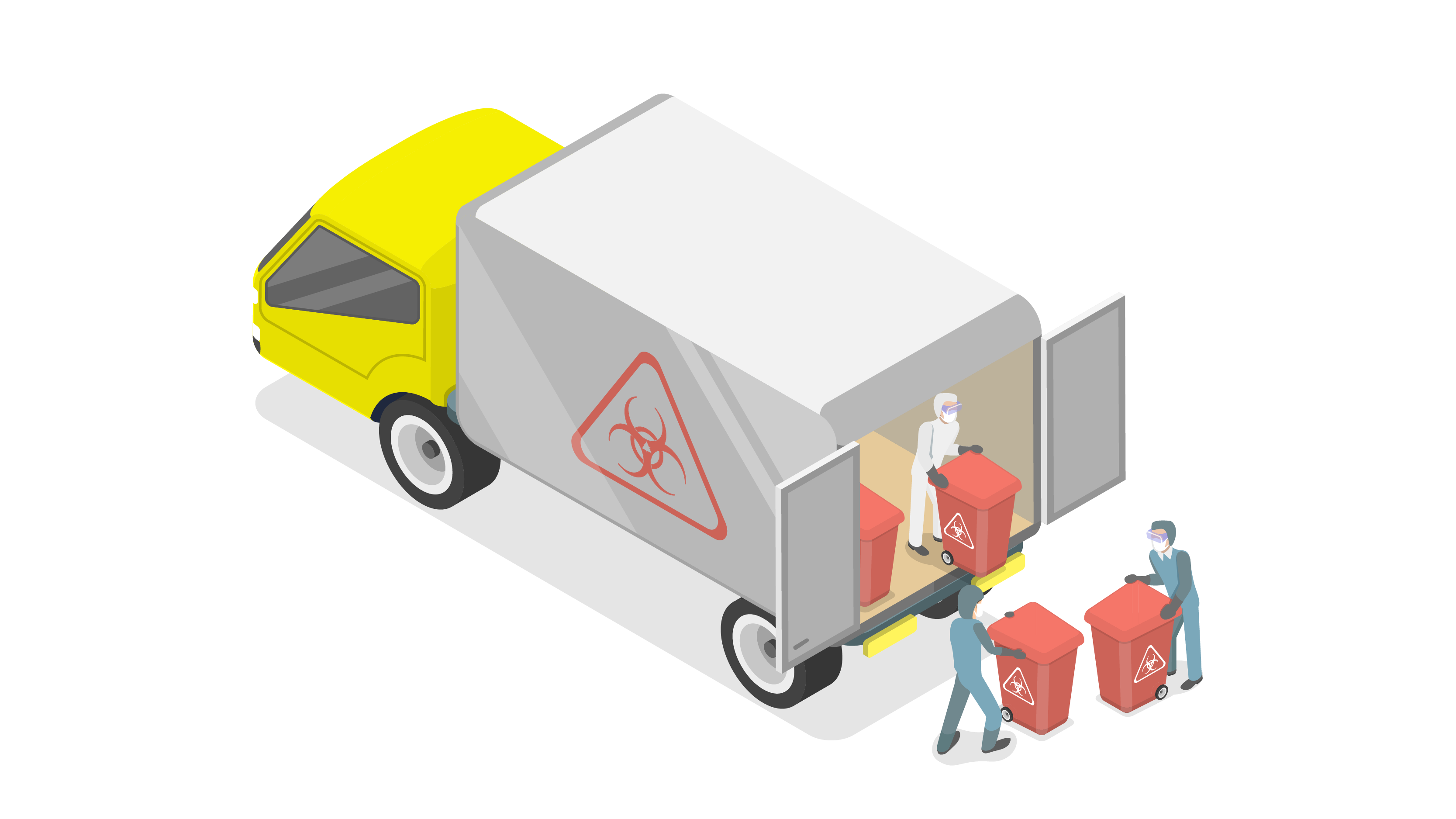
Class 6 – Toxic and Infectious Substances
Materials that can cause death, injury, or illness if swallowed, inhaled, or if they come into contact with skin. This class covers arsenic compounds, cyanide, and medical waste.
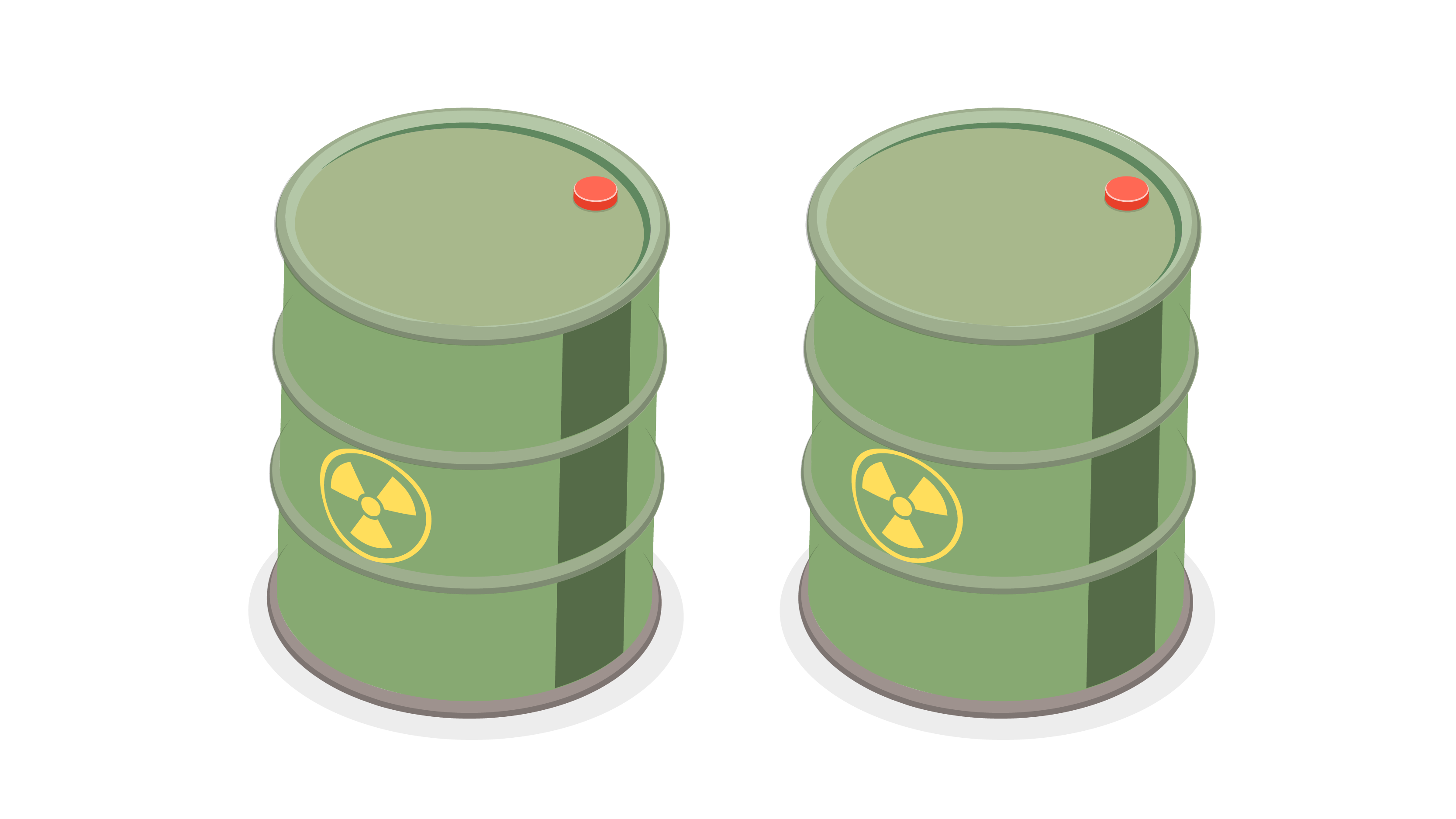
Class 7 – Radioactive Material
Substances that emit radiation, including medical treatment products and nuclear waste.
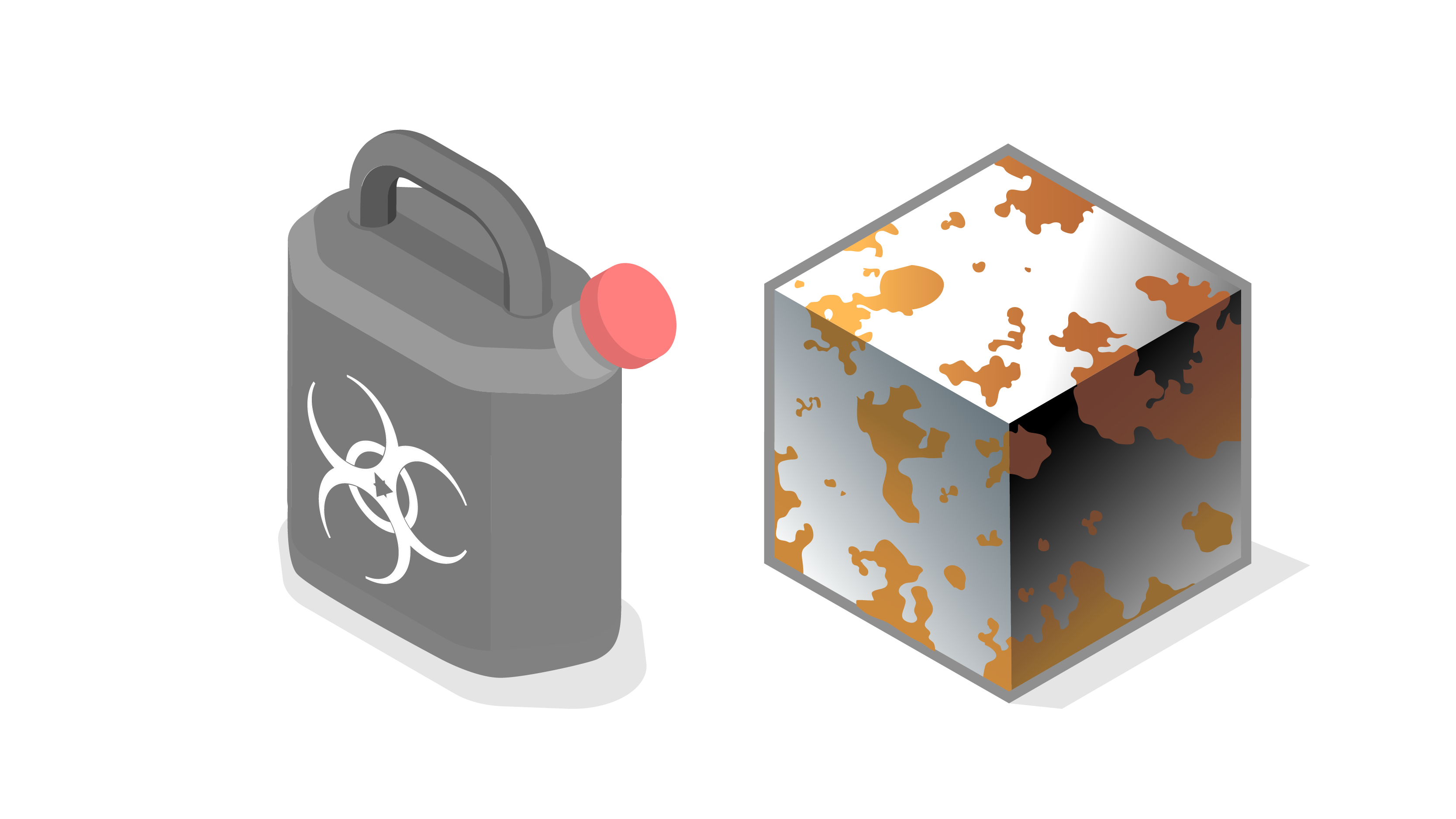
Class 8 – Corrosives
Substances that can dissolve organic tissue or severely corrode metals. Examples are acids like sulfuric acid, mercury, hydrochloric acid and various other acids.

Class 9 – Miscellaneous Dangerous Goods
Items that do not fit into the other categories but are considered dangerous for transport fall under Class 9 DG. This includes dry ice, environmentally hazardous substances, magnetized materials, self-inflatable rescue equipment like vests and airbags, lithium batteries, as well as consumer goods such as aerosols, body lotions, and perfumes.
Which logistics regulations govern dangerous goods in Brazil?
To ship dangerous goods internationally from Brazil, you must comply with a combination of national export controls and global transit frameworks depending on your chosen transport mode. The key regulatory frameworks governing these shipments are:
Agência Nacional de Aviação Civil (ANAC): Enforces air transit safety rules in Brazil, closely aligning its RBAC (Regulamento Brasileiro da Aviação Civil) framework with global aviation safety protocols.
IATA (International Air Transport Association): Establishes the global standards for commercial airlines, freight forwarders, and ground handlers regarding air cargo safety and hazardous materials handling.
IMDG Code (International Maritime Dangerous Goods): Dictates the legal safety requirements for sea freight, which is vital if you are moving large volumes of cargo via major maritime hubs like the Port of Santos.
Failing to align your logistics workflow with both local ANAC mandates and international IATA or IMDG codes will result in severe legal penalties, cargo confiscation, and immediate suspension of your business's export privileges.
What documentation is required for Brazilian dangerous goods exports?
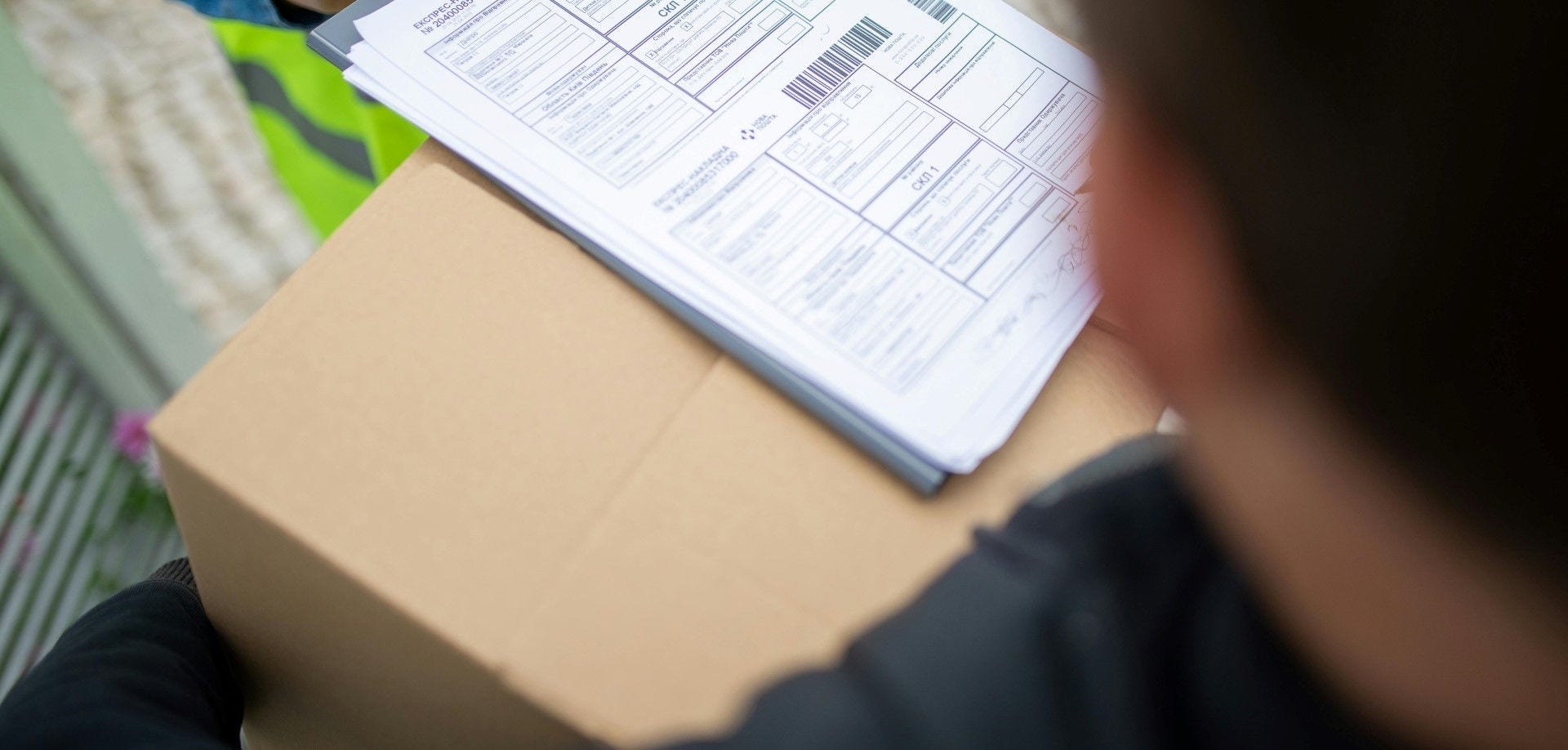
To successfully clear customs when exporting dangerous goods from Brazil, you must provide comprehensive, highly accurate paperwork that verifies your shipment’s chemical composition and safety compliance. Missing or incorrect details can prompt immediate interventions by the Receita Federal or international customs agencies.
Every dangerous goods shipment must include the following essential documents:
Fiscal Invoice (Nota Fiscal de Exportação): The core legal commercial document required for all outward trade from Brazil.
Dangerous Goods Declaration (DGD): A formal, legally binding statement confirming that the items are correctly classified, packed, and labeled according to international transit laws.
Safety Data Sheet (SDS / FISPQ): Known in Brazil as the Ficha de Informações de Segurança de Produtos Químicos, this technical document outlines the specific chemical hazards, handling precautions, and emergency response instructions.
Air Waybill (AWB) or Bill of Lading (BL): The primary contract of carriage containing shipment details, routing, and emergency contact numbers.
Regulatory Permits: Clearances from specific regulatory agencies like ANVISA (for health and cosmetics) or INMETRO (for certified technical components) if applicable.
What are the labeling requirements for hazardous air cargo?
Hazardous materials labels provide instantaneous, critical identification for freight handlers, customs officials, and emergency personnel. These visual markers must be applied directly to the exterior of your packaging and must remain perfectly legible throughout the entire transit journey.
A fully compliant dangerous goods package requires:
Hazard Class Labels: Specific diamond-shaped stickers that match the primary hazard classification (e.g., Flammable Liquid or Miscellaneous Class 9).
UN Identification Number: A unique four-digit code assigned by the United Nations that explicitly identifies the precise substance being transported.
Handling Labels: Explicit orientation indicators, such as "This Way Up" arrows, or specific instructions like "Cargo Aircraft Only" for goods banned from passenger flights.
Because compliance standards vary slightly depending on whether your goods travel by air, sea, or land, you must verify that your labeling configuration satisfies the exact criteria of your transport method (such as IATA for air or IMDG for ocean freight) before dispatching the goods from your warehouse.
How should you package dangerous goods to avoid customs rejections?
Proper packaging of dangerous goods is a strict legal requirement under international commerce laws designed to prevent leaks, environmental exposure, or volatile chemical reactions. If your packaging fails to meet international specifications, your cargo will be rejected at the airport or port terminal.
To build a compliant packaging setup, you must implement these three core principles:
1. Use UN-Certified Packaging
Your outer containers must be certified to withstand extreme pressure changes, structural impacts, and temperature fluctuations.
These specialized boxes, drums, or jerricans feature a distinct UN specification code printed directly on the material, indicating the exact package type, material composition, and tested performance thresholds.
2. Match the Correct Packaging Group
Substances are assigned to specific Packaging Groups based on their inherent level of risk:
Packaging Group I (Great Danger): Requires the highest level of structural reinforcement and protection.
Packaging Group II (Medium Danger): Standard protective packaging suited for moderate hazards.
Packaging Group III (Minor Danger): Standard commercial dangerous goods containment.
3. Implement Multi-Layered Containment
Ensure your hazardous cargo uses a reliable system of inner, intermediate, and outer packaging layer configurations. For example, when exporting volatile liquids or cosmetic oils, use leak-proof inner receptacles surrounded by sufficient absorbent material capable of containing the entire liquid volume if the primary container breaks.
Finally, seal all outer boxes using heavy-duty, tamper-evident methods approved for international freight transport.
Shipping dangerous goods internationally with DHL
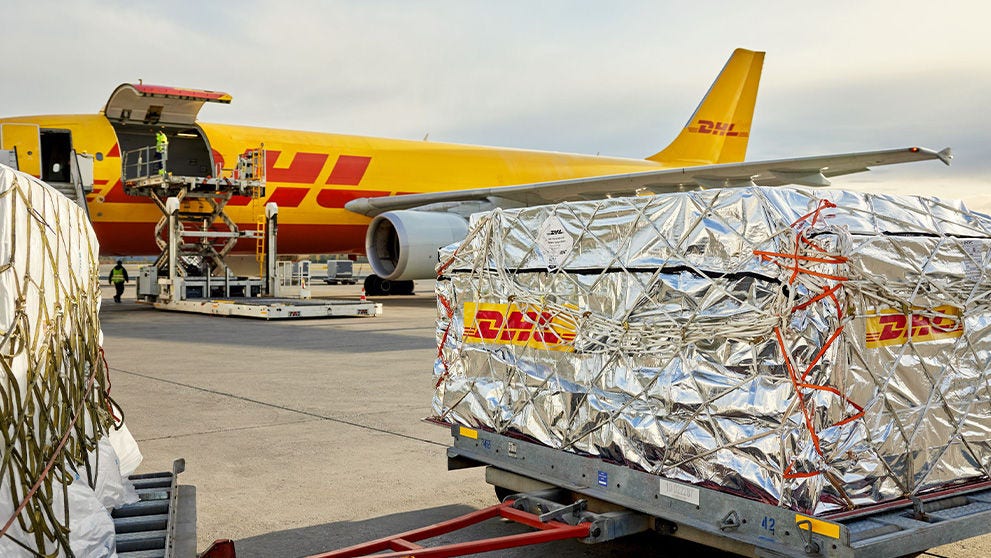
DHL Express is authorized to transport specific classifications of dangerous goods via our global air and road networks under highly controlled safety conditions. We work closely with Brazilian businesses to ensure their cross-border cargo satisfies all national export regulations and international destination rules seamlessly.
Our dedicated network features specialized dangerous goods experts who provide direct support to help your team navigate local regulatory hurdles, customs paperwork, and packaging compliance.
By streamlining our operational workflows, we ensure your pre-cleared, compliant shipments experience minimal delays at international customs checkpoints.
To maintain the safety of our network, DHL Express requires all dangerous goods shipments to be fully approved and audited by our Restricted Commodities Team before booking. To begin the onboarding process and review the specific requirements for your product lines, contact your DHL Account Manager today.
Managing international dangerous goods shipping does not have to stall your company's global expansion.
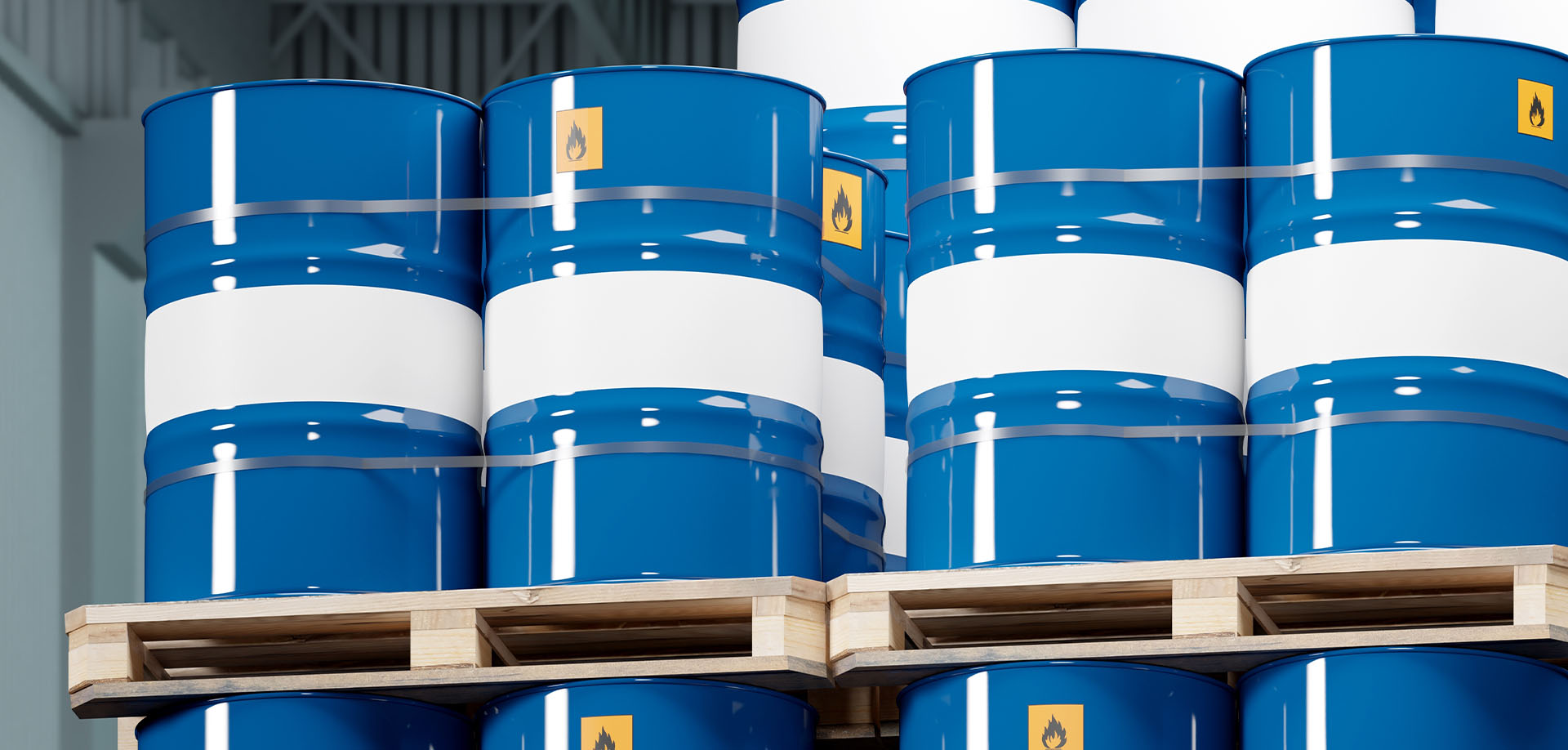
Shipping dangerous goods doesn’t need to be daunting. While the regulations can be complex, understanding how to classify, package, document, and label these materials correctly is the key to ensuring safe and compliant international transport. With the right knowledge – and the right logistics partner – you can keep your business moving safely and efficiently.
Open a DHL Express Business Account


 Share
Share

Similar Stories