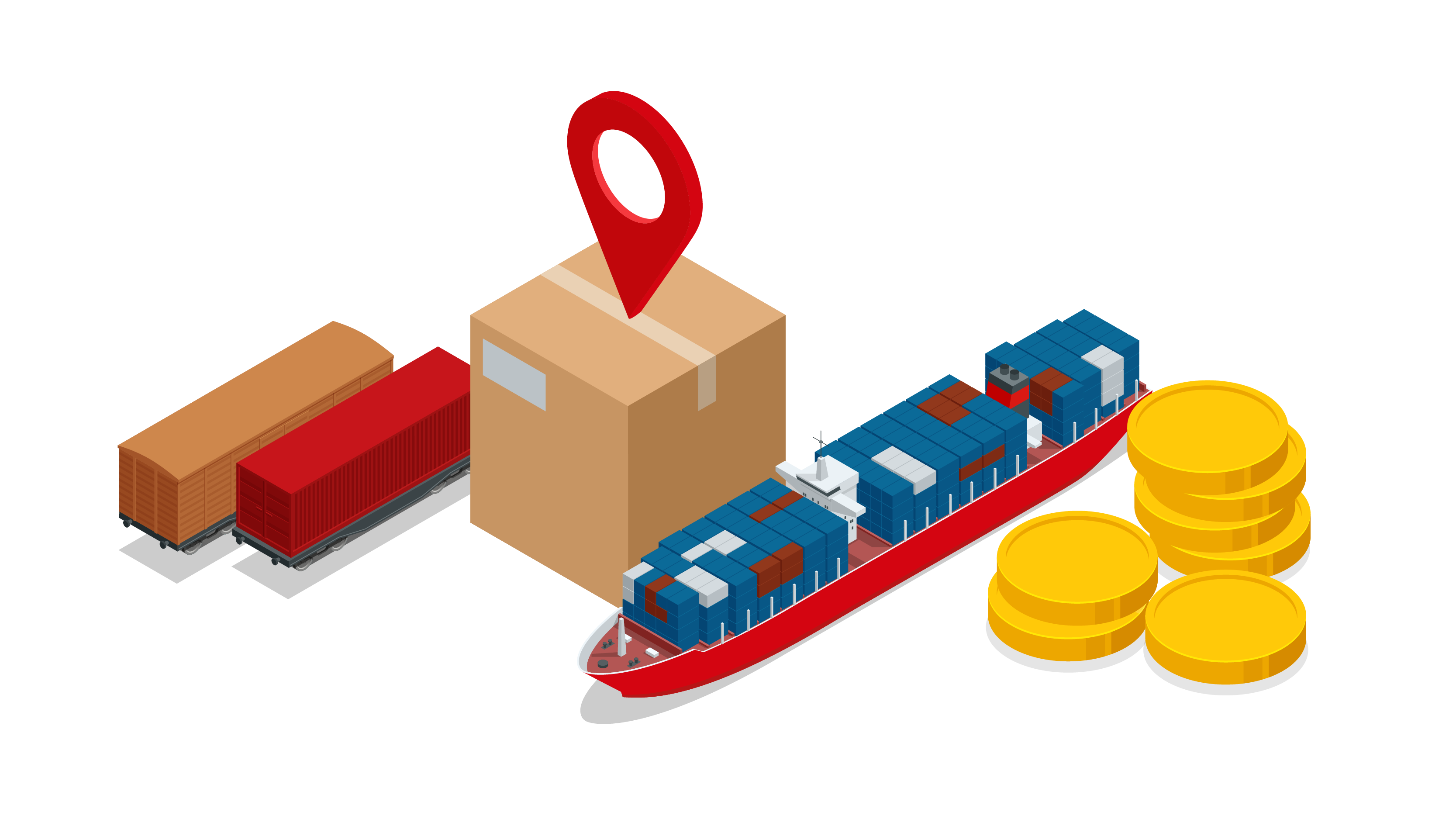

If you are a small business owner, shipping internationally is a lucrative strategy to expand your customer base and increase revenue. Yet, successfully navigating the tax and duties regulations of each country of destination is critical, as these costs are a fundamental part of your international logistics process and can significantly affect your business’s bottom line.
While they may sound similar, import taxes and custom duties have key distinctions. Let’s break down the fundamentals of each type of charge to give you a better understanding:
What is import duty?
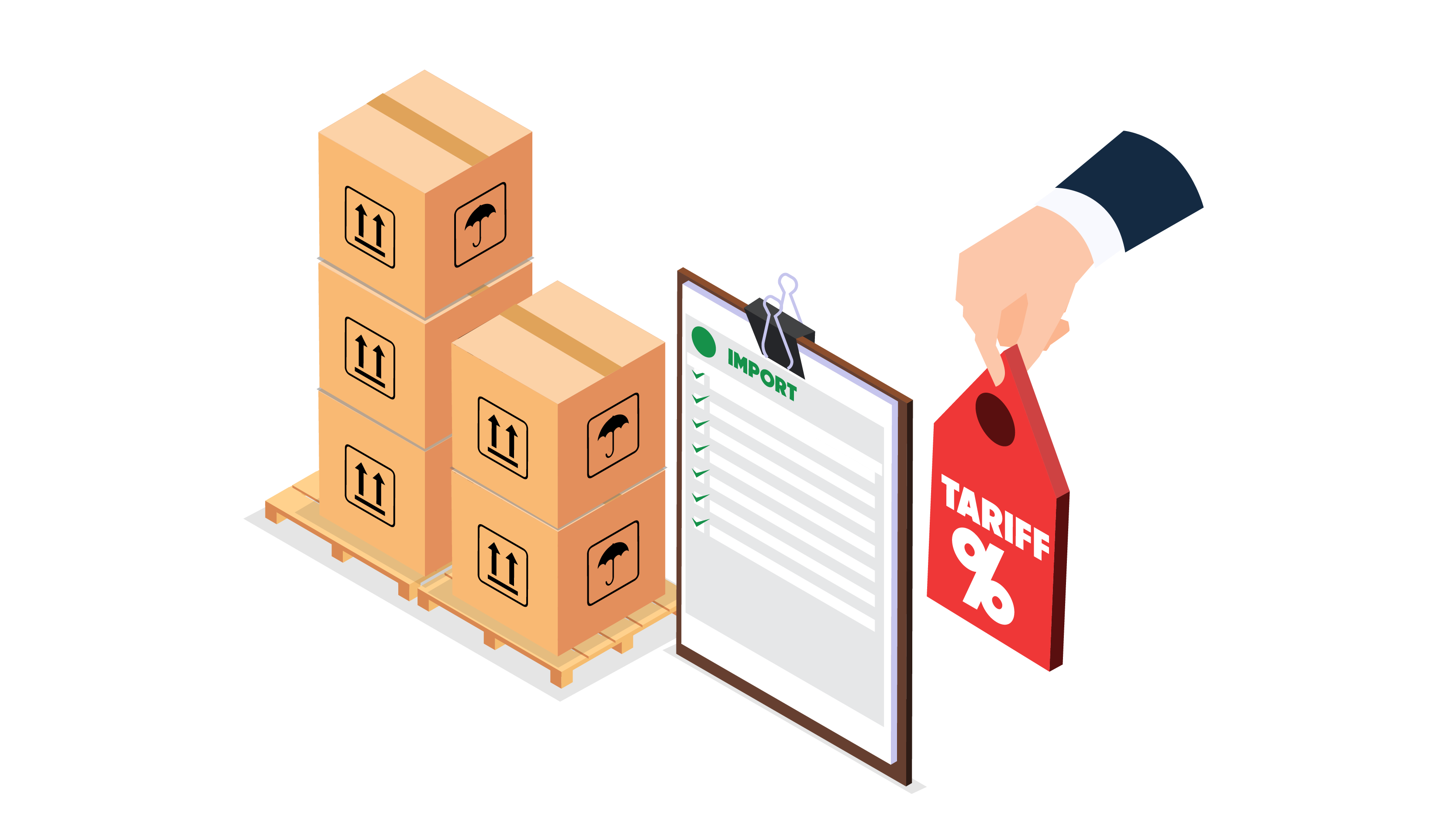
Import duty (or customs duty) is a tax collected by customs authorities on all goods sold across borders. The aim of import duties is to raise income for local governments - but also to increase the end price of the goods for consumers, thus encouraging them to buy from the domestic market, which is not subject to this tax.
Some common examples of import duties include trade tariffs and excise duties, which are both designed to increase government revenue and protect local markets. For example, trade tariffs make imported goods like cars more expensive, while excise duties are levied on specific items like tobacco and alcohol.
What is import tax?
Import tax is a flat tax rate charged by customs on imports. In many cases, the tax is equal to the local sales tax. Even when the goods have been purchased abroad, this consumption tax will still apply when they enter a different country.
Some examples of these include sales tax, value-added tax (VAT), or Goods and Services Tax (GST) in some countries. Though they may have different names, these are all types of consumption taxes that are applied to a product at the point of entry into a new market.
How do duties and taxes impact your shipment?
Understanding how import duties and taxes work is essential for successful international trade, as they significantly impact your total shipping costs. Being aware of these charges early on allows you to factor them into your pricing strategy, which is critical for maintaining profitability. Additionally, failure to manage these costs properly could cause your shipments to be held up at customs, leading to unnecessary delays or even fines.
How much is import tax?
When shipping internationally, calculating the final cost involves more than just the product price. While many countries have a minimum value threshold — known as a de minimis — that allows goods to be shipped duty-free and tax-free if their value is below that amount, the final amount you’ll pay is also influenced by several other factors, including:
The value of the goods: The total value of your shipment is the foundation for all tax and duty calculations. This value must include the cost of the goods as well as any shipping and insurance fees.
The goods description: A clear and accurate description of the products you are shipping is essential for customs authorities. This helps them quickly and correctly classify the items to avoid any confusion or delays.
The country or region of origin: The country your goods were manufactured in can significantly affect the final cost. This is because trade agreements between countries may allow for reduced or even eliminated duty rates.
The destination country’s tariff rates: Each country sets its own specific tariff rates, which vary widely depending on the product type. These rates are a primary factor in determining the exact amount of duty you’ll need to pay.
The goods’ HS code(s): Harmonised System codes — also known as HS codes — are a standardised numerical method for classifying traded products. Customs authorities use this code as a universal language to quickly identify your shipment and apply the relevant taxes, duties and regulations.
Countries with the highest and lowest de minimis thresholds
The de minimis threshold is a key factor in international shipping, as it varies significantly from country to country and directly impacts your costs. To help you navigate these differences, here's a look at Ireland's threshold and how it compares to other major markets:
Ireland and the European Union
In Ireland, as part of the European Union, goods valued at or below €150 are exempt from customs duties. However, it’s important to note that as of July 2021, VAT applies to all imported goods, regardless of their value.
Highest de minimis thresholds
For comparison, countries like Australia have a high de minimis threshold set at AUD $1,000. This means that shipments under this value are exempt from duties and taxes, promoting international trade. The United States also previously had a high de minimis threshold of USD $800, though this is currently being phased out for all countries.
Lowest de minimis thresholds
Some countries have a zero de minimis threshold, meaning all imported goods are subject to duties and taxes regardless of their value. Examples of countries with a zero de minimis threshold include Egypt, Nigeria and Sri Lanka.
How to calculate import tax and duty
As international logistics experts, DHL Express has a range of solutions to help make things easy for businesses shipping cross-border. This includes a dedicated Landed Cost Estimator – a simple calculator that estimates duties, taxes, shipping costs and more, to help you make better pricing decisions.
To begin using this tool, simply create or log in to your account on MyGTS.
Once done, the tool will guide you through a series of prompts where you will provide key details about your shipment, including its origin, destination and product specifics. The estimator will then use this information to instantly provide an accurate estimate of the applicable import taxes and duties.
Who has to pay for import tax and custom duty?
So, who is responsible for paying the import taxes and duties on a cross-border shipment? Here’s where it can get a little complex, so let’s break down the different parties and their responsibilities.
Carrier
This is the service that transports the shipment across borders, such as DHL Express. In international trade, the carrier acts as a customs broker, managing border documentation for clients so that their goods clear customs without any problems. The carrier is also responsible for collecting all associated import taxes and duties.
Exporter and importer
In the case of a cross-border, B2C e-commerce transaction, the seller sending the goods out of the country is the exporter, whilst the customer buying the goods is considered the importer. The party responsible for paying the taxes and duties passed on by the carrier is determined by an internationally recognised set of rules called Incoterms.
Incoterms are usually agreed upon between the exporter and the carrier, with the two most common ones being:
Delivered Duty Paid (DDP): This is when the seller takes responsibility for the transportation of the goods (including the associated fees), and pays all import taxes and duties due when the shipment crosses borders.
Delivered Duty Unpaid (DDU): In this instance, the seller is responsible for delivering the goods to their destination and for the cost of their transportation, but the customer must pay all associated import taxes and duties to the carrier when they receive the package.
Choosing the DDU option, while seemingly cheaper for your business, can be a source of significant frustration for customers. Unexpected fees upon delivery can damage the customer experience and negatively impact customer loyalty and your brand's reputation.
Who or what is the Importer of Record?
This is the individual or entity responsible for ensuring import compliance. They must manage all paperwork (such as licenses and certificates) needed for the import, as well as covering all duties and taxes. In the instance of DDP, for example, the seller is the Importer of Record.
Considerations when shipping internationally
There is a lot to plan for when shipping to a new cross-border destination, including:
Customs and regulations: It’s important to research the local import tax and duty rates to factor into your costs. You can get started by using our Country Guides to find a breakdown of what you need to know.
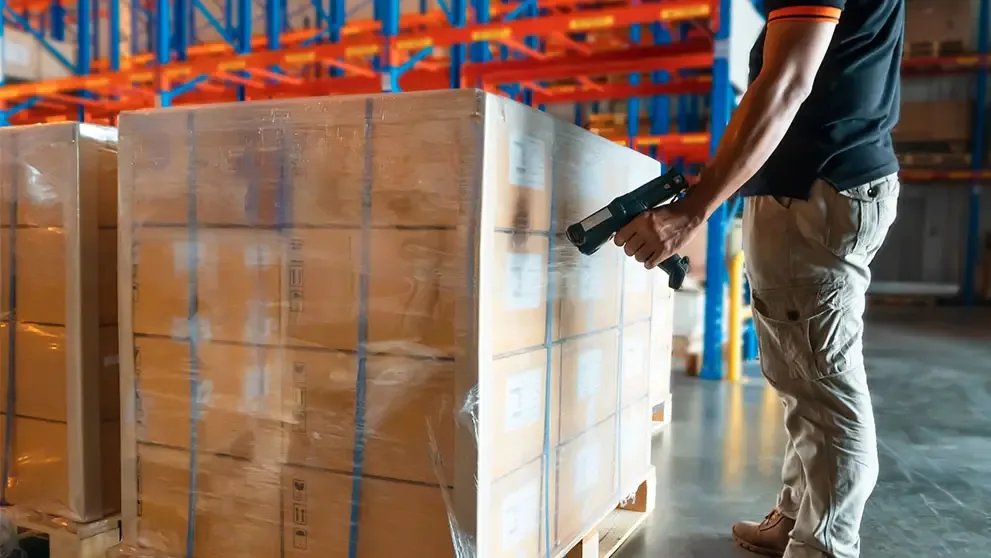
Shipping documentation: This includes preparing all the necessary paperwork for your shipment, such as an accurate and detailed commercial invoice, a waybill and a bill of lading.
Proper packaging: Ensuring your shipment arrives in perfect condition is crucial, and that starts with proper packaging. Goods should be packed in correctly sized boxes to optimise space and minimise shipping costs, while also using sustainable packaging to reduce your environmental impact.
Prohibited and restricted items: Goods shipped without the correct certificates or permits could be seized by customs. A lack of proper documentation could also earn you additional charges such as a hefty fine.
Shipment insurance: This is an important consideration for your peace of mind. Insurance can protect you in case something goes wrong with your shipment, such as damage or loss.
Practical steps for handling import tax and shipping duties
Managing customs declarations
When shipping goods internationally, you’ll be required to complete customs declaration forms, including a commercial invoice. This is a specialised export document containing comprehensive information about the goods that customs authorities will use to calculate the taxes, tariffs and duties due. You can cut costs by managing customs declarations yourself, or you can engage a customs broker.
Choose a customs brokerage service
Partnering with DHL Express, for example, will mean your business has access to a global network of customs experts across over 100 countries. You’ll enjoy:
Full transparency: You’ll benefit from a complete, end-to-end view of your shipment, with maximum visibility over what has been declared on your behalf.
Transparent costs: You can get a clear understanding of your expenses upfront with global rate cards that provide transparent, all-in-one costs.
AI-powered solutions: New technologies such as AI-powered compliance tools help reduce clearance delays and ensure your imports move quickly and efficiently through customs.
Duties and taxes outlay: DHL Express will settle all duties and taxes upfront on your behalf to prevent delays in your goods getting to their final destination.
Prepare your customers for paying import duties
Lastly, remember that whatever Incoterms you choose for your international shipments, be clear about them to your customers upfront. Surprising them with high shipping fees at the very last moment is a sure way to lose the sale.
Get expert advice on customs clearances with DHL
Understanding the nuances of import taxes and duties is crucial for any business to ensure a seamless shipping process. While the challenges of navigating a complex global system can be overwhelming, you don't have to navigate them alone. DHL Express can provide expert guidance and streamlined customs services to simplify the process. To get started with your shipping journey, create a DHL Express business account today!