
For most countries, the exemption ends on August 29, 2025. After that, all shipments, regardless of value, will be processed as informal or formal entries and subject to duties and taxes.



 Share
Share
Do you ship goods to the US? If so, you’ve likely benefited from the de minimis tariff exemption—a rule that’s made cross-border selling simpler and more affordable since 2016. It has allowed shipments valued under US$800 to enter the US without duties, taxes, or extensive customs checks, helping businesses of all sizes reach American customers with ease.
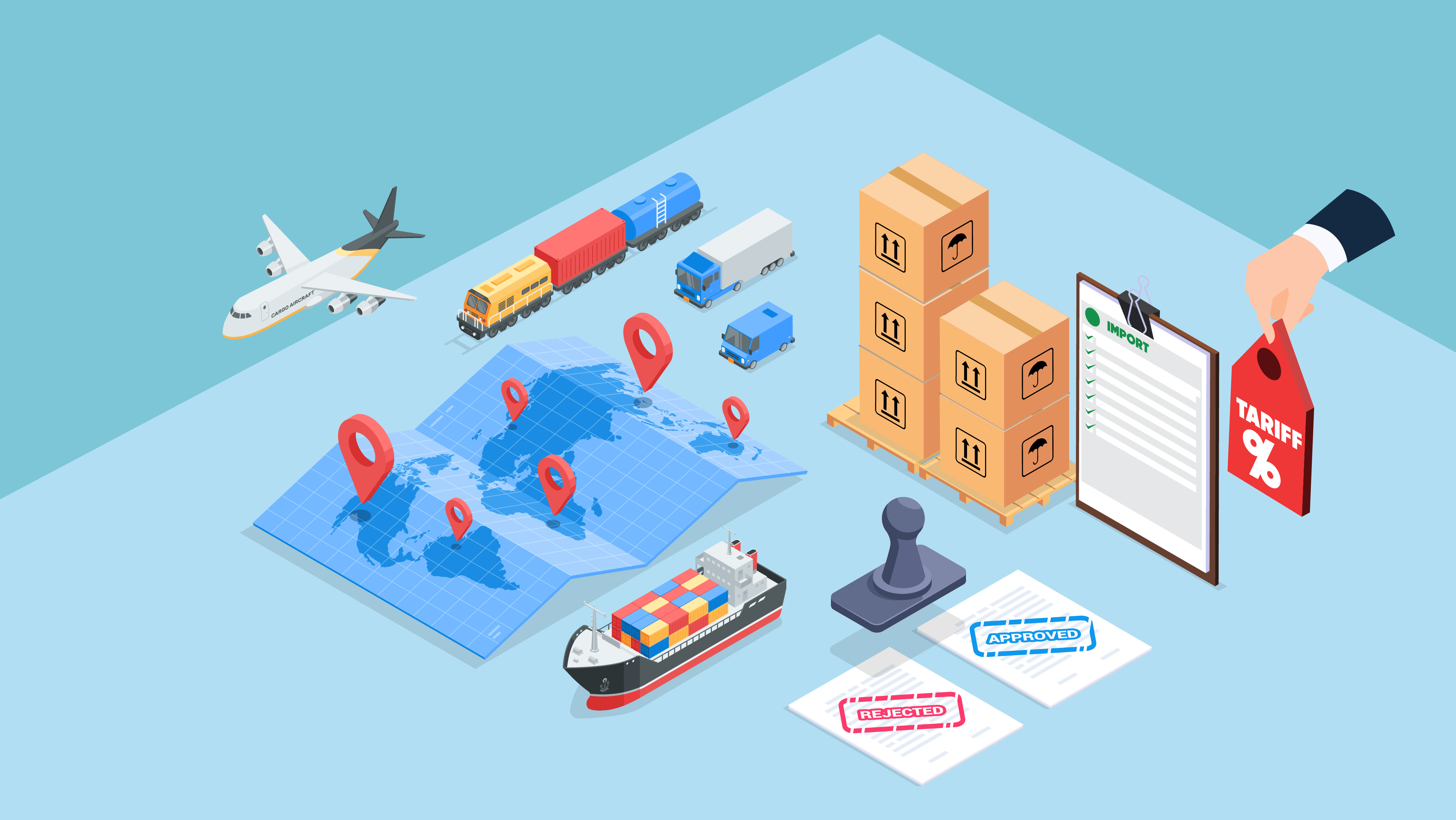
But big changes have come. Starting August 29, 2025, the US has removed the de minimis threshold for all countries1, meaning that all shipments, regardless of their value or country of origin, will be subject to all applicable duties and taxes and the Informal or Formal Entry process.
Here's what that means for your business and how you can stay ahead.
The de minimis exemption is a crucial US trade rule that, since 2016, has permitted goods valued under US$800 (the highest de minimis threshold globally) to enter the country duty-free, tax-free, and under a notably simplified entry process. Essentially, it provided a fast lane for low-value shipments.
This provided a massive benefit: it slashed administrative headaches at the US Customs and Border Protection (CBP) and, most importantly, lowered your shipping costs and accelerated delivery times.
This rule was a major boost, particularly for Irish e-commerce businesses and SMEs looking to penetrate the huge American consumer market without incurring significant overheads.
The decision to eliminate the US$800 de minimis threshold is a significant regulatory change that stems primarily from concerns over trade enforcement and fairness. The policy shift aims to level the playing field for domestic US retailers who have long argued the exemption gave foreign competitors an unfair advantage.
For your small business or e-commerce platform in Ireland, the removal means a fundamental change to your operating model: every single international shipment—even a small sample or a low-value purchase—will soon face customs inspection and associated costs. This directly impacts your pricing strategies and introduces new friction into the logistics chain for all your international shipments.
Previously, goods under US$800 were essentially exempt; now, you must treat all shipments as subject to standard regulatory requirements. This change requires you to adjust your internal processes immediately.
In practical terms, this means:
New Taxation: Shipments that were previously duty-free will now be subject to import duties and any applicable taxes, such as state and local sales taxes, based on the Harmonised Tariff Schedule (HTS) classification of the product. This will increase the final cost for your US customer.
Formal Processing: All shipments will now require a more detailed entry filing—either the Informal Entry process (typically for goods valued under US$2,500) or the Formal Entry process.
Customs Clearance Impact: You should anticipate longer customs clearance times and potential delays at the border, as CBP must now scrutinise a far greater volume of shipments.
Increased Documentation: The requirement for accurate and complete documentation, including the Commercial Invoice and HTS code, becomes absolutely critical, regardless of the shipment's value.
From August 29, 2025, all shipments into the US will be subject to duties and taxes—no matter the value and no matter the origin. For small and medium-sized businesses, that’s a significant shift.
With this change, accurate customs declarations become non-negotiable. You'll need to classify products correctly, declare their value, and ensure all documentation is spot-on—because mistakes could lead to delays, penalties, or unhappy customers.
For many Irish SMBs, the de minimis rule was a powerful competitive shield, enabling their products to be easily price-competitive with sellers already based in the US. The removal of this benefit, unfortunately, immediately chips away at that crucial advantage.
Beyond the costs, the most significant impact will be the heavy administrative burden placed directly on you. Calculating and reporting specific duties and taxes for every single sale requires new expertise and potentially new software integration.
Think about it this way: if you’re a small Irish jewellery maker shipping dozens of individual necklaces daily, each valued at €50, the process was once automatic. Now, you must meticulously handle HTS codes, calculate specific duties, and ensure your customer pays the taxes.
This transforms what used to be simple logistics into a complex and time-consuming compliance operation you must manage for every single order.
The change directly translates to an increased landed cost for every item you sell to the US. This cost, which includes the product price plus shipping, insurance, duties, and taxes, will now be significantly higher than before.
For e-commerce platforms, this presents a tricky situation. If you pass the extra cost to the customer, you risk increased shopping cart abandonment. If you absorb the cost, your profit margins shrink drastically.
A classic example involves a monthly gourmet food subscription box, like artisanal Irish farmhouse cheese or cured meats. This service depends entirely on a stable, predictable monthly price. They must now decide whether to raise that recurring price to account for the new duties and taxes, risking losing loyal, price-sensitive subscribers, or absorb the cost themselves, which quickly eats into their overall profitability and threatens the viability of the subscription model.
The good news is that you have options! This regulatory shift requires proactive planning and adjustment. To keep your competitive edge and maintain customer satisfaction, you must strategically review your operations, whether that means adjusting your pricing, optimising your logistics, or changing how you handle shipping costs.
Adjust Your Pricing Strategy: Clearly define the final landed cost and incorporate all calculated duties and taxes transparently into the price the customer sees at checkout. This ensures the price is final and prevents costly surprises upon delivery.
Optimise Your Logistics: Partner with a carrier like DHL Express that can offer efficient customs brokerage and Delivered Duty Paid (DDP) services. Utilising DDP is crucial, as it allows your business to pay the duties upfront, guaranteeing a seamless, hassle-free delivery for your US customer.
Explore Fulfilment Options: For high-volume sellers, consider holding inventory within the US to fulfil orders domestically. This strategic move allows you to bypass the complex international entry process for individual sales, leading to faster delivery times and lower final shipping costs.
Let’s say you’re a UK-based brand shipping fashion accessories to U.S. customers. Previously, if the average order was under $800, you likely avoided duties altogether. Now, those same shipments will face duties & taxes and other import tariffs following all changes in the U.S.
Or, if you're an Australian skincare brand, your products might face different rates entirely – tariffs vary by product type and country of origin, meaning businesses will need to factor in new costs based on where they’re shipping from and what they’re selling.
For e-commerce sellers and SMEs, the implications are clear:
That’s why smart planning is so important – and this article is here to help!
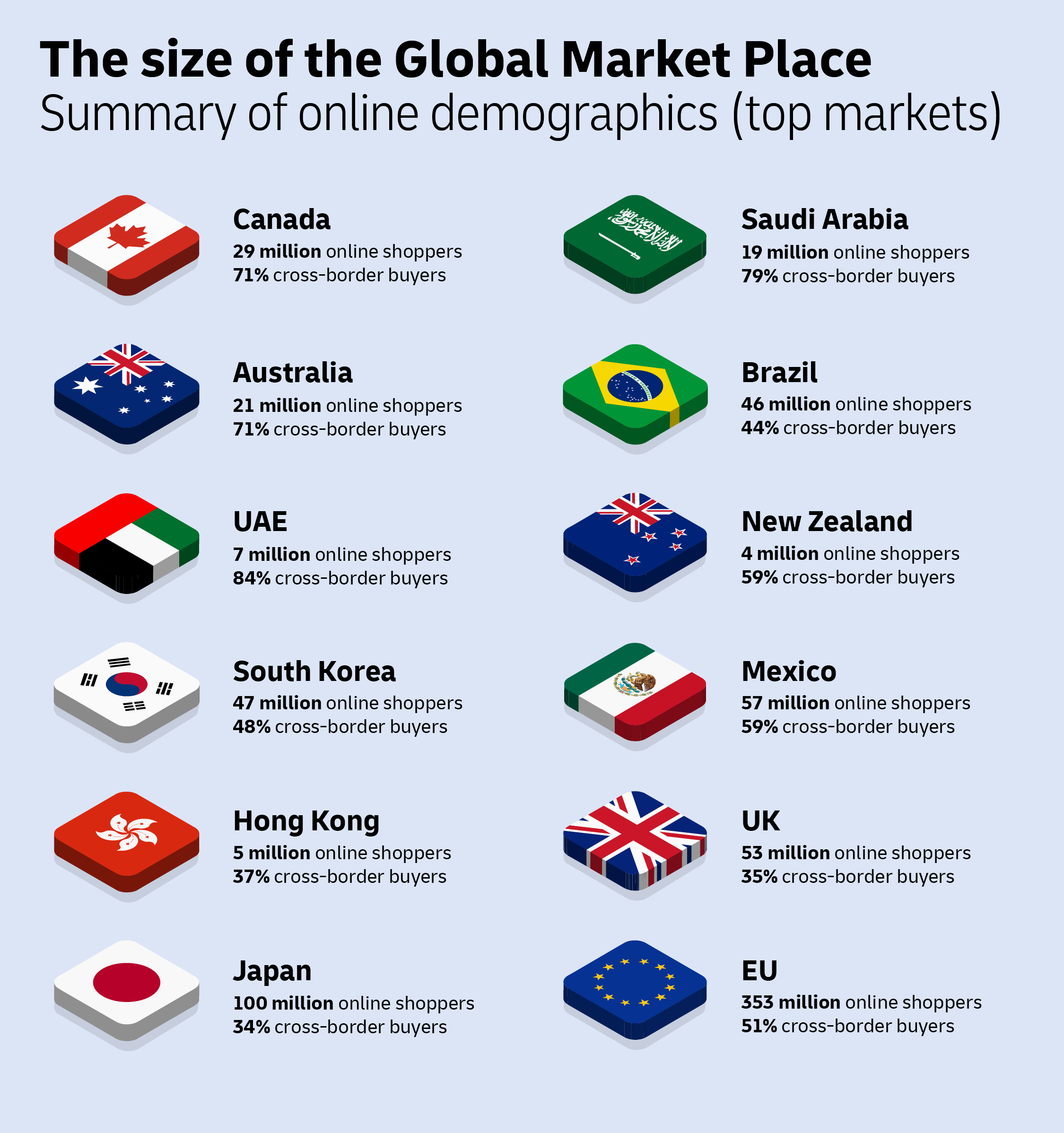
While the US de minimis landscape is changing dramatically, it’s worth noting that every major region operates under its own rules. Understanding these global thresholds helps contextualise the US shift and is vital if you export to multiple countries.
Region | De Minimis Value (Approximate) | What It Means in Practice |
United States (Post-Aug 2025) | US$0 | All shipments are subject to duties/taxes/formal entry. |
European Union (EU) | €150 | Shipments under this value are duty-free but still subject to VAT. |
Australia | A$1,000 | A very generous duty and tax-free threshold. |
Canada | C$150 for customs duties C$40 for taxes | Duty and tax-free threshold is quite low. |
China | CNY 50 | Generally applies to the value of duties and taxes exempted for low-value postal imports. |
Japan | JPY 10,000 | Shipments under this value are exempt from import duties and consumption taxes. |
Hong Kong | None (Free Port) | No duties or VAT/GST are generally applied to most imports, simplifying the entry process significantly. |
United Arab Emirates (UAE) | AED 1,000 | Shipments under this value are typically exempt from duties and customs fees. |
The removal of the de minimis exemption doesn’t have to derail your operations, but it does call for some smart adjustments. Here are some best practices to keep your shipping strategy running efficiently:

To ensure a smooth customs clearance process, it’s vital that your shipping documentation, including the Commercial Invoice, is complete and accurate. By leveraging DHL’s My Global Trade Services (MyGTS), you can have access to all the data you need to provide to stay compliant and keep your shipment moving.

Double-check that your products are correctly classified under the HTS codes. Consider using automated tools to calculate duties and taxes—they’ll save your business time and reduce costly errors.
Factor in duties, taxes, and handling fees to get a true picture of your total shipping expenses. From there, you can update your product pricing or shipping options to maintain healthy margins.
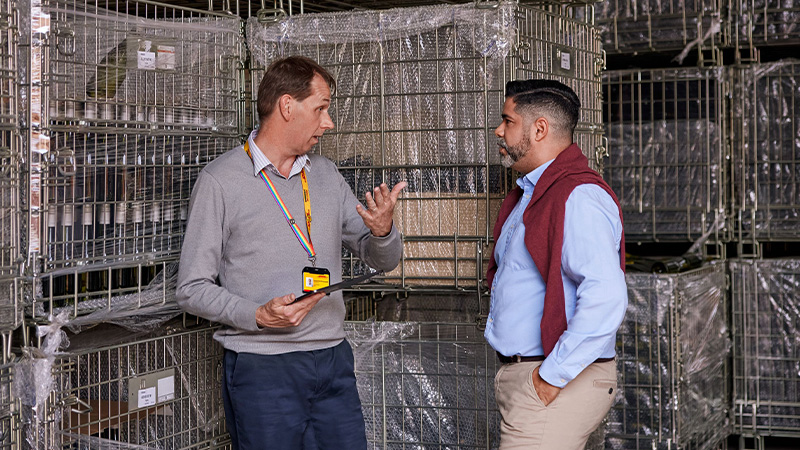
Taking ownership of duties and taxes upfront makes for a smoother experience at checkout and delivery. When customers see the full cost ahead of time, there are no surprise fees at the door (a major reason for cart abandonment).

Giving customers the option to prepay charges, along with live updates on their shipment, will build their trust in your brand.
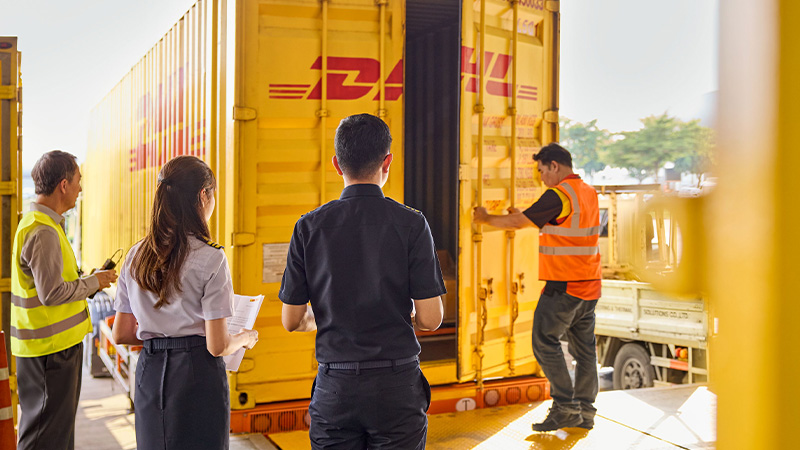
Use services like Break Bulk Express (BBX) to consolidate multiple parcels into one clearance entry, reducing per-shipment costs. Or tap into the DHL Fulfillment Network (DFN) to store inventory within the US and avoid customs processing altogether for domestic orders.
While the removal of the de minimis exemption presents challenges, it also opens the door to new opportunities. This may be the perfect moment to rethink your global growth strategy. There’s a big world out there full of potential customers for your products; now is the time to find where that demand lies.
Some countries may offer quicker entry and fewer regulatory hurdles, giving you the chance to scale rapidly. Others might be larger and more competitive but promise greater long-term returns. With DHL’s insights and local know-how, you can make informed decisions about where to grow and how to get there efficiently.
DHL Express and DHL eCommerce services to the US remain fully operational, so you can continue relying on the same fast, reliable delivery experience.
Behind the scenes, our teams have been actively preparing for the de minimis changes to ensure your shipments stay fully compliant with US customs regulations.
If you're using MyGTS, you'll also notice updates that reflect the new rules, including accurate landed cost estimates based on the latest import requirements, helping you plan and price with confidence.
For most countries, the exemption ends on August 29, 2025. After that, all shipments, regardless of value, will be processed as informal or formal entries and subject to duties and taxes.
Your goods are subject to the de minimis rule if the shipment's total value falls below the specific monetary threshold set by the destination country. For the US (until August 2025), that meant any shipment valued under US$800 qualified for tax- and duty-free entry.
You don't typically "calculate" the rule itself; instead, you compare the total declared value of your entire shipment against the destination country's published de minimis threshold. If your shipment's value is lower than the threshold, the rule applies, and it will be exempt from duties and taxes.
Yes, nearly all major global trading blocs and countries utilise a de minimis threshold, though the value varies significantly from region to region. This is why it’s essential to check the specific import rules and thresholds for every country you ship to.
In short, with DHL Express as your logistics partner, the de minimis impact doesn’t have to be a roadblock — they can open new doors for growth. Stay up to date with the latest information on the US Tariffs here, and explore what’s possible for your SME with a DHL Express Business Account.
 Share
Share