
It’s a U.S. trade rule that let shipments under US$800 enter the country duty- and tax-free, under a simplified clearance process. Since 2016, it’s helped e-commerce businesses reach U.S. customers more easily and affordably.
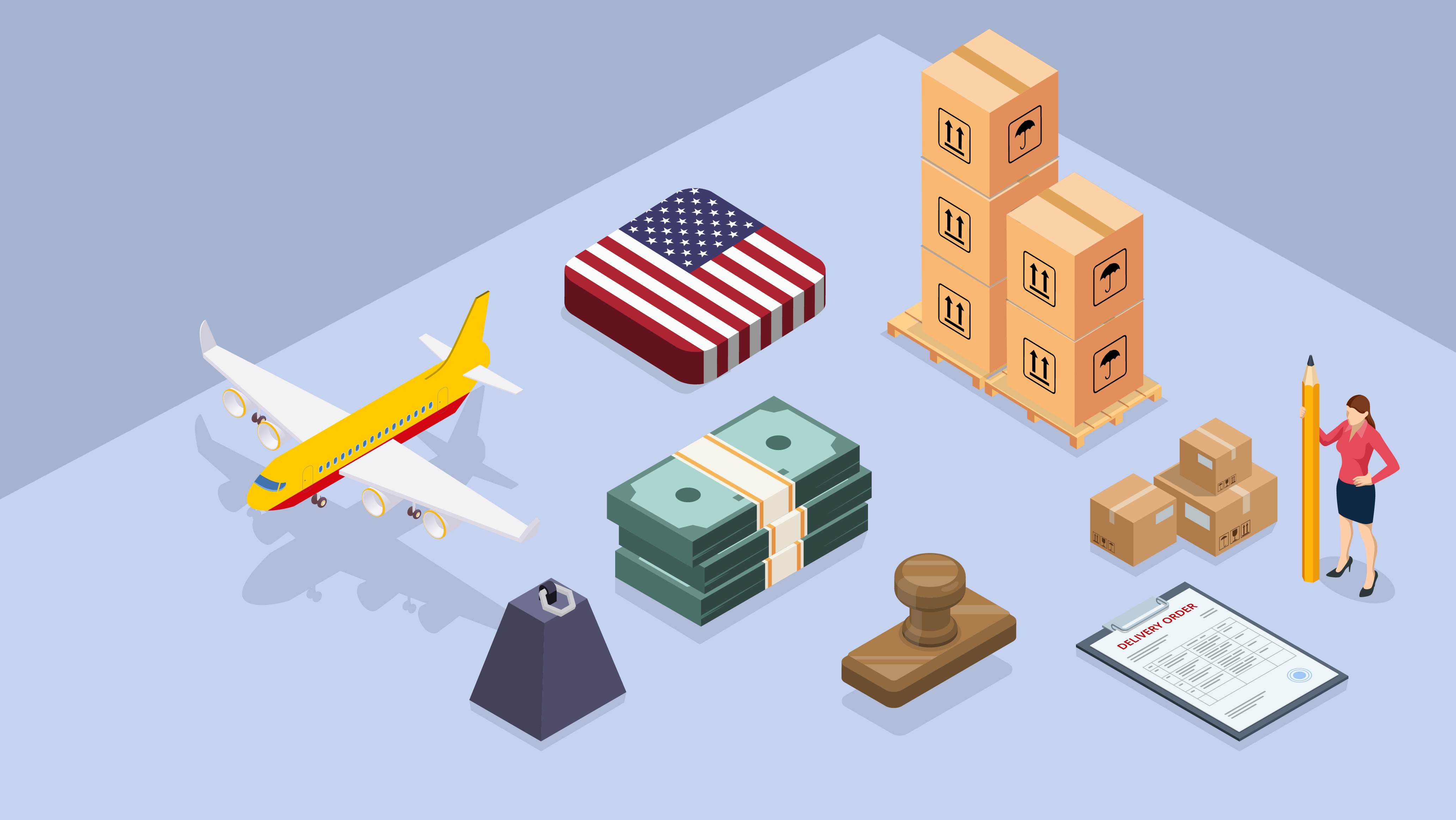
For years, the U.S. de minimis threshold helped businesses move low-value shipments across borders quickly and cost-effectively. Goods valued under US$800 could enter the United States with limited customs formalities and without duties or taxes — a major advantage for e-commerce sellers and SMEs.
That landscape is changing. From August 29, 2025, shipments that previously benefited from de minimis treatment will generally no longer qualify for duty-free entry, increasing the importance of customs compliance, cost planning, and shipping transparency.
Here’s what businesses need to understand — and how to stay prepared.
The de minimis threshold is a U.S. customs provision that allowed shipments valued under US$800 to enter the country with simplified clearance and without duties or taxes. Introduced to streamline trade, it supported faster delivery times and reduced costs for low-value, cross-border shipments.
This rule played a key role in the growth of international e-commerce, enabling businesses of all sizes to reach U.S. customers more easily.
With the removal of de minimis duty-free treatment, most shipments entering the U.S. will now be subject to applicable duties, taxes, and standard customs procedures, regardless of shipment value.
This means customs authorities will place greater emphasis on:
Accurate product classification
Correct declared values
Complete and compliant documentation
While customs processes may still vary by shipment type and carrier, businesses should expect increased scrutiny and more consistent duty and tax assessments compared to previous years.
Consider an online retailer shipping accessories or consumer goods directly to U.S. customers. Orders that previously cleared customs without duties may now:
Because duty rates vary by product type and country of origin, costs will differ from shipment to shipment — making proactive planning essential.
For many businesses, the implications are clear:
Pricing models may need review.
Shipping costs should be clearly communicated upfront.
Checkout transparency becomes critical to avoid abandoned carts and delivery issues.
The end of de minimis treatment doesn’t mean scaling back U.S. sales — but it does require a more strategic approach:

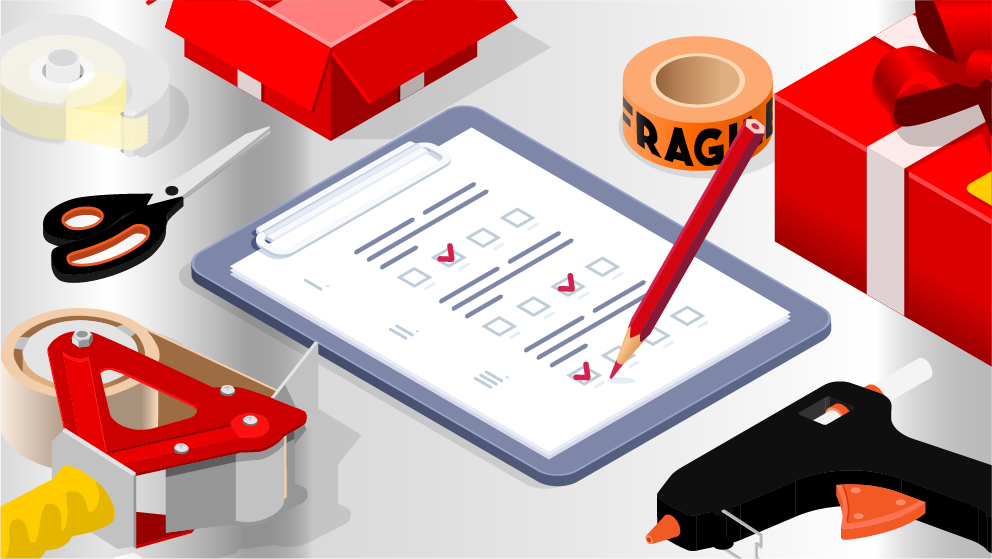
Commercial invoices should include clear product descriptions, correct HS codes, declared values, and origin details. Digital trade tools such as DHL MyGTS can help guide businesses through required data and compliance checks.

Correct product classification is essential. Automated duty and tax calculation tools can reduce errors, improve predictability, and save valuable time.
Understanding the full landed cost — including duties, taxes, and handling fees — helps businesses protect margins and price products more accurately.
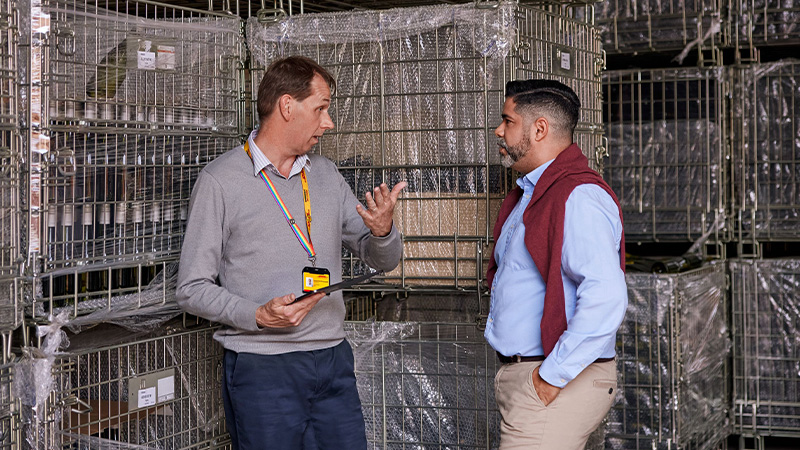
By covering duties and taxes upfront, businesses provide customers with full cost visibility at checkout and avoid surprise charges at delivery — a common cause of failed deliveries and returns.

Allowing customers to prepay duties and taxes, combined with real-time tracking, builds trust and improves the overall delivery experience.
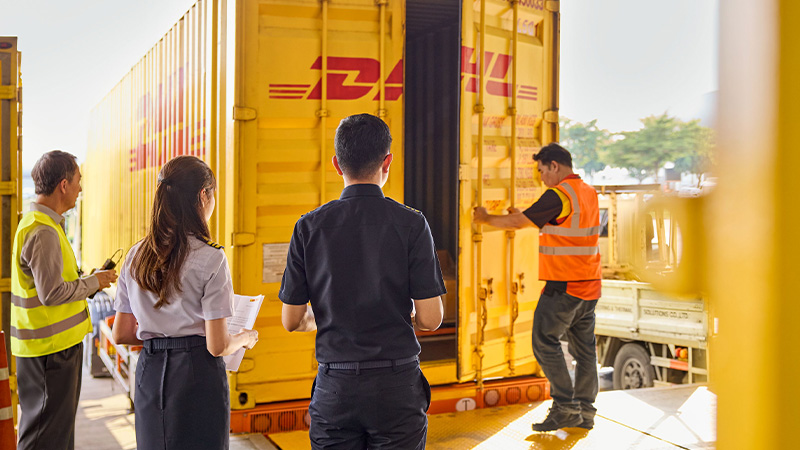
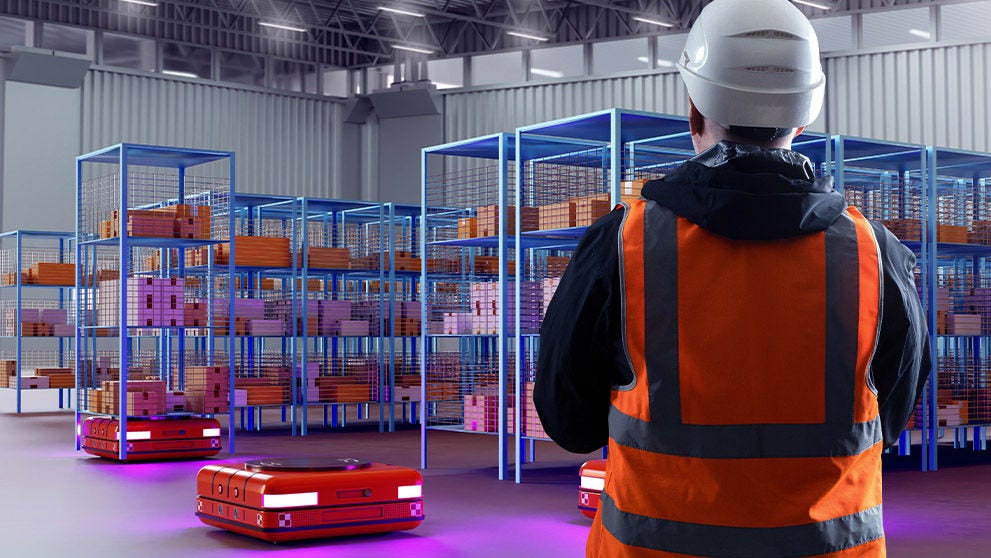
Solutions such as Break Bulk Express (BBX) can help reduce per-shipment clearance costs, while fulfillment options like the DHL Fulfillment Network (DFN) enable inventory storage closer to customers, minimizing repeated customs clearance for domestic deliveries.
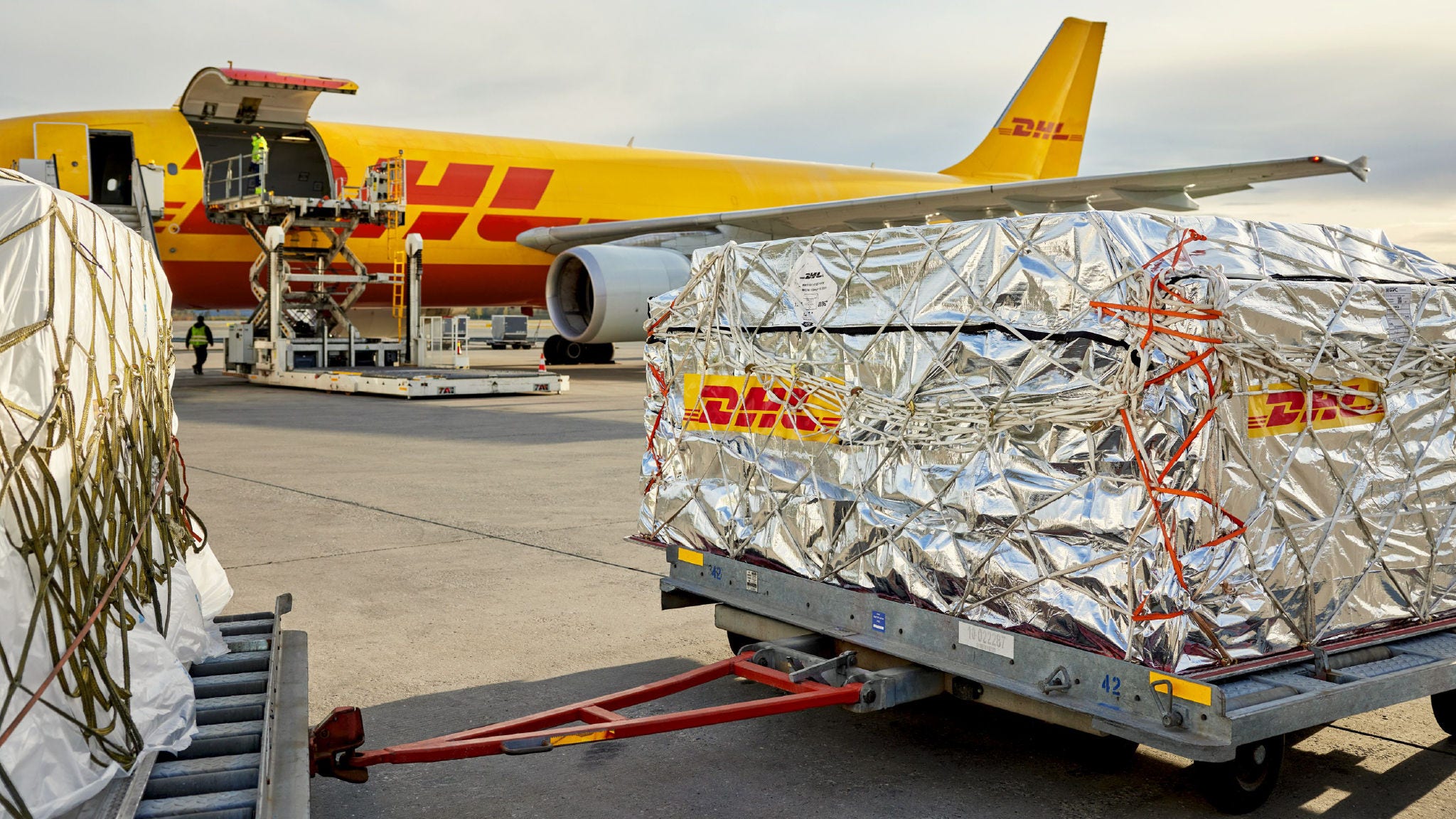
DHL Express and DHL eCommerce services to the U.S. remain fully operational, offering fast, reliable delivery backed by global customs expertise.
Tools like MyGTS (My Global Trade Services) provide:
Up-to-date landed cost estimates
Product-specific duty and tax insights
Greater visibility into customs requirements
Helping businesses ship compliantly and with confidence as regulations evolve.
While changes to the de minimis threshold introduce new considerations, they also offer a chance to reassess international growth strategies. Some markets may offer simpler entry conditions, while others — like the U.S. — continue to deliver scale and long-term opportunity.
With the right planning, tools, and logistics partner, businesses can continue to grow internationally while navigating regulatory change with confidence.
It’s a U.S. trade rule that let shipments under US$800 enter the country duty- and tax-free, under a simplified clearance process. Since 2016, it’s helped e-commerce businesses reach U.S. customers more easily and affordably.
For most countries, the exemption ends on August 29, 2025. After that, all shipments – regardless of value – will be processed as informal or formal entries and subject to duties and taxes.
No. The exemption is being removed across the board, so SMEs should prepare now to avoid surprise costs or delays. With the right preparation and support, your business can adapt quickly – and even turn this change into a competitive edge.
DHL is already helping thousands of businesses prepare for the end of the de minimis exemption. Our expert teams will help you stay compliant with US customs regulations, including duties, taxes, and correct product classifications under HTSUS codes.
In short, with DHL Express as your logistics partner, the de minimis impact doesn’t have to be a roadblock – they can open new doors for growth. Stay up to date with the latest information on the U.S Tariffs here, and explore what’s possible for your SME with a DHL Express Business Account.


 Share
Share