Overview
Machinery demand is accelerating across growth markets.
Across emerging economies, heavy equipment fleets are expanding due to rapid urbanisation, industrial investment, and agricultural transformation. Behind every machine is an essential requirement: consistent access to spare parts that keep the engine of development running.
The global demand for heavy machinery, and the aftermarket components that support it, continues to rise. The construction equipment market alone is projected to exceed USD 265 billion by 2030, with spare parts needs closely mirroring this growth trajectory. For UAE-based dealers, these trends translate into immediate export potential across several high-growth regions.
Several key drivers underpin this potential
Infrastructure programs are reshaping skylines across Africa and the Middle East. Government-backed mechanisation initiatives are accelerating tractor and harvester adoption in East Africa and South Asia. Expanding mining activity increases the utilisation hours of heavy-duty fleets. And industrial diversification and energy transition projects create new requirements for equipment uptime and maintenance reliability.
The UAE sits at the centre of these demand corridors. Its logistics infrastructure, trade agreements, and geographic positioning enable dealers to supply markets where equipment downtime carries significant operational and financial impact.
The spare parts most essential to high-usage machinery fleets
Equipment usage patterns determine which components require frequent replacement, and stocking the right categories allows dealers to build predictable, recurring revenue streams.
- Hydraulic systems: Cylinders, hoses, and pumps for excavators and cranes experience constant replacement needs in mining and construction.
- Engine components: Pistons, filters, and turbochargers constitute essential inventory, with demand proving consistently resilient since existing equipment must continue operating.
- Undercarriage parts: Sprockets, rollers, and track chains see exceptional wear in mining and rough terrain, creating predictable replacement patterns crucial for high-wear environments.
- Electrical and control systems: Alternators, ECUs, and wiring harnesses supporting uptime and increasingly digital operational requirements.
- Telematics and diagnostic components: Supporting predictive maintenance and remote fleet monitoring, creating opportunities for dealers who differentiate through technical capability rather than purely through price.
Regional growth corridors: Where demand is growing fastest
Africa:
The continent’s high infrastructure activity and mining growth, coupled with supply chain gaps favor the UAE's re-export agility. Its construction equipment market project 7.1% growth through between 2025 and 2031, driven by increased infrastructure development urbanization, mining and oil exploration, and government-backed policies.
Kenya's "Big Four Agenda" focused on housing and manufacturing, combined with Nigeria's mining sector reforms and Tanzania’s infrastructure expansion all feed consistent machinery usage, Equipment downtime due to local supply chain delays makes UAE's rapid re-export capabilities valuable for project managers requiring urgent parts.
South Asia:
India remains a massive market for machinery, with imports valued in the tens of billions of USD, The UAE–India CEPA has significantly improved market access with reduced tariffs on over 80% of product lines including key machinery parts, which strengthens the competitiveness of UAE exporters.
Meanwhile, Bangladesh's mechanization push, supported by government subsidies and agricultural development programs, continues to boost the population of tractors, power tillers, and irrigation pumps. Nepal is following closely with frameworks such as the Agriculture Mechanization Promotion Policy (AMPP). In these markets, the UAE functions as a reliable just-in-time inventory hub for subcontractors and OEM service teams requiring fast access to spare parts for active job sites.
Central Asia:
Machinery and equipment are consistently one of Kazakhstan’s largest import categories, with individual components in this sector showing particularly robust growth rates and high investment demand. For Central Asia’s landlocked economies, the UAE’s multimodal connectivity provides reliable sourcing routes that outperform longer-distance suppliers. Strengthening ties between the Gulf and the South Caucasus also open new pathways for bulk shipments.
GCC and Near East:
Saudi Arabia’s giga-projects deploy vast fleets of heavy machinery, generating exceptional demand for replacement parts and maintenance components. Iraq’s reconstruction efforts continue to require steady flows of OEM and aftermarket parts. Qatar’s construction and industrial programs also contribute to sustained demand levels. Proximity and reliable land–air networks position UAE dealers as high-trust partners for EPC contractors working under tight project timelines.

The UAE advantage: Infrastructure, access, speed
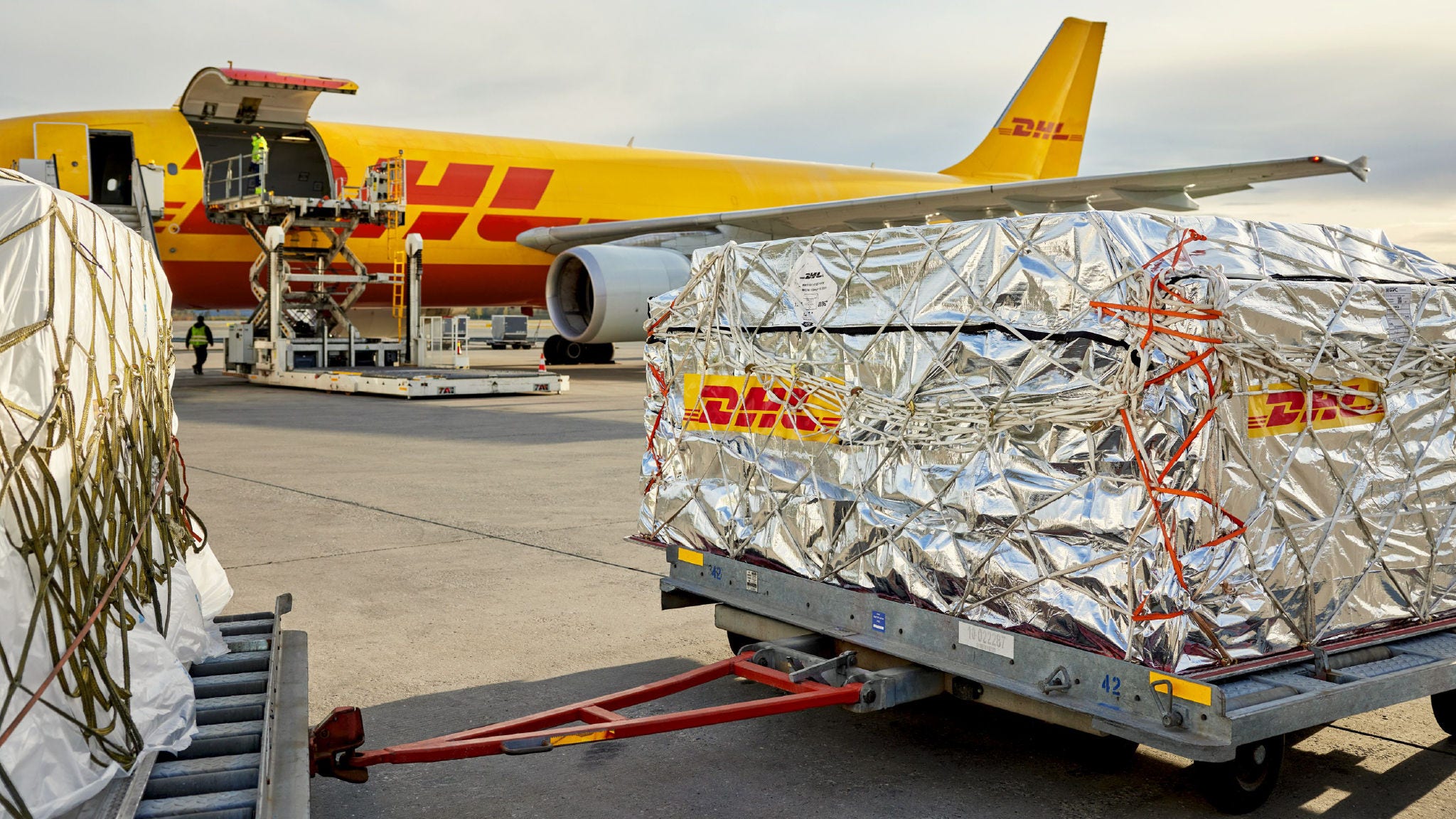
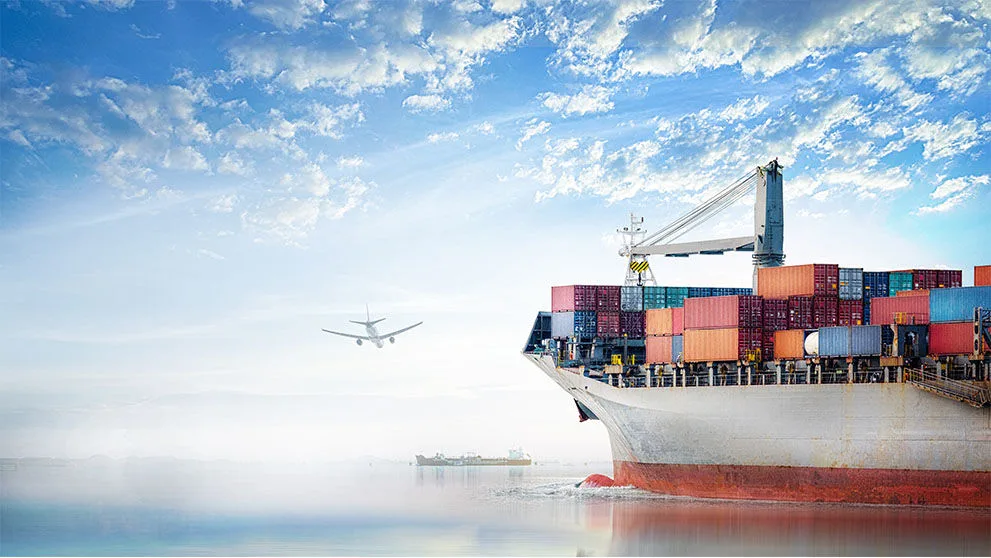
Logistics connectivity: Air express hubs at Dubai World Central – Al Maktoum International (DWC), Dubai International Airport, and Sharjah International Airport support AOG-style rapid delivery for urgent requirements, often within 24–72 hours to Africa, Central Asia, and South Asia. Bonded warehousing and free zone re-export benefits reduce customs processing times, while multimodal options ensure delivery reliability even to remote destinations.
Trade facilitation and CEPA benefits: Partnership agreements with India, Indonesia, Kenya, and other markets result in lower tariffs and simplify export procedures. Many machinery parts fall within duty-reduction brackets, offering pricing advantages that scale effectively with volume. Free zones such as Jebel Ali, SAIF Zone, and KIZAD streamline clearance and reduce bottlenecks that slow shipments elsewhere.
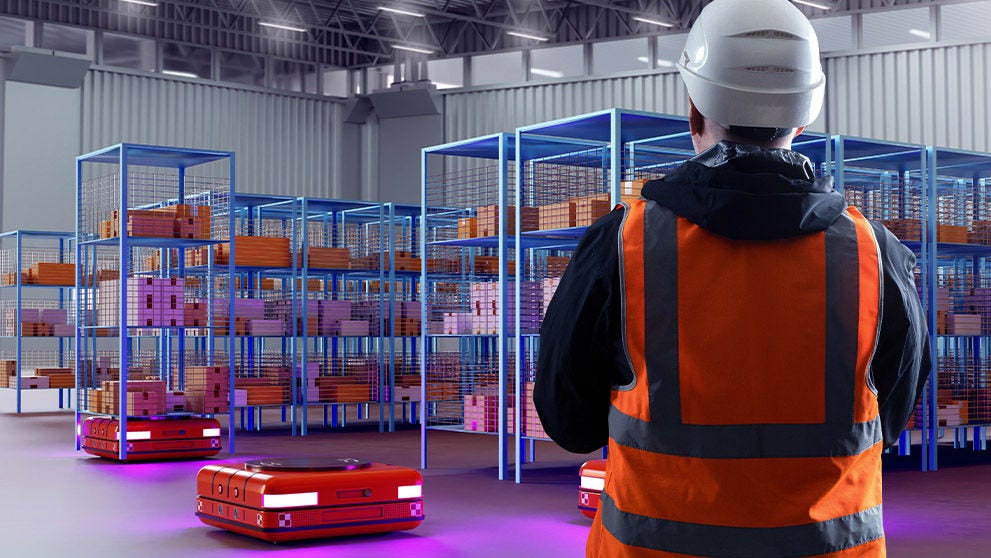
Data and digital capabilities: Real-time trade intelligence enables dealers to identify rising demand trends before competitors enter the market. Smart inventory systems optimise stock levels and improve cash flow. Additionally, B2B e-commerce platforms allow customers to check availability and initiate orders instantly, a critical advantage where there is zero tolerance for equipment downtimes.
Strategies for dealers ready to scale
- Expand into high-growth, technology-driven categories like telematics sensors, automation components, and agricultural machinery parts.
- Leverage CEPA access to India, Kenya, and Indonesia to build competitive supply relationships.
- Offer express shipment options for downtime-critical sectors like mining and oil & gas, capitalizing on the UAE’s air cargo superiority.
- Use trade data tools to track import trends in underserved markets across Central Asia and Africa to be the first mover in emerging territories.
Capitalize on the opportunities ahead
Machinery usage across emerging markets is set to expand further, creating sustained demand for reliable, fast-moving spare parts. The Emirates’ logistics strength, trade facilitation framework, and access to fast-growing markets create conditions where parts suppliers can scale quickly and serve customers with confidence. Dealers who invest in the right inventory, adopt digital capabilities, and strengthen their delivery performance will be best positioned to build long-term market presence.
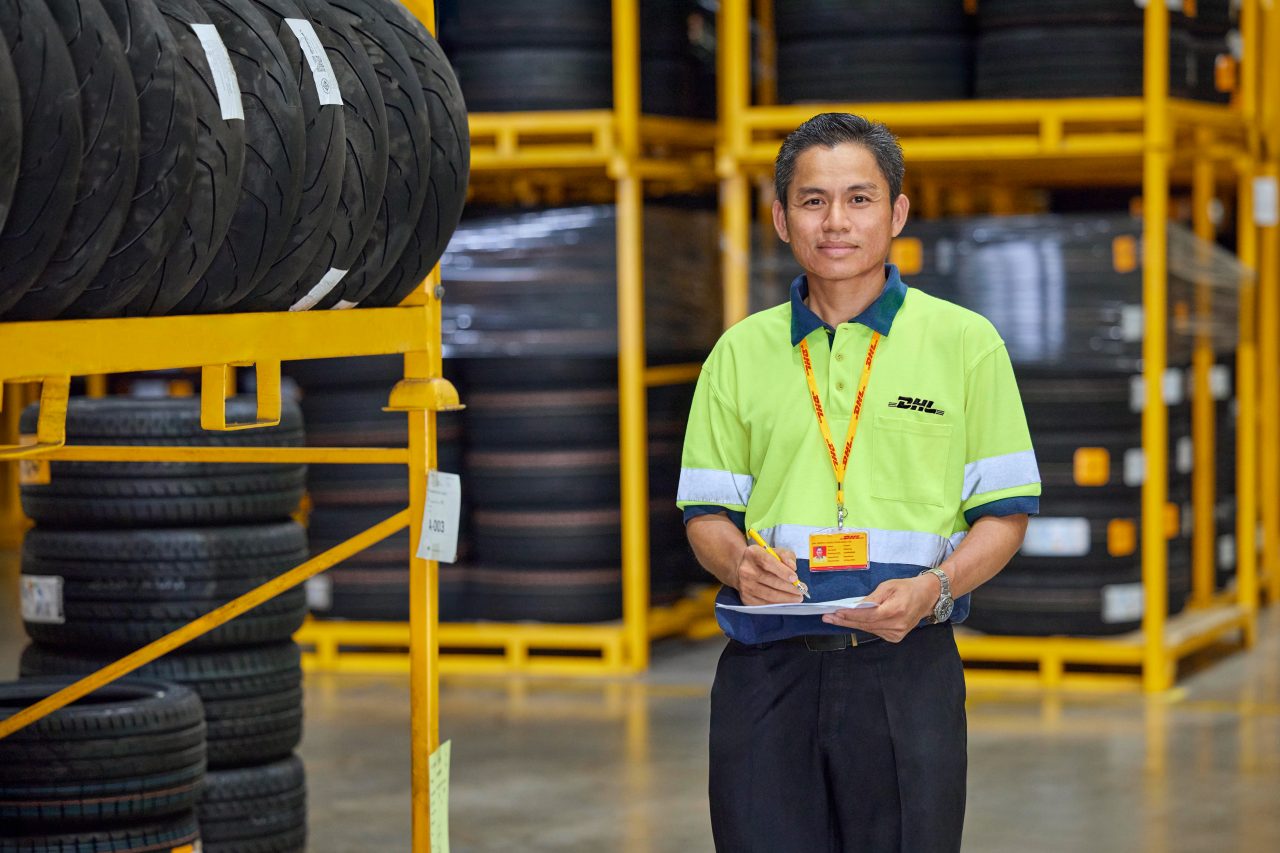
If you’re looking to expand your machinery spare parts business across these high-growth markets, DHL Express can support your export strategy with specialized logistics solutions.


 Share
Share
Similar Stories