Overview
In a market where online shopping continues to accelerate, customer expectations around delivery have shifted just as quickly, making the shipping experience part of the value you offer as a business. The last mile is the final and most expensive step in the delivery process, accounting for about 53% of total fulfillment costs. When optimized, it can affect your margins and increase customer satisfaction.
Your last-mile approach is also one of the practical ways to stand out in a competitive market. While a customer may forget which product descriptions they compared, they will remember whether their order showed up on time. According to recent research, around 98% of consumers say delivery influences their perception of a brand, and 84% will not reorder after a poor experience. This makes the last mile a direct factor in securing repeated business.
The Last Mile as a Strategic Priority in the Region
The scale and pace of e-commerce growth in the Middle East and North Africa region have changed the operational demands for businesses. The region’s online retail sector recorded a 30% increase in 2024, largely due to government-led digital transformation strategies. Across the GCC, rising consumer spending, smartphone adoption and logistics investments are further expanding the region’s base of online shoppers. With more orders moving through more complex networks, e-commerce platforms are responding with more efficient shipping offerings, and customers are paying closer attention to when, how and under what conditions their purchases arrive.
What Customers Expect Today
While people still value speed, factors such as reliability and flexibility are increasingly prioritized. Recent studies show that:
• Consumers might be willing to wait longer for more certainty that their order will arrive on time.
• 47% expect real-time tracking.
• 40% would pay more for guaranteed time windows.
• 76% say they are willing to pay extra for sustainable delivery options.
These demands illustrate an industry-wide shift where customers expect a delivery journey they can understand and plan around. They want to follow their orders through each stage of the process, be notified when something changes and redirect or reschedule when required. These expectations have raised the bar for what constitutes a good delivery service.
How Businesses Are Adapting
Around 81% of leading retailers globally are increasing investments in last-mile improvements, recognizing that the right delivery strategy can reduce operational friction and strengthen customer loyalty. Here’s how companies are tightening the parts of the journey that have historically caused the most friction:
1- Predictive analytics now help teams anticipate demand patterns, adjust routes before congestion forms and reduce the number of failed delivery attempts.
2- Real-time tracking has become standard, giving customers a clear view of their order’s progress and allowing retailers to send timely alerts when conditions change.
3- To cut transit times, many are moving inventory into smaller urban fulfillment sites and using flexible dispatch models that respond quickly to fluctuations in volume.
4- Sustainability is also shaping operational decisions, with electric vehicles, e-bikes, and consolidated routing becoming practical ways to lower emissions while maintaining speed.
5- Behind the scenes, customer service teams and delivery operations increasingly work from the same live data, allowing issues such as address errors or weather disruptions to be addressed early.
For many SMEs, the reach and technology needed to meet these standards are not capabilities they can build in-house. This is where having the right logistics partner bridges the gap.
Turning Delivery Into a Competitive Advantage
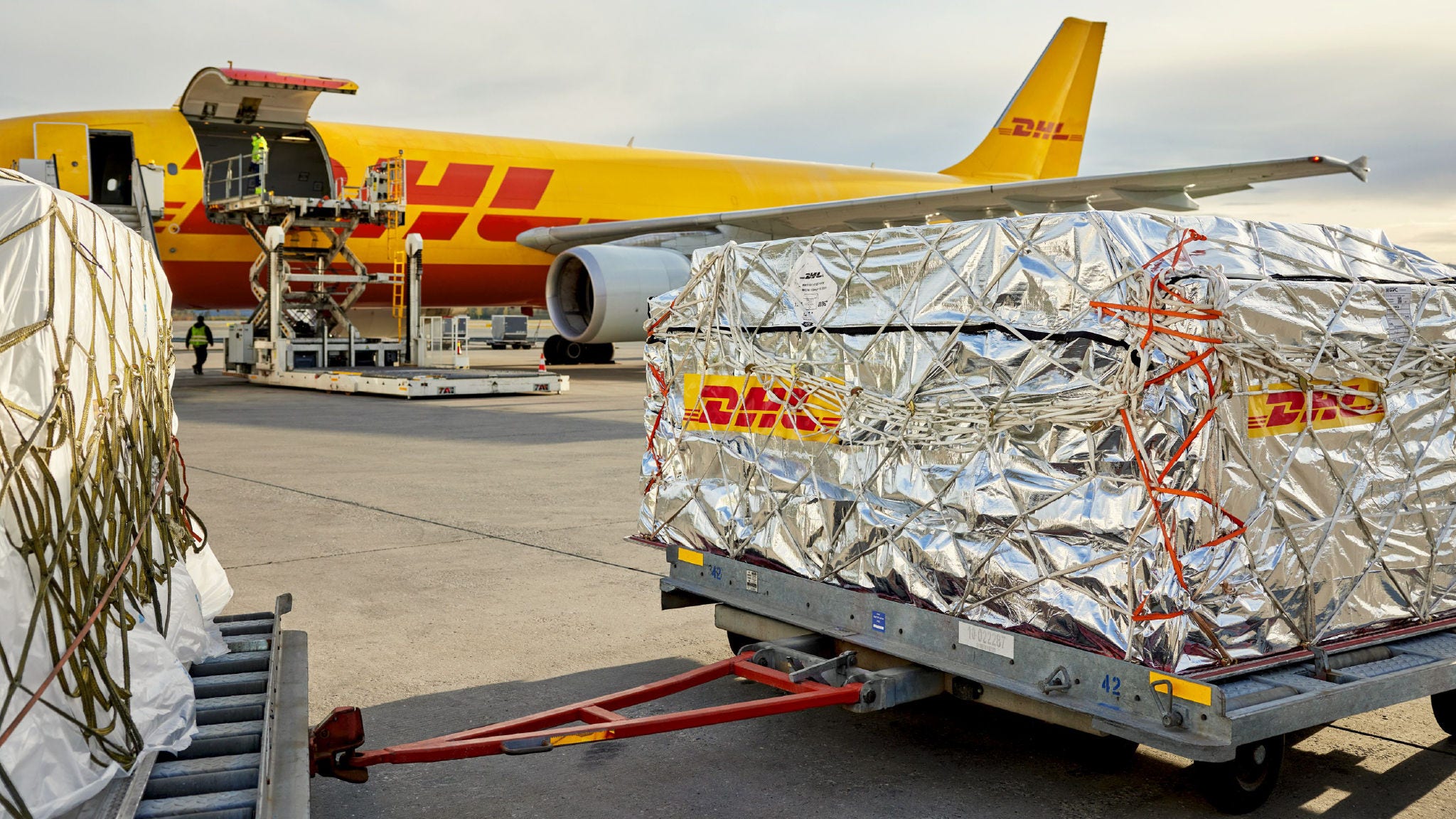
DHL Express supports companies across the region with time-definite international services, advanced tracking capabilities, customs support, temperature-controlled solutions and sustainable GoGreen offerings. Having access to these tools helps brands strengthen reliability, improve customer visibility and maintain a consistent standard across markets.
For companies looking to elevate their last-mile performance, opening a DHL Express business account is the first step towards a delivery experience that leaves a great impression.


 Share
Share
Similar Stories