Getting your product or raw materials from point A to point B might seem straightforward, but in reality, it’s a complex process—especially without the right logistics partner. Effective logistics not only drive profits but also boost customer loyalty and form the foundation for long-term business success. So, how can you improve and optimise your logistics today? Here are 10 practical logistics tips to turn operational challenges into seamless, successful deliveries.
So how can you optimise your logistics today? Here are 10 quick tips to turn logistical headaches into successful deliveries.
Efficient logistics operations can save your business time and money while ensuring timely delivery to your customers. While some improvements require investment and planning, there are simple changes you can make today to enhance efficiency. Here are 10 tips to supercharge your logistics.
1. List your weaknesses and identify the changes
A key challenge in logistics operations is pinpointing areas for improvement. Whether it's inefficient inventory management, poor storage methods, or delays in packing and invoicing, identifying these weaknesses is essential. According to a 2024 UK logistics report, outdated systems hinder operations for 37% of logistics operators, highlighting the need for logistics process improvements. 1 Additionally, the UK logistics sector generated £1.3 trillion in revenues in 2023, a 25.8% increase from the previous year, underscoring the sector's critical role in the economy.
Such inefficiencies lead to higher costs, longer lead times, and ultimately, unsatisfied customers. By mapping out weak points, businesses can prioritise short-term fixes (like improving inventory counts) and long-term solutions (such as overhauling the entire logistics system).
2. Measure performance
Without proper metrics, it's difficult to track progress or identify opportunities for improvement. As reported by FourKites, only 35% of supply chain leaders use supply chain data to inform strategic decisions, while 19% don't use this data for any decision-making.
Additionally, 62% of UK respondents rate themselves as "not great" or "struggling" at digitising their supply chain.3 Not measuring performance means missing critical insights that could be used to cut costs and enhance customer service. By setting KPIs (Key Performance Indicators) —such as on-time delivery, order accuracy, and cost per unit—companies can track their performance against industry standards.
For instance, online retailer Ocado consistently tracks its delivery time accuracy, using the data to adjust and optimise their fleet’s operations.43.
3. Ask your employees
Your on-the-ground team members are on the front line and talking to customers and suppliers every day. That makes them a valuable resource for identifying areas of improvement. Gather their input and ideas, as they often have practical insights into inefficiencies and potential solutions. Consider implementing incentives to motivate and reward improved performance; did they deliver consistently on time or receive positive customer feedback? Make sure your people are recognised for great logistics work.
Your logistics employees are at the frontline, engaging directly with suppliers and customers. Yet, businesses often fail to leverage this valuable resource. In the UK, 40% of logistics firms do not involve their employees in decision-making processes, which can lead to disengagement and missed opportunities for operational improvements. Employees have firsthand experience with inefficiencies that managers might overlook, such as delays in product handling or issues with packing. Engaging staff in discussions about improvements not only provides insights but also boosts morale. Major UK brands, such as Sainsbury’s, actively engage their warehouse teams in identifying process improvements, leading to more efficient operations.
4. Optimise warehouse layout
A poorly designed warehouse layout can lead to inefficiencies like long travel times for pickers, bottlenecks at packing stations, and underused storage space. In the UK, warehouse space is at a premium, with costs rising significantly in major cities. For instance, London remains the most expensive market for prime warehousing, with costs increasing by 7.1% between June 2023 and June 2024.
To address these challenges, a well-organised layout should prioritise high-demand products, minimise walking distances, and ensure a logical flow from storage to shipping. Implementing vertical racking systems and integrating inventory management software can assist businesses in forecasting demand and storing stock more efficiently. Retailers like John Lewis have optimised their warehouse layouts to reduce picking times, leading to faster order fulfillment.
5. Streamline packing
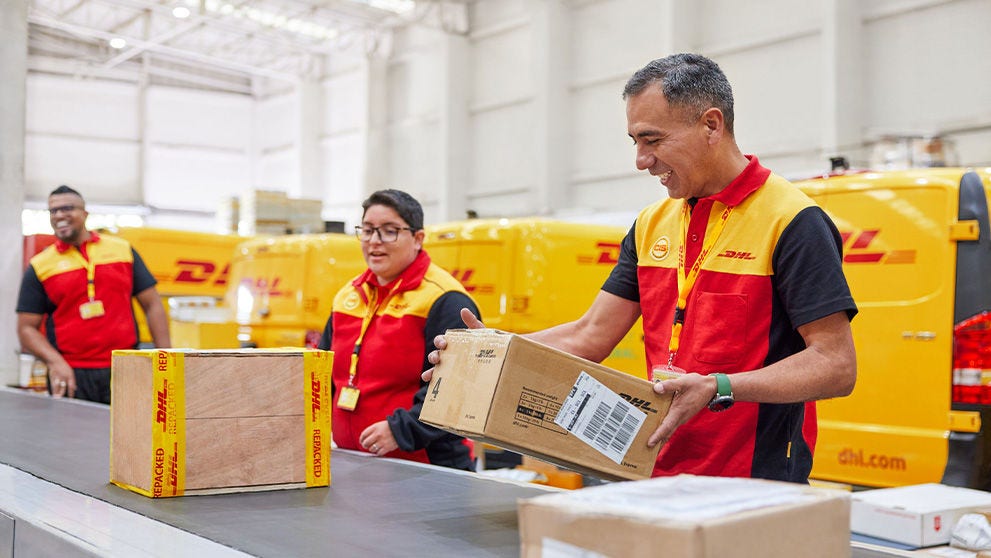
Packing is often an overlooked area in logistics, yet it directly impacts both costs and customer satisfaction. When packing isn't streamlined, businesses can incur higher material costs, waste, and time delays. Simplifying the packing process—by allowing pickers to directly place items into pre-addressed boxes and using mobile printers for address labels—can cut these inefficiencies.
The initial investment in these tools pays off quickly as it reduces labor costs and accelerates shipping times. Companies like Boohoo have integrated automated packing solutions to enhance efficiency. By retrofitting their distribution centers with automation for intake, order processing, and shipping, Boohoo has improved operational efficiency and reduced costs.
6. Offer sustainable options
Sustainability has become a significant factor influencing consumer purchasing decisions in the UK. A 2022 survey revealed that about eight out of ten consumers in the UK reported preferring environmentally friendly packaging materials.7 In 2020, only 58% of consumers were willing to spend more for sustainable e-commerce options. Just two years later, nearly 90% of consumers said that they would be willing to spend an extra 10% or more for sustainable products. In response to growing consumer demand for eco-friendly options, companies like Gymshark have committed to reducing plastic waste and enhancing packaging recyclability. By adopting sustainable practices, Gymshark appeals to environmentally conscious consumers and strengthens its brand appeal.8
Offering eco-friendly and sustainable options not only meets consumer expectations but also provides a competitive advantage in the market. Businesses that prioritise sustainable packaging and eco-conscious delivery are more likely to attract and retain customers who value environmental responsibility.
7. Get external help for international shipping
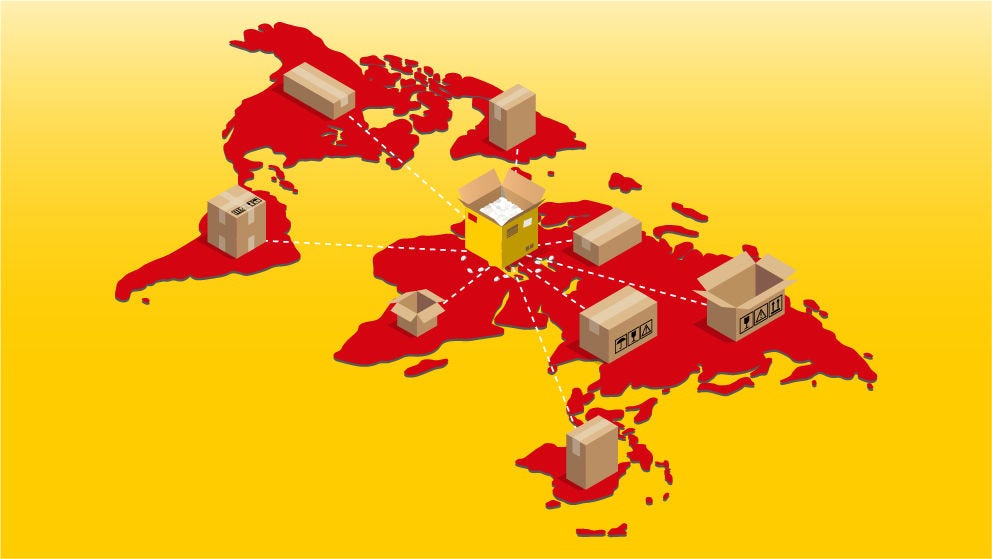
For businesses involved in international shipping, customs delays, incorrect paperwork, and tax miscalculations are common pain points. To improve logistics and avoid costly mistakes, ensuring accurate product descriptions and correct Harmonised System (HS) codes is essential for preventing customs delays. Failure to manage international shipping properly can result in costly delays, dissatisfied customers, and fines. Using external experts ensures compliance with customs regulations and streamlines the process.
8. Get smart about your delivery routes
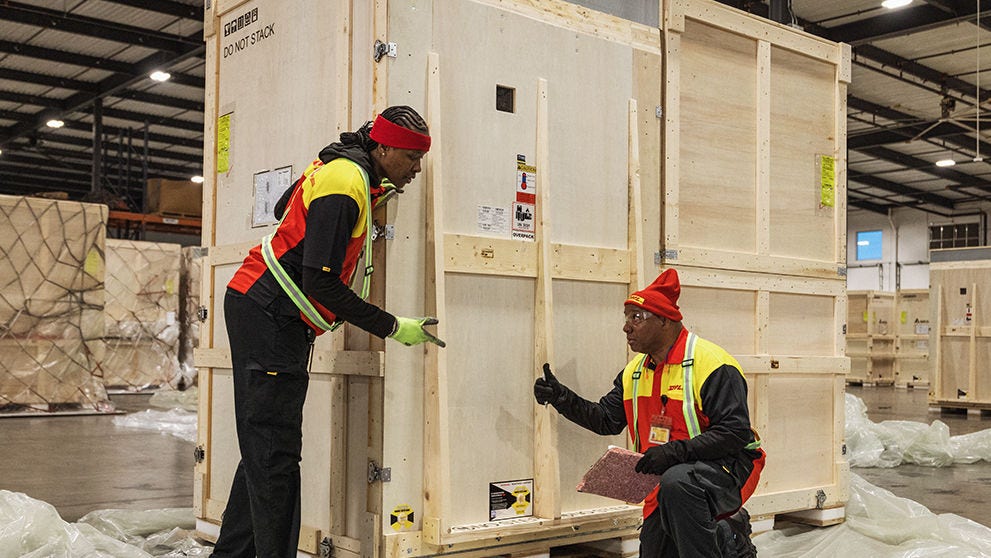
Some items just always seem to get damaged in transit. It’s worth analysing which products get damaged—maybe there’s a pattern that means you can treat those packages differently. It’s also essential to evaluate different shipping providers for reliability—opting for the cheapest solution in the short term may result in higher costs over time due to damaged goods and lost customers. Additionally, utilising load planning software can optimise how goods are packed and loaded, ensuring safer transport and reducing the likelihood of damage during delivery.
9. Embrace technology
Technology is revolutionising the logistics sector, with AI, analytics, and automation driving significant improvements. AI adoption in logistics is growing by 43%9 every year, highlighting the importance of incorporating these technologies into logistics operations. Implementing software solutions that automate and optimise elements of your logistics operations—such as stock analysis, staff scheduling, and inventory management—can streamline operations and enhance efficiency.
For example, AI-driven route management and optimisation ensures that drivers take the best route to make all drops quickly and economically. Embracing these technologies helps businesses improve performance, reduce operational expenses, and remain competitive in the evolving logistics landscape.
10. Focus on last-mile delivery
Last-mile delivery—the final step of getting products to customers—is the most costly and challenging part of the logistics process. According to a report, the last mile of your logistics process accounts for 41% of the cost of the total logistics cycle.10 Inefficient last-mile delivery can lead to missed deadlines, increased fuel consumption, and negative customer experiences. Partnering with a reliable logistics expert like DHL can enhance the customer experience by integrating express, on-demand, and international shipping options into your checkout process. Ensure a positive final impression by delivering goods on time and in excellent condition and give customers regular tracking updates (82% of consumers expect tracking updates.
Improve Your Logistics Process Today!
Optimising your logistics process is essential for enhancing efficiency, reducing costs, and improving customer satisfaction. By implementing logistics improvement ideas like refining your warehouse layout, streamlining packing, and optimising delivery routes, businesses can ensure smoother and faster operations.
Whether you're looking for logistics advice or specific logistics tips for improvement, implementing these changes can yield quick wins and improve your overall logistics operations.
Ready to ship? Get essential market insights from the DHL Express International Shipping Toolkit, or talk to one of DHL's 160,000 logistics experts today.


 Share
Share

Similar Stories