


Discover how an optimised reverse logistics strategy can help your business save money, reduce wastage, boost its sustainability credentials, and build loyalty amongst customers.
In this article:
Definition of reverse logistics: Explains what reverse logistics is, focusing on the movement of goods back through the supply chain.
Types of reverse logistics: Explore the various forms reverse logistics can take, from returns management to end-of-life recycling.
Reverse logistics vs traditional logistics: Compare conventional forward flow of goods and the backward flow in reverse logistics.
The reverse logistics process: See the steps involved in managing returns and moving goods back through the supply chain.
The importance of reverse logistics: Understand why reverse logistics is critical for modern businesses.
Benefits of reverse logistics: Discover the advantages of implementing effective reverse logistics, including cost savings and enhanced customer satisfaction.
Challenges in reverse logistics: Find out about common obstacles businesses face when managing reverse logistics, such as high return volumes and complex logistics.
3 strategies to optimise reverse logistics: Explore actionable tips to improve reverse logistics operations and streamline the returns process.
Reverse logistics examples: Read about real-world illustrations of successful reverse logistics implementations by various companies.
Reverse logistics FAQs: Find answers to common questions about reverse logistics, providing clarity on key concepts.
What is reverse logistics?
Reverse logistics refers to the supply chain process of managing the flow of goods from end users back through the supply chain, facilitating return of goods to either the retailer or manufacturer.
This process is initiated when products move from their intended destination back towards the seller, and potentially further upstream to suppliers, with the aim of recovering value or ensuring proper disposal.
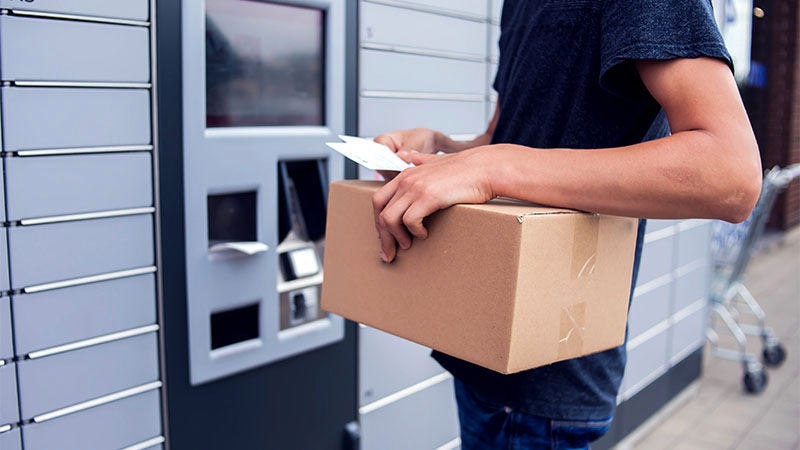
One of the most common examples of reverse logistics, sometimes known as reverse shipping, is e-commerce product returns. Online consumers returning a product to the retailer because it is damaged – or simply because they have changed their mind – would be defined as reverse logistics.
Reverse logistics also covers the recycling, repurposing, repairing and resale of products. If you're just getting started selling online, our guide on how to start shipping globally covers the essentials of setting up returns-ready operations from day one.
Types of reverse logistics
These are the key types of reverse logistics your business should consider.
Returns management
This is the most common reverse logistics process: when a customer returns an item to a seller because it is damaged, not as expected, doesn’t fit etc. With around 30% of all products ordered online returned to the sender1, e-commerce businesses should make a seamless returns experience a key part of their strategy to ensure customer loyalty.
Remanufacturing or refurbishment
This involves the repairing and rebuilding of products. Retailers and manufacturers may also recover some parts from a defective product to be used elsewhere. These avenues prevent waste and save money.
Packaging management
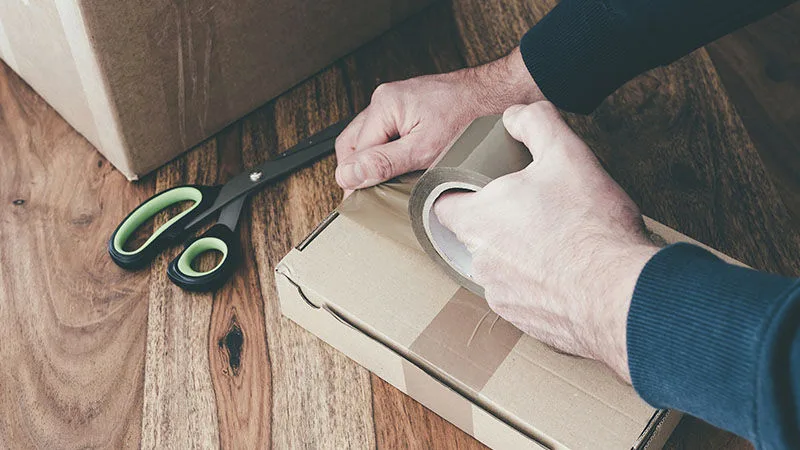
This focuses on reusing packaging material to reduce waste and costs. As an example, an e-commerce business may encourage a customer returning a faulty product to package it in the material it arrived in. The business can then repair the product and resend it to the customer in the same packaging.
Unsold goods
This part of reverse logistics is when a retailer returns unsold goods to the manufacturer. It could be due to a delivery failure, or poor inventory management (such as overestimating demand for a product.)
Delivery failure
In the instance of a failed delivery (for example, the customer was not in to receive the package), products may be shipped back to the retailer.
Rental equipment
This is when rented or leased products are returned to the manufacturer at the end of a defined term. From there, they may be recycled or sent out to another customer.
Return policy and procedure
A well-structured return policy and procedure form the backbone of reverse logistics. They dictate how products are moved back through the supply chain from the customer to the retailer or manufacturer.
Repairs and maintenance
Some businesses offer warranty on their products. The customer will send the product (a laptop, for example) back to the business to be repaired.
End of life
These are products that can no longer serve any purpose – if they are irreparable, for example – so will need to be recycled or disposed of.
What's the difference between reverse and traditional logistics?
Traditional logistics begins at the supplier, moves on to the distributor/retailer, and ends at the customer. It covers procurement, inventory management, distribution, warehousing, transportation, packaging and risk management.
Reverse logistics – as the name suggests – is the movement of goods the other way. It starts with the customer and ends at different points along the supply chain, depending on the nature of the return.
How does the reverse logistics process work?
The reverse logistics process varies by business and industry. For example, an online clothes retailer will deal with many generic customer returns. Elsewhere, consumer goods giant Procter & Gamble has introduced a reusable packaging scheme to collect its used glass bottles from the homes of customers.
Whatever your business, a well-planned reverse logistics process will enable you to maximise cost savings and reduce waste:
1. Process the return
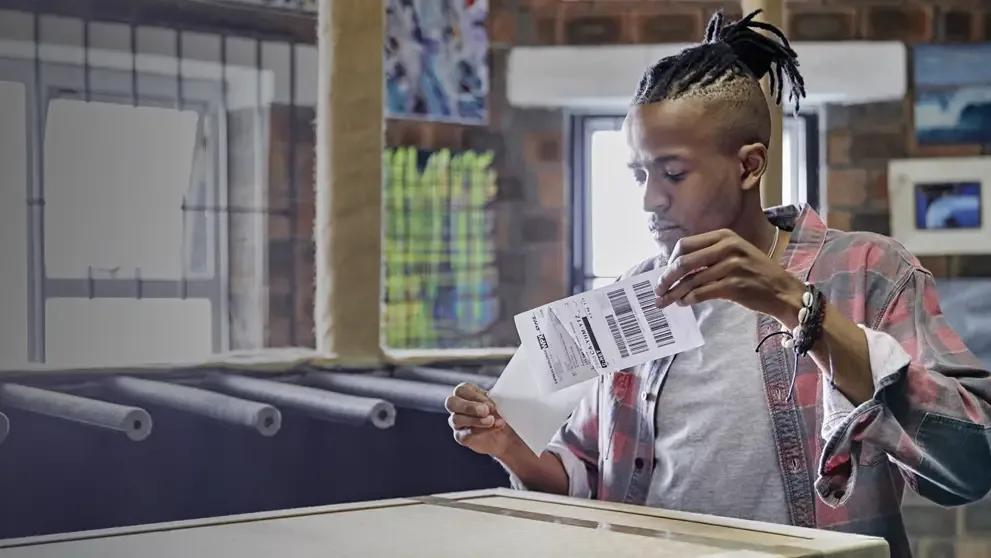
After your customer has initiated a return via your website or app, your business must begin its return process. This involves scheduling return shipments, approving refunds, and organizing a replacement product if it is damaged. It is also a good idea to ask your customers the reason for their return (“item not as described”, “poor quality” etc.) which can help you prepare for, and process, the return more quickly.
2. Evaluate the returned product(s)
Once the product arrives back with you, it should be inspected to determine its condition. Will it need to be cleaned before reselling? Fixed? Parts replaced? Your business can streamline its reverse logistics process by having pre-set categories in place, including “refurbish”, “recycle”, and “repair”.
3. Move the product to its processing destination
Depending on its categorisation, move the product quickly on to where it will be processed.
Recycled products should first be stripped of parts that can be reused or resold. The remaining part should be recycled in a responsible manner that keeps sustainability in mind.
Items for repair should be fixed and returned to the customer (if under warranty), or disposed of if they are irreparable. Some items can be resold as new.
4. Execute repairs
For items designated for repair, a streamlined process is essential to ensure timely refurbishment. This involves diagnosing the issue, procuring necessary parts, and conducting the repairs efficiently.
Repairable items should be quickly reintegrated into inventory or shipped back to the customer, minimising downtime and maximising product lifespan.
When repairs are not feasible, consider salvaging usable components for reuse in other products or selling them to manufacturers, aligning with reverse logistics management principles.
5. Recycle items that cannot be repaired or resold
When items cannot be repaired or their components reused, proper recycling and disposal must be carried out.
Organisations must prioritise environmental sustainability by adhering to responsible recycling practices. This may involve disassembling products to separate recyclable materials and ensuring that hazardous components are handled appropriately.
An effective recycling strategy within the reverse logistics process reduces waste and minimises environmental impact.
Why is reverse logistics important?
Reverse logistics is crucial for modern businesses as it not only streamlines the flow of goods but also unlocks value for the business. By efficiently managing returns, recycling materials, and repurposing products, companies can drastically reduce costs and minimise waste.
This process supports a circular economy, where products are given extended life cycles, fostering sustainability and enhancing brand reputation. Effective reverse logistics management plays a vital role in building customer trust and loyalty, particularly in the e-commerce sector, where returns are prevalent.
Moreover, the importance of reverse logistics extends to compliance with increasing environmental regulations. Many countries are implementing policies that mandate sustainable practices, such as waste prevention and recycling. Companies that adopt robust reverse logistics processes not only adhere to these regulations but also gain a competitive edge by demonstrating their commitment to environmental responsibility.
By recovering value from returned goods through resale, repair, or recycling, businesses can transform potential losses into revenue streams, optimising their supply chain and contributing to a more sustainable future.
What are the benefits of reverse logistics?
Handling returns is a big pain point for e-commerce businesses, but key to building customer loyalty. In fact, 84% of UK shoppers say they will not purchase from a retailer again after a bad returns experience, so an efficient reverse logistics operation will help your business win more sales.
Lower costs
A well-structured reverse logistics system minimises expenses related to administration, repairs, and disposal, while also optimizing transportation costs through methods like economy shipping.
Higher customer satisfaction
Offering customer-friendly return services, such as free return shipping and full refunds, significantly enhances customer retention and builds loyalty, crucial for long-term business success.
Stronger brand reputation
A transparent and hassle-free return policy positively impacts brand perception, as customers value businesses that handle returns efficiently and fairly, influencing reviews and overall reputation.
Lower risk management
Effective reverse logistics management mitigates risks associated with product recalls and data security, ensuring safe and compliant disposal or recycling of sensitive or hazardous items.
Improved sustainability
By prioritizing repair, refurbishment, and recycling, reverse logistics reduces landfill waste and promotes environmental responsibility, appealing to increasingly eco-conscious consumers.
Improved profitability
Efficiently processing returns allows for the resale of returned items and the refurbishment of repairable products, turning potential losses into revenue and optimizing inventory management.
What are the challenges of reverse logistics?
There are some challenges your business will have to plan for when integrating a reverse logistics system.
Costs
Reverse logistics can be expensive – especially for small businesses. The cost of transporting, processing and redelivering items all add ups, and with 79% of online consumers expecting free return shipping, often these costs fall entirely on the seller. To help protect against loss on higher-value returned items in transit, it's worth reviewing our shipping insurance guide for UK businesses. Running a well-planned, optimised reverse logistics operation is key to reducing waste – and keeping customers happy.
Customer expectations
E-commerce customers expect a fast, seamless experience when returning items. You should consider your reverse logistics operation as an investment – after all, 84% of consumers will not shop again with a retailer after a bad returns experience. You can start with a clear and simple returns policy – essential to attract and retain customers. Our dedicated guide will help you write a small business return policy.
Environmental impact
Returned items will impact your business’ carbon emissions. Yet, a recent study found that 64% of US consumers would be willing to pay extra when returning an item if it subsidised a greener carrier option, so carefully evaluate your logistics. DHL Express has recently launched GoGreen Plus, a dedicated solution to help businesses reduce the carbon emissions associated with their shipments through the use of Sustainable Aviation Fuel. Discover the full benefits of this option, here.
Complex return flow
Reverse logistics can involve many different processing channels which can be a lot for a small business – indeed any business – to deal with. The handling of returned items includes inspection, testing, repurposing, repairing, repackaging and resending, and requires co-ordination across all points. Thankfully, there are several automated technologies you can implement to help your business. If any of your returns cross international borders, our customs advice for first-time shippers guide covers the essentials of managing compliance smoothly.
How can you optimize reverse logistics?
The following are relevant strategies to help you understand how to optimize your reverse logistics process. For a broader look at improving efficiency across your wider operations, see our tips for effective logistics management.
Automate processes
With the use of technology and Artificial Intelligence (AI), you can automate many of your reverse logistics processes to ensure they run seamlessly, and save your business time and money. Examples include:
- Warehouse Management System (WMS). The best way to manage a busy inbound and outbound logistics flow is with a sophisticated WMS. It can help you track, in real-time, every return that comes into your warehouse, and ensure it moves on to its next destination quickly and accurately. Reverse logistics require an average of up to 20% more space than forward logistics, so its essential products are constantly moved on to avoid a backlog.
- Inventory Management System (IMS). This will ensure your business keeps on track of returned products. An IMS can process incoming (returned) merchandise in a similar way to supplier merchandise, and ensure goods are resold or repurposed as quickly as possible, which reduces waste and optimises warehouse space.
Use predictive analytics to anticipate returns
A return forecasting solution will use insights to help your business identify why products are being returned, determine which can be resold, and estimate the costs of redistribution. Machine learning algorithms can anticipate a product’s likelihood of being returned based on data like the customer’s past return rate, and the number of times the same or similar product has been returned. This will enable your business to better plan its inventory, and reduce lost sales.
Gather customer data
Though good reverse logistics management can help your business handle returns, it’s important to still try and reduce the rate in the first place. Asking your customers exactly why they are returning a product can help your business address any pain points. For example, perhaps you run an online handbag store, and there is a particular model that is returned often because it is “not as shown on website.” That’s your cue to add more detailed product specifications, high-def photos, and customer reviews to the product listing page. If the customer has a more accurate idea of what they’re buying, they’re less likely to be disappointed upon its arrival.
Reverse logistics examples
Here are a few examples of how reverse logistics has helped businesses:
E-commerce returns and refurbishment for clothing: ASOS
ASOS has transformed its returns process into a strategic advantage, crucial for its success in the competitive online fashion market. By implementing a user-friendly online return portal and efficient processing centers, they quickly inspect, clean, and refurbish returned items for resale, minimising losses and maximising product availability.
This streamlined approach, coupled with data-driven insights from returns to improve product design and customer satisfaction, has turned reverse logistics into a key driver of customer loyalty and sustainable growth for ASOS.
Profiting from and breathing new life into old tech: Giffgaff
Giffgaff, a UK mobile network operator, demonstrates effective reverse logistics through its comprehensive phone recycling program, which plays a vital role in both customer satisfaction and environmental responsibility.
By offering customers an easy way to send in their old devices, Giffgaff facilitates the return of electronics, enabling them to refurbish and resell usable phones, extending their lifecycle.
For devices beyond repair, Giffgaff ensures responsible recycling of components, minimising electronic waste and promoting a circular economy. This approach not only enhances Giffgaff's brand image as a sustainable and customer-centric company but also contributes to reducing the environmental impact of electronic waste in the UK
Partner with DHL Express to simplify reverse logistics
Reverse logistics is no longer just a cost of doing business - it's a genuine opportunity to build customer loyalty, recover value, and strengthen your sustainability credentials. From returns management to recycling and refurbishment, getting your reverse logistics strategy right can turn what was once a drain on resources into a driver of long-term growth.
Ready to simplify your returns process and turn it into a competitive advantage? Partner with DHL Express to access our global network and local expertise, and start transforming your reverse logistics into a source of strength for your business today.


 Share
Share

Similar Stories