
1 & 2 - Bloomreach,2025

B2B e-commerce is growing, and with it, the standards for optimizing the B2B customer experience are continuously rising. Many businesses mistakenly believe that digital transformation is solely about stacking website features, such as accelerating loading speeds or optimizing navigation bars. However, the true differentiator often lies in the details that make clients feel 'valued'.
For businesses striving for excellence, the key to enhancing customer loyalty and boosting B2B e-commerce conversion rates is a comprehensive personalized experience. This article will delve into how to extend b2b personalization strategies from the digital realm to physical delivery, and by integrating personalized e-commerce logistics services, propel your cross-border business to new heights.
What is meant by B2B personalization is not merely superficial customization. It is a comprehensive customer experience strategy driving business growth, aimed at optimizing End-to-End processes by integrating three key dimensions:
Data shows that 80% of buyers prefer to work with suppliers offering such a comprehensive experience¹. However, currently, only 22% of B2B e-commerce buyers are satisfied with their existing procurement experience².
Traditional B2B trade is built on deep trust. During digital transformation, how can this trust be replicated? Beyond website interaction, reliable and transparent e-commerce logistics and delivery services are often the most decisive part of the customer experience. When you can accurately anticipate customer needs, from product recommendations to last-mile delivery methods, you cease to be just a supplier and become an indispensable business partner.
The first step is to identify which stages in the customer's business transaction process most require the introduction of B2B personalization. Drawing on B2C's successful experiences, modern B2B buyers expect not just products, but also highly efficient procurement processes. Therefore, businesses should examine their existing B2B ecommerce website touchpoints and consider how to transform data into a warmer service experience.
It is crucial to benchmark against industry leaders and analyze how they optimize customer experience through digital means. It's worth noting that the core difference between B2B and B2C lies in "purchasing motivation": B2B procurement is based on rigorous planning and efficiency, not impulse. Therefore, the goal of personalization should focus on improving business operational efficiency, including everything from smart search and customized catalogs to transparent pricing mechanisms.
Identifying the target audience is the cornerstone of any e-commerce personalization strategy. Unlike B2C, a B2B "customer" is often a complex decision-making chain composed of procurement, finance, and end-users. Therefore, leveraging Artificial Intelligence (AI) and Machine Learning to build precise enterprise customer profiles has become an indispensable technical strategy for B2B ecommerce.
AI technology can bring the following advantages to your B2B e-commerce operations:
The search bar is a very important feature on any e-commerce website. Understanding customer needs is the foundation of B2B personalization, and the search bar is the first indicator, and indeed the first step to increasing B2B conversion rates.
Integrating smart search technology with semantic understanding capabilities will enable your search function to overcome the nuances in customer search terms and bring them to the correct page as quickly as possible. Over time, machine learning will help you provide more accurate results for each visitor, including suggestions based on their previous preferences, which means a more personalized experience for each user.
Offline, experienced salespeople guide buyers through the selection process; online, this role is replaced by dynamic product catalogs. It's recommended to integrate live chat functionality or AI-powered shopping guides into product pages to instantly answer specification questions. This not only enhances professionalism but also effectively reduces bounce rate.
B2B customers expect pricing options specific to them3.Since B2B pricing involves wholesale discounts and contractual terms, businesses need to establish a flexible, multi-tiered pricing mechanism.
Furthermore, transparency of service costs is crucial. For example, in e-commerce logistics and transportation operations, by integrating with logistics partners' APIs, you can directly display the final landed price including taxes at checkout, based on the customer's DHL B2B corporate account agreement. The transparency we provide eliminates friction caused by hidden costs and accelerates the approval process, contributing to overall B2B personalization.
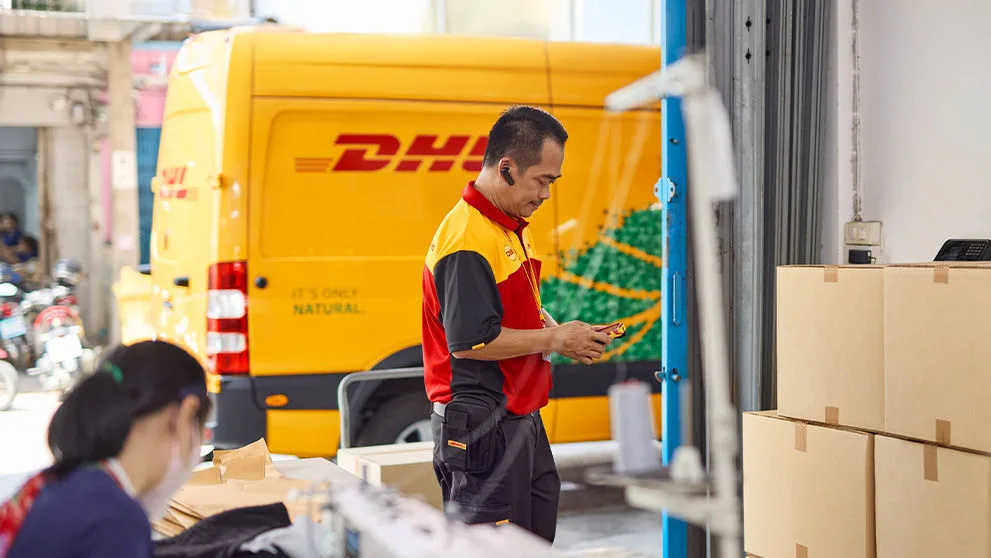
Many businesses overlook that "delivery" is the most crucial part of the customer experience. Modern B2B buyers, whether retailers or manufacturers, expect a high degree of flexibility and control. Integrating DHL On Demand Delivery is a shortcut to enhancing customer satisfaction and advancing B2B personalization:
Flexible Delivery Options: Empower your customers (recipients) with autonomy, allowing them to decide delivery time and location, and even change the delivery address while the package is in transit, to align with their warehouse operating hours. This is a core aspect of advanced e-commerce logistics.
Branded Tracking Experience: Through customized tracking pages, customers can stay updated on their shipment status, while also strengthening your professional brand image.
Proactive Status Notifications: The system automatically sends status updates, significantly reducing customer service inquiries caused by anxiety and contributing to a smoother experience that can positively impact e-commerce conversion rate.
While automating many online processes offers benefits, proactive interaction is crucial in the B2B realm. According to the latest "State of Prospecting 2025" report, a high percentage of 88% of B2B buyers desire professional advice and contact from suppliers during their research and evaluation phase³.For instance, when customers face complex e-commerce logistics challenges (such as cross-border taxation or hazardous goods transportation), they need expert assistance.
This is precisely the core value of a DHL B2B corporate account. You will receive dedicated support from e-commerce logistics specialists. When clients are evaluating complex cross-border logistics (like customs duties, regulations), timely consultation from DHL experts can effectively resolve doubts, capture nearly 90% of potential business opportunities, and facilitate order completion, ultimately improving the e-commerce conversion rate.
In summary, a successful B2B personalization strategy must integrate e-commerce logistics and delivery into its core considerations. From front-end smart recommendations to back-end personalized logistics delivery services, every aspect directly impacts customer willingness to order and repurchase rates, thereby influencing the e-commerce conversion rate.
Upgrade your cross-border logistics experience today! As a Hong Kong merchant operating cross-border e-commerce, wholesale, or trading businesses, opening a DHL B2B corporate account can help you easily export globally. You will enjoy more stable e-commerce logistics services and exclusive shipping discounts, and meet customer demands for flexible receiving options through DHL On Demand Delivery.
-/Disc_65284-green-start-up-shipment_7890x4445px.jpeg)
Our dedicated team provides comprehensive support, from customs clearance and document verification to multi-country tax consultation, making complex export processes simpler and more cost-effective. Choose DHL as your long-term partner to ensure your goods are safely delivered globally at the fastest speed, seizing every sales opportunity.
📦Open a DHL Express Account to Enjoy Special Discount Today!1 & 2 - Bloomreach,2025


 Share
Share