
Lithium batteries are widely used in consumer electronics and electric vehicles due to their high energy density. However, they require strict handling protocols because of the risk of overheating or combustion.


 Share
Share

When your enterprise transports goods equipped with batteries across global borders, you must follow strict handling and fulfillment protocols to ensure that items reach their destination securely, undamaged, and on schedule. Review this straightforward breakdown to learn more.
These energy cells serve as a vital power source for countless everyday electronics, running items ranging from smartphones to electric vehicles. Because various chemistries exist, each cell type demands specific compliance rules for cross-border transit:
Lithium batteries are widely used in consumer electronics and electric vehicles due to their high energy density. However, they require strict handling protocols because of the risk of overheating or combustion.
NiMH (nickel-metal hydride) batteries serve as rechargeable power sources frequently found in handheld devices and power tools. They feature greater energy density compared to standard alkaline cells, allowing them to retain a larger amount of power within the same size. While NiMH cells are known for an extended operational lifespan and minimal power loss when idle, their initial cost can surpass alternative options.
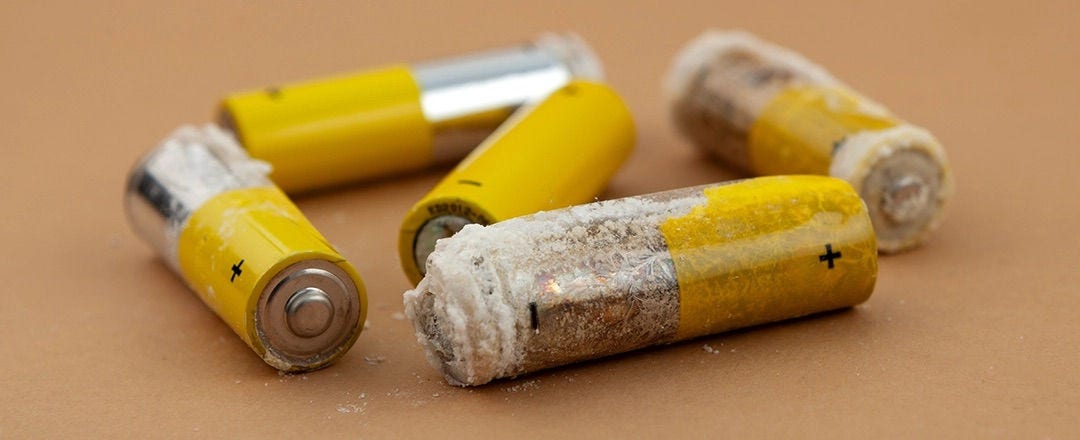
Alkaline or dry cells represent the most prevalent variety of consumer power sources found in household items such as remotes, toys, and flashlights. They rely on a gel-like electrolyte paste, typically potassium hydroxide, rendering them highly mobile and far less susceptible to leaks than liquid-based options. Produced in an array of standard sizes, alkaline cells deliver an excellent balance between overall output and affordability.
Commonly deployed in motor vehicles and uninterruptible power supplies, wet batteries—alternatively termed flooded lead-acid cells—contain a liquid electrolyte solution. This fluid, usually sulfuric acid, drives the internal chemical reactions that generate electricity. These systems are favored for their cost-effectiveness and exceptional high-current delivery capabilities.
Understanding that battery types vary significantly in terms of transit safety is essential. Certain types of batteries, like lithium-ion and lithium-metal, present greater hazards because of their high power concentration and potential for overheating or combustion. Consequently, stringent global regulations govern the cross-border movement of these specific items.
These rules outline precise container standards, warning marks, and paperwork to guarantee secure management and avoid transit incidents. Poorly packed units can catch fire, generating blazes that are exceptionally challenging to suppress while endangering logistics personnel and communities alike.
Alternative chemistries, like alkaline or nickel-metal hydride (NiMH), typically represent lower-risk cargo. However, they still demand correct packing and processing to prevent structural harm and electrical faults. In terms of prohibited items, compromised or broken cells must remain grounded due to severe danger risks.
Navigating global commerce requires strict compliance with cross-border policies for battery logistics. Whether dealing with lithium, alkaline dry cells, nickel-metal hydride, or wet-cell options, every variety features distinct properties and risks, requiring tailored crating, warning decals, and handling workflows for secure delivery.
Despite their ubiquity, lithium-ion and lithium-polymer cells fall under the Dangerous Goods classification by the International Air Transport Association (IATA) because they are combustible, vulnerable to atmospheric shifts, and prone to igniting if structurally compromised.
When forwarding merchandise containing these components, the sender bears full legal accountability for meeting IATA Dangerous Goods Regulations.
Crates must display the mandatory compliance decals dictated by current global transport frameworks. Furthermore, all mandatory paperwork—including official declarations and Material Safety Data Sheets (MSDS)—must accompany the freight.
If the lithium cell is already inside the unit:
Confirm that the hardware is fully powered down and cannot turn on unexpectedly while on the move.
Shield the item with ample protective wrap (e.g., bubble wrap or foam) to prevent movement or damage.
Opt for a robust exterior box, such as a heavy-duty cardboard box, to safeguard the cargo.
If the lithium battery is packed with the hardware but remains uninstalled:
Apply the identical protective measures mentioned above for the hardware.
Place the power cell inside an individual inner layer (e.g., a sealed plastic bag) to prevent short circuits.
Anchor the cell firmly to the hardware or within the packaging to prevent movement.
If you're shipping lithium batteries by themselves:
Each unit requires its own individual inner wrap to prevent short circuits.
Store the units inside a tough exterior container, ensuring they cannot shift or come into contact with each other.
Fill any remaining empty space with dunnage to keep the contents firmly anchored.
Dry cell batteries include alkali-manganese, zinc-carbon, nickel cadmium and other solids. They are sealed and non-vented and therefore less prone to leak. Nickel-metal hydride batteries work in a very similar way, although with a bigger capacity.
While not as strictly regulated as lithium batteries, there are still guidelines to follow when shipping dry cell and nickel-metal hydride batteries internationally.
The most secure method for transporting cells is leaving them installed inside the gear they power. Ensure all contact points are protected (e.g., with insulated tape or protective caps) and pack the device to prevent accidental power-on during transit.
If shipping multiple loose components, protect the contact points of every cell with individual packaging (e.g., plastic bags or terminal caps), and separate each unit within the box using non-conductive materials (such as cardboard) dividers.
Fill all void spaces within the box with cushioning material like bubble wrap or packing peanuts to prevent the units from moving and potentially short-circuiting.
Select a strong, double-walled box or container to hold all components securely. Seal the outer box with plenty of strong tape, and attach the correct shipping label clearly to the outside. For dry and nickel-metal hydride batteries, this will typically be a standard shipping label.
If you're shipping alkaline cells specifically, remove them from the equipment, retain them in their original packaging if possible, and wrap each unit individually before placing them in a double-walled box.
Liquid-electrolyte models represent the earliest form of rechargeable energy storage, offering an extended operational lifespan compared to dry cell variants. These units derive their electrical charge from a liquid electrolyte and generate gases, meaning they must be vented and kept upright during transportation to avoid leakage.
Similar to lithium-based power sources, there are strict regulations to follow when shipping wet batteries internationally.
An IATA Dangerous Goods label must be attached, along with the correct UN number and shipping name for the particular type of battery. Concurrently, you are required to complete a Dangerous Goods Shipper's Declaration, detailing the contents and potential hazards of the shipment.
Utilize a robust, heavy-duty exterior crate or box constructed from corrugated fiberboard or similar resilient materials. The enclosure must adhere to official UN standards for transporting dangerous goods and feature an acid- and alkali-resistant, leak-proof protective liner.
When transporting several liquid-electrolyte cells, wrap each unit separately in its own spill-proof layer (such as a hermetically sealed plastic pouch) along with an approved absorbent substance like vermiculite or neutralized padding. Keep them isolated inside the crate using non-conductive partitions (like heavy cardboard or foam blocks) to ensure they do not make contact and trigger a short circuit.
Immobilize the power sources tightly inside the carton with dunnage like bubble wrap or protective foam. Confirm that all relief valves or vent caps point directly upward to facilitate safe outgassing and avoid dangerous pressure accumulation.
Pack any leftover empty spaces in the carton with protective dunnage, such as foam peanuts or bubble wrap, to stop the contents from shifting and causing structural harm.
Lock the exterior box using reinforced shipping tape, making sure that every seam, flap, and corner is fully sealed.
Withdrawn, compromised, or faulty lithium power cells
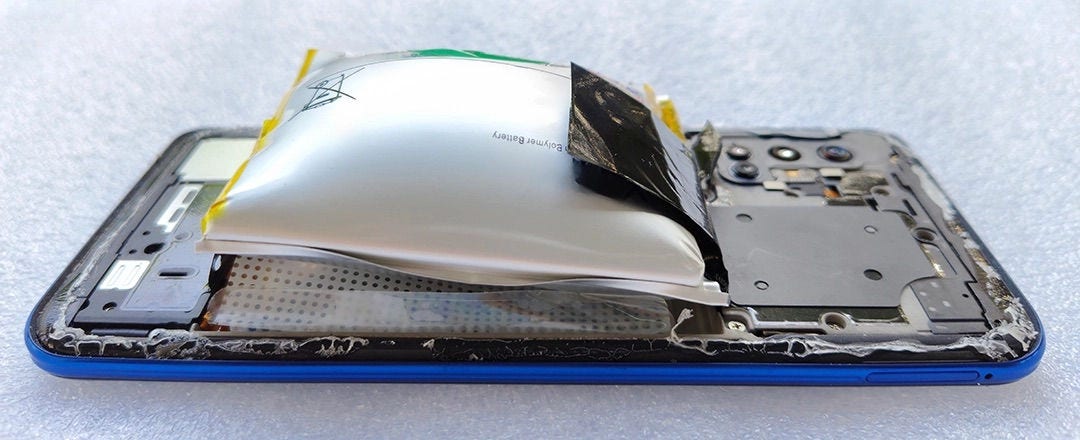
Transporting compromised or broken power cells presents severe hazards, including the threat of fire, smoke, and toxic emissions. Consequently, any unit that is suspected or known to be defective (such as those showing signs of expansion, corrosion, or leaking) is strictly prohibited from entering the DHL Express network.
When forwarding lithium-ion cells by air, it is mandatory to follow specific regulations regarding their state of charge (SoC). The SoC, which reflects the unit's remaining power compared to its full capacity, must not exceed 30% during transit. Logistics managers bear the responsibility of verifying compliance with this rule, as exceeding the limit can trigger dangerous thermal events.
When shipping lithium batteries, the responsibility for safe and compliant dispatch resides solely with you. You are legally obligated to follow all relevant regulations, such as UN3480 and UN3481. Failing to adhere to international or local laws can result in severe repercussions, including prosecution if an accident occurs while your cargo is in transit. To avoid this, it's crucial to review and strictly adhere to the UN and IATA guidelines for shipping lithium batteries.
If you're shipping batteries internationally, developing a deep familiarity with current cross-border regulations is essential. Some types, like lithium batteries, are considered Dangerous Goods, meaning they need special care when packing and labeling to ensure safe transportation. Failing to declare or properly pack these power sources can lead to serious safety risks. Other batteries may be classified as restricted, which means regulatory bodies impose strict limits on the varieties and exact counts you can include in a single freight consignment.
Although it appears straightforward, when shipping batteries installed inside equipment, make sure they are completely powered down and implement measures to prevent accidental activation. This may involve taping over power switches or removing the cells entirely to pack them separately. This protocol is vital to prevent short circuits and potential fires during transit.
Always verify your package is clearly labeled with the appropriate cautionary labels, especially when shipping lithium batteries. These shipments require specific hazard labels and markings to protect transport workers. Be sure to fill out all required paperwork, such as Material Safety Data Sheets (MSDS) and Shipper’s Declarations, in accordance with lithium battery shipping regulations. Accurate labeling and documentation not only help you maintain regulatory compliance, but also ensure that logistics personnel handling your package can identify the contents and take the right precautions throughout the journey.
Moving batteries internationally can feel overwhelming due to complex regulations, safety concerns, and extensive paperwork. Fortunately, you’re not alone. DHL Express possesses the specialized knowledge to assist you at every stage. Our specialists understand how to handle dangerous goods safely and ensure that your cargo remains fully compliant, no matter its destination.
Depending on your specific inventory, the specialists at DHL Express can guide you through the complex rules of shipping abroad, completely removing the guesswork. Plus, with the MyDHL+ platform, your entire end-to-end distribution pipeline becomes exceptionally simple – whether you need to quote international shipment tariffs, request a DHL home pickup service, or monitor cargo with real-time package tracking.
To streamline your corporate operations, open a DHL business account to activate premium DHL business discounts and begin scaling your global presence today.
Share