

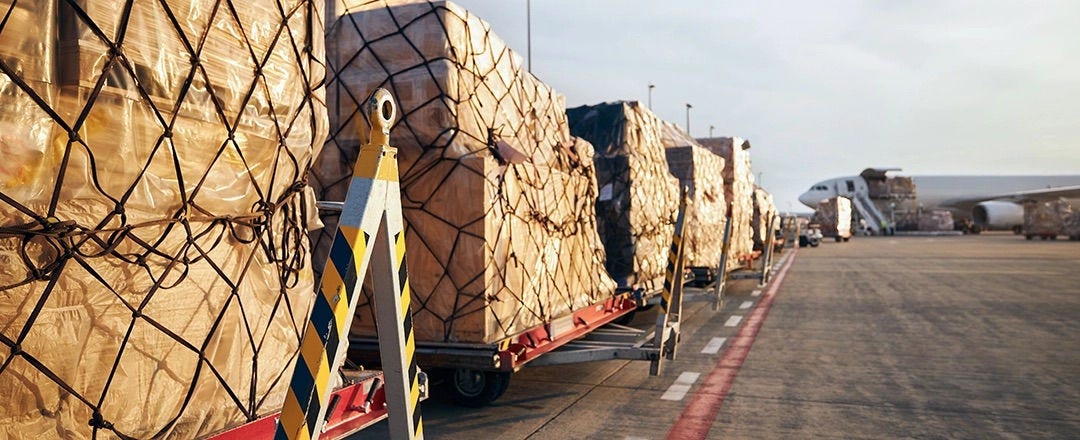


When transporting dangerous goods internationally, adhering strictly to regulations is absolutely vital. Flawed packaging, faulty labeling, or improper documentation can result in fines, customs holds, or shipments being rejected at the border. But rest assured – it doesn’t need to be complicated! This guide covers everything you need to keep your shipment compliant and on schedule – straight from our team of logistics experts. Let’s get started!
What defines dangerous goods?
Let’s start with the basics, as people often experience confusion regarding what qualifies as dangerous goods. These refer to substances or items that can pose risks to health, safety, property, or the environment during transit. They can range from everyday products to highly specialized materials.
You might also hear the term hazardous materials, or hazmat – especially in the United States. While both phrases are often used interchangeably, they essentially refer to the same types of regulated items, though “dangerous goods” is the preferred terminology globally.
Typical examples of dangerous goods (or hazmat) include:
- Lithium batteries (commonly found in electronics and power tools)
- Dry ice (used for temperature-controlled shipments)
- Perfume, nail polish, and aerosol sprays
- Industrial chemicals and cleaning products
- Medical samples and diagnostic specimens.
What are the nine official hazard classes of dangerous goods?
Dangerous goods are categorized into nine hazard classes under the United Nations (UN) classification system. Understanding this is paramount, as it ensures that every type of substance is handled and transported according to the appropriate safety guidelines.

Category 1 – Explosives
Substances capable of detonating, causing blazes, shrapnel, and blast waves. This category encompasses pyrotechnics, ammunition, and specific industrial explosives.
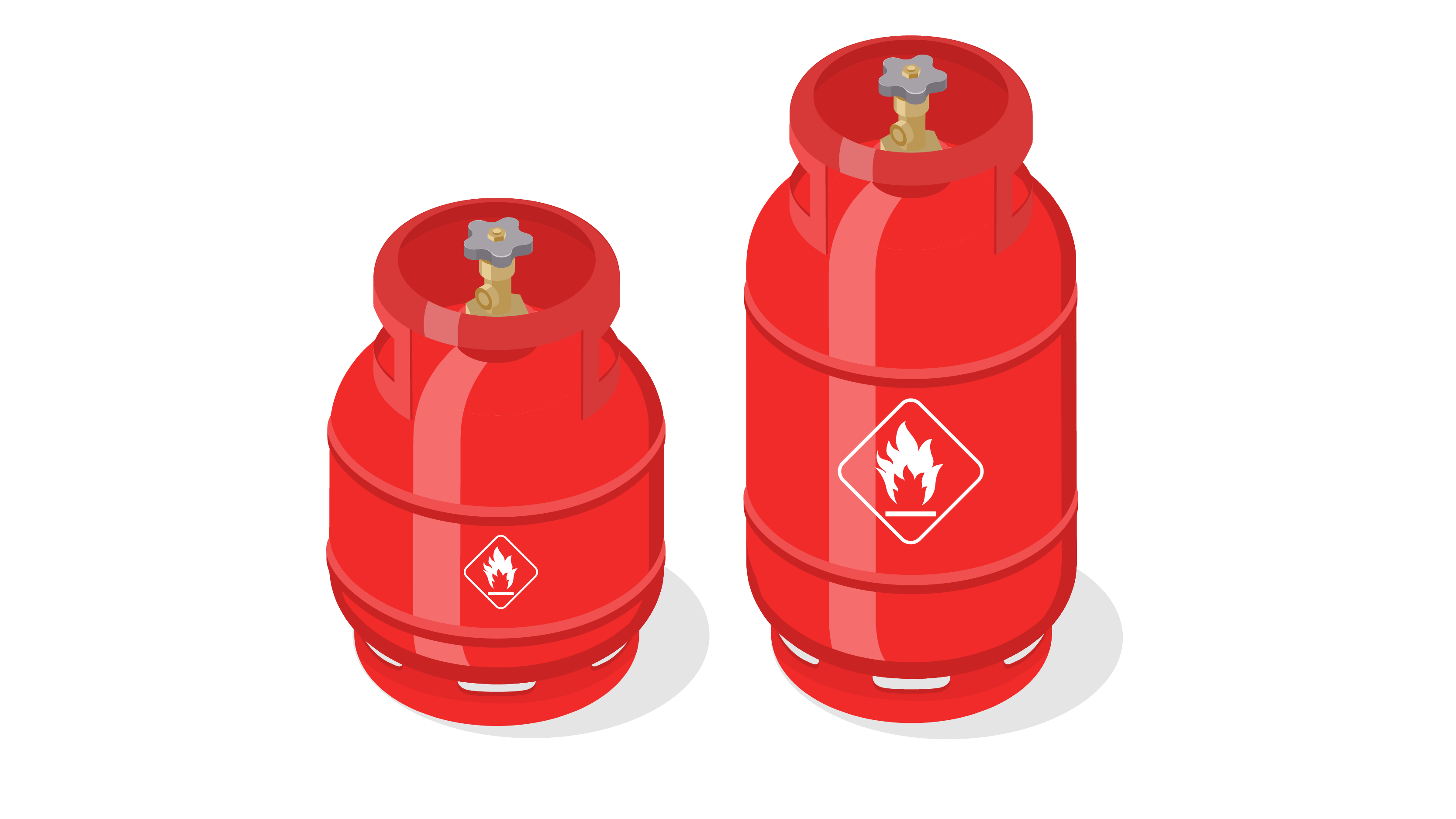
Category 2 – Flammable Gases
Items that are gaseous at standard ambient temperature and can be combustible or toxic. Typical examples include petroleum gases, lighters, helium, and insecticide products.

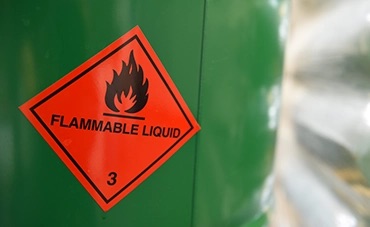
Category 3 – Flammable Liquids
Fluids that catch fire with ease, including gasoline, perfumes, alcohol, acetone, and diesel fuel.

Category 4 – Flammable Solids
Items that are solid but can catch fire through friction, moisture absorption, or chemical reactions. Typical instances include matches, sodium batteries, and specific variants of metal powders.

Category 5 – Oxidizing Substances and Organic Peroxides
Agents capable of emitting oxygen to accelerate the combustion of other substances. This category encompasses chemical fertilizers and calcium nitrate.
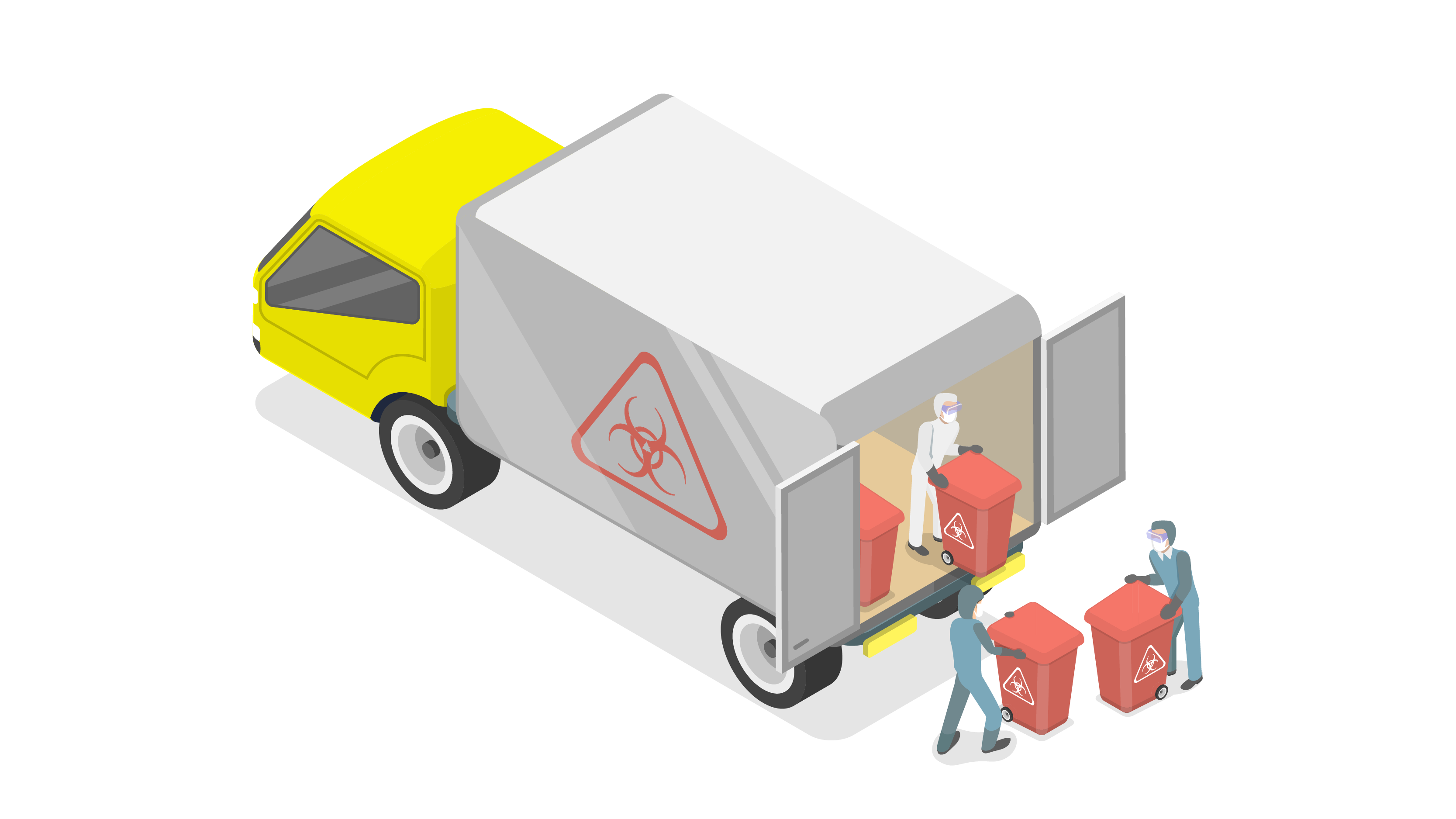
Category 6 – Toxic and Infectious Substances
Substances capable of causing fatalities, harm, or illness if ingested, inhaled, or absorbed through skin. This category encompasses arsenic compounds, cyanide, and biomedical waste.
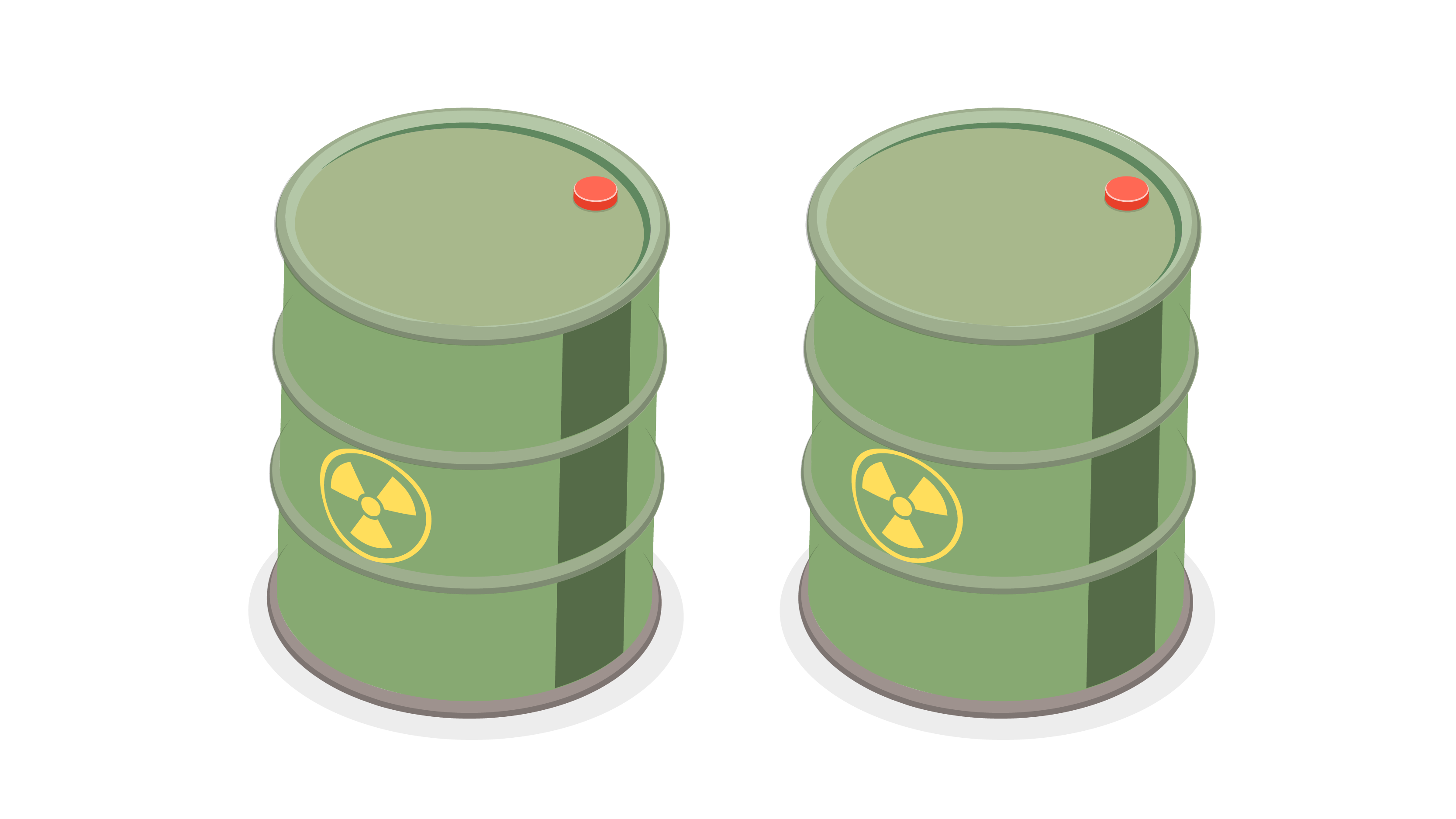
Category 7 – Radioactive Materials
Items that release radiation, such as healthcare therapies and nuclear waste.

Category 8 – Corrosives
Chemicals that can destroy living tissue or severely damage metals. Typical instances include acids like sulfuric acid, mercury, hydrochloric acid, and other corrosive substances.

Category 9 – Miscellaneous Dangerous Goods
Products that do not fall under previous classifications yet still pose transportation risks are grouped into this miscellaneous designation. This category encompasses dry ice, environmentally hazardous substances, magnetic objects, automatic-inflating life-saving gear such as vests and vehicle airbags, lithium batteries, along with everyday retail items like aerosol sprays, body lotions, and fragrances.
Regulations for shipping dangerous goods
Businesses engaged in moving restricted cargo must comply with stringent global frameworks to guarantee safe handling and transit. Two prominent governing entities are: IATA (International Air Transport Association) – this organization dictates universal standards for airlines, freight forwarders, ground handlers and shippers, including detailed guidelines for the shipment of hazardous materials. ADR (European Agreement concerning the International Carriage of Dangerous Goods by Road) – which regulates overland logistics within Europe. These regulations mandate precise criteria for the classification, packaging, labeling, and documentation of dangerous goods/hazmat. Non-compliance can lead to severe repercussions – from rejected shipments to legal penalties. Identifying whether your specific freight constitutes dangerous goods or hazmat is the first step in making sure it travels safely and legally.
Required documentation for dangerous goods shipping
Accurate paperwork is absolutely vital when moving hazardous items across borders. Beyond being a strict legal requirement, it serves a critical purpose in protecting the well-being of everyone involved in handling and transporting these restricted materials.
Every consignment must be accompanied by specific paperwork that clearly identifies the contents and confirms that the goods have been packaged and declared according to applicable regulations. When organizing the necessary documents to export, the key records typically include:
Dangerous Goods Declaration (DGD): A mandatory legal certificate verifying that the contents are properly classified, packaged, and labeled.
Material Safety Data Sheet (MSDS or SDS): An essential document outlining the precise chemical properties and hazards of the substance.
Air Waybill: The foundational dispatch note containing logistics specifics and emergency contact information.
Import/Export Permits or Licenses: Certain scenarios demand specialized authorizations depending on the nature of the goods and the final destination country.
Neglecting to provide the correct documentation can lead to severe customs delays, fines, or even the return or destruction of the shipment.
Labeling Requirements
Warning indicators on hazmat packaging offer instant recognition for handlers, transport personnel, and emergency responders. These identifiers must be compliant with regulations. Common labeling elements include:
Hazard class labels (e.g., flammable, toxic, corrosive)
UN identification number
Handling labels (e.g., "This Way Up")
Each mode of transport (whether air, sea, road, or rail) may have specific labeling requirements, making it essential to consult the relevant regulations (IATA, IMDG, ADR, etc.) to ensure full compliance.
Packaging requirements
Properly preparing hazardous materials for transit is not just a safety measure – it’s a strict legal obligation. The appropriate containment drastically reduces the risk of leaks, spills, or chemical reactions during transport and ensures adherence to global guidelines. This includes:
Using UN-certified packaging: These containers are thoroughly evaluated to withstand pressure, impact, and temperature fluctuations. Each is marked with a UN specification code that details the specific container category, material, and performance level.
Choosing the right packaging group: Based on the severity of the risk, substances fall into Packaging Groups I (high danger), II (medium danger), or III (low danger). The selected materials must be suitable for this classification.
Inner, intermediate, and outer packaging: Some commodities necessitate various protective layers to ensure containment and absorb leaks or vapors.
Seals and closures: Shipments must be securely closed using methods approved for that specific box or drum – including tamper-proof mechanisms if necessary.
Defective or inadequate packaging can result in rejection by carriers, fines, or even criminal liability in cases of injury or environmental harm.
Compliance standards
All containment protocols must meet the standards set by international and regional regulations, including:
IATA Dangerous Goods Regulations (for air transport)
IMDG Code (for ocean freight)
ADR (for overland routing in Europe)
These frameworks dictate not just how goods must be packed, but also how they should be labeled, documented, and handled during transit. Remaining current with these standards is essential, as protocols are updated regularly.
Routine training, audits, and consultation with certified dangerous goods professionals can help ensure your business remains fully aligned – and avoids costly disruptions.
Managing international shipments of dangerous goods with DHL
DHL Express possesses full authorization to transport certain classes of dangerous goods by both air and road, fully aligning with global regulations. These shipments are exclusively accepted to and from approved destinations, and under strict conditions that ensure safety and absolute legal compliance.
Backed by a dedicated team of specialized dangerous goods experts, we guarantee meticulous adherence to international safety and regulatory standards, offering personalized support to navigate any complex logistics challenges.
Our operation is streamlined for peak efficiency, ensuring your cargo benefits from fast international shipping on the next available flight and is pre-cleared through customs to minimize delays.
Our dedicated courier services and expedited delivery options highlight our tailored approach to handling hazardous materials efficiently.
To facilitate such shipments, DHL Express mandates that all dangerous goods be correctly classified, packaged, labeled, and documented according to the relevant legal standards.
Shippers must complete a formal approval and verification audit conducted by our Restricted Commodities Team before sending any dangerous goods through our network. To secure your authorization to ship, please contact your DHL Account Manager.
Transporting hazardous materials does not have to be an overwhelming process. Even though global compliance frameworks are often intricate, understanding how to classify, package, document, and label these materials correctly is the absolute foundation for managing secure international shipments. Armed with the proper expertise—and partnering with the best courier for international shipping—you can keep your enterprise moving forward safely and efficiently.
Open a DHL Express Business Account


 Share
Share

Similar Stories