

The Italian local site of the global retail giant.

Italy – renowned for its rich history, vibrant culture, and discerning consumers – presents an excellent opportunity for e-commerce companies looking to expand into new markets.
This is your guide to exporting to Italy, Europe’s fourth-largest e-commerce market. From understanding the growth potential of the market to navigating popular platforms and key shopping events, we will equip you with the knowledge you need to succeed.


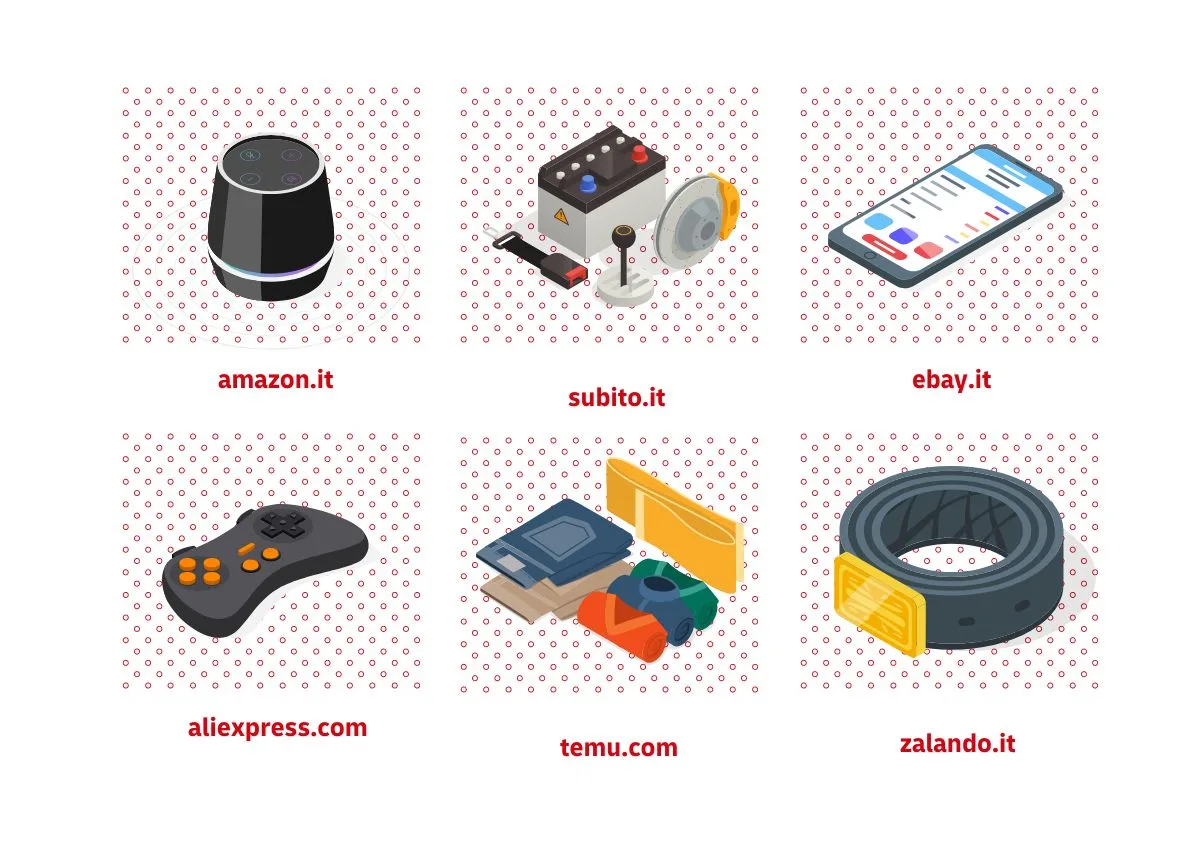
The Italian local site of the global retail giant.
An Italian online marketplace that allows users to buy and sell a wide range of products including cars, furniture, electronics, and more.
Ebay.it is the Italian version of the globally popular retail website. Famous for second-hand items, this marketplace is also great for direct-to-consumer products.
Offers a wide range of products including clothing, electronics, home appliances, and more.
Major fashion and accessories marketplace website.
With a focus on fashion and lifestyle products, Zalando is a popular choice for Italian shoppers.
Free returns aren’t the e-commerce essential they once were in Italy. In 2022, 85% of Italian shoppers said they would buy more online if returns were free – but in 2023 that number had dropped by 20%.5


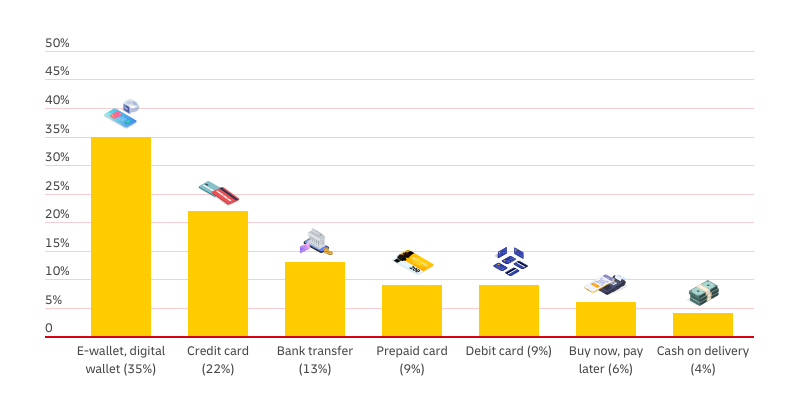
Cash on delivery is now rarely used, while ‘buy now, pay later’ options have increased rapidly in the last 5 years(6).
Understanding the key shopping events and holidays in Italy is crucial for maximizing your e-commerce sales. Here are some important dates to mark in your calendar:
Italy imposes import duties and value-added tax (VAT) on goods brought into the country. See the section below ‘Importing to Italy from non-EU countries’ for more information.
Ensure you have the necessary paperwork, including commercial invoices, packing lists, and certificates of origin.
Familiarize yourself with the list of restricted and prohibited goods in Italy to avoid any legal complications.
Depending on the type of goods, you – the importer – may need to provide additional information. For example:
Expect to pay VAT, duty and Duty Tax Processing Surcharge on most goods being imported to Italy. All goods coming from non-EU countries are subject to VAT, and duty is applied on shipments with a value of over €150 imported from countries outside the European Union.
Your customer generally pays customs charges – making for a poor customer experience. To solve this problem, DHL pays VAT, duties and any other customs clearance costs in advance on the receiver's behalf.
To speed up customs clearance procedures and deliver shipments as quickly as possible, DHL will:

DHL's complete international shipping service helps you offer first-class customer experiences. Apply for a Business Acccount today.
Apply for an account


 Share
Share