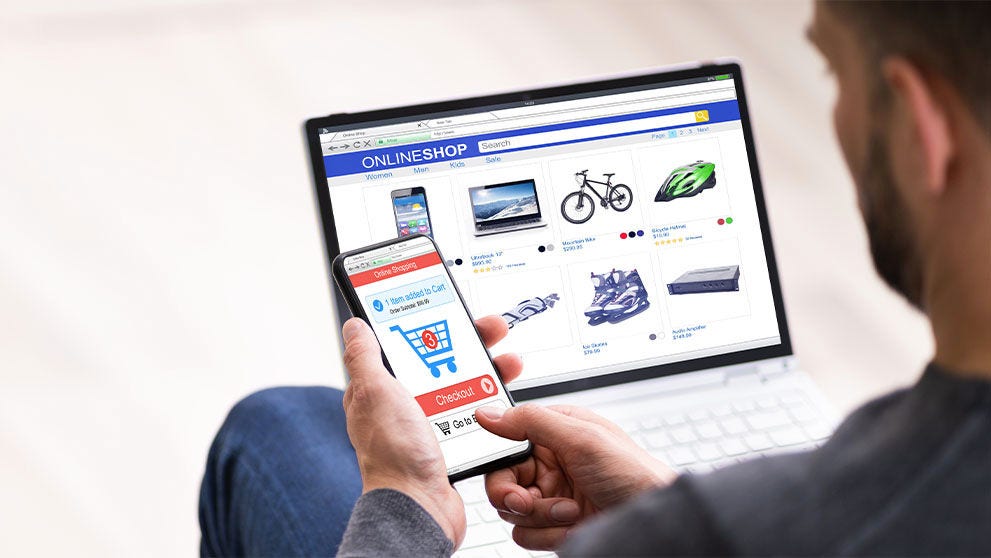
With e-commerce expanding rapidly and consumers expecting faster delivery times than ever, it’s no surprise that the logistics and transport sector now accounts for more than a third of global carbon dioxide emissions.
Against this backdrop, green shipping has become a key priority, with consumers increasingly expecting businesses to adopt eco-friendly logistics practices. read on to discover practical tips to help you move towards a carbon-neutral business.
What Causes Carbon Emissions in the E-commerce industry?
Here are six activities that increase the carbon footprint of the e-commerce industry.
1. Poor packaging
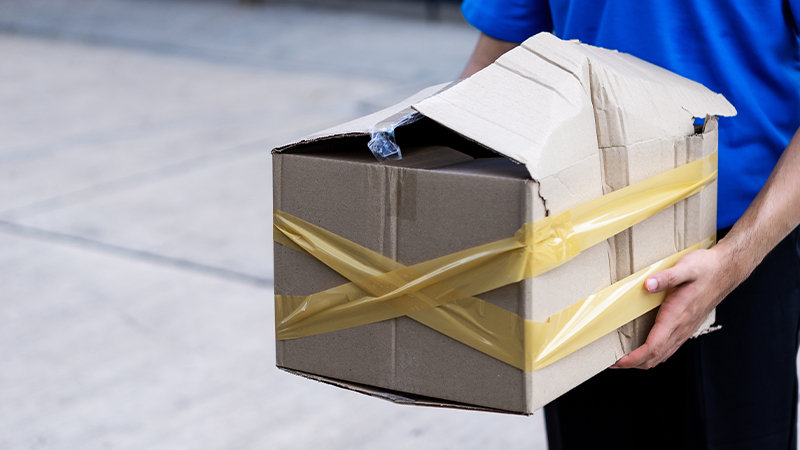
Sellers often use standard-sized boxes that leave excess empty space, filled with unnecessary packaging materials. This not only creates waste but also increases the shipment’s carbon footprint, as larger packages take up more space during transportation.
There is also the issue of materials. Traditional packaging like bubble wrap relies on plastics that are energy-intensive to produce and can take decades or even centuries to decompose, adding to long-term environmental impact.

2. Impulse purchases
E-commerce platforms often encourage impulse purchases through discounts and rewards. while this can boost sales, higher consumption drives increased production and, in turn, leads to greater CO₂ emissions.

3. Frequent customer returns
When returns are free and easy, many consumers buy multiple items, intending to return several of them. This, of course, increases carbon emissions from the additional transport involved when returning products.

4. Energy intensive devices
With e-commerce increasingly taking place on mobile phones, these devices need more computing power and stronger batteries. As a result, e-commerce has helped drive up energy consumption.

5. Vast data centers
E-commerce has also driven an increase in the amounts of data that needs to be processed, stored, and retrieved. This has resulted in enormous data centers that consume huge amounts of energy – as well as mirror servers in separate locations that add to the problem.
6. Fast transport methods
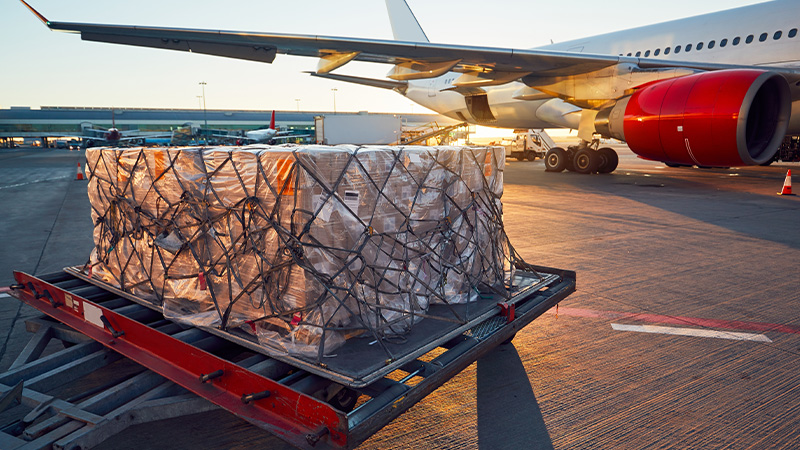
Even in these days of climate-consciousness, consumers still want to receive their purchases quickly. Especially in cross-border e-commerce, this often leads to the use of air transport, which has the largest carbon footprint of all transport options.
Eco-friendly logistics: 9 tips to follow
These sustainable business practices will help you work towards a carbon neutral business.
1. Track carbon emissions
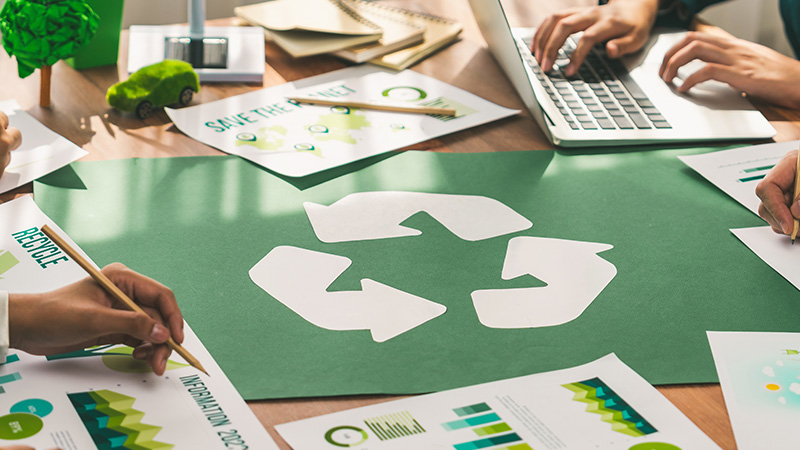
The first step to reducing your e-commerce carbon footprint is tracking carbon emissions. They are divided into three different types2: Scope 1, Scope 2 and Scope 3. Scope 1 is your business’s direct emissions; Scope 2 covers indirect emissions from purchased energy (eg. electricity); and Scope 3 are emissions produced by other businesses in your supply chain. You’ll find guidance and calculation tools on the Greenhouse Gas Protocol (GHG) website.

2. Offset your emissions
Carbon offsetting means participating in or financially supporting climate-related projects, such as renewable energy or rainforest protection, to compensate for your business’s own emissions. You could carbon offset shipping, for example. Always choose climate projects that are certified by international standards.

3. Go paperless
As well as reducing your carbon footprint, you’ll save trees, ink and time. Switch to more efficient internal paperless systems and send customers documentation, such as their receipts, digitally.
4. Switch to sustainable packaging
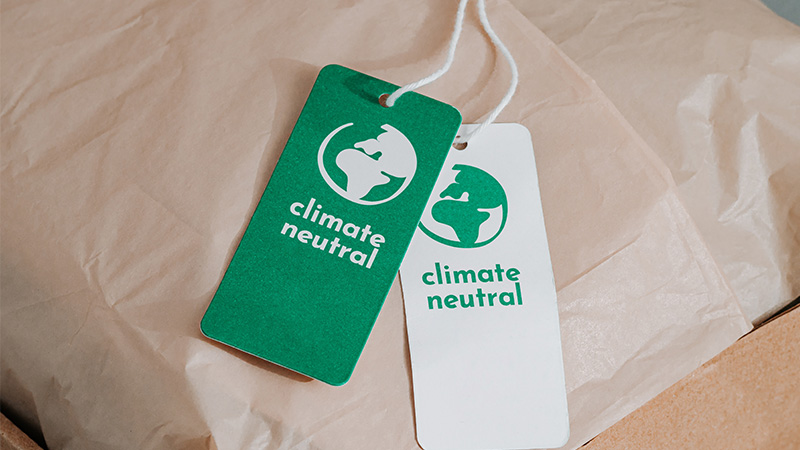
Use the right sized packaging to save on waste and shipping-related emissions, and package multi-item orders together. Look into reusable, recyclable or compostable packaging materials, such as mushroom mycelium or seaweed-based materials or, if your product really needs plastic packaging, consider biodegradable plastics. Switching to sustainable packaging can save you money and attract those environmentally-conscious customers, too.
5. Offer eco-friendly transportation
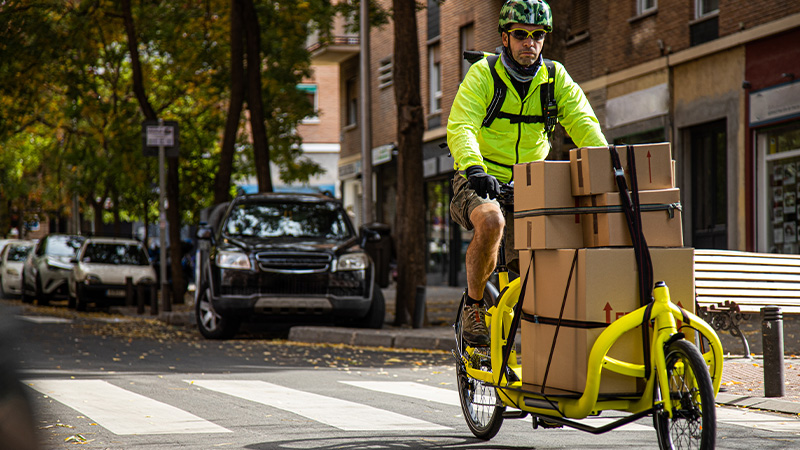
Choosing a logistics partner with a dedicated portfolio of green shipping services will help you reduce the environmental impact of your e-commerce deliveries. DHL Express’ GoGreen Plus, for example, is a solution to help businesses reduce the carbon emissions associated with their shipments through the use of Sustainable Aviation Fuel. This biofuel is produced from renewable sources such as vegetable oils, animal fats and agricultural crops. SAF is specifically designed to be used as a substitute for traditional jet fuel and can reduce greenhouse gas emissions by up to 80% compared to fossil fuels.
6. Efficient inventory management
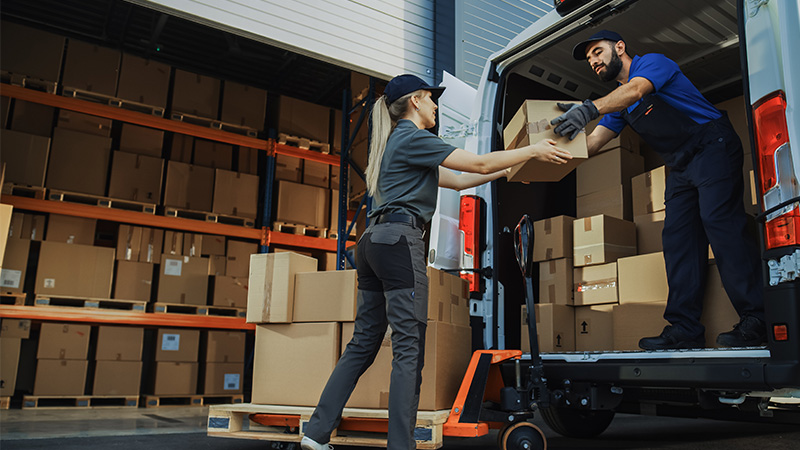
If you have reliable suppliers, consider switching to Just In Time (JIT) inventory management3. The idea is to eliminate waste and increase efficiency. With JIT, raw materials arrive as they are needed for production or stock arrives to meet customer demand – but no sooner. It means you have very little stock sitting in your warehouse, using energy for storage and becoming obsolete. Adopting JIT can save you money, reduce waste, and increase your operational efficiency.

7. Insist on a sustainable supply chain
Companies are realizing the importance of sustainability in their supply chains. And it’s not just about improving supply chain efficiency or reducing waste in the supply chain. Nike, for example, has introduced a Sustainable Manufacturing and Sourcing Index, which assesses and ranks suppliers based on their environmental performance4. You can significantly reduce your carbon footprint just by partnering with likeminded suppliers.

8. Introduce a circular economy initiative
Extend your products’ lifecycle with a reverse logistics strategy. This promotes the idea of recycling, refurbishing and repairing damaged product returns (rather than sending them to landfill) – a more environmentally friendly and cost-effective route.

9. Reduce customer returns
Every product that is returned to your business means extra transport emissions. To prevent this, invest in reducing your returns rate in the first place: ensure you have lots of high-definition photographs and detailed product descriptions on your website, and adopt virtual reality (VR) tools to help customers visualize how a product will look more accurately.
You can also utilize parcel lockers for more eco-friendly returns. These allow your courier partner to pick up several customers' returns packages from one location – significantly reducing total transport emissions.
Our nine strategies to reduce your e-commerce carbon footprint offer plenty of practical ideas to get started. remember, you don’t need to implement everything at once, focus on making gradual, incremental improvements over time.
It’s also important to be transparent with your customers and actively engage them on sustainability efforts. they may even provide valuable feedback or ideas. above all, regularly review and audit your processes, and continue to refine them as new technologies and best practices evolve.
With a DHL Express Business Account, you’ll have access to a range of dedicated sustainable logistics solutions to help you reduce your business’s carbon footprint.


 Share
Share