1 - Business Wire, October 2021

Fifth-party logistics (5PL) is becoming a key solution for e-commerce businesses facing growing supply chain complexity. But what does it involve, and is it the right choice for your business? Explore the different supply chain management options available to help you meet demand, streamline operations, and deliver on your customer promises.
With global e-commerce continuing to grow, there’s never been a better time to reach and sell to customers worldwide. But increased demand also brings new challenges, today’s customers expect faster, more affordable delivery, even across borders. This puts pressure on businesses to deliver consistently, making a strong and reliable supply chain strategy essential.
To stay competitive, e-commerce businesses need efficient inventory management, streamlined order fulfillment, and seamless delivery operations. Many small and medium-sized businesses already outsource parts of their logistics to keep up with these demands and scale more effectively.
In recent times, the fifth-party logistics (5PL) model has emerged to help e-commerce businesses take an approach to supply chain management that effectively deals with the increasing pressure they are finding themselves under. A 5PL partner like DHL will handle all the logistical needs of a client, firstly by identifying their exact requirements, then by planning, executing and managing their entire supply chain network. For e-commerce businesses new to international shipping, the 5PL solution will handle cross-border complexities such as customs rules and regulations, leaving them with more time to focus on the business of selling.
However, before you jump to 5PL, there’s 1PL, 2PL, 3PL and 4PL to consider, too. You’ll probably find that as your business grows, it will be a natural progression to progress through the PL “ranks”. Let’s take a closer look…
As e-commerce continues to evolve, 5PL providers must constantly innovate to keep up with growing demands. DHL, for example, has invested in a dedicated Innovation Center to bring cutting-edge technologies into its logistics solutions, helping businesses stay competitive.
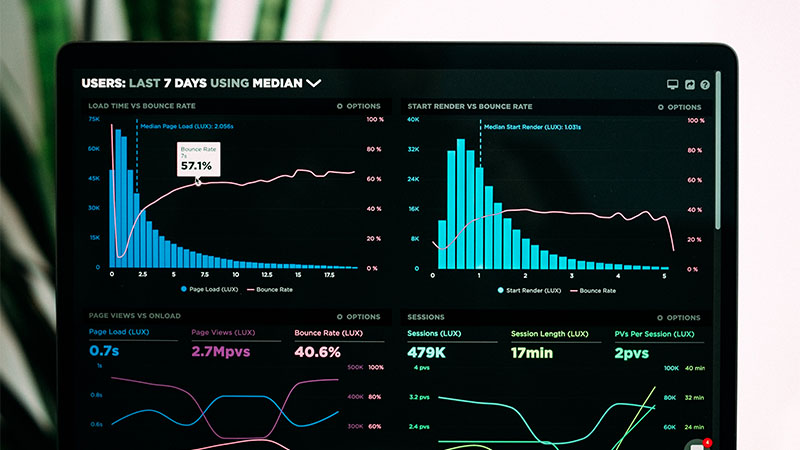
At the same time, logistics is being reshaped by data-driven insights. With the rise of digital transformation and the Internet of Things (IoT), companies can now collect and analyze vast amounts of supply chain data. Leveraging this data enables improved efficiency, enhanced customer experiences, reduced risks, and the development of new business models.
Deciding on the right approach to logistics management for your business is dependent on its growth trajectory – as your requirements become more complex, the need to outsource more jobs will increase. There are advantages and drawbacks to working with each level of logistics model; relinquishing some control of your business may be worth it for the cost savings to your business, whilst investing in a more advanced model can help your business grow and scale quicker. Remember, it ultimately comes down to your customers, and delivering them the best service possible.
1 - Business Wire, October 2021


 Share
Share