


Logistics management definition
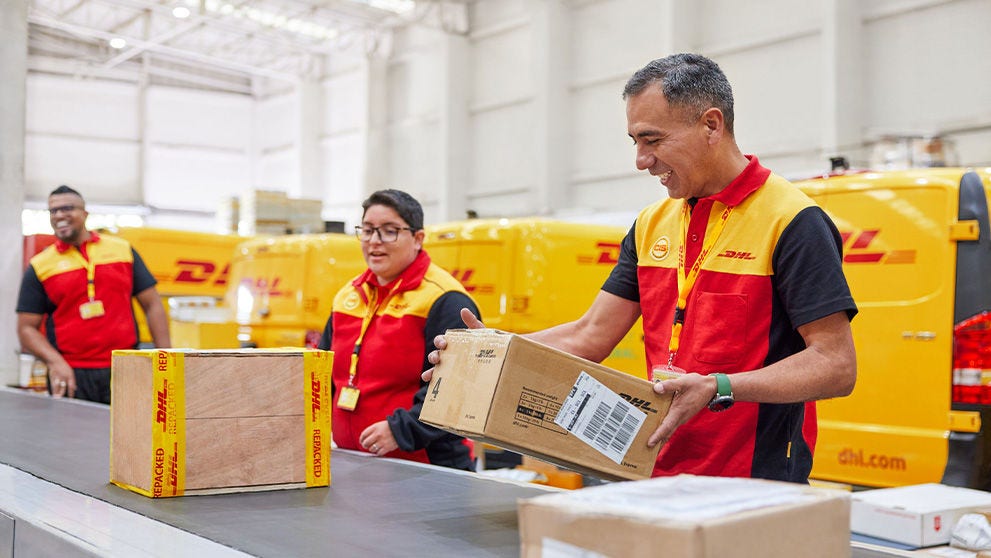
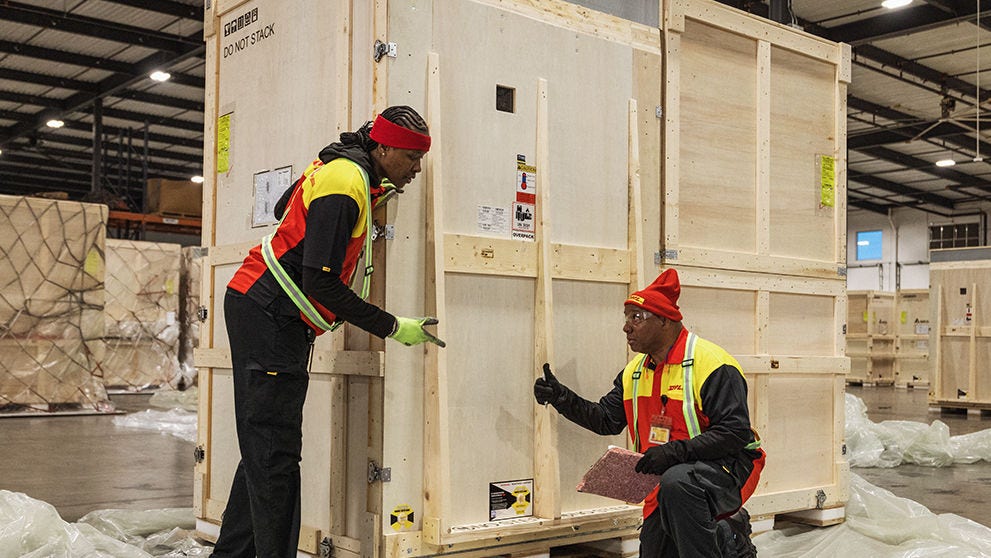
Logistics management refers to the strategic coordination of all essential processes within a logistics network, including warehousing, inventory management, order fulfilment, packaging, distribution, and transportation. It plays a crucial role in helping businesses design and execute efficient operations that ensure products are delivered to customers in the most cost-effective and timely way, while maximizing the use of available resources.
Industry research shows that over 60% of companies across the US and Europe experienced revenue losses of up to 20% in 2020 due to disruptions in logistics operations¹. While this period was heavily impacted by the Covid-19 pandemic, it clearly underscores the importance of maintaining a streamlined and optimized logistics system. Businesses need agile supply chains that can quickly respond to unexpected challenges in order to protect profitability and maintain service reliability—making effective logistics management more essential than ever.
The benefits of efficient logistics management

1. Cost reduction
Logistics management provides businesses with enhanced visibility across their supply chain, making it easier to detect inefficiencies and eliminate wasted resources. For instance, improving warehouse layout design can reduce the amount of storage space required, lowering leasing costs. Similarly, implementing route optimization software in transportation operations can significantly cut fuel expenses and improve delivery efficiency.

2. Improved customer satisfaction
Effective logistics management ensures a streamlined order fulfilment process, covering key areas such as inventory control and final delivery. This leads to improved order accuracy, faster shipping times, and a reduced risk of customers encountering “out of stock” notifications on your e-commerce platform. As a result, the overall customer experience is significantly enhanced, increasing satisfaction and encouraging repeat purchases and long-term brand loyalty.
3. Enhanced competitiveness
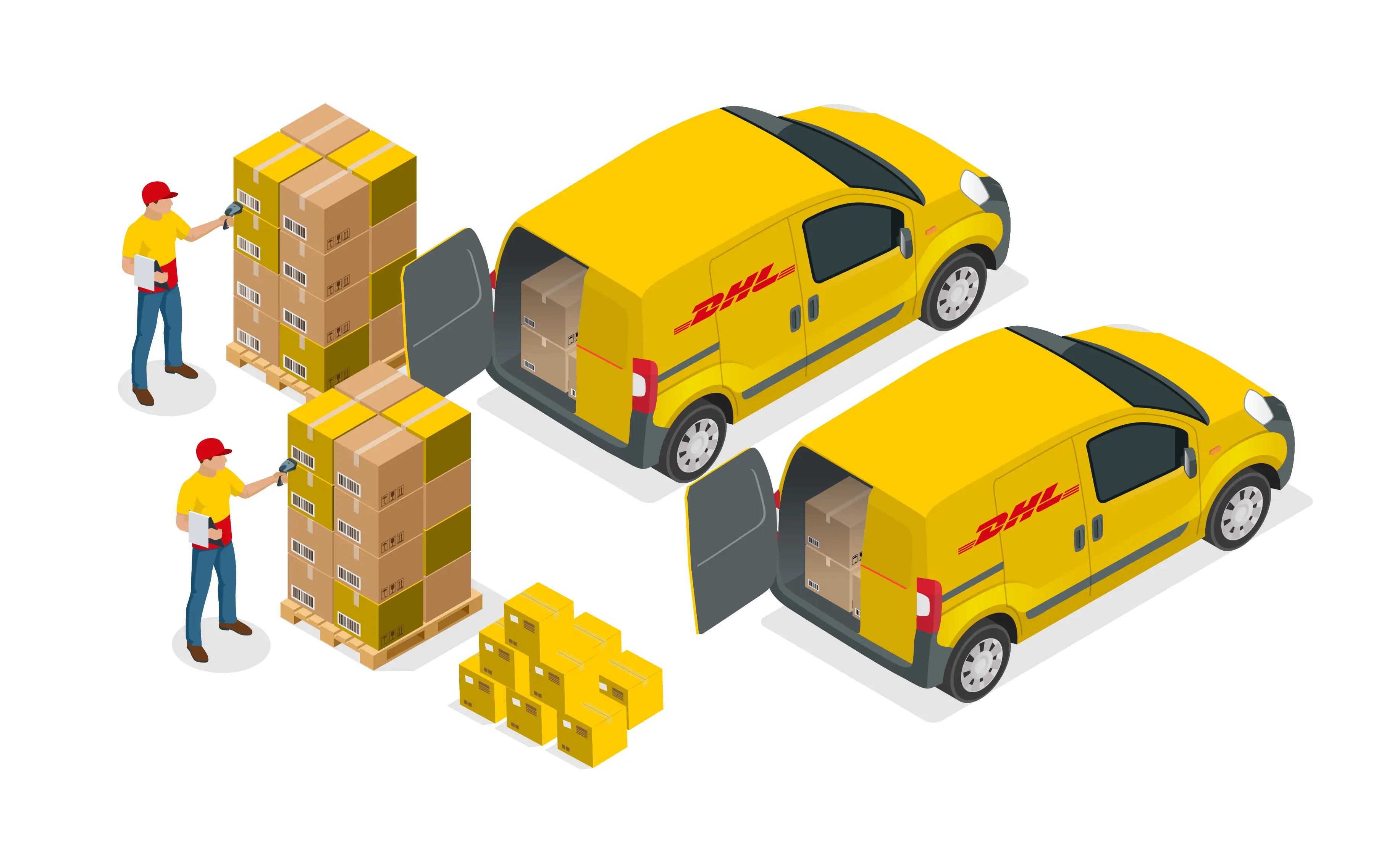
With real-time visibility across all logistics operations, businesses can operate a more agile and responsive supply chain that quickly adapts to unexpected disruptions, such as sudden spikes in product demand or supplier delays. This level of insight enables fast, confident decision-making that helps prevent disruptions from impacting the end customer. As a result, companies can maintain consistent service quality, improve operational resilience, and stay ahead of competitors in a fast-moving market.
4. Reduced stockouts and overstocking
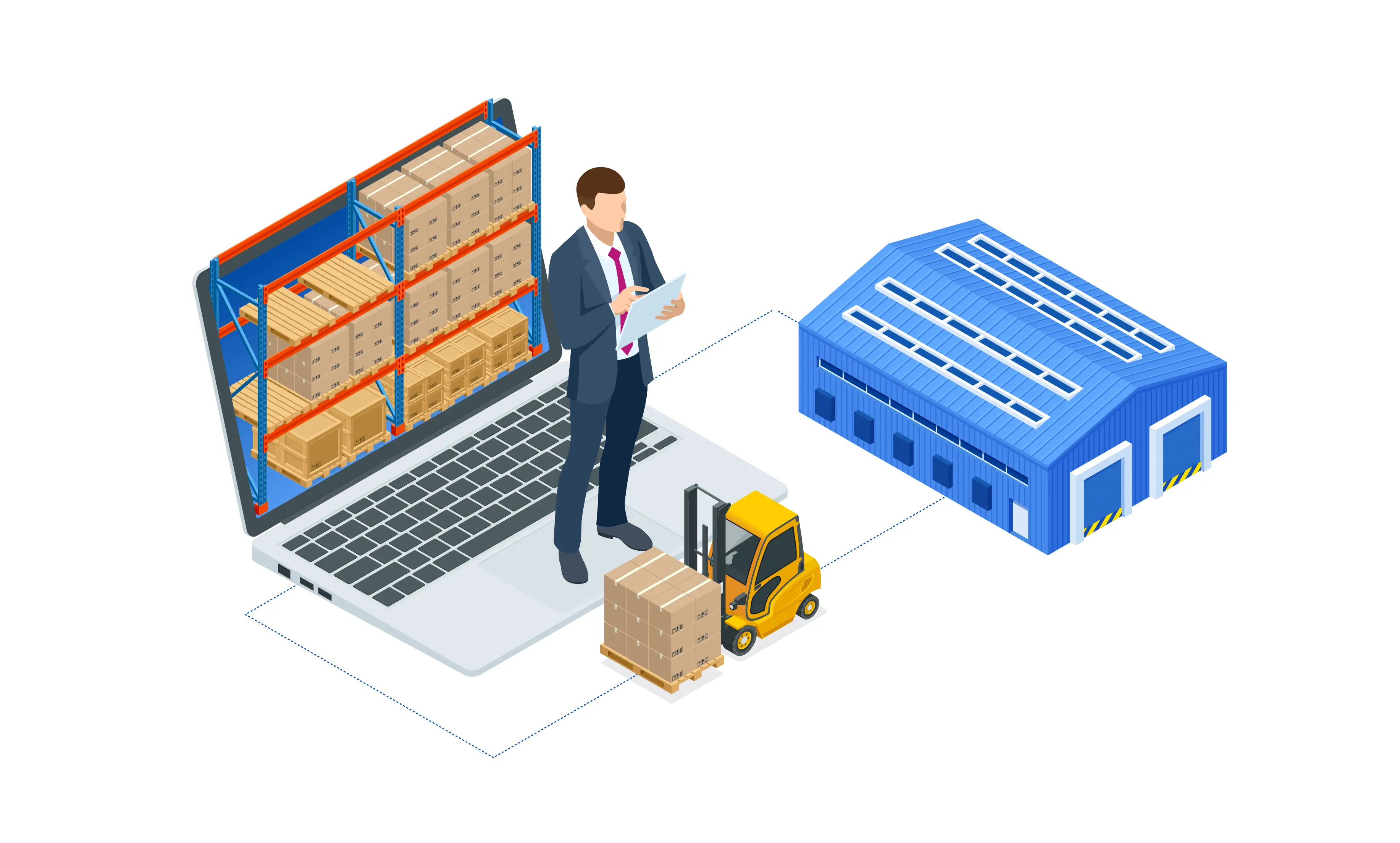
Good logistics management ensures a well-run order fulfilment system – including inventory management and delivery. This ensures accurate orders, fast delivery times, and less chance of customers seeing an “out of stock” message on your e-commerce website – all of which improves their experience with your brand and increases their likelihood of becoming a repeat customer.
The core principles of effective logistics management
Planning and forecasting
Logistics planning focuses on delivering the right product to the right customer at the right time, with demand forecasting playing a vital role in helping businesses anticipate demand shifts and allocate resources efficiently across the supply chain.
Inventory forecasting, for instance, uses advanced software to analyse historical sales data and seasonal trends in order to predict future demand more accurately. This enables businesses to optimise stock levels, reduce excess inventory, and minimise costs associated with storage and transportation.
At the same time, route optimisation software helps companies determine the most efficient delivery paths for goods, improving transit times while lowering fuel consumption and overall distribution costs.
Optimization
Further optimization can be seen within the warehouse. Examples include:
- Optimizing the layout so the most in-demand items are closest to the packing stations to reduce picking time. Efficient space utilization also reduces storage and labor costs.
- Automating key tasks such as picking and packing via dedicated technology. For example, integrating tech to scan a SKU’s barcode as it’s being picked will ensure greater accuracy. This in turn minimizes the risk of product returns due to picking errors – an expensive headache for retailers to handle.
- Determining the optimal routes for inventory flows, so goods arriving to the warehouse are processed and moved on for shipping to customers in the fastest, most efficient way.
Collaboration
Smooth logistics management relies of close collaboration between different departments. The sales teams will have important insights into customer demand which can help the buying and logistics teams prepare accordingly. By communicating often, they can also deal swiftly with any challenges that might slow down the logistics network and cause delays to your customers.
Technology adoption
Across all aspects of logistics, technology is helping to automate processes, improve efficiencies, and ensure customer satisfaction.
An Order Management System, for example, enables businesses to track an order from the moment a customer clicks “buy”, to the time they receive their goods. This real-time visibility allows businesses to know instantly when there is a delay, and take swift action to negate the issue.
Elsewhere, Warehouse Management Systems are integral to a smooth logistics operation – managing everything from warehouse layout (so space is being used in the most optimal way), to tracking inventory levels in real time. For the latter, it can even send automatic replenishment orders through to a supplier so there is never a stockout.
Strategies for effective logistics management
Follow these best practices to help your business achieve an efficient and cost-effective logistics operation.
Warehouse management strategies
Space utilization. Maximize space through vertical storage, and place the most in-demand items closer to the packing stations to reduce retrieval time. Implement zone picking, too – divide your warehouse into zones based on demand and picking requirements, and assign specific workers to each zone for more efficiency.
Automate key processes:
Goods-to-Person (GTP) technologies – such as conveyor belts and carousels – bring goods directly to the operators, saving time by reducing unnecessary movement within the warehouse.
Autonomous Mobile Robots (AMRs) move materials around the warehouse quickly, without the need for physical guides or markers.
Robotic picking arms can handle repetitive tasks with greater accuracy and speed than humans.
Automated sorting stations use barcodes to sort goods according to destination and packaging requirements, and manages their packing, labeling and dispatch for shipping.
Implement a Warehouse Management System to support your day-to-day operations. The software tracks goods from the moment they arrive at your warehouse and manages every step of the fulfilment process – including order allocation, inventory replenishment, and delivery schedules. It can even optimize the warehouse’s layout to make the best use of space. And, with the real-time data a WMS gives, your customers can receive regular updates about their orders’ status.
Transportation management strategies
The movement of goods from the supplier to the end customer is often a multimodal process – involving rail, road, water and air – which can quickly become complex for businesses to manage. That’s when a Transport Management System (TMS) can help. The technology is a key part of supply chain management, and its benefits to your business include:
Optimized route planning: a TMS will determine the most efficient route for each shipment, considering factors like distance, traffic and available resources.
Streamlined procurement: a TMS acquires carriers’ shipping rates, displaying them in real-time and in one place, making price comparisons easier. You can also filter carriers based on criteria such as rates, transit time and capacity.
Analytics: a TMS can forecast transportation demand and analyze rates, helping you to make swift, data-driven decisions.
Greater visibility: giving you full tracking of all shipments – information you can share with customers and stakeholders.
Documentation management: invoicing, billing, contracts and shipping paperwork held in one place.
Inventory management techniques
There are several techniques your business can adopt to maintain optimal inventory levels:
ABC analysis: this classifies inventory items based on their importance in terms of sales volume and profitability; “A” are high value, “B” are medium, “C” are low. Using sales data, businesses can identify the most in-demand inventory (“A”) and prioritize it for reordering, thus avoiding stockouts. This strategy also helps businesses allocate resources and inform supplier negotiations.
Just-in-time inventory: this involves receiving raw materials from suppliers as close to production as possible. This lean management process is designed to minimize the amount of inventory businesses need to hold, reducing storage and handling costs.
Inventory management system: this software allows businesses to track goods throughout the supply chain. With greater visibility, they can ensure stock levels are always maintained at optimal levels. Furthermore, the technology’s data collection and analytics capabilities can identify sales patterns, so businesses can better forecast future demand.
Tracking performance with metrics
Your business can only improve its logistics management by setting Key Performance Indicators (KPIs). Some key metrics to consider are delivery lead times, inventory turnover, order fulfilment accuracy and shipping times. Set achievable targets for each KPI and review them regularly. This strategy will help you run a highly optimized logistics operation that reduces waste, minimizes costs, and ensures customer promises are kept
The future of logistics management trends
Expect to see AI play an increasing role within logistics management. According to a study by McKinsey2, AI has helped businesses improve logistics costs by 15%, inventory levels by 35%, and service levels by 65%.
It is already enabling meaningful advancements in route planning, demand forecasting, asset management, and more. AI-driven computer vision is also one to watch closely. Computer vision systems gather information from visual inputs like digital images and videos; by collecting and crunching this visual data using algorithms, these systems can then make suggestions and even perform actions. The technology is set to highly impact logistics in the coming years, enabling more efficient processes as well as sustainable and safe operations.
Effective logistics management is the key to supply chain efficiency. Businesses which adopt the latest advancements in technology will benefit from a streamlined logistics network which reduces waste, minimizes costs and ensures customer demand is always met. There’s a lot to consider with logistics, but with a DHL Express Business Account, you can be assured the delivery is in good hands. Fast, accurate delivery to your customers with the international shipping experts.


 Share
Share

Similar Stories