Sustainability is no longer just a “nice to have” for businesses – it’s fast becoming a core part of how they compete and grow. From rising customer expectations to tightening regulations, SMEs are under increasing pressure to reduce their environmental impact while still running efficiently and profitably.
The good news? Reducing your carbon emissions doesn’t have to be complex. With the right approach, even small businesses can take meaningful action – and see real benefits along the way.
This article walks you through the key steps, with practical solutions that support long-term, sustainable growth.
Why is it important for SMEs to reduce their carbon emissions?
For SMEs, implementing sustainable practices isn’t just about doing the right thing for the planet – it can also make good business sense:
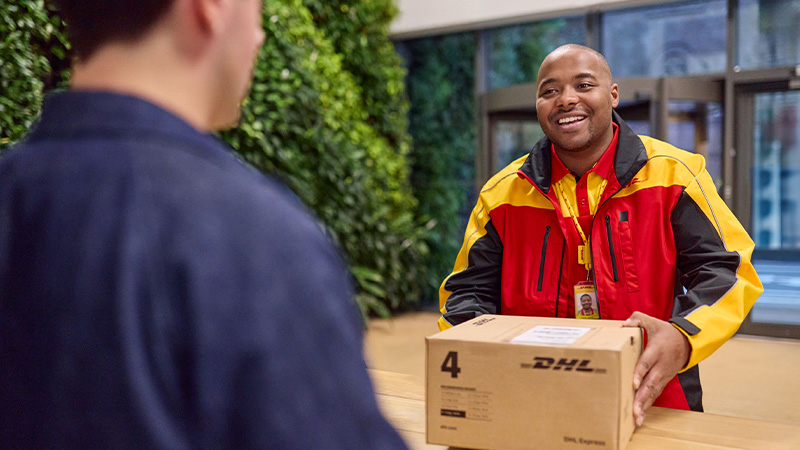
Building trust with customers and partners
Customers today care about more than just price and speed – they want to know how the businesses they buy from operate behind the scenes. By taking visible steps to reduce your carbon emissions, your SME can stand out in a busy market, build trust, and connect more strongly with customers and partners who value sustainability as much as you do.
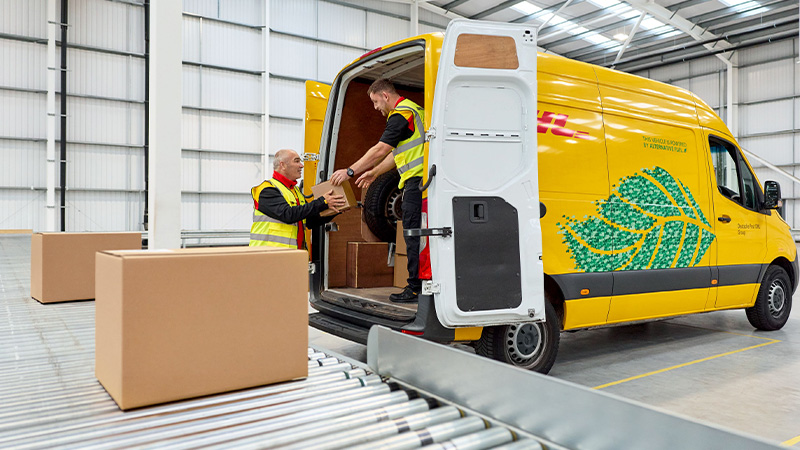
Reducing operating costs through efficiency
Reducing carbon emissions often starts with a simple question: where is energy or resource being wasted? From smarter energy use to more efficient processes, small changes can add up quickly. The result? Lower running costs, leaner operations, and savings that really matter when margins are tight.
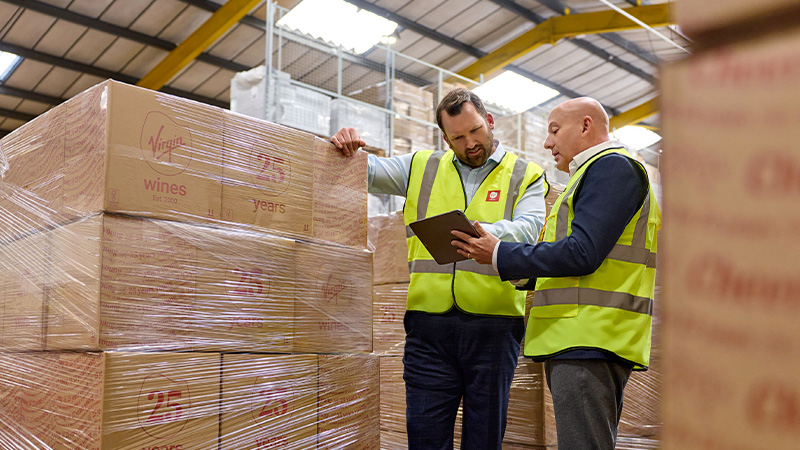
Meeting supplier and procurement expectations
Even as a small or medium-sized business, your sustainability performance matters to the companies you supply or collaborate with. By reducing your emissions, your SME can meet these expectations, stay competitive, and strengthen relationships with customers and partners who value environmentally responsible operations.

Preparing for future environmental regulations
Rules around emissions and sustainability are only going one way: getting stricter. By taking action now, SMEs can stay ahead of future requirements and avoid last-minute scrambles – especially when expanding into new international markets.
Tips to reduce your SME’s carbon emissions
The key thing to remember? You don’t have to do everything at once. Whether you’re just starting out or already taking steps to reduce emissions, these tips can be mixed, matched, and scaled to suit your business.
Reduce energy use in day-to-day operations
One of the easiest places to start is energy. Small changes here can have an outsized impact – both on your carbon footprint and your bills.
Simple upgrades, like switching to LED or low-energy lighting, can cut electricity use straight away. Replacing older equipment with higher energy-rated models also makes a big difference over time, especially for items that are running all day, every day.
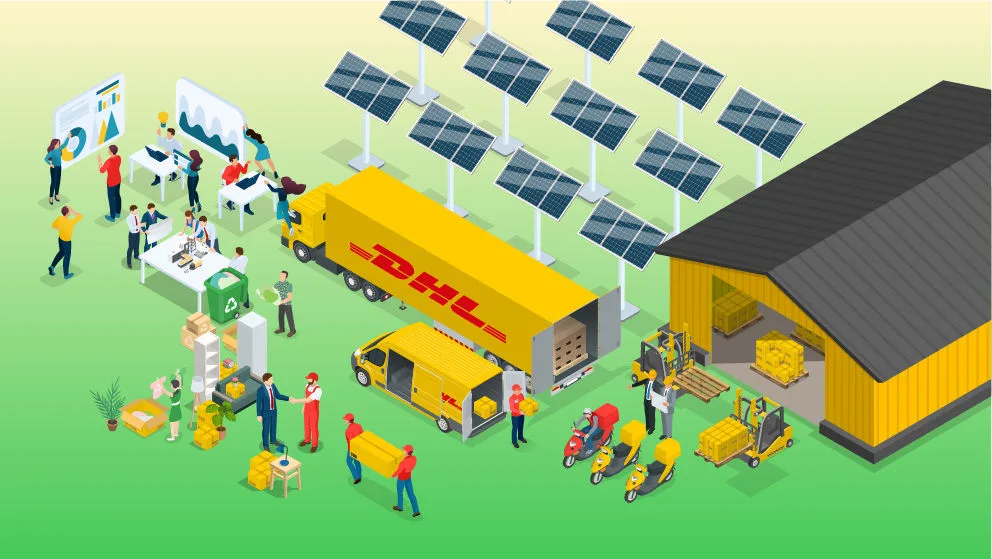
Many SMEs are also choosing green electricity tariffs, which increase the share of renewable energy powering their operations without requiring any changes on site. And if you have the space and budget, installing solar panels can be a longer-term option – often supported by government incentives or tax benefits, depending on where you operate.
As your business grows, it can also help to take a more structured approach to energy management. Standards like ISO 50001 are designed to help businesses monitor, manage, and continuously improve how they use energy. You don’t have to become an expert overnight, but having a clear framework can make energy savings easier to spot – and easier to repeat.
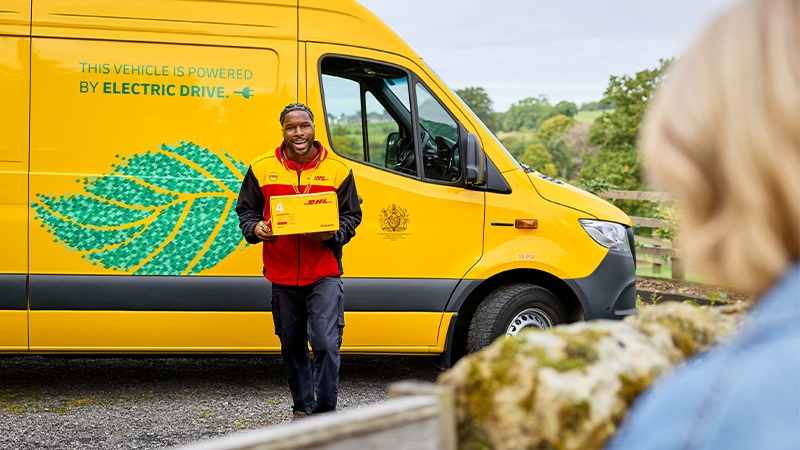
Improve logistics, transport, and shipping efficiency
For many SMEs, transport and logistics are a major source of emissions – especially if you ship products internationally.
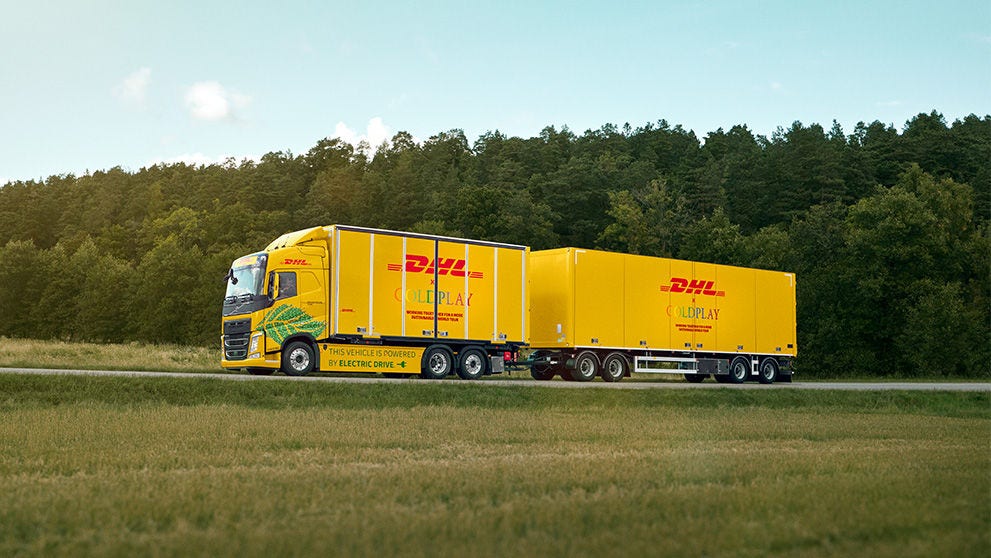
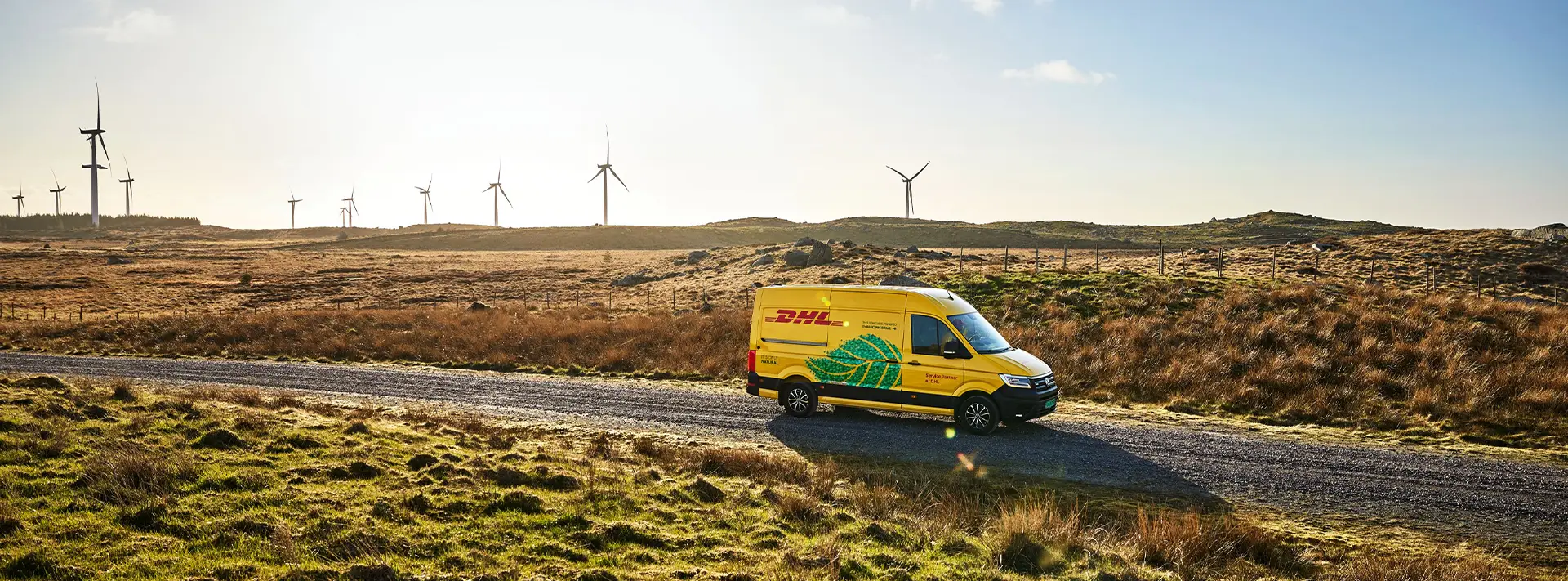
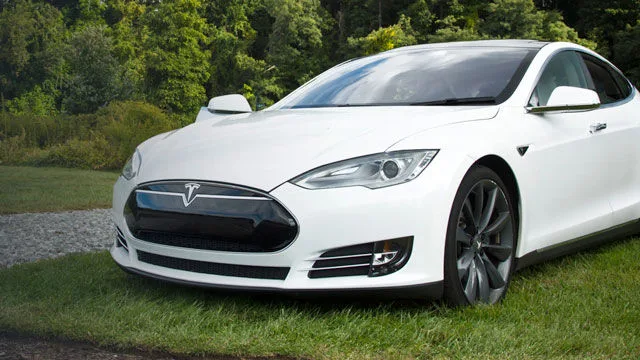
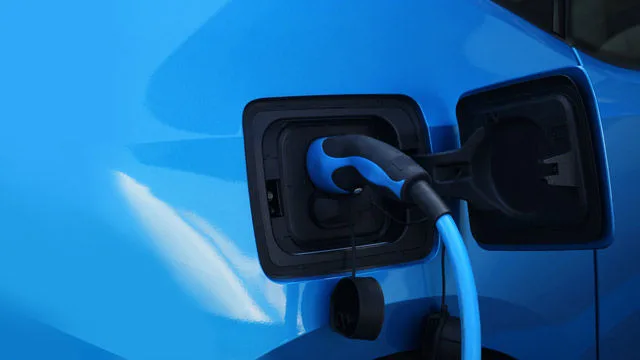
If you operate a company fleet, upgrading to electric or hybrid vehicles can significantly reduce emissions over time. Beyond vehicles themselves, simply optimizing routes and delivery schedules can cut fuel use, save time, and lower costs.
Sourcing goods locally where possible can also help reduce transport emissions – and often shortens lead times at the same time.
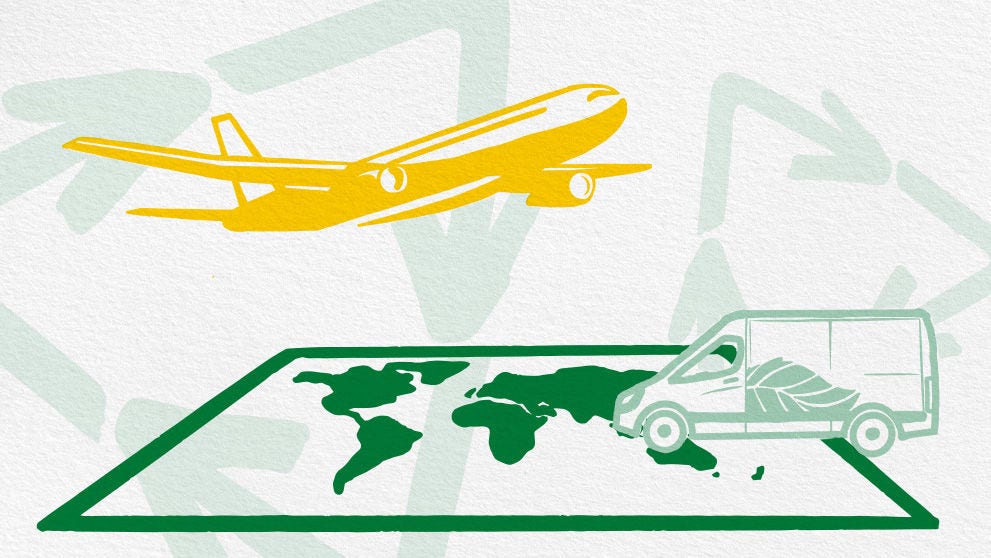
When it comes to shipping, choosing the right logistics partner matters. Solutions like DHL Express’ GoGreen Plus allow businesses to reduce the emissions associated with their shipments by using Sustainable Aviation Fuel (SAF). SAF is produced from renewable sources and can significantly lower emissions compared to traditional aviation fuel – without requiring SMEs to change how they ship.
Use more sustainable materials and packaging
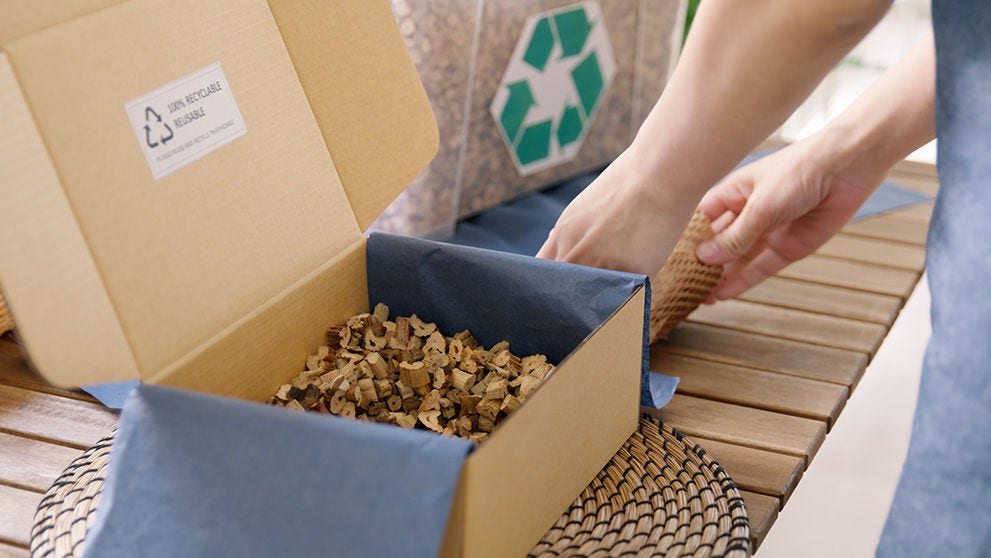
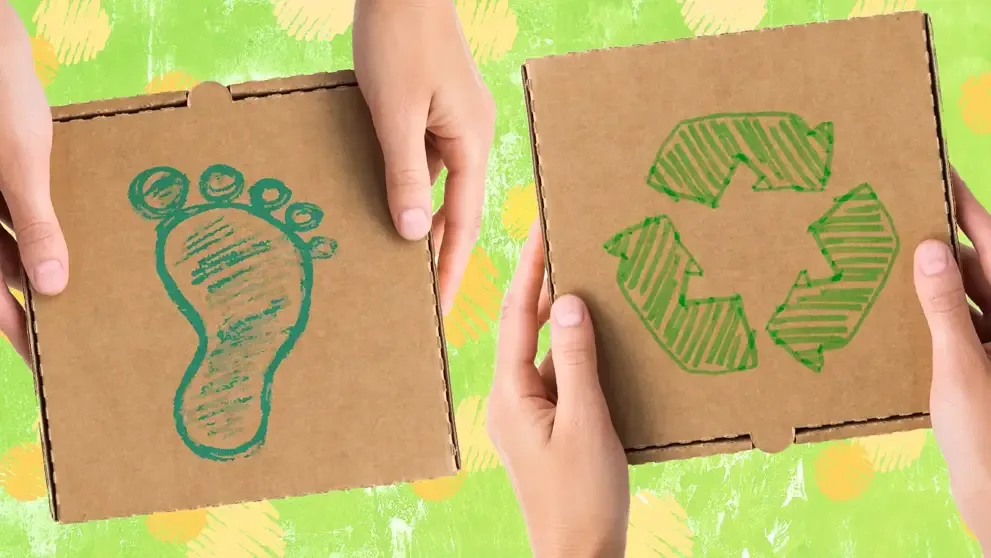
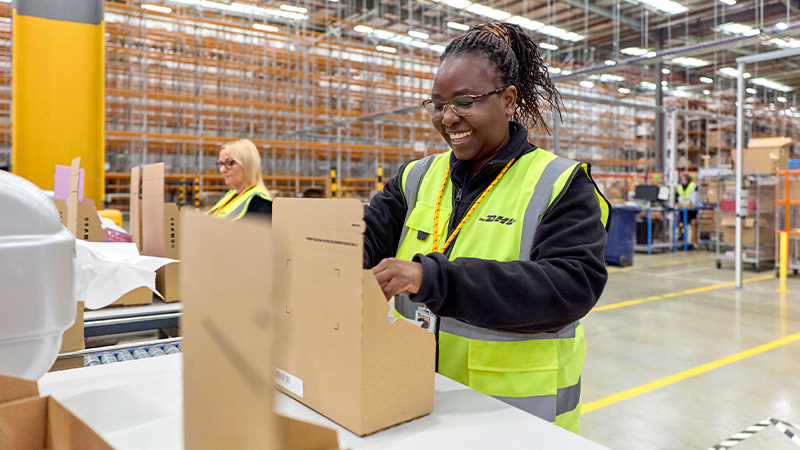
Packaging is another area where small tweaks can make a big difference. Switching to recycled materials for office supplies and shipping materials is a simple first step that’s easy to scale as your business grows.
Many SMEs are also moving towards more sustainable packaging options, such as recyclable, compostable, or reusable materials. At the same time, reducing excess packaging – and using right-sized boxes – helps cut waste, lower shipping weights, and reduce emissions in transit.
If packaging plays a big role in your business, exploring dedicated sustainable packaging solutions can help you find the right balance between protection, presentation, and environmental impact.

Reduce waste and encourage sustainable workplace habits
Not every sustainability action needs a business case or a big investment. Some of the most effective changes are also the simplest.
Encouraging reusable habits – like refillable water bottles, reusable cups, and clearly labelled recycling points – can reduce waste almost overnight. Switching to biodegradable or certified eco-friendly cleaning products is another low-effort change that supports a healthier workplace and a lower environmental impact.
These steps may seem small, but they help build a sustainability mindset across your team – and that culture shift often leads to bigger ideas and better habits over time.
Use standards, data, and technology to optimize emissions
As SMEs grow, technology can play a powerful role in reducing emissions while improving efficiency.
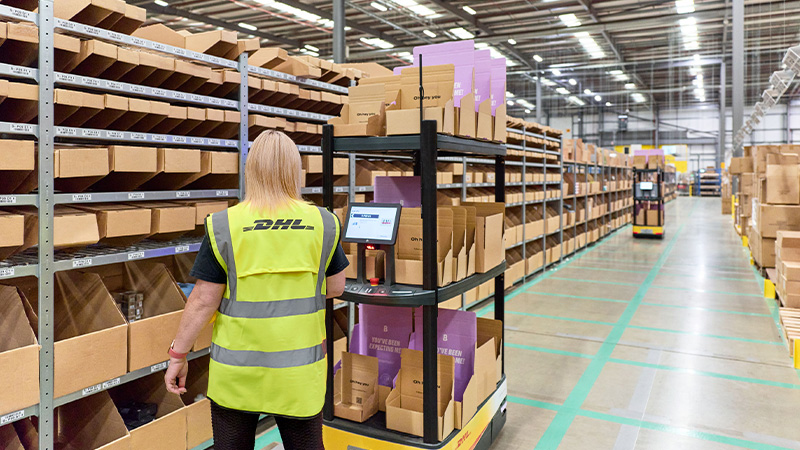
In warehouses or fulfilment centers, AI and automation can help optimize everything from lighting and temperature control to order-picking routes. The result is less wasted energy, smoother operations, and lower costs – without adding complexity to day-to-day work.
Inventory management software can help you reduce wasted stock, whilst route optimization technology can leverage AI to find the optimal routes for your deliveries based on factors like real-time traffic analysis, meaning your fleet are never wasting “empty miles”.
These are just a few examples. The key takeaway is that better data leads to better decisions, and better decisions usually mean lower emissions and stronger operational performance.
Reducing your carbon emissions is a journey
Remember, it isn’t about doing everything perfectly from day one. Whether you’re switching to energy-efficient lighting, rethinking packaging, or looking for smarter ways to ship, every action counts.
By partnering with DHL Express, SMEs can take that journey with confidence. From more sustainable shipping options to expert support, DHL Express makes it easier for businesses like yours to balance sustainability goals with the realities of running and scaling a company – especially across borders.
*GoGreen Plus is a value-added service to a DHL shipment contributing to decarbonization measures within DHL’s logistics network. By using alternative fuels and/or technologies DHL reduces the usage of fossil fuels in the mode of transport used for the GoGreen Plus shipment. This does not necessarily mean that the specific shipment is physically transported with the assets using these fuels or technologies. Further information, e.g. on concrete decarbonization measures is available here.


 Share
Share

Similar Stories